Fungal infections are common health conditions affecting millions of Canadians each year. These infections occur when fungi grow uncontrollably on or inside the body. Unlike bacterial infections, fungi are more resistant to certain treatments and require specific antifungal medications. Fungal infections can range from mild skin conditions to serious systemic diseases, with common types including athlete's foot, candida infections, ringworm, and nail fungus.
Understanding these infections helps you recognize symptoms early and seek appropriate treatment. Risk factors for fungal infections include warm, moist environments, weakened immune systems, prolonged antibiotic use, and poor hygiene practices. Different fungal species require different treatment approaches, and antifungal medications work by either killing fungus or stopping its growth. Seeking proper diagnosis from a healthcare provider ensures you receive the correct treatment for your specific infection type.
Oral antifungals are systemic medications taken by mouth to treat fungal infections throughout the body. These medications are particularly effective for severe or widespread infections that topical treatments cannot reach. Several oral antifungals are available through Canadian pharmacies with a prescription from your doctor.
Topical antifungals are applied directly to affected skin areas and are ideal for localized infections. These treatments include creams, ointments, powders, and solutions, offering excellent results for surface-level fungal infections with minimal systemic side effects.
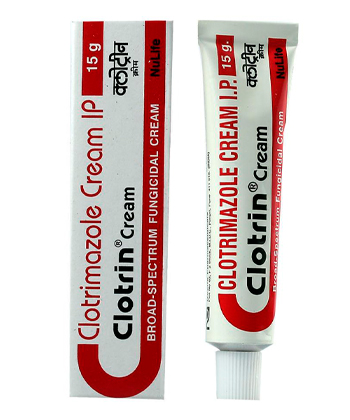
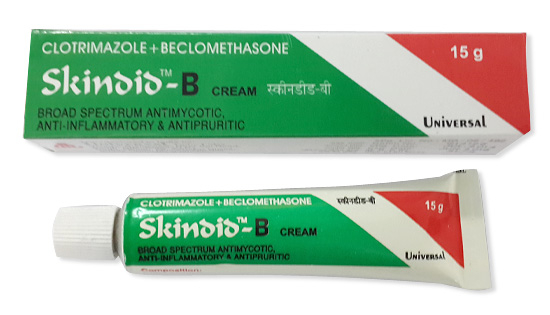
Clotrimazole cream and solution treat athlete's foot, jock itch, and ringworm effectively. Many Canadians prefer clotrimazole because it is available over-the-counter at most pharmacies and typically requires application twice daily for two to four weeks.
Miconazole products are widely available across Canada in various formulations including creams and sprays. This medication works well for candida skin infections and athlete's foot, with many preferring miconazole for its pleasant texture and ease of application.
Tolnaftate powder and solution specifically target athlete's foot and ringworm. This antifungal is excellent for preventing infection spread and maintaining healthy skin in moist areas, with athletes and active individuals frequently using tolnaftate products.
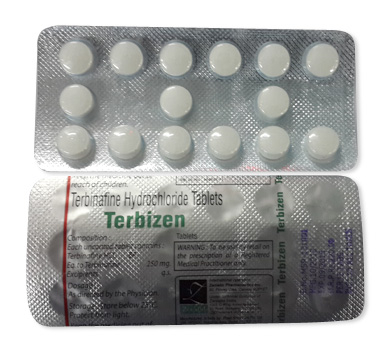
Terbinafine cream provides localized treatment for athlete's foot and other dermatophyte infections. Though oral terbinafine exists, the cream form offers effective results for mild to moderate cases with application typically occurring once or twice daily.
Undecylenic acid is a natural antifungal option available in creams and powders. This medication works well for athlete's foot and fungal infections between toes, with many appreciating this gentler option with fewer chemical concerns.
Different fungal infections require targeted treatment approaches. Understanding which medication works best for your specific condition ensures faster recovery and better outcomes.
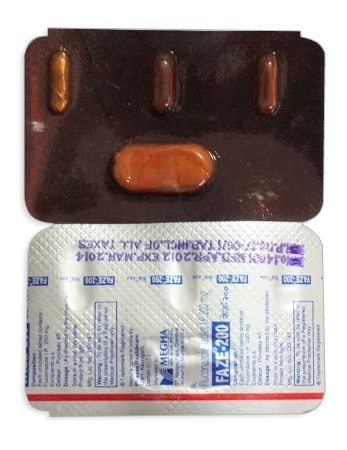
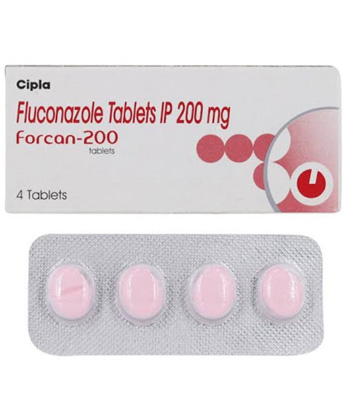
Vaginal yeast infections respond well to oral fluconazole or topical clotrimazole creams. Many Canadian women prefer single-dose fluconazole for convenience, as these medications typically provide relief within days of starting treatment.
Oral thrush in the mouth responds to oral fluconazole or topical nystatin suspension. Healthcare providers often recommend nystatin rinse because it acts locally in the mouth, with regular treatment typically clearing infection within one to two weeks.
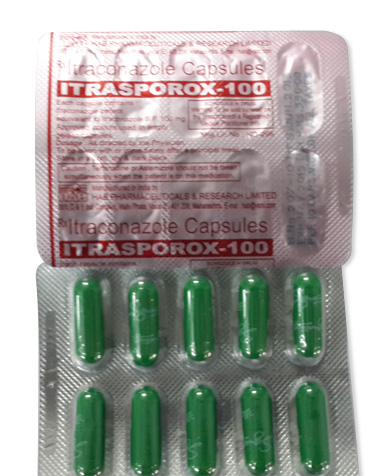
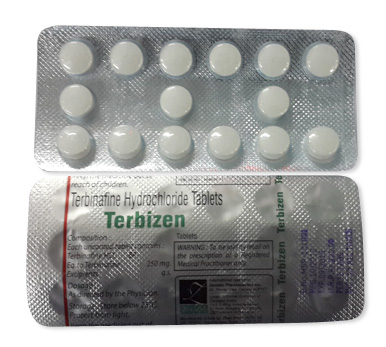
Nail fungus requires prolonged treatment with oral terbinafine or itraconazole. These medications must accumulate in the nail to be effective, requiring treatment for twelve to sixteen weeks. Topical antifungals alone rarely cure nail fungus.
Athlete's foot responds to topical clotrimazole, miconazole, or terbinafine creams. Most cases improve within two to four weeks of consistent application, with keeping feet dry between treatments accelerating healing.
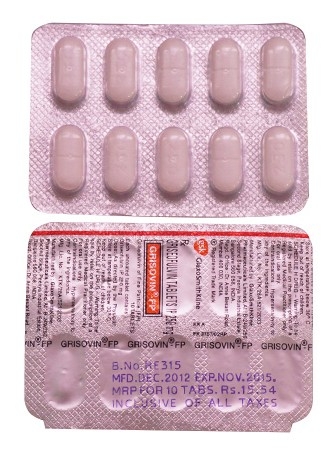
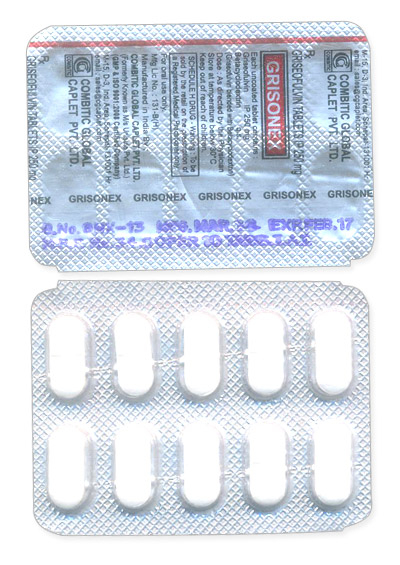
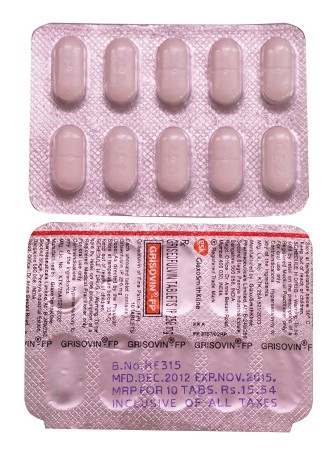
Ringworm on the body typically responds to topical antifungals applied for two to four weeks. More extensive cases may require oral griseofulvin or terbinafine for faster results.
Like all medications, antifungals can cause side effects in some people. Understanding potential reactions helps you use these medications safely and recognize when to contact your healthcare provider.
Oral antifungals may cause mild gastrointestinal upset, including nausea, diarrhea, or stomach discomfort. Taking these medications with food often reduces these symptoms, and most side effects resolve as your body adjusts to the medication.
Some people experience headaches or dizziness while taking oral antifungals. These symptoms typically appear early in treatment and often improve within days. Staying hydrated and getting adequate rest helps manage these effects.
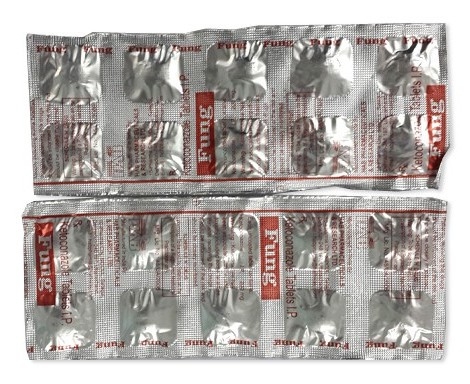
Liver function can be affected by certain oral antifungals, particularly ketoconazole and itraconazole. Your doctor may recommend blood tests before and during treatment to monitor liver health. People with existing liver problems should inform their healthcare provider before starting treatment.
Topical antifungals rarely cause serious side effects but may cause skin irritation, redness, or burning at the application site. Discontinue use if severe irritation develops and consult your pharmacist or doctor.
Some antifungals interact with other medications. Always inform your healthcare provider about all medications you take, including supplements. This helps prevent dangerous drug interactions that reduce effectiveness or increase side effects.
Preventing fungal infections is easier than treating them. Implementing simple hygiene and lifestyle practices significantly reduces your infection risk.
By understanding your antifungal options and following preventive practices, you can effectively manage fungal infections and maintain healthy skin. Always consult with your healthcare provider or pharmacist to determine the best treatment plan for your specific situation.