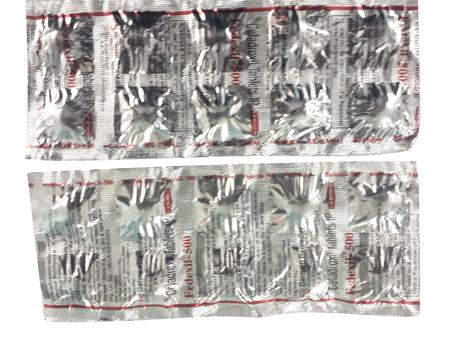
Antibiotics are powerful medications designed to fight bacterial infections by either killing bacteria or stopping their growth. These medicines have revolutionized modern medicine since their discovery and remain essential tools in treating various health conditions. Antibiotics work through different mechanisms: some disrupt bacterial cell walls, others interfere with protein synthesis, and some prevent bacteria from reproducing. It's important to understand that antibiotics only work against bacterial infections and are ineffective against viral infections like the common cold or flu. Taking antibiotics as prescribed by your healthcare provider ensures maximum effectiveness and helps prevent antibiotic resistance, a growing concern in Canada and worldwide. Proper use of these medications can mean the difference between quick recovery and prolonged illness.
Penicillin-based antibiotics remain among the most commonly prescribed in Canada. Amoxicillin is widely used for ear infections, throat infections, and urinary tract infections. Augmentin, which combines amoxicillin with clavulanic acid, is prescribed for more resistant bacterial infections. These medications are generally safe and well-tolerated by most patients, though some people may have allergies. Cephalexin is another popular choice for skin infections and respiratory tract infections.
Azithromycin and clarithromycin are macrolide antibiotics frequently prescribed across Canada. These drugs are effective against respiratory infections, including bronchitis and pneumonia. Azithromycin is often chosen because of its convenient dosing schedule. Macrolides are useful alternatives for patients who cannot take penicillin due to allergies. These antibiotics are also used for certain sexually transmitted infections.
Ciprofloxacin and levofloxacin are broad-spectrum antibiotics used for more serious infections. These medications are effective against urinary tract infections, certain respiratory infections, and gastrointestinal infections. Fluoroquinolones are reserved for cases where other antibiotics may not be effective. Healthcare providers in Canada use these medications cautiously due to potential side effects.
Antibiotics treat numerous bacterial infections that affect different parts of the body. Common conditions requiring antibiotic treatment include:
Each type of infection requires appropriate antibiotic treatment to prevent complications and promote recovery. Your healthcare provider will determine which antibiotic is most suitable for your specific condition.
Always take antibiotics exactly as prescribed by your doctor or pharmacist. Complete the entire course of treatment even if you feel better before finishing all doses. Stopping early can allow bacteria to survive and develop resistance. Take antibiotics at the same times each day to maintain consistent medication levels in your body. Some antibiotics should be taken with food, while others require an empty stomach for best absorption. Your pharmacist can clarify the best way to take your specific medication.
Never share your antibiotics with family members or friends, even if they have similar symptoms. Each prescription is tailored to specific individuals and conditions. Don't skip doses or take double doses to make up for missed medication. Store antibiotics according to package directions, typically at room temperature away from moisture. Always inform your healthcare provider about allergies and other medications you're taking, as some antibiotics interact with other drugs. This information is crucial for your safety and treatment effectiveness.
Common mild side effects include nausea, diarrhea, and headaches. Most side effects are manageable and decrease over time. However, report serious side effects like severe allergic reactions, persistent diarrhea, or unusual symptoms to your pharmacist or doctor immediately. Taking probiotics during antibiotic courses may help reduce digestive side effects for some people. Your healthcare provider can recommend strategies to minimize discomfort while completing your antibiotic treatment.
Antibiotic resistance occurs when bacteria evolve and survive exposure to antibiotics, making these medications less effective. Canada faces increasing challenges with resistant bacteria, making responsible antibiotic use critical. Overuse and misuse of antibiotics contribute significantly to this problem. Using antibiotics only when truly necessary and as prescribed helps preserve their effectiveness for future generations.
Never pressure your healthcare provider for antibiotics when they're not appropriate. Antibiotics don't treat viral infections, and using them unnecessarily wastes resources and promotes resistance. Healthcare facilities across Canada are implementing stewardship programs to ensure antibiotics are used appropriately. Following infection prevention practices like proper hand hygiene also reduces the need for antibiotics. Support public health efforts by using antibiotics responsibly and educating others about their proper use. Your individual choices contribute to protecting the effectiveness of these vital medications for everyone in Canada.
Contact your doctor if you experience signs of bacterial infection such as fever, pain, redness, or unusual discharge. Your healthcare provider can determine if antibiotics are necessary through examination and sometimes laboratory tests. Inform your doctor about previous antibiotic reactions or allergies before starting treatment. If you experience side effects or your symptoms worsen after starting antibiotics, consult your healthcare provider promptly.
Pregnant women, nursing mothers, and children may require specially selected antibiotics, so discuss your situation with your healthcare provider. Individuals with liver or kidney conditions may need adjusted antibiotic doses. Regular follow-up appointments help ensure your infection is responding properly to treatment. Your pharmacist is an excellent resource for questions about your specific antibiotic medication and how to take it safely. They can provide guidance on drug interactions, storage, and what to expect during your treatment course.