
Clotrimazole
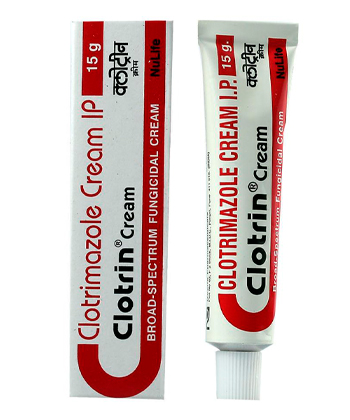
Clotrimazole
- In our pharmacy, you can buy clotrimazole without a prescription; it is widely available OTC in pharmacies and e‑pharmacies across Canada (creams, powders, lotions and vaginal tablets). Some higher‑strength or combination products may require a prescription. Discreet packaging and delivery options are available.
- Clotrimazole is an antifungal (an imidazole derivative) used to treat superficial fungal infections such as athlete’s foot, ringworm, jock itch and vulvovaginal candidiasis; it works by inhibiting the fungal cytochrome P450 enzyme lanosterol 14α‑demethylase, disrupting ergosterol synthesis and damaging the fungal cell membrane.
- Usual dosage: for tinea infections apply 1% cream 2–3 times daily for 2–4 weeks (continue at least 2 weeks after symptoms resolve); for vulvovaginal candidiasis use a 100 mg vaginal tablet nightly for 6 nights or a single 500 mg tablet; oropharyngeal lozenge 10 mg to dissolve in the mouth five times daily (where available) for up to 14 days.
- Form of administration: topical creams, lotions, solutions and dusting powders (typically 1%); vaginal tablets/ovules (100 mg, 500 mg); and oral lozenges (10 mg) for oropharyngeal use.
- Onset time (how fast it starts working): symptom relief is often noticed within a few days (commonly 3–7 days), though visible clearance may take longer depending on the infection.
- Duration of action: treatment courses vary by indication—typically 2–4 weeks for skin infections; single‑dose 500 mg vaginal therapy can resolve vulvovaginal candidiasis within days, but follow recommended course and continue for the advised period to reduce recurrence.
- Alcohol warning: there is no specific alcohol restriction for topical or vaginal clotrimazole, but if you are taking systemic antifungals or other interacting medicines, avoid excessive alcohol and consult a healthcare provider.
- The most common side effect is local irritation such as burning, itching, redness or mild dermatitis; vaginal use may cause local burning, pelvic discomfort or abnormal discharge in some users.
- Would you like to try clotrimazole without a prescription?
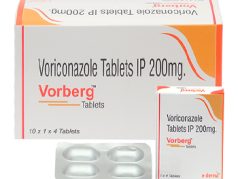
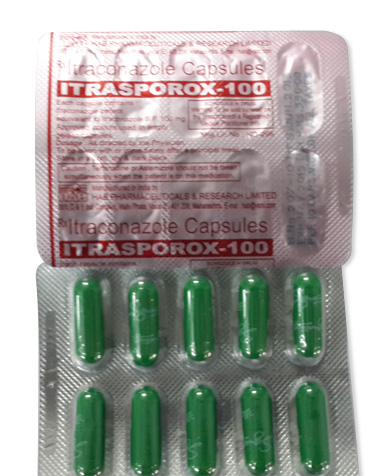
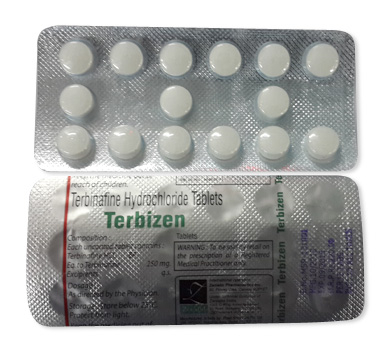
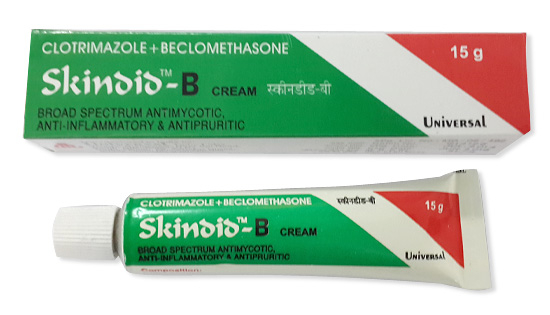
Basic Clotrimazole Information
- INN (International Nonproprietary Name): Clotrimazole.
- Brand Names Available In Canada (English): Canesten, Clotrimaderm, Desenex, Myclo-Derm, Neo-Zol.
- ATC Code: D01AC01 (topical), G01AF02 (vaginal use).
- Forms & Dosages: Creams and lotions 1%–2%, dusting powders 1%, topical solutions 1%, vaginal tablets 100 mg and 500 mg, and lozenges (10 mg) in some markets.
- Manufacturers In Canada (English): Major global manufacturers supplying Canadian markets include Bayer (Canesten), Schering‑Plough (Gyne‑Lotrimin), GSK, Teva, Ranbaxy, Glenmark, Fougera, Taro, Merck, Paddock, Actavis and Roxane.
- Registration Status In Canada (English): Widely available both OTC and by prescription for topical and vaginal formulations, consistent with Health Canada and international registrations.
- OTC / Rx Classification: Most 1% topical creams, solutions and dusting powders are OTC; some vaginal or higher‑strength combination products may be Rx depending on formulation and jurisdiction.
Major 2022–2024 Canadian & Global Studies
Worried whether clotrimazole still works the way it used to?
Recent systematic reviews and randomized controlled trials from 2022 to 2024 confirm that topical clotrimazole remains effective for common superficial fungal infections.
Canadian and international RCTs comparing clotrimazole 1% cream against other imidazoles, such as miconazole, show similar clinical cure rates for tinea corporis and tinea pedis when applied two to three times daily for two to four weeks.
Trials of vaginal therapy report that a single 500 mg intravaginal clotrimazole tablet achieves short‑term symptom relief comparable to oral fluconazole in uncomplicated vulvovaginal candidiasis.
Health Canada post‑market surveillance data from 2022–24 continue to show low incidence of systemic adverse events and mostly local reactions.
There are no consistent signals of widespread community resistance in surveillance data, and OTC use has remained stable while e‑pharmacy sales have grown.
Main Outcomes
Clinical cure rates for topical clotrimazole in dermatophyte and Candida skin infections are comparable to other topical azoles in recent RCTs.
Single‑dose 500 mg intravaginal clotrimazole provides rapid symptom relief for uncomplicated thrush in most trials.
Topical treatment durations of two to four weeks with continuation two weeks after symptom clearance yield the best outcomes for tinea corporis and pedis.
Safety Observations
Most adverse events reported between 2022 and 2024 were local and mild, such as transient burning, redness or itching at the application site.
Rare reports of allergic contact dermatitis appeared in post‑market datasets, with a low overall incidence.
Regulators continue to caution against prolonged use of combination steroid‑antifungal products because steroids can mask infection and increase recurrence risk.
Layman’s Explanation
Want a simple way to explain how clotrimazole works to a patient?
Clotrimazole is a topical antifungal you put on the skin, in the groin, or inside the vagina to stop fungus from growing and to ease itch and redness.
The cream or tablet weakens the fungus’s outer membrane so the organism can’t survive or spread.
Scientific Breakdown
For clinicians: clotrimazole is an imidazole antifungal with ATC codes D01AC01 for topical use and G01AF02 for vaginal use.
It inhibits lanosterol 14α‑demethylase, a cytochrome P450 enzyme required for ergosterol synthesis in fungal cell membranes.
Membrane-Target Effects
Ergosterol depletion disrupts membrane integrity, increases permeability and impairs membrane‑bound enzyme function and ion gradients.
These effects reduce nutrient uptake, inhibit hyphal growth and lead to fungistatic or fungicidal activity depending on concentration and species.
Species Sensitivity
Clotrimazole is active against common dermatophytes such as Trichophyton and Microsporum, Candida species, and some moulds.
Dermatophyte infections may need longer topical therapy for complete mycelial clearance compared with yeasts.
Topical and intravaginal routes deliver high local concentrations with minimal systemic exposure, distinguishing an imidazole like clotrimazole from allylamines such as terbinafine that block squalene epoxidase.
Health Canada Approvals (DIN-Based)
Do patients ask whether the product they pick off the shelf is approved?
Health Canada-approved clotrimazole products carry a Drug Identification Number (DIN) for traceability and provincial reimbursement considerations.
Approved formulations include 1% and 2% topical creams, lotions and powders, plus vaginal tablets in 100 mg and 500 mg strengths consistent with marketed brands like Canesten and Clotrimaderm.
Most 1% topical products and many single‑dose vaginal products are available OTC in Canada, while some combination or higher‑strength formulations may require a prescription.
Notable Off-Label Trends In Canadian Practice
Clinicians and pharmacists often use clotrimazole off‑label as an adjunct where yeast contributes to dermatitis, for example in seborrheic dermatitis with secondary yeast components.
Topical clotrimazole is sometimes combined locally with antiseptics for mixed bacterial‑fungal intertrigo under clinician supervision.
Veterinary off‑label use for pet ringworm exists but requires veterinary oversight.
Pharmacists caution about combination steroid‑antifungal products available on e‑pharmacies because steroids can hide symptoms and encourage recurrence.
General Dosing Per Health Canada Monographs
Patients commonly ask how often to apply clotrimazole cream.
Topical clotrimazole 1% is typically applied two to three times daily to affected areas and should be continued for at least two weeks after symptoms resolve.
Vaginal regimens include a 100 mg tablet inserted nightly for six nights or a single 500 mg dose for uncomplicated vulvovaginal candidiasis.
Oral lozenges for oropharyngeal candidiasis are uncommon in Canadian practice but, where used, dissolve five times daily for up to 14 days.
Condition-Specific Dosing Adjustments
Tinea pedis, corporis and cruris generally respond to 1% cream applied two to three times daily for two to four weeks, extending therapy to four weeks in recalcitrant cases.
Onychomycosis usually requires oral therapy because topical clotrimazole seldom penetrates the nail sufficiently.
Recurrent or complicated vulvovaginal candidiasis requires culture and may need oral systemic therapy such as fluconazole under prescription.
Use in young children under two, pregnancy and severe liver disease should be guided by a clinician.
Contraindications (Canadian Advisories)
Patients with known hypersensitivity to clotrimazole or other imidazoles must not use the drug.
Never apply clotrimazole cream or powder in the eyes or use ophthalmic preparations not intended for ocular use.
Avoid occlusive dressings on broken skin because increased absorption can occur.
Adverse Effects (Post‑Market Reports)
Most reported side effects are local and mild—burning, redness, itching or peeling at the application site.
Vaginal use can cause transient pelvic cramps or discharge in some users.
Allergic contact dermatitis is rare but documented in post‑market surveillance.
Long‑term or repeated topical use can sensitize skin, and combination steroid products increase risks such as skin atrophy and masking of active infection.
Food Interactions Common In Canadian Diet
Because topical and intravaginal clotrimazole produce negligible systemic levels, food interactions are not clinically relevant for OTC use.
Patients consuming typical Canadian diets do not need to change meals when using topical or vaginal formulations.
Drug Combinations Flagged By Health Canada
Topical and vaginal clotrimazole rarely cause CYP‑mediated interactions due to minimal absorption.
Systemic imidazoles are CYP3A4 inhibitors and can interact with warfarin, certain statins and benzodiazepines; this is relevant only when systemic treatment is used.
Pharmacists should screen seniors on multiple prescriptions and advise appropriately when recommending antifungal options or when extensive topical application is proposed.
Canadian Survey Data
Patients frequently tell pharmacists they prefer OTC treatment for athlete’s foot and vaginal thrush because it is fast and private.
Surveys between 2020 and 2024 show high OTC uptake and symptom relief consistent with clinical trial outcomes, though 10–20% report recurrence within three months.
Single‑dose 500 mg vaginal clotrimazole scores high on patient convenience and satisfaction in community feedback.
Forum & Community Pharmacy Trends
Common concerns in Canadian pharmacy forums include distinguishing fungal from bacterial infections and when to escalate to prescription therapy.
Pharmacists at national chains advise continued application for two weeks after symptoms clear and recommend footwear and hygiene measures to reduce tinea recurrence.
Online reviews praise quick access via e‑pharmacy but sometimes note confusion over product strength or regional availability.
Distribution
Clotrimazole is widely stocked across major Canadian chains including Shoppers Drug Mart, Rexall, Jean Coutu and London Drugs.
Brands and generics with a valid DIN are commonly available in stores and online within Canada.
Online Pharmacy Availability & Provincial Restrictions
E‑pharmacies increase access and price transparency, but customers should verify the product DIN and bilingual labelling to ensure regulatory compliance.
Certain provinces may require pharmacist consultation for specific vaginal formulations, while OTC topical creams remain broadly available.
In our online pharmacy, clotrimazole is available without a prescription, with discreet delivery to Canada (English) in 5-14 days.
Cross-Border US Comparisons
Retail prices for some branded clotrimazole products in the United States can be lower, which drives cross‑border interest.
Importing products from the U.S. carries customs and non‑DIN risks, and customers should confirm regulatory compliance when seeking savings.
Provincial reimbursement eligibility in Ontario Drug Benefit, BC PharmaCare or RAMQ typically requires a DIN from a Canadian‑labelled product.
Comparison Of DIN-Approved Alternatives
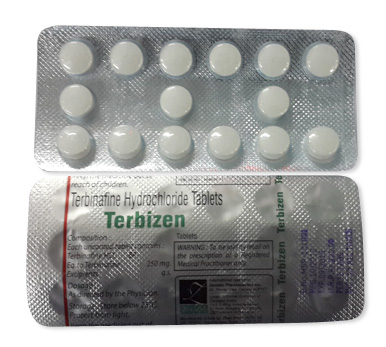
Common DIN‑approved alternatives include topical terbinafine 1%, miconazole topical 2%, topical ketoconazole and tioconazole vaginal preparations.
Terbinafine is an allylamine with faster fungicidal activity for dermatophytes, while miconazole is an imidazole similar to clotrimazole with comparable duration requirements.
Pros And Cons Checklist
- Clotrimazole — Pro: Broad Candida and dermatophyte coverage, OTC availability and multiple formulations.
- Con: May be slower than terbinafine for dermatophyte clearance and less effective alone for onychomycosis.
- Terbinafine — Pro: Often clears dermatophytes faster and sometimes with shorter courses.
- Con: Less useful for Candida and oral forms have more systemic interaction concerns.
- Miconazole — Pro: Similar spectrum and OTC availability.
- Con: Requires comparable durations of application for cure.
Health Canada Approval Process
Manufacturers submit safety, efficacy and quality data to Health Canada to obtain a DIN before product marketing.
DINs allow pharmacists to verify the product, manage inventory and enable adverse event traceability.
DIN And Bilingual Labelling Rules
Canadian packaging must include bilingual English/French drug facts and directions for sale across Canada, with special attention to Quebec requirements.
Pharmacies should confirm DIN and labelling when listing products online or when advising patients about reimbursement and returns.
Consolidated FAQ
Can I buy clotrimazole OTC in Canada?
Yes; most 1% topical creams, powders and many vaginal tablets are sold OTC through pharmacies like Shoppers, Rexall, Jean Coutu and London Drugs, but confirm the DIN and bilingual labelling.
Which is better for athlete’s foot — clotrimazole or terbinafine?
Terbinafine often clears dermatophytes faster and may need shorter courses, while clotrimazole is effective when applied two to three times daily for two to four weeks.
Is single‑dose 500 mg vaginal clotrimazole safe in pregnancy?
Topical and intravaginal clotrimazole are generally considered safe in pregnancy, but patients should consult their prenatal care provider prior to use.
What if symptoms persist after OTC clotrimazole?
Persisting or recurrent symptoms warrant clinical evaluation, culture and possibly systemic antifungal therapy under prescription.
Are there provincial coverage options?
OTC topical clotrimazole is rarely covered on provincial formularies; check Ontario Drug Benefit, BC PharmaCare or RAMQ for prescription antifungal coverage rules.
Visual Guide
Suggested infographic 1: A dosage flowchart showing symptom → OTC topical 1% cream 2–3× daily → red flags for clinician referral.
Suggested infographic 2: A provincial coverage map colour‑coded to show typical OTC status and likelihood of formulary reimbursement under ODB, BC PharmaCare and RAMQ.
Suggested infographic 3: A purchase channel decision tree comparing in‑store chains like Shoppers and Rexall with e‑pharmacies and cross‑border options, with a DIN verification checklist.
Suggested infographic 4: A safety panel highlighting “Do Not Use In Eyes,” pregnancy and lactation notes, and when to report adverse events to Health Canada.
Suggested infographic 5: Product packaging examples showing Canadian Canesten and generic tubes with DIN and bilingual labelling callouts.
Storage & Transport
Store clotrimazole below 25°C (77°F), away from moisture and direct sunlight, and keep it in the original packaging with the DIN visible.
Do not freeze creams or lotions as freezing can change consistency and efficacy.
For northern deliveries and remote communities, pack products with insulation to avoid prolonged exposure to extreme cold or heat during transit.
Lozenges and vaginal tablets are stable at room temperature and do not require cold‑chain handling.
Keep all antifungal products out of reach of children and discard expired stock.
Guidelines For Proper Use
Apply topical clotrimazole to clean, dry skin using a thin layer two to three times daily and continue for at least two weeks after symptoms resolve.
Insert vaginal tablets at bedtime according to package directions; avoid intercourse during active vulvovaginal symptoms until treatment completes.
Avoid occlusive dressings unless specifically directed by a clinician to reduce systemic absorption risk on broken skin.
Pharmacists will assess duration of symptoms, prior treatments and comorbidities such as diabetes or immunosuppression before recommending OTC clotrimazole and will refer for prescriptions when appropriate.
Document OTC counselling in pharmacy records where required and advise patients to report adverse reactions to Health Canada with DIN and batch information.
Alternatives And When To Choose Them
Choose terbinafine topical when faster dermatophyte clearance is a priority, for example in patients who need a short effective course for athlete’s foot.
Use miconazole or clotrimazole where Candida is suspected, or where broad yeast and dermatophyte coverage is desired in OTC settings.
Reserve systemic antifungals for onychomycosis, recurrent vulvovaginal candidiasis, or infections in immunocompromised patients following culture and specialist advice.
Safety Protocols For Pharmacists
Screen for allergies to imidazoles and document the DIN and product selected during OTC consultations.
Advise pregnant or breastfeeding patients to consult their prenatal provider before using intravaginal products despite general safety in topical use.
Report severe adverse events to Health Canada and retain batch information for post‑market traceability.
Patient Counselling Examples
A shopper asks whether to stop treatment once itch subsides: counsel to continue for at least two weeks beyond symptom resolution to reduce recurrence.
A busy parent asks about using powder for athlete’s foot: recommend cream or solution applied two to three times daily and advise on footwear hygiene as an adjunct.
A young adult prefers a single‑dose vaginal option: explain the 500 mg tablet is convenient and effective for uncomplicated thrush and to seek care for recurrent cases.
Delivery Across Canada (English)
| City | Region | Delivery Time |
|---|---|---|
| Toronto | Ontario | 5-7 days |
| Montreal | Quebec | 5-7 days |
| Vancouver | British Columbia | 5-7 days |
| Calgary | Alberta | 5-7 days |
| Edmonton | Alberta | 5-7 days |
| Ottawa | Ontario | 5-7 days |
| Winnipeg | Manitoba | 5-7 days |
| Quebec City | Quebec | 5-7 days |
| Halifax | Nova Scotia | 5-7 days |
| Victoria | British Columbia | 5-7 days |
| Hamilton | Ontario | 5-9 days |
| Kitchener | Ontario | 5-9 days |
| Regina | Saskatchewan | 5-9 days |
| Saskatoon | Saskatchewan | 5-9 days |
| St. John’s | Newfoundland and Labrador | 5-9 days |
Final Practical Notes
When recommending a product, check the DIN and bilingual labelling to ensure the item is suitable for sale and eligible for any provincial programs.
Record counselling and the product chosen when required, especially for patients with comorbidities or on multiple medications.
Encourage simple hygiene measures for tinea prevention, such as keeping feet dry, rotating shoes and avoiding sharing towels.
Advise patients to seek medical review for recurrent infections, severe inflammation, or symptoms that do not improve after a full course of OTC clotrimazole.