Analgesics are medications designed to relieve pain without causing loss of consciousness. They work by blocking pain signals from reaching the brain or reducing the production of substances in the body that cause pain and inflammation. These medications are essential tools in managing various types of pain, from minor headaches to severe chronic conditions. Understanding how analgesics work helps patients use them safely and effectively. There are several classes of analgesics available in Canada, each with different mechanisms of action and appropriate uses. Some work locally at the site of injury, while others work systemically throughout the body. Most Canadians will use analgesics at some point in their lives, making it important to understand their benefits and risks.
Over-the-counter analgesics are the first choice for many people dealing with mild to moderate pain. These medications are readily available at pharmacies, supermarkets, and convenience stores throughout Canada without requiring a prescription. They are generally safe when used as directed on the package, though it is important to follow dosage instructions carefully. Common over-the-counter options include acetaminophen and ibuprofen, which are widely used for headaches, muscle aches, and fever. Many Canadians keep these medications in their homes for everyday pain management. It is crucial to read labels carefully, as some products contain multiple active ingredients.
Prescription analgesics are stronger medications reserved for moderate to severe pain that does not respond to over-the-counter options. These require a healthcare provider's assessment and ongoing monitoring. Prescription analgesics include stronger versions of common pain relievers and opioid medications for severe pain. Your doctor will determine if prescription analgesics are appropriate for your condition and will discuss potential side effects and risks. These medications are dispensed through licensed Canadian pharmacies with a valid prescription. Regular follow-up with your healthcare provider is essential when using prescription analgesics.
Canada has a robust selection of over-the-counter analgesic products available to consumers. These medications have been approved by Health Canada and are considered safe for self-medication when used appropriately. Acetaminophen, marketed under brand names like Tylenol, is one of the most popular choices for pain relief and fever reduction. Ibuprofen, available as Advil and Motrin, is a nonsteroidal anti-inflammatory drug effective for various types of pain. Naproxen sodium, sold as Aleve, provides longer-lasting relief and requires fewer doses throughout the day. These products come in various forms including tablets, capsules, liquids, and effervescent options to suit different preferences.
Acetaminophen is a widely used analgesic that reduces pain and fever without the anti-inflammatory properties of other pain relievers. In Canada, acetaminophen is available under numerous brand names and generic versions, making it an affordable option for many households. The standard recommended dose is 500–1000 mg every four to six hours, not exceeding 4000 mg per day. It is particularly useful for people who cannot take nonsteroidal anti-inflammatory drugs due to allergies or sensitivities. Acetaminophen is gentle on the stomach and does not increase the risk of bleeding like some other pain relievers. Many combination products contain acetaminophen, so it is important to check labels to avoid accidental overdose.
Ibuprofen is a nonsteroidal anti-inflammatory drug that reduces pain, fever, and inflammation. In Canada, ibuprofen is available in various strengths and formulations, from regular tablets to extended-release capsules. The typical dose is 200–400 mg every four to six hours as needed. Naproxen sodium works similarly but provides longer-lasting relief, with effects lasting up to 12 hours per dose. Both medications are effective for headaches, muscle aches, menstrual cramps, and minor arthritis pain. These should be taken with food or milk to minimise stomach irritation. People with certain health conditions should consult their pharmacist before using these medications.
When over-the-counter medications are insufficient, healthcare providers may prescribe stronger analgesics. Canadian prescription analgesics include stronger versions of non-opioid pain relievers and opioid medications for severe pain. These medications require careful monitoring and should only be used under medical supervision. Prescription analgesics are typically reserved for acute severe pain, chronic pain conditions, or post-surgical pain management. Health Canada regulates all prescription medications to ensure safety and effectiveness. Your pharmacist can provide detailed information about how to use these medications correctly and what side effects to watch for.
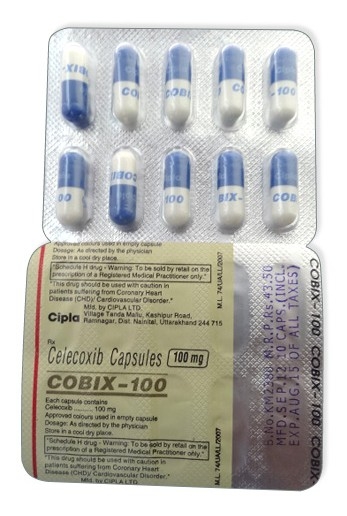
Non-opioid prescription analgesics include stronger formulations of acetaminophen and nonsteroidal anti-inflammatory drugs. Prescription-strength ibuprofen and naproxen are available for patients who need higher doses than over-the-counter versions. COX-2 selective inhibitors like celecoxib may be prescribed for specific conditions like arthritis. These medications are often chosen as first-line treatments for moderate pain because they carry lower risks than opioids. They remain effective for pain management whilst avoiding some of the serious side effects associated with opioid use. Your doctor will assess whether non-opioid options are suitable for your specific condition.
Opioid analgesics are powerful pain relievers reserved for severe pain when other medications prove inadequate. Common opioid medications prescribed in Canada include codeine, morphine, oxycodone, and tramadol. These medications carry significant risks including dependence, addiction, and overdose potential. Health Canada and Canadian healthcare providers have implemented strict guidelines for opioid prescribing. Patients using opioids require regular monitoring and careful dose management. These medications should never be used longer than necessary and are typically for acute pain rather than long-term use. Combining opioids with alcohol or other sedating medications can be dangerous.
Different types of pain may respond better to specific analgesics. Understanding which medication works best for your particular situation helps optimise pain relief. Here are common pain conditions and their typical treatments:
When selecting an over-the-counter analgesic, consider your specific type of pain and medical history. If you have stomach ulcers or take blood thinners, acetaminophen may be a safer choice than ibuprofen. If your pain involves significant inflammation, ibuprofen or naproxen may be more effective. Consider how long you need pain relief, as naproxen lasts longer than ibuprofen. Check for other medications you are taking to avoid doubling up on active ingredients. Your pharmacist can recommend the most appropriate option based on your individual circumstances. Some people find that alternating between different types of analgesics provides better overall pain control.
Using analgesics safely requires understanding potential risks and following recommended guidelines. All medications carry potential side effects, and analgesics are no exception. Common side effects of acetaminophen are rare but can include rash or allergic reactions in sensitive individuals. Ibuprofen and naproxen may cause stomach irritation, heartburn, or more serious gastrointestinal issues with long-term use. Opioid medications commonly cause constipation, drowsiness, and nausea. Some people experience dizziness, headaches, or allergic reactions to any analgesic. Long-term use of nonsteroidal anti-inflammatory drugs may increase cardiovascular risks in some patients. Acetaminophen taken in excessive doses can cause liver damage.
Certain medications and health conditions can interact negatively with analgesics. People taking blood thinners should avoid ibuprofen and naproxen without medical approval. Those with kidney disease may need to avoid certain analgesics or use lower doses. Liver disease can affect how your body processes acetaminophen. Some analgesics may interact with blood pressure medications or other drugs. Combining multiple pain relievers can be dangerous and should be avoided. Alcohol consumption increases risks associated with acetaminophen and nonsteroidal anti-inflammatory drugs. Always inform your healthcare provider and pharmacist about all medications and supplements you are taking.
Whilst analgesics are generally safe for short-term use, certain situations require professional evaluation. If pain persists beyond a few days despite taking analgesics, consult a healthcare provider. Severe pain that suddenly appears warrants medical attention to rule out serious conditions. If you experience concerning side effects from analgesics, discuss alternatives with your doctor. Pregnant or breastfeeding women should consult healthcare providers before using any analgesic. People with chronic pain conditions need professional guidance to develop safe long-term pain management plans. If you suspect medication overdose, contact poison control or seek emergency care immediately. Regular check-ups help ensure that your pain management approach remains safe and effective.