Diflucan
Diflucan
- Diflucan (fluconazole) can be purchased from pharmacies and pharmacy e-shops in many countries, and in some online pharmacies it may be available without a prescription; however, it is prescription-only (Rx) in most regions, including Canada.
- Diflucan is used to treat fungal and yeast infections such as vaginal candidiasis, oral thrush, esophageal candidiasis, candidemia, and cryptococcal meningitis. It works as a triazole antifungal by inhibiting fungal ergosterol synthesis, which weakens the fungal cell membrane and stops growth.
- The usual dose depends on the infection: 150 mg orally as a single dose for vaginal candidiasis; 200 mg once, then 100–400 mg daily for oral or esophageal candidiasis; and 400 mg once, then 200–400 mg daily for systemic infections, with dose adjustments for children, renal impairment, and some other patients.
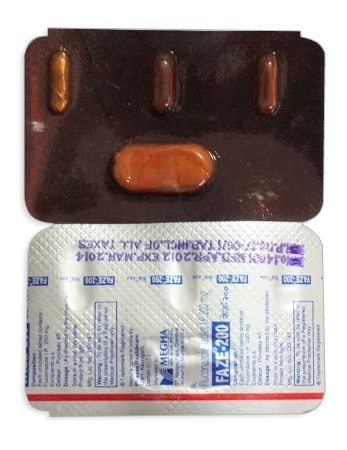
- Diflucan is available as tablets/capsules, oral suspension, and intravenous infusion.
- It usually starts working within a few hours, but symptom relief may take 1–3 days depending on the infection and severity.
- The duration of action is long, allowing once-daily dosing for many infections and single-dose therapy for uncomplicated vaginal yeast infection; treatment can range from 1 day to several weeks.
- Alcohol is not strictly contraindicated, but it is best to avoid or limit alcohol because both alcohol and fluconazole can affect the liver and may worsen side effects such as nausea or dizziness.
- The most common side effects are nausea, vomiting, abdominal pain, diarrhoea, headache, dizziness, rash, and changes in taste.
- Would you like to try Diflucan without a prescription?

Key Findings From Recent Trials
Is diflucan still the go-to option for a simple yeast infection, or are clinicians becoming more cautious about it?
Recent antifungal literature from 2022 to 2025 still supports fluconazole as a standard systemic azole, but it also keeps flagging Candida resistance, especially in recurrent infections and in people who have already used an azole before.
In Canada, that matters because Health Canada-approved fluconazole products remain widely used through pharmacy channels, including DIN-authorised generics and brand-name Diflucan.
Across Canadian practice and global stewardship guidance, the message is consistent: the drug still works well for many patients, but treatment success depends on the species involved, the site of infection, and prior exposure to antifungal medication.
The most searched regimen remains the single-dose fluconazole 150 mg option for uncomplicated vaginal candidiasis, while once-daily regimens continue to support adherence for thrush and oesophageal candidiasis.
Safety attention has stayed focused on liver enzyme elevations, QT-related risk in susceptible patients, and drug interactions, so prescribers in Canada increasingly screen renal function and polypharmacy before starting treatment.
That mix of convenience, long track record, and resistance concerns is why diflucan remains common in community pharmacies, but not a one-size-fits-all answer.
Basic Diflucan Information
- INN (International Nonproprietary Name): Fluconazole
- Brand Names Available In Canada (English): Diflucan, fluconazole tablets, fluconazole oral suspension
- ATC Code: J02AC01
- Forms & Dosages: Tablets or capsules 50 mg, 100 mg, 150 mg, 200 mg; oral suspension 10 mg/mL, 40 mg/mL, or 50 mg/5 mL depending on market; intravenous infusion 2 mg/mL
- Manufacturers In Canada (English): Pfizer, Sandoz, Teva, Zentiva
- Registration Status In Canada (English): Registered with Health Canada
- OTC / Rx Classification: Prescription only (Rx)
Clinical Mechanism Of Action
Ever wonder how an oral antifungal can clear a yeast infection without being a cream?
Diflucan is the brand name most people associate with fluconazole, an oral antifungal used for certain yeast and fungal infections.
It works by stopping fungi from building a protective cell membrane, which slows growth and helps the body clear the infection.
Scientifically, fluconazole is a triazole antifungal in ATC J02AC01.
It inhibits fungal ergosterol synthesis, which weakens the membrane and limits fungal survival.
Because it is absorbed and distributed throughout the body, it has better systemic use than topical azoles.
That is why diflucan can be used for vaginal candidiasis, oral thrush, oesophageal candidiasis, and some systemic Candida infections.
It is not a broad catch-all, though, and it does not cover Aspergillus or Mucorales well.
Scope Of Approved And Off-Label Use
What is actually approved, and what do Canadian clinicians sometimes use in practice?
In Canada, fluconazole is prescription only and is available through Health Canada-registered products with DINs.
Depending on the pharmacy, it may appear as Diflucan, fluconazole tablets, or oral suspension.
Approved uses commonly include vaginal candidiasis, oral thrush, oesophageal candidiasis, candidemia, and cryptococcal meningitis.
Canadian clinicians may also use it for selected prophylaxis in immunosuppressed patients.
Off-label use is typically guided by specialist judgement, local antimicrobial stewardship, susceptibility patterns, and formulary rules.
In real life, provincial coverage, hospital supply, and pharmacy availability shape what gets dispensed.
Bilingual labelling matters in many Canadian settings, and patients may see different strengths or generics at Shoppers Drug Mart, Rexall, Jean Coutu, or London Drugs.
For online shopping, diflucan may also be listed without a prescription in some pharmacy systems, with discreet delivery to Canada in 5-14 days.
Dosage Strategy
How much should a patient take, and for how long?
For vaginal candidiasis, the common regimen is 150 mg orally as a single dose.
For oral thrush, the usual adult schedule is 200 mg once, then 100 mg daily for 7 to 14 days.
For oesophageal candidiasis, dosing often starts with 200 mg once, then continues at 100 to 400 mg daily for 14 to 30 days.
More severe infections need longer and sometimes higher-dose treatment.
Candidemia and systemic candidiasis are often treated with 400 mg once, then 200 to 400 mg daily.
Cryptococcal meningitis commonly uses 400 mg once, then 200 to 400 mg daily for at least 10 to 12 weeks.
Prophylaxis in immunosuppression may reach 400 mg daily.
Children are usually dosed at 3 to 12 mg/kg/day, with up to 12 mg/kg for severe infection and a maximum of 400 mg/day.
If creatinine clearance is below 50 mL/min, maintenance doses are often reduced, usually by half.
Hepatic impairment calls for caution and liver monitoring, and missed doses should never be doubled.
Safety Protocols
Which people need extra caution before starting diflucan?
Known hypersensitivity to fluconazole or other azoles is a clear contraindication.
It should also not be combined with high-risk QT-prolonging drugs such as cisapride, pimozide, erythromycin, quinidine, astemizole, or terfenadine because of serious arrhythmia risk.
Common side effects include nausea, vomiting, abdominal pain, diarrhoea, headache, dizziness, rash, and taste changes.
Less common but important reactions include liver enzyme elevations and rare severe hepatic injury.
Canadian pharmacists often review liver history, renal function, heart rhythm risk, and electrolyte status before dispensing.
That screening is especially important in patients with Long QT syndrome or significant cardiac disease.
In community chains and mail-order services, these issues are often flagged during the final safety check.
Provincial benefit plans may also ask for monitoring documentation when a patient is higher risk.
Interaction Mapping
Can it be taken with food, alcohol, or other medicines?
Fluconazole has few major food interactions, so it can usually be taken with or without food.
Alcohol is not a formal contraindication, but moderation is sensible because liver considerations still matter.
The bigger issue is CYP450 inhibition, which can raise the level of other drugs in the body.
Higher-risk combinations include some antiarrhythmics, anticoagulants, certain benzodiazepines, some statins, and immunosuppressants.
That is why a pharmacist review matters so much for diflucan, especially in people with polypharmacy or chronic disease.
In-store pharmacists often catch these risks at the point of sale.
Online ordering does not replace that review, even if the purchase is convenient.
Every prescription, over-the-counter product, and supplement should be disclosed before starting treatment.
Patient Experience Analysis
Why do so many patients look for the yeast infection pill instead of a cream?
Canadian patient preference often favours single-dose fluconazole for uncomplicated yeast infection because it is simple and convenient.
Adherence is usually better than with multi-day topical regimens.
Search demand stays high for Diflucan 150 mg for yeast infection and oral antifungal for thrush, which shows how often patients want a straightforward answer.
Community pharmacy conversations often focus on quick symptom relief, but also on whether the infection is really Candida and whether recurrence means something else is going on.
Some patients report nausea, headache, or abdominal discomfort after dosing.
Others ask about pregnancy safety, repeat courses, and whether an exam is needed before treatment.
That is especially true when symptoms keep coming back, or when the first course helps only partly.
Distribution And Pricing Landscape
Where can Canadians actually get it, and what changes the price?
Fluconazole may be dispensed through Shoppers Drug Mart, Rexall, Jean Coutu, and London Drugs.
Availability can vary by strength, brand versus generic, and whether stock is kept on shelf or ordered in.
Online pharmacies may list Diflucan capsules, fluconazole tablets, or suspension, but prescription rules still apply in normal Canadian practice.
Provincial plans such as Ontario Drug Benefit, BC PharmaCare, and RAMQ can affect out-of-pocket cost and quantity limits.
Canadian retail prices may differ from US pharmacy pricing, especially for generic fluconazole.
Labelling may be bilingual, which affects packaging but not the active ingredient.
Cross-border purchasing can also be limited by prescription validity and customs rules.
For many patients, the deciding factor is not just price but convenience, access, and whether a pharmacy can provide the right strength right away.
Alternative Options
What if fluconazole is not the best fit?
Itraconazole offers a broader spectrum, but it also comes with more drug interactions.
Voriconazole is a stronger systemic option for selected severe mycoses.
Miconazole and clotrimazole are usually used topically or locally.
The main advantage of diflucan is convenient dosing, a strong track record, broad availability, and the simple single-dose option many patients want.
The main drawbacks are interaction burden, resistance concerns, and a limited spectrum.
Alternatives matter more when disease is recurrent, non-albicans Candida is suspected, the infection is severe, or there has already been azole failure.
In those cases, the choice should be driven by diagnosis and susceptibility rather than convenience alone.
Regulatory Status
How does fluconazole fit into the Canadian and global regulatory picture?
Health Canada registration reflects a long history of use and a well-established place in antifungal treatment.
A DIN identifies approved drug products for sale in Canada.
Packaging may be English or French depending on the province and distribution route.
Community pharmacy stock can include originator and generic versions.
Outside Canada, the product is also approved by major regulators including the FDA, EMA, PMDA, and TGA.
In Romania, fluconazolum is listed in the ANMDMR database.
Prescription-only status applies in the vast majority of regions.
Canadian availability is supported by generics from suppliers such as Sandoz, Teva, and Zentiva.
Consolidated Faq
Is Diflucan the same as fluconazole?
Yes, Diflucan is a brand name for fluconazole.
Can it be bought over the counter in Canada?
Usually no, because it is prescription only.
How fast does 150 mg work for a yeast infection?
Some people improve within 1 to 3 days, but symptoms can take longer to fully settle.
Can it be taken with other medicines?
Sometimes, but interaction checking is important.
Is it safe in pregnancy?
It is usually avoided unless a clinician says the benefits outweigh the risks.
Visual Guide
A simple infographic helps patients understand when single-dose fluconazole is enough and when a longer regimen is needed.
A dosing ladder can show vaginal candidiasis, thrush, and systemic infection side by side.
An access flow chart can show in-store purchase, prescription refill, and online ordering.
A Canada-specific coverage panel can highlight Ontario Drug Benefit, BC PharmaCare, and RAMQ.
Label examples can show English/French packaging and common strengths such as 50 mg, 100 mg, 150 mg, and 200 mg.
That kind of visual support is especially useful for people comparing fluconazole powder for oral suspension with tablet options.
Storage And Transport
How should it be kept at home?
Store at 15 to 30°C and protect from moisture and light.
Keep tablets in the original container when possible.
Most tablets do not require refrigeration.
Some oral suspension products may need refrigeration depending on the brand instructions, and they should be shaken well before use.
Unused suspension is often discarded after 14 days, but the label should always be checked.
Expiry dates matter, and improperly stored medication should not be used.
It should also be kept out of reach of children.
Guidelines For Proper Use
What does a Canadian pharmacist usually tell a patient picking up diflucan?
Take it exactly as prescribed and do not double a missed dose.
Complete the course even if symptoms improve early.
Seek help right away for rash, jaundice, palpitations, severe nausea, or unusual symptoms.
Before starting, review all medicines, supplements, liver disease, kidney function, and pregnancy status.
During treatment, keep an eye on how quickly symptoms are changing, especially if this is a recurrent yeast infection.
If symptoms return often, a clinician should assess for diabetes, pregnancy, resistant Candida, or a different diagnosis.
Pregnancy, recurrent infection, fever, pelvic pain, or treatment failure all deserve follow-up.
That is the safest way to use a prescription antifungal while still getting the convenience people expect from a yeast infection pill.
Delivery Across Canada (English)
| City | Region | Delivery Time |
|---|---|---|
| Toronto | Ontario | 5-7 days |
| Ottawa | Ontario | 5-7 days |
| Mississauga | Ontario | 5-7 days |
| Calgary | Alberta | 5-7 days |
| Edmonton | Alberta | 5-7 days |
| Vancouver | British Columbia | 5-7 days |
| Victoria | British Columbia | 5-7 days |
| Winnipeg | Manitoba | 5-7 days |
| Quebec City | Quebec | 5-7 days |
| Montreal | Quebec | 5-7 days |
| Halifax | Nova Scotia | 5-7 days |
| Saskatoon | Saskatchewan | 5-9 days |
| Regina | Saskatchewan | 5-9 days |
| St. John’s | Newfoundland and Labrador | 5-9 days |