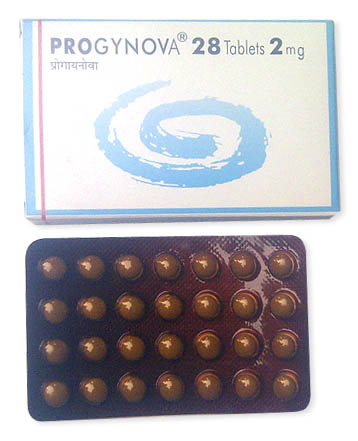
Contraception provides women with the ability to plan pregnancies and take control of their reproductive health. Various contraceptive methods are available in Canada to suit different lifestyles and preferences. Whether you're looking for hormonal or non-hormonal options, there are solutions tailored to your needs.
Birth control pills remain one of the most popular contraceptive methods in Canada. Combination pills containing estrogen and progestin work by preventing ovulation. Common brands available include Yasmin, Yaz, Alesse, and Diane-35. These pills are taken daily and offer effectiveness rates of 91–99% when used correctly. Many women appreciate the additional benefits like reduced acne and lighter periods.
Beyond the pill, women can choose from patches, rings, injections, and intrauterine devices (IUDs). The NuvaRing releases hormones directly into the bloodstream, while the contraceptive patch offers weekly dosing. Depo-Provera injections provide three months of protection with a single shot. Hormonal IUDs like Mirena release hormones locally and can last up to seven years.
For women who prefer to avoid hormones, copper IUDs like Paragard offer excellent long-term protection without systemic hormone exposure. Condoms remain the only method that also protects against sexually transmitted infections. Barrier methods and fertility awareness techniques provide additional alternatives for those seeking hormone-free contraception.
A healthy menstrual cycle typically lasts 21 to 35 days, with bleeding lasting three to seven days. Tracking your cycle helps you understand your body better and identify any irregularities. Many women experience premenstrual syndrome (PMS) symptoms including bloating, mood changes, and breast tenderness in the days before their period.
Dysmenorrhea, or period pain, affects many women and can range from mild to severe. Over-the-counter pain relievers like ibuprofen (Advil, Motrin) and naproxen (Aleve) are effective when taken at the first sign of cramping. Prescription options like mefenamic acid provide stronger relief for those with moderate to severe pain. Heat therapy and regular exercise also help alleviate discomfort.
Menorrhagia, characterized by excessive menstrual bleeding, can be managed through various approaches. Tranexamic acid (Lysteda) reduces heavy bleeding by up to 50% and is taken only during your period. Hormonal birth control methods, particularly the hormonal IUD, can significantly decrease bleeding. Iron supplements may be recommended to address anemia caused by heavy periods.
Irregular menstrual cycles can result from stress, hormonal imbalances, thyroid disorders, or polycystic ovary syndrome (PCOS). Birth control pills help regulate cycles and make periods more predictable. Consulting with a healthcare provider helps identify underlying causes and appropriate treatment options.
Hormonal fluctuations occur throughout a woman's life, particularly during puberty, pregnancy, and perimenopause. These changes affect mood, energy levels, skin health, and overall well-being. Tracking symptoms and discussing concerns with your healthcare provider helps manage hormonal health effectively.
Perimenopause, the transition to menopause, typically lasts 4 to 10 years and involves fluctuating hormone levels. Women experience hot flashes, night sweats, mood changes, and sleep disturbances. Menopause officially occurs after 12 consecutive months without a period, usually around age 51 in Canada.
Hormone replacement therapy helps manage moderate to severe menopausal symptoms. Estrogen and progesterone medications come in pills, patches, gels, and creams. Popular options include Estrace, Premarin, and transdermal patches. HRT is most effective when started during perimenopause and continued as needed for symptom management.
Many women prefer lifestyle approaches including regular exercise, stress reduction, dietary adjustments, and adequate sleep. Plant-based supplements like black cohosh and red clover may provide mild symptom relief. Staying hydrated and maintaining a healthy weight support overall well-being during hormonal transitions.
Women face increased risk of osteoporosis after menopause due to declining estrogen levels. Adequate calcium and vitamin D intake throughout life builds strong bones. Canada's recommended daily calcium intake is 1,000–1,200 mg for adult women, available through dairy products, leafy greens, and supplements.
For women with low bone density, bisphosphonates like alendronate (Fosamx) and risedronate (Actonel) slow bone loss and reduce fracture risk. These medications require specific administration instructions to ensure proper absorption. Regular bone density screening helps identify osteoporosis and guide treatment decisions.
Heart disease remains a leading cause of death among Canadian women. Maintaining healthy blood pressure, cholesterol levels, and weight reduces cardiovascular risk. Regular aerobic exercise for at least 150 minutes weekly significantly improves heart health. A heart-healthy diet rich in fruits, vegetables, and whole grains supports cardiovascular wellness.
Managing blood pressure becomes increasingly important for women's long-term health. ACE inhibitors, beta-blockers, and other antihypertensive medications help prevent heart disease and stroke. Lifestyle modifications including reduced sodium intake, regular exercise, and stress management complement medication therapy.
Sexual health is an important aspect of overall well-being. Women may experience changes in libido related to hormonal fluctuations, medications, or relationship factors. Open communication with partners and healthcare providers helps address concerns and explore solutions.
Low sexual desire and difficulty with arousal can be addressed through various approaches. Hormonal treatments may help in some cases, while counselling and relationship therapy benefit others. Lubricants and moisturizers improve comfort during intercourse and are available over-the-counter in Canada.
Vaginal dryness commonly occurs during perimenopause and menopause. Over-the-counter vaginal moisturizers provide ongoing hydration, while lubricants offer temporary relief during intercourse. Vaginal estrogen creams and tablets like Estrace and Vagifem provide localized hormone therapy for moderate to severe dryness.
Urinary tract infections (UTIs) affect many women and can be prevented through adequate hydration and proper hygiene. The following measures help reduce UTI risk:
Antibiotics prescribed by your healthcare provider treat active UTIs, with common options including nitrofurantoin and trimethoprim-sulfamethoxazole.
Women planning pregnancy benefit from preconception health optimization. Prenatal vitamins containing folic acid reduce neural tube defects and should begin before conception. Maintaining healthy weight, managing stress, and avoiding smoking improve fertility outcomes.
During pregnancy, prenatal vitamins like Prenatal Plus and Vita Gummies provide essential nutrients for fetal development. Folic acid, iron, calcium, and DHA support healthy pregnancy progression. Regular prenatal appointments monitor maternal and fetal health throughout all three trimesters.
After delivery, women require support for physical recovery and emotional well-being. Postpartum vitamins replenish nutrients depleted during pregnancy and support breastfeeding. Addressing postpartum depression and anxiety through counselling and medication when needed protects maternal mental health.
Breastfeeding provides optimal nutrition for infants and offers health benefits for mothers including reduced disease risk. Over-the-counter lanolin and hydrogel pads ease common breastfeeding discomforts. Consulting with lactation specialists helps resolve feeding challenges and establish successful breastfeeding routines.