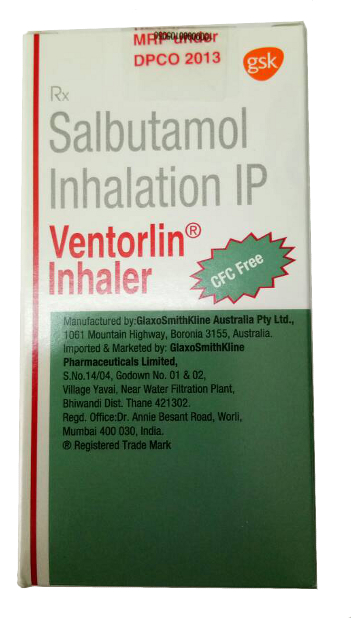
Asthma is a chronic respiratory condition that affects millions of Canadians. It occurs when the airways in the lungs become inflamed and narrowed, making it difficult to breathe. The condition can develop at any age, though it often begins in childhood. Understanding asthma is the first step toward effective management and improved quality of life.
The causes of asthma vary from person to person. Some people develop asthma due to genetic factors, while others may develop it after exposure to environmental triggers. Common triggers include allergens like pollen, dust mites, and pet dander, as well as irritants such as smoke and pollution. Cold air, exercise, and emotional stress can also provoke asthma symptoms in susceptible individuals.
Recognizing asthma symptoms is crucial for early diagnosis and treatment. Common signs include wheezing, shortness of breath, chest tightness, and persistent coughing, particularly at night or during physical activity. Symptoms can range from mild to severe, and some people experience symptoms only occasionally, while others deal with them daily. If you notice these signs, consult a healthcare provider for proper evaluation and diagnosis.
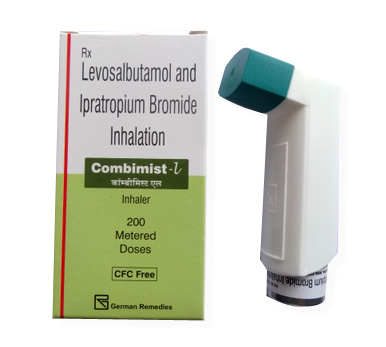
Managing asthma effectively requires understanding the two main types of medications available in Canada. Reliever medications, also known as rescue inhalers, provide quick relief during asthma attacks. Controller medications are used daily to prevent symptoms and reduce airway inflammation over time.
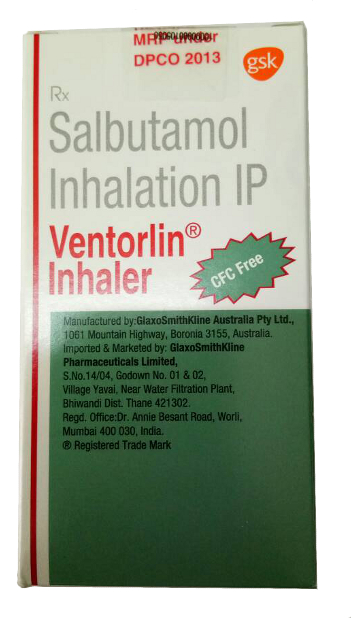
Reliever inhalers contain short-acting beta-2 agonists like salbutamol (Ventolin, Asmol) and terbutaline (Bricanyl). These medications work by relaxing the muscles around the airways, allowing them to open and making breathing easier within minutes. Most people with asthma carry a reliever inhaler with them at all times for emergency use. If you find yourself using your reliever more than three times per week, it may indicate that your asthma is not well-controlled and you should speak with your doctor.
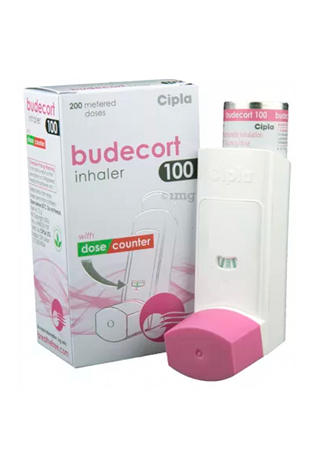
Controller medications are taken regularly, usually once or twice daily, even when you feel well. Inhaled corticosteroids like fluticasone (Flovent) and budesonide (Pulmicort) reduce inflammation in the airways. Combination inhalers containing both corticosteroids and long-acting beta-2 agonists, such as Seretide and Symbicort, offer convenient twice-daily dosing. Leukotriene modifiers like montelukast (Singulair) provide an alternative for some patients. Long-acting bronchodilators and theophylline are other options available in the Canadian market for specific patient needs.
A personalized asthma action plan is essential for managing your condition effectively. Your healthcare provider will work with you to create a plan that outlines your daily medications, identifies your personal asthma triggers, and provides clear instructions on what to do if symptoms worsen. This plan serves as your roadmap for asthma management and should be reviewed at least annually or when your symptoms change.
Your asthma action plan typically divides your condition into three zones:
Regular monitoring helps track your asthma control over time. Peak flow meters measure how quickly you can exhale air from your lungs, providing valuable information about your airway function. Keeping a symptom diary helps identify patterns and triggers. Many Canadians benefit from regular check-ups with their healthcare provider, typically every three to six months, to assess whether their current medication regimen is working effectively and to make adjustments as needed.
Identifying your personal asthma triggers is fundamental to reducing symptom frequency and severity. While triggers vary among individuals, common ones include allergens, exercise, weather changes, infections, and exposure to irritants. Once you identify your specific triggers, you can take steps to minimize exposure and better manage your condition.
Environmental modifications can significantly reduce asthma symptoms. For those allergic to dust mites, using mattress and pillow covers, washing bedding in hot water weekly, and maintaining low humidity levels help reduce exposure. Pet owners with asthma should consider keeping pets out of bedrooms and using air purifiers. Maintaining good indoor air quality by avoiding smoke, using exhaust fans during cooking, and managing mould growth creates a healthier environment.
Outdoor triggers such as high pollen counts, air pollution, and cold air can be managed by checking daily pollen forecasts, wearing masks during high pollution days, and covering your mouth and nose during exercise in cold weather. Understanding your triggers empowers you to make informed decisions about activities and environments, allowing you to enjoy a more active lifestyle while keeping your asthma well-controlled.
Using your inhaler correctly is vital for effective medication delivery to your lungs. Many people don't use their inhalers properly, which reduces their effectiveness. Learning and maintaining correct technique ensures you receive the full benefit of your medications. Your pharmacist or healthcare provider can demonstrate proper technique and answer questions.
For metered-dose inhalers (MDIs), shake the canister before use, breathe out completely, place the mouthpiece in your mouth, press down while breathing in slowly and deeply, and hold your breath for ten seconds. Spacers or holding chambers make MDIs easier to use and improve medication delivery, especially for children and older adults. These devices attach to your inhaler and hold the medication in a chamber, allowing you to inhale it at your own pace.
Dry powder inhalers (DPIs) like Ellipta and Turbuhaler require a quick, strong inhalation to draw the powder into your lungs. Always check your inhaler's specific instructions, as different types have varying techniques. Regular practice and periodic reviews of your technique with your healthcare provider ensure optimal medication delivery and better asthma control.
Knowing when to seek medical care is important for your safety and well-being. While most asthma symptoms can be managed at home with your reliever inhaler, certain situations require professional medical evaluation or emergency care. Understanding these warning signs helps you respond appropriately to changes in your condition.
Seek urgent medical attention if your reliever inhaler doesn't relieve your symptoms within fifteen minutes, if you experience difficulty speaking due to shortness of breath, if your lips or fingernails turn blue, or if your peak flow readings drop significantly. These signs indicate a severe asthma attack that requires immediate professional care. Always call emergency services (911) if you suspect a life-threatening asthma attack.
Schedule an appointment with your doctor if your asthma symptoms increase in frequency, if you're using your reliever more than three times weekly, or if you experience new or worsening symptoms. Regular check-ups allow your healthcare provider to adjust your treatment plan, ensure your medications remain appropriate, and address any concerns. In Canada, pharmacists are valuable resources for asthma education and can provide guidance on medication use, technique, and symptom management between doctor visits.