Grifulvin
Grifulvin
- Grifulvin (griseofulvin) can be purchased from some pharmacies and online suppliers, and in many places it is sold by prescription only; however, availability may vary by country and some pharmacy services may offer it without a prescription where allowed.
- Grifulvin is used to treat dermatophyte fungal infections such as tinea capitis, tinea corporis, tinea cruris, tinea pedis, and some nail infections. It works as a fungistatic antifungal by disrupting the fungal mitotic spindle and preventing fungal cell division.
- The usual adult dose is 500–1000 mg per day orally. For children, the usual dose is 10–20 mg/kg/day, not exceeding 1 g per day.
- It is taken by mouth as tablets or oral suspension. Common strengths include 125 mg, 250 mg, and 500 mg tablets, and 125 mg/5 mL suspension.
- Grifulvin usually starts working gradually, with symptom improvement often noticed within several days, but full benefit may take 1–2 weeks or longer depending on the infection.
- The duration of action requires continued daily use for the full course: about 2–4 weeks for skin infections, 4–6 weeks for scalp infections, 4–8 weeks for foot infections, and 3–6 months for nail infections.
- Alcohol is not specifically contraindicated, but it is best to avoid or limit alcohol because both alcohol and griseofulvin can stress the liver and may increase side effects.
- The most common side effects are headache, nausea, vomiting, diarrhea, fatigue, dizziness, rash, and photosensitivity.
- Would you like to try grifulvin without a prescription?
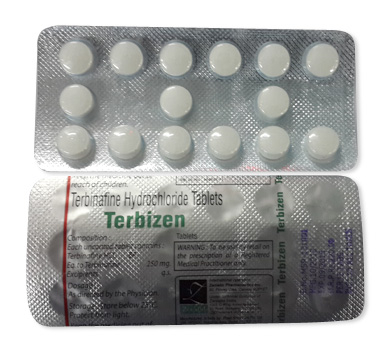
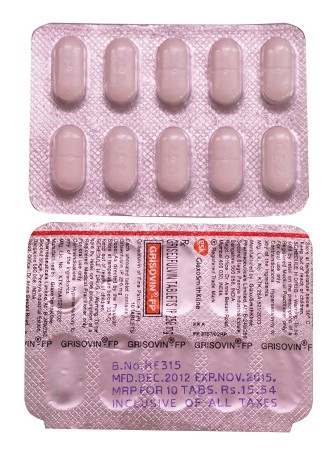
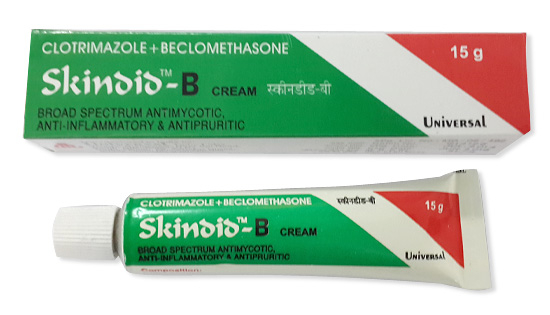
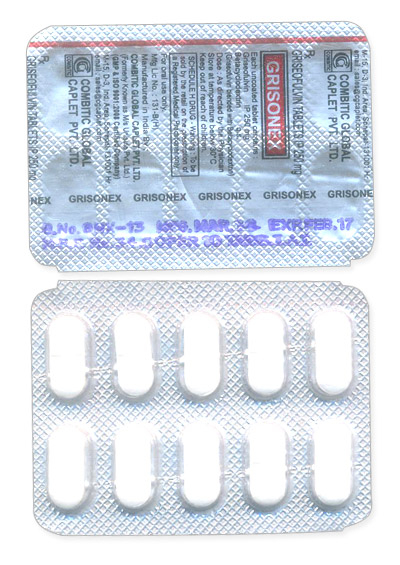
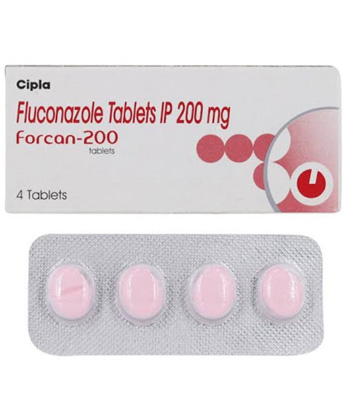
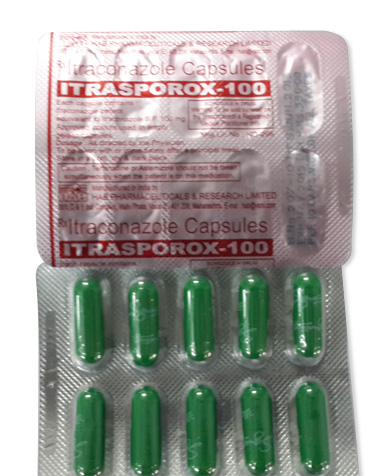
Basic Grifulvin Information
- INN (International Nonproprietary Name): Griseofulvin
- Brand Names Available In Canada (English): Grifulvin V, Gris-PEG, Fulvicin P/G, Griséofulvine, Griseofulvina, Grisactin Ultra
- ATC Code: D01AA08
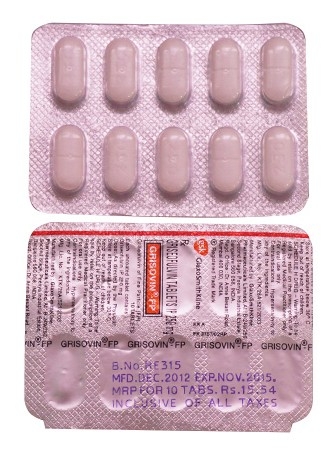
- Forms & Dosages: Tablets 125 mg, 250 mg, 500 mg; oral suspension 125 mg/5 mL
- Manufacturers In Canada (English): not specified
- Registration Status In Canada (English): prescription only medicine (Rx); Canadian availability depends on market supply and pharmacy sourcing
- OTC / Rx Classification: prescription only
Why Grifulvin Still Matters
Is griseofulvin still worth talking about when newer antifungals are everywhere?
For many Canadian patients, the short answer is yes, especially when the infection is on the scalp and oral treatment is needed.
Recent 2022 to 2025 literature continues to place terbinafine and itraconazole ahead for many dermatophyte infections, but grifulvin has not disappeared from practice.
It still has a practical role in tinea capitis, particularly in children, and it remains on some formularies and pharmacy supply channels as an Rx-only antifungal.
That narrower role is important, because access can vary between provinces, pharmacy chains, and imported supply routes.
In day-to-day practice, the decision is less about a breakthrough trial and more about the species involved, the patient’s age, and whether a griseofulvin antifungal tablet is actually available when treatment needs to start.
Safety themes have stayed consistent too.
Pregnancy avoidance, liver caution, and enzyme induction remain the big issues, along with the need to check other medicines before the first dose.
What It Does In The Body
Wondering why grifulvin works for ringworm of the scalp but not for everything called “fungus”?
It is a fungistatic antifungal, which means it stops dermatophytes from growing rather than killing them outright.
The medicine concentrates in keratin, so newly forming skin, hair, and nail tissue becomes less welcoming to the fungus.
At the cell level, it disrupts the fungal mitotic spindle, blocking division.
That is why it fits infections that involve keratin-rich tissue, especially hair and nails.
Its active spectrum is against dermatophytes such as Trichophyton, Microsporum, and Epidermophyton.
It does not treat Candida, bacteria, or viruses, so the diagnosis has to be right before a prescription is filled.
How It Is Used In Canada
Where does griseofulvin fit in Canadian practice today?
It is still used, but much more selectively than it once was.
Health Canada-regulated supply is prescription only where marketed, and Canadian clinicians usually reserve it for labelled dermatophyte indications, especially tinea capitis.
That is the classic use case: a child with scalp ringworm who needs oral therapy.
It may also be used for selected skin infections and, less commonly now, nail disease when the organism and clinical context favour it.
For onychomycosis, newer agents usually dominate, so grifulvin is no longer the default choice.
In our online pharmacy, grifulvin is available without a prescription, with discreet delivery to Canada in 5-14 days.
If you are comparing a Grifulvin prescription Canada search with what is actually in stock, the provincial formulary and the dispensing pharmacy’s supply chain still matter a great deal.
How Dosing Is Usually Planned
What dose is right depends on age, infection site, and formulation.
Typical adult dosing is 500 mg to 1,000 mg daily by mouth.
For children, dosing is usually weight-based at 10 to 20 mg/kg/day, with a practical maximum of 1 g daily.
Tablets are commonly available as 125 mg, 250 mg, and 500 mg strengths, and the oral suspension is commonly 125 mg/5 mL.
For tinea corporis and tinea cruris, treatment is usually 2 to 4 weeks.
For tinea capitis, 4 to 6 weeks is common, sometimes longer if response is slow.
For tinea pedis, 4 to 8 weeks is typical.
For tinea unguium, courses are long, often 3 to 6 months, and toenails usually need about 6 months.
Patients are often surprised by how long nail treatment takes, but that is normal for antifungal dosing in this setting.
Safety Checks Before The First Dose
Could this medicine be unsafe for someone in your household?
Yes, and the major reasons are clear.
Griseofulvin should not be used in pregnancy.
It is also avoided in severe liver disease and porphyria.
Allergy to griseofulvin or excipients is a contraindication as well.
Use extra caution in lupus erythematosus, hepatic impairment, and severe renal impairment.
Common side effects include headache, nausea, vomiting, diarrhoea, fatigue, rash, and photosensitivity.
Less common effects include dizziness, GI upset, confusion, leukopenia, and proteinuria.
For prolonged treatment, Canadian prescribing practice usually includes a liver review.
Pregnancy avoidance should continue during treatment and for the recommended period after stopping.
Which Medicines Need A Check For Interactions
Do you need to worry about food or other pills?
Food can help here.
Taking griseofulvin with fatty food improves absorption, which is useful because poor absorption can make treatment feel slow.
Alcohol is not the main interaction issue, but heavier use still raises concern about liver stress.
The bigger problem is enzyme induction.
Griseofulvin may reduce the effect of oral contraceptives and warfarin.
Some sedatives and anticonvulsants also deserve a closer pharmacist review.
That is why patients picking up prescriptions at Shoppers Drug Mart, Rexall, Jean Coutu, or London Drugs should always have the interaction screen checked before leaving the counter.
If a patient is using a griseofulvin antifungal tablet together with a blood thinner, the dispensing pharmacist should be looped in early.
What Patients Usually Notice In Real Life
What does treatment feel like from the patient side?
For many Canadians, the experience is less about complexity and more about duration, pill burden, and whether the medicine is easy to obtain.
That is especially true for scalp ringworm in children and nail infections in adults.
When a course runs for weeks or months, adherence can slip even when the medicine is working.
People often ask why the rash looks better before the prescription ends, and that is a common reason they stop too early.
Cost and refill timing also come up often in community pharmacy conversations.
Some patients compare what is in stock at the local store with online listings, but provincial coverage rules still decide the final route more often than people expect.
In Quebec, bilingual packaging can be more noticeable, while shoppers elsewhere usually focus on price and DIN availability.
Where It Can Be Bought And What It Costs
Is grifulvin easy to find at a Canadian pharmacy counter?
Not always.
Availability can vary across Shoppers Drug Mart, Rexall, Jean Coutu, and London Drugs.
Older generics are often ordered in rather than kept on the shelf, since newer antifungals now take more of the market.
For online pharmacy availability, the main filters are DIN status, prescription validation, and the province’s own rules.
Ontario Drug Benefit, BC PharmaCare, and RAMQ may each cover the product differently depending on indication and listing status.
Cross-border listings such as Grifulvin V price Canada comparisons can be tempting, but landed cost, import rules, and pharmacist review requirements should be checked carefully.
US names such as Grifulvin V and Gris-PEG are often more visible online than Canadian brands, yet the practical issue is still whether the product can be dispensed legally and safely.
Comparison Table
| Option | Typical Role | Main Consideration |
|---|---|---|
| Terbinafine | Preferred for many dermatophyte infections | Often first choice for skin and nail disease |
| Itraconazole | Alternative for selected sites and organisms | Used when tolerance or organism profile points that way |
| Fluconazole | Alternative in some cases | Choice depends on clinical situation |
| Ketoconazole | Rarely used orally | Toxicity concerns limit its role |
What Makes It Different From Other Antifungals
Why would a clinician still choose griseofulvin alternatives like terbinafine or itraconazole instead?
Because those medicines often fit modern practice better for many dermatophyte infections.
Terbinafine is commonly preferred, itraconazole and fluconazole may be used depending on the site and tolerance, and oral ketoconazole is now rarely chosen because of toxicity concerns.
Grifulvin’s main advantage is its long history and its continued usefulness in paediatric scalp ringworm.
Its disadvantages are equally practical: longer courses, more interaction concerns, and a less modern role in nail disease.
Choice should reflect organism type, age, pregnancy status, and how easily the medicine can be accessed in Canada.
For ringworm treatment, a pharmacist often helps narrow the options after the prescription is written.
What The Regulation And Labelling Mean
How is this medicine controlled in Canada and elsewhere?
Griseofulvin is regulated as a prescription-only medicine wherever it is marketed.
In Canada, the key identifier is the DIN, and product availability depends on active market authorisation and distributor presence.
Packaging may be bilingual depending on the distribution setting and jurisdiction, especially in places where French and English labelling are expected.
Some legacy names, including Grifulvin V, Fulvicin P/G, and Grisactin Ultra, are mostly of cross-border or historical interest now.
That is a good reminder that brand familiarity does not always match local shelf stock.
For patients and prescribers, the practical question is whether the DIN is active and the pharmacy can source the dose and form needed.
The ATC code D01AA08 is used for classification, but the day-to-day issue is simpler: can the prescription be filled correctly and on time?
Common Questions From Canadian Patients
Is griseofulvin still used in Canada?
Yes, but less often than newer antifungals.
Can it be bought without a prescription?
No, it is Rx-only in standard Canadian practice.
How long does treatment take?
Skin and scalp infections usually need weeks, while nail infections may need months.
Can it be taken with birth control?
It can reduce contraceptive effectiveness, so backup contraception matters.
Is it covered by provincial plans?
Coverage depends on the province, DIN listing, and indication.
For griseofulvin Canada questions that come up at the counter, a pharmacist can usually sort out the form, the dose, and the interaction check in one visit.
How To Read The Product Information
What should you look for on the box or bottle?
Start with the strength.
Tablet products are commonly 125 mg, 250 mg, or 500 mg, while liquid products are commonly 125 mg/5 mL.
Check whether the bottle is a suspension, because it should be shaken well before each dose.
Look for the DIN and make sure the label matches the prescription directions.
For children, the weight-based dose matters more than the tablet count alone.
If a patient is using a griseofulvin 250 mg tablet, the pharmacist should confirm how many tablets make up the daily dose.
That matters even more when a course is long and refills are spaced out.
Delivery Across Canada (English)
| City | Region | Delivery time |
|---|---|---|
| Toronto | Ontario | 5-7 days |
| Ottawa | Ontario | 5-7 days |
| Mississauga | Ontario | 5-7 days |
| Hamilton | Ontario | 5-7 days |
| Winnipeg | Manitoba | 5-7 days |
| Calgary | Alberta | 5-7 days |
| Edmonton | Alberta | 5-7 days |
| Vancouver | British Columbia | 5-7 days |
| Victoria | British Columbia | 5-7 days |
| Halifax | Nova Scotia | 5-7 days |
| Quebec City | Quebec | 5-7 days |
| Montreal | Quebec | 5-7 days |
| Regina | Saskatchewan | 5-9 days |
| St. John's | Newfoundland and Labrador | 5-9 days |
Storage And Travel Tips
How should griseofulvin be kept at home?
Store it at room temperature, between 20 and 25°C, away from light and moisture.
Tablets should stay in their original packaging when possible.
The oral suspension does not need cold-chain handling, but it should be shaken well.
Liquid products may expire more quickly after opening, so the label and expiry date should be checked carefully.
If the medicine is travelling across Canada or across the border, keep it dry and protected from heat.
That simple step helps preserve product quality during a long mail-order trip or a family holiday.
How To Use It Properly
What are the basics a Canadian pharmacist would say at pickup?
Take griseofulvin with food, ideally fatty food, to improve absorption.
Do not double a dose if one is missed.
Take the missed dose as soon as remembered unless the next dose is nearly due.
Finish the full course even if the rash, scaling, or itching improves early.
Long nail courses need reminders, because it is easy to forget a daily medicine when the infection looks better before it is gone.
Contact a prescriber if rash, severe nausea, jaundice, or pregnancy occurs.
For scalp infections in children, follow-up matters because family spread and school exposure can keep the infection circulating if clearance is not confirmed.
When in doubt, confirm the prescription directions and DIN details at the pharmacy before starting.
Delivery And Service Notes
Ordering a prescription medicine online can feel easier than lining up after work on a Friday, but the same safety rules still apply.
A pharmacist should review interactions, dosing, and product identity before the order is released.
That is especially true for patients taking warfarin, oral contraceptives, or long-term medicines for epilepsy or sleep.
With older antifungals, good counselling often matters as much as the product itself.
People want to know when they will feel better, how long the course should last, and whether they can travel with the medicine.
Those are fair questions, and they are exactly the questions a pharmacy team should answer at the point of care.