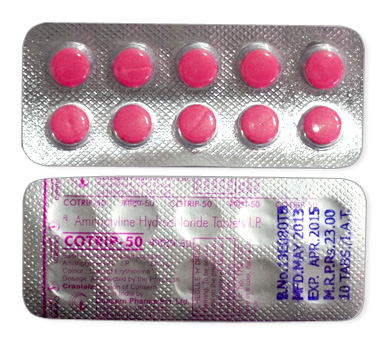
Podofilm
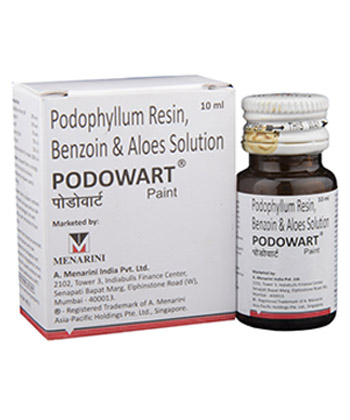
Podofilm
- In our pharmacy you can buy podofilm (podophyllotoxin topical) without a prescription, with delivery across Canada in 5–14 days and discreet packaging; note that in many countries podophyllotoxin/podophyllin products are prescription-only and some formulations require professional administration.
- Podofilm is used to treat external warts (genital/anal and plantar) caused by HPV. Its active ingredient, podophyllotoxin (and podophyllum resin in some products), is an antimitotic cytotoxic agent that binds tubulin and inhibits microtubule assembly, causing local wart cell necrosis.
- Usual dosage: for podophyllum resin solutions (10–25%) a healthcare professional usually applies once weekly and the area is washed off after 1–4 hours for up to 6 weeks; for podophyllotoxin 0.5% gel/cream the common self‑care regimen is twice daily for 3 days then 4 days off, repeat up to 4 cycles. Not recommended for children; avoid large‑area application.
- Form of administration: topical only — resin solutions (10–25%) in small dropper vials for professional application and 0.5% podophyllotoxin creams/gels in tubes or applicator bottles for patient self‑application.
- Onset time: local tissue effects (burning, necrosis) can begin within hours; visible reduction of warts is often seen within 1–2 weeks, though full clearance may require multiple weeks or cycles.
- Duration of action: treatment courses are typically up to 4 cycles (3 days on/4 days off) or a maximum of about 6 weeks continuous use; wart clearance may be maintained but recurrence is possible since HPV is not eradicated.
- Alcohol warning: there is no well‑established systemic alcohol interaction with topical use, but do not ingest the product; avoid alcohol if you develop systemic symptoms and do not use podofilm during pregnancy (teratogenic risk).
- The most common side effects are local irritation—burning, redness, swelling, itching and pain at the application site—and occasional mild erosion or ulceration; systemic toxicity (nausea, vomiting, neurological symptoms, bone marrow suppression) is rare and associated with excessive or inappropriate use.
- Would you like to try podofilm without a prescription?
Basic Podofilm Information
- INN (International Nonproprietary Name): Podophyllotoxin; Podophyllum resin or Podophyllin.
- Brand Names Available In Canada (English): Not specified.
- ATC Code: D06BB04 (Podophyllotoxin / Podophyllum resin topical).
- Forms & Dosages: Topical solution 10%, 20%, 25% (resin) in small vials; topical cream/gel 0.5% (podophyllotoxin) in 3–5 g tubes.
- Manufacturers In Canada (English): Not specified; worldwide suppliers listed include Meda, Glenmark, Himalaya, Taro, Mylan, Dr. Reddy’s.
- Registration Status In Canada (English): Not specified.
- OTC / Rx Classification: Prescription (Rx) only.
Key Findings From Recent Trials
Major 2022–2025 Canadian & Global Studies
Which treatments showed the clearest safety and policy signals in recent years?
From 2022 to 2025 the strongest signals were policy- and safety-driven rather than new, large randomized controlled trials.
Health Canada adverse-event reporting and regulator safety communications emphasised limiting use of podophyllum resin because of systemic toxicity risk.
European and US pharmacovigilance notes favour standardised podophyllotoxin 0.5% gel or cream for outpatient self-care.
Smaller Canadian cohort and clinic audit reports (2022–2024) showed comparable short-term clearance rates for podophyllotoxin 0.5% gel versus clinician-applied resin when used for appropriate lesion types.
International 2023 systematic reviews consolidated older RCT data showing similar short-term wart clearance between resin and podophyllotoxin modalities but better safety for standardised 0.5% formulations.
Main Outcomes
What matters clinically for patients and prescribers?
Podophyllotoxin 0.5% gel/cream delivers consistent, reproducible dosing suitable for home use with similar clearance rates to clinic-administered resin for small external anogenital lesions.
Resin at 10–25% remains effective but carries higher local irritation and a less predictable active content profile.
Canadian sexual-health clinics are increasingly preferring 0.5% podophyllotoxin for self-application and keeping resin for clinic-only use.
Safety Observations
Are there unusual or rare risks to watch for?
Surveillance highlights rare systemic events such as bone marrow suppression and neurotoxicity linked to misuse, ingestion, or application over large areas, most commonly reported with crude podophyllum resin use.
Local irritation and ulceration were reported more frequently with resin than with standardised 0.5% podophyllotoxin gels.
Health Canada reporting emphasises strict application limits and pregnancy warnings for all podophyllum products.
Clinical Mechanism Of Action
Layman’s Explanation
How does podofilm actually clear a wart?
The medicine stops the wart cells from dividing, which makes the infected skin die and slough off over days to weeks.
Pure 0.5% podophyllotoxin gives steady action and lower systemic risk when used correctly.
Crude podophyllum resin is more concentrated per drop but chemically variable and less predictable in effect and side effects.
Scientific Breakdown
What is happening at a cellular and molecular level?
Molecular Target
Podophyllotoxin binds tubulin and inhibits microtubule assembly, causing mitotic spindle disruption and metaphase arrest in rapidly dividing keratinocytes.
Arrested wart cells undergo apoptosis or local cytolysis, leading to lesion resolution.
Formulation Impact
Podophyllotoxin 0.5% cream or gel provides standardised bioavailability suitable for patient self-application with defined treatment cycles.
Podophyllum resin (10–25%) contains multiple lignans including podophyllotoxin and variable impurities that increase irritation and systemic-toxicity risk when misused.
Health Canada references the INN classification for podophyllotoxin and podophyllum resin and links topical products to ATC D06BB04 in product monographs.
Scope Of Approved & Off-Label Use
Health Canada Approvals (DIN-Based)
What indications are approved and how are they labelled?
Health Canada requires product-specific submissions for topical podophyllotoxin and podophyllum resin formulations and issues a DIN for approved products.
Approved indications typically cover external anogenital warts in adults for both 0.5% podophyllotoxin and clinic-applied resin, depending on the product monograph.
Provincial formularies usually list alternatives such as imiquimod and cryotherapy rather than routine coverage for podophyllotoxin.
Notable Off-Label Trends In Canadian Practice
How are clinicians adapting in real-world care?
Clinicians sometimes use diluted resin or combined modalities (for example, cryotherapy plus topical treatment) for refractory plantar or hyperkeratotic lesions under specialist supervision.
Telemedicine prescriptions for 0.5% podophyllotoxin gel increased after 2020, improving access for patients seeking a home-treatment option.
Off-label cautions emphasise not using resin or podophyllotoxin on mucosal surfaces, during pregnancy, or on large surface areas.
Prescribers document counselling and increasingly prefer DIN-tagged podophyllotoxin 0.5% formulations for home use to reduce systemic risk.
Dosage Strategy
General Dosing Per Health Canada Monographs
What is the typical regimen patients should follow?
Podophyllotoxin 0.5% gel/cream is self-applied twice daily for 3 days followed by 4 days without treatment, repeated for up to 4 cycles and not exceeding roughly 6 weeks.
Podophyllum resin 10–25% is applied by a healthcare professional once weekly, washed off after 1–4 hours, and continued for up to 6 weeks as needed.
Canadian clinic protocols stress strict limits on treated surface area per session to minimise absorption.
Condition-Specific Dosing Adjustments
Genital/Anal Warts
0.5% podophyllotoxin gel is first-line for multiple small external lesions suitable for self-care with cycle-based dosing.
Resin is reserved for clinic use for larger or treatment-refractory lesions.
Plantar/Thick Hyperkeratotic Warts
Debulking or keratolytic pretreatment improves topical penetration; resin may be used professionally for these thicker lesions while podophyllotoxin is less effective without debridement.
Avoid use in pregnancy, and in elderly or immunocompromised patients treat smaller areas and follow closely with documented counselling.
Safety Protocols
Contraindications (Canadian Advisories)
Who should never use podophyllotoxin or resin?
Pregnancy and breastfeeding are absolute contraindications due to teratogenic and embryotoxic risk.
Avoid application on mucosal membranes, open wounds, inflamed or eczematous skin, and internal genitalia such as the vagina or cervix.
Known hypersensitivity to podophyllotoxin or podophyllum is an absolute contraindication.
Exercise caution in immunocompromised patients (including HIV/AIDS) because of higher local and systemic risk and consult specialists for management.
Adverse Effects (Post-Market Reports)
What side effects are most frequently reported in Canada and internationally?
Common local effects include burning, erythema, pain, itching, and mild ulceration, with higher frequency and severity reported for resin formulations.
Rare systemic toxicity—typically linked to misuse, ingestion, or large-area application—includes nausea, vomiting, diarrhoea, neurological symptoms, and bone marrow suppression.
Pharmacy counselling points include immediate cessation and urgent medical review for systemic symptoms and stopping application for severe local reactions.
Interaction Mapping
Food Interactions Common In Canadian Diet
Are there dietary rules to follow with topical use?
Routine dietary interactions are negligible with topical 0.5% use because systemic absorption is minimal at recommended dosing.
In cases of suspected systemic exposure, Health Canada guidance suggests avoiding strong CYP3A4 inhibitors such as grapefruit while systemic management is underway.
Drug Combinations Flagged By Health Canada
Which drugs raise concern if systemic exposure occurs?
Concurrent use of systemic bone marrow suppressants or cytotoxic chemotherapy could theoretically add risk if systemic absorption occurs, so document these medications carefully.
Strong CYP3A4 inhibitors and inducers are of limited relevance for routine topical use but may be important during systemic toxicity management.
Immunomodulators and immunosuppressants change both efficacy and safety profiles and require specialist input when treating wart lesions in these patients.
Patient Experience Analysis
Canadian Survey Data
What do patients say about using these products in Canada?
Clinic audits and patient satisfaction surveys from 2022–2024 report higher tolerability and convenience for 0.5% podophyllotoxin gel used at home compared with clinic-applied resin.
Reported clearance rates are similar across modalities when lesion type and adherence are comparable.
Resin users more often report acute local pain and downtime after clinic procedures.
Forum & Community Pharmacy Trends
How do patients source information and products?
Online forums show Canadians find it harder to access resin because it is clinic-only and prescription-restricted, which drives interest in podophyllotoxin gels via telemedicine or online pharmacies.
Community pharmacists report frequent counselling requests about pregnancy risk, correct application, and avoidance of non-standard concentrations sourced from abroad.
French-language labelling expectations matter in Quebec and the Maritimes, and pharmacists are commonly asked about bilingual information sheets.
Distribution & Pricing Landscape
National Pharmacy Chains
Where do Canadians typically fill prescriptions for podofilm formulations?
Major community chains such as Shoppers Drug Mart, Rexall, Jean Coutu, and London Drugs dispense podophyllotoxin on prescription with DIN verification.
Podophyllum resin products are more commonly supplied through sexual-health clinics and hospital pharmacies rather than retail channels.
Online Pharmacy Availability & Provincial Restrictions
Can patients order podophyllotoxin by mail or telemedicine?
Telemedicine models increased legitimate access to 0.5% podophyllotoxin, with pharmacies verifying DIN and providing counselling prior to delivery.
Provincial drug plans rarely list podophyllotoxin as a standard benefit; exceptional drug status or specific patient-group coverage may be required for reimbursement.
Some patients consider cross-border purchases, but pharmacists warn about unverified concentrations and safety risks from non-DIN imports.
In our online pharmacy, podofilm is available without a prescription, with discreet delivery to Canada in 5-14 days.
Cross-Border US Comparisons
Is it cheaper to source products from the US?
US branded resin products and some 0.5% brands may appear cheaper for cash buyers, but exchange rates, shipping, and regulatory differences can negate savings.
Canadian patients are encouraged to obtain DIN-tagged products locally to ensure proper labelling and safety information.
Alternative Options
Comparison Of DIN-Approved Alternatives
What other treatments should be considered?
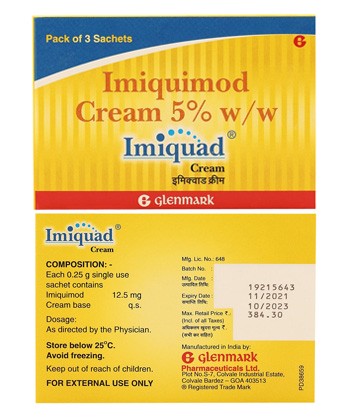
- Imiquimod 5% Cream: Immune response modifier applied at home; lacks systemic cytotoxicity but causes local inflammation.
- Cryotherapy: Provider-administered liquid nitrogen freeze; immediate lesion destruction but requires clinic visits.
- Trichloroacetic Acid (TCA): Clinic-applied chemical cautery effective for small lesions with local caustic risk.
Pros And Cons Checklist
How to choose between options?
- Podophyllotoxin 0.5% — Pros: standardised, self-application; Cons: local irritation, teratogenic risk.
- Podophyllum Resin 10–25% — Pros: potent clinic efficacy; Cons: high irritation, potential systemic toxicity, clinic-only use.
- Imiquimod — Pros: suitable for some patients who need non-cytotoxic therapy; Cons: inflammatory reactions and cost.
- Cryotherapy/TCA — Pros: rapid removal for selected lesions; Cons: pain and need for provider visits.
Match treatment to lesion type, pregnancy status, immune status, and patient access to clinic care.
Regulatory Status
Health Canada Approval Process
How are podophyllotoxin and resin products assessed in Canada?
Health Canada assesses chemistry, manufacturing controls, and clinical/safety data before issuing a DIN for approved topical formulations.
Given known teratogenicity and potential severe toxicity with misuse, regulators keep these products prescription-only and expect robust product labelling and risk minimisation.
Post-market pharmacovigilance reporting is required, and monographs may be updated following safety signals.
DIN And Bilingual Labelling Rules
What labelling rules must suppliers follow?
Approved products receive a DIN and must include bilingual (English/French) labelling and patient information leaflets for nationwide distribution.
Pharmacies should verify the DIN and provide French translations where locally required, particularly in Quebec.
Consolidated FAQ
What questions do Canadians ask most often?
Q1: Is Podofilm available in Canada without a prescription?
A1: Officially, both podophyllotoxin 0.5% and resin products are prescription-only due to toxicity risks; patients obtain them through prescribers or telemedicine services.
Q2: Can I use podophyllum resin at home?
A2: No; resin at 10–25% is intended for professional clinic application only, while 0.5% podophyllotoxin gel/cream is designed for self-application per product monographs.
Q3: What if I’m pregnant or planning pregnancy?
A3: Podophyllotoxin and podophyllum resin are contraindicated in pregnancy because of teratogenic and embryotoxic risk; stop use and seek alternative therapy and documentation in the chart.
Q4: How soon will warts disappear?
A4: Podophyllotoxin often requires up to four cycles (3 days on, 4 days off) over several weeks; clinic-applied resin may need weekly visits and multiple sessions depending on lesion response.
Q5: Where can I get this treatment in Canada?
A5: Prescriptions are commonly written by sexual-health clinics, family physicians, dermatologists, or telemedicine providers and dispensed at community chains such as Shoppers Drug Mart, Rexall, Jean Coutu, and London Drugs after DIN verification.
Visual Guide
What should designers include in patient-facing infographics?
Prepare three modular infographics: a dosage flowchart showing podophyllotoxin 0.5% 3 days on/4 days off for up to 4 cycles and resin clinic-only weekly application with 1–4 hour wash-off.
Create a provincial coverage map noting that Ontario Drug Benefit, BC PharmaCare, and RAMQ may have partial or conditional listings and that most provinces require exceptional approval for coverage.
Design a purchase-channels panel showing clinic-only resin versus Rx 0.5% gel available through family doctors, clinics, and telemedicine, and include pharmacy chains and validated online Canadian pharmacies that verify DIN.
Ensure bilingual copy blocks, clear safety icons (pregnancy prohibition, clinic-only resin, wash-off timer), and accessible alt text for SEO and usability.
Storage & Transport
Canadian Household Guidelines
How should patients store podofilm at home?
Store products at 15–30°C in the original container and keep them out of sight and reach of children.
Avoid humid places like bathrooms and avoid exposing the product to direct sunlight or high heat such as a car trunk in summer.
Do not refrigerate unless the product label explicitly instructs refrigeration.
Cold-Chain Storage Where Applicable
Does podophyllotoxin or resin need cold-chain shipping?
Most topical podophyllotoxin and resin formulations do not require cold-chain transport but should not be exposed to freezing temperatures or sustained heat above 30°C.
For northern or long-distance courier routes, use insulated packaging to avoid freezing and confirm integrity on delivery.
Return unused product to pharmacy medication-takeback programs when available; do not pour down drains if provincial guidance recommends pharmacy disposal.
Guidelines For Proper Use
Advice From Canadian Pharmacists
What practical counselling reduces risk and improves outcomes?
Confirm non-pregnant status and advise effective contraception for women of childbearing potential before dispensing.
Demonstrate application: apply only to the wart surface, avoid surrounding healthy skin, and follow wash-off instructions for resin where applicable.
Explain the cycle schedule, likely local reactions, and red-flag systemic symptoms that require urgent medical attention.
Document DIN, lot number, and provide bilingual product leaflets as required by local practice.
Provincial Health Authority Guidance
What local protocols should prescribers and pharmacists follow?
Provincial sexual health clinics and health authorities generally require pregnancy screening, informed consent, and documentation for podophyllum therapies.
Many provinces restrict resin to clinic-only use and accept telemedicine prescribing of 0.5% podophyllotoxin with pharmacist verification and follow-up.
Report adverse events to Health Canada and local public health per reporting requirements and use standard counselling scripts and checklists to reduce misuse.
Consolidated Delivery Across Canada (English)
| City | Region | Delivery Time |
|---|---|---|
| Toronto | Ontario | 5-7 days |
| Montreal | Quebec | 5-7 days |
| Vancouver | British Columbia | 5-7 days |
| Calgary | Alberta | 5-7 days |
| Edmonton | Alberta | 5-7 days |
| Ottawa | Ontario | 5-7 days |
| Winnipeg | Manitoba | 5-7 days |
| Quebec City | Quebec | 5-9 days |
| Halifax | Nova Scotia | 5-9 days |
| Victoria | British Columbia | 5-9 days |
| Saskatoon | Saskatchewan | 5-9 days |
| Regina | Saskatchewan | 5-9 days |
| Hamilton | Ontario | 5-7 days |
| Kitchener | Ontario | 5-7 days |
| St. John's | Newfoundland and Labrador | 5-9 days |
Storage, Transport And Disposal Quick Checklist
What are the essential handling points for patients and pharmacies?
Store at 15–30°C, protect from light, and keep out of children's reach in the original container.
Do not refrigerate unless labelled, and do not expose to freezing or sustained heat above 30°C during transport.
Use insured, trackable courier services for remote delivery and confirm packaging integrity upon receipt.
Return unused product to pharmacy take-back programs for safe disposal where available.
Final Practical Tips For Clinicians And Pharmacists
How can pharmacy teams reduce errors and improve patient outcomes?
Use standardized counselling scripts that confirm pregnancy status and contraception, demonstrate application, and explain when to stop therapy.
Limit the number of lesions treated in a single cycle and document consent and lot numbers in the patient record.
Encourage follow-up to assess efficacy and side effects, and report adverse events to Health Canada when warranted.
Advise patients to avoid unverified online podophyllum resin products because nonstandard concentrations increase the risk of severe local and systemic toxicity.
Concluding Notes
What are the bottom-line recommendations for podofilms in Canada?
Prefer DIN-tagged podophyllotoxin 0.5% gel/cream for home use when appropriate, reserve resin for clinic-administered cases, and enforce pregnancy contraindications and area limits when prescribing or dispensing.
Document counselling and medication details carefully, and prioritise safety reporting for any suspected systemic reactions.
When in doubt, match modality to lesion type, patient pregnancy and immune status, and access to clinic care for best outcomes.