
Minoxidil
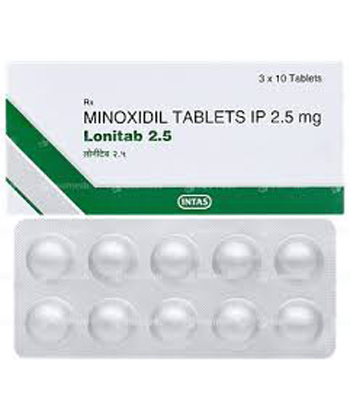
Minoxidil
- In Canada, minoxidil can be purchased over the counter without a prescription at pharmacies, drugstores, and reputable online retailers. Oral minoxidil is prescription-only.
- Minoxidil is used for androgenetic alopecia (pattern hair loss) and, in oral form, for severe hypertension. It works by opening potassium channels and helping to widen blood vessels; when used on the scalp, it prolongs the hair growth phase and may increase blood flow to hair follicles.
- The usual dose for hair loss is a topical 2% or 5% solution or foam, typically 1 mL applied to the scalp twice daily for men, and 2% solution or foam once or twice daily for women. Oral minoxidil doses for hypertension are usually 2.5 mg to 10 mg daily, only as prescribed.
- It is administered as a topical solution, foam, lotion, or gel for hair loss, and as an oral tablet for hypertension.
- Minoxidil usually begins to show early signs of effect in about 2 to 4 months, although some people may notice reduced shedding earlier.
- For hair loss, minoxidil must be used continuously to maintain results; the effect lasts only while treatment is continued. Maximum benefit is often seen after about 12 months.
- There is no direct alcohol interaction known for topical minoxidil, but alcohol may worsen dizziness or low blood pressure with oral minoxidil. It is best to avoid heavy alcohol use if you are taking the oral form.
- The most common side effects are scalp irritation, itching, dryness, flaking, and initial hair shedding. Some people may also develop unwanted facial or body hair growth.
- Would you like to try minoxidil without a prescription?
Basic Minoxidil Information
- INN (International Nonproprietary Name): Minoxidil
- Brand names available in Canada (English): Rogaine; Regaine; Kirkland
- ATC Code: D11AX01
- Forms & dosages: Topical Solution/Foam 2%, 3%, 5%, 7.5%; Oral tablets 2.5 mg, 5 mg, 10 mg; Topical Gel/Lotion 5%, 10%
- Manufacturers in Canada (English): Upjohn (Pfizer/Kenvue for Rogaine); Perrigo; Apotex; Bausch & Lomb; Watson Labs
- Registration status in Canada (English): Widely used as a topical solution or foam for hair loss; oral minoxidil is Rx only
- OTC / Rx classification: Topical minoxidil OTC (2%, 5%); oral minoxidil Rx only
Minoxidil For Hair Loss: What The Newer Evidence Shows
Major Canadian And Global Studies
What The Newer Trials Add
Is minoxidil still worth starting in 2025 if hair shedding has already been going on for months?
For androgenetic alopecia, the answer remains yes.
Across 2022 to 2025, the overall picture still supports minoxidil Canada searches from both pharmacy-led self-care and specialist dermatology clinics.
Topical 2% to 5% products remain the familiar first-line hair regrowth treatment, while low-dose oral use continues to expand globally in specialist hands.
The supplied product data also notes 62 registered clinical trials and ongoing generic growth, which helps explain why Rogaine Canada and other minoxidil brands remain so widely visible.
Main Outcomes
The newer studies keep showing the same practical themes patients care about most: more hair density, less shedding, and slow but steady improvement.
Initial results often appear in 2 to 4 months, while the maximum effect is usually seen around 12 months.
That timeline matters when a patient expects a dramatic change after a few weeks and feels disappointed too early.
In real life, the person who stays consistent usually does better than the person who keeps switching products.
Safety Observations
Safety findings have stayed fairly consistent as well.
Adverse effects remain dose-related, especially with oral use.
Local irritation, initial shedding, and hypertrichosis are the recurring themes with topical minoxidil and minoxidil foam.
For many people, Rogaine 5% foam is still preferred because it is easier to apply and less messy than liquid.
How Minoxidil Works In The Scalp And Follicles
Layman’s Explanation
Worried that your hair is “too far gone” for treatment?
Minoxidil helps wake up resting follicles and can prolong the growth phase, which is why hair regrowth is possible even when thinning has been present for a while.
It does not cure hair loss, though, so continuous use is required to keep the gains.
Scientific Breakdown
Follicle-Level Effects
At the follicle level, minoxidil appears to promote vasodilation and follicular stimulation, with possible potassium-channel involvement.
That is why minoxidil topical solution and minoxidil foam are used directly on the scalp rather than taken casually like a vitamin.
Available topical strengths in the supplied data include 2%, 3%, 5%, and 7.5%.
Why Response Varies
Results vary by sex, stage of hair loss, adherence, and scalp condition.
Someone with early thinning and good daily use may respond better than someone with more advanced loss and poor consistency.
The ATC code D11AX01 also reflects how unique minoxidil is in dermatology, and the international brand landscape still includes Rogaine, Regaine, and many generics.
Approved Uses And Canadian Off-Label Trends
Health Canada Approvals And DIN-Based Use
In Canada, topical minoxidil is sold OTC, while oral minoxidil is prescription only.
That distinction matters because a product for hair loss treatment is not the same thing as a tablet used for hypertension.
DIN-labelled products, bilingual labelling, and pharmacy-channel sales are the norm in Canada, so patients should look for proper packaging when buying minoxidil topical products.
Notable Off-Label Trends In Canadian Practice
Low-Dose Oral Minoxidil
Low-dose oral minoxidil is increasingly used off-label for hair loss, but it is still formally approved for hypertension.
This is specialist-led care, not a casual substitute for topical products.
Oral minoxidil tablets may be discussed when scalp irritation makes topical therapy hard to tolerate, but the risk-benefit conversation needs to be careful.
Who Typically Uses It
Men with androgenetic alopecia commonly ask about Rogaine 5% foam, while women often ask whether the best minoxidil for women Canada is the 2% product or a better-tolerated 5% option.
Across Canada, patients usually hear about minoxidil at Shoppers Drug Mart, Rexall, Jean Coutu, or London Drugs before they ever reach a specialist clinic.
For patients ordering online, our online pharmacy offers minoxidil without a prescription, with discreet delivery to Canada (English) in 5-14 days.
Dosing Strategy, Strengths, And Regimen Planning
General Dosing Per Product Monographs
What strength should someone actually start with?
The supplied data lists topical solution and foam strengths of 2%, 3%, 5%, and 7.5%, with oral tablets available in 2.5 mg, 5 mg, and 10 mg.
Standard topical packs are often 60 mL bottles or 60 g foam cans, which is useful when comparing minoxidil price and how long a bottle will last.
Condition-Specific Dosing Adjustments
Androgenetic Alopecia In Men
For men, the usual standard is 5% topical solution or foam, 1 mL, twice daily.
That is the classic minoxidil 5% routine many Canadian pharmacies counsel on.
Androgenetic Alopecia In Women
For women, 2% topical is standard, although some products use 5% depending on tolerability and product instructions.
It is usually applied 1 to 2 times daily, again depending on the exact formulation.
Practical Adherence Tips
Missed doses should not be doubled.
If a dose is forgotten, the next one should be used when remembered unless it is almost time for the next application.
Because response is assessed over several months, the habit matters more than any short-term tweak.
Many patients find minoxidil foam easier to keep up with than a dripping solution, especially on busy weekday mornings.
Safety, Contraindications, And Monitoring
Contraindications And Precautions
Is minoxidil safe for everyone?
No medication is, and minoxidil has important precautions.
Known hypersensitivity is an absolute contraindication.
For topical use, scalp dermatoses such as psoriasis or severe eczema are also a concern.
For oral use, pheochromocytoma and severe heart disease are listed as absolute contraindications in the supplied data.
Extra caution is needed in pregnancy, breastfeeding, cardiovascular disease, renal or hepatic dysfunction, older adults, and children.
Adverse Effects And Post-Market Patterns
Common Local Effects
The most common local problems are scalp irritation, dryness, flaking, itching, and early shedding.
That early shed can be alarming, but it is a common pattern with hair loss treatment and does not always mean the product is failing.
Systemic Concerns
With oral minoxidil tablets, the more important concerns are increased heart rate, dizziness, swelling, weight gain, and hypotension.
Those effects are much more serious than the usual cosmetic complaints people mention about minoxidil topical products.
Canadian Monitoring Lens
In Canadian practice, pharmacist counselling should be paired with medical review if cardiovascular symptoms appear.
Oral minoxidil should not be treated like a routine cosmetic purchase.
That is especially true for patients with arrhythmia, angina, or a history of fluid retention.
Interactions: Food, Drugs, And Real-World Cautions
Food Interactions In Canadian Diets
Topical minoxidil has minimal food interaction concerns.
For oral minoxidil, alcohol deserves caution because it may worsen dizziness or blood-pressure lowering.
A patient who already feels light-headed after a drink is not the right candidate for casual oral use.
Drug Combinations Flagged In Practice
Blood-pressure medicines, other vasodilators, and any agent that increases orthostatic symptoms can add to the risk.
Combination use with finasteride is not a pharmacokinetic issue, but it is common in hair loss treatment plans that involve more than one agent.
Clinicians should also review other prescriptions carefully in patients with heart disease.
Patient Experience In Canada
What Patients Report Most Often
What do people complain about most once they start?
The most common themes are visible shedding early on, slow progress, and the need for long-term adherence.
Expectations matter because benefits usually start after 2 to 4 months and peak near 12 months.
A Friday-night order does not fix a six-month problem overnight, and that reality is part of good counselling.
Community Pharmacy And Forum Trends
Topical Preferences
Many users prefer foam because it is easier to apply, dries faster, and does not drip as much.
Men’s and women’s product lines from Rogaine and Regaine are especially familiar names in forums and pharmacy aisles.
Canadian Purchase Behaviour
In-store advice at Shoppers Drug Mart, Rexall, Jean Coutu, and London Drugs still matters because many shoppers want to compare a shelf product with an online option.
Bilingual packaging can increase confidence, especially when the label clearly matches the expected minoxidil topical solution or minoxidil foam strength.
People often ask a pharmacist before buying because they want to know whether the shedding phase is normal or whether they need a physician review first.
Distribution, Pharmacy Access, And Pricing In Canada
National Pharmacy Chains
How easy is it to find minoxidil in Canada?
Usually, quite easy.
Shoppers Drug Mart, Rexall, Jean Coutu, and London Drugs all commonly carry OTC topical products, often in 60 mL sizes.
Shelf visibility and counselling quality can differ by store, but the broad access is one reason minoxidil Canada remains such a common search term.
Online Pharmacy Availability And Provincial Realities
Online and in-store prices can differ, so it is worth comparing before buying.
Provincial plans such as Ontario Drug Benefit, BC PharmaCare, and RAMQ are usually less relevant for OTC topical minoxidil, but they can matter if a prescription product or related care is being billed.
Canadians also compare Rogaine Canada prices with US online and border-market pricing, and exchange rate, shipping, and returns often decide the final total.
Kirkland Minoxidil is another common comparison point because shoppers often look for value, but the packaging and legitimacy still need to be checked carefully.
Alternatives And When Minoxidil Is Not Enough
Comparison With Din Or Rx Alternatives
What if minoxidil does not move the needle enough?
Then treatment may need to broaden.
Common comparators include finasteride, dutasteride, topical anti-androgens such as alfatradiol, and spironolactone for women.
Those options may be better for some patients, but they are usually part of more specialist-driven care.
Pros And Cons Checklist
Why Minoxidil Stays First-Line
Minoxidil remains first-line because it is OTC in Canada, has a broad evidence base, and comes in many brand and generic forms.
Limitations
Continuous use is required, irritation can happen, and response is variable.
Combination Treatment Logic
When shedding is advanced or response is incomplete, dermatologist-guided combination treatment often makes more sense than simply switching between brands.
That is where hair regrowth treatment plans become more individualized.
Health Canada Regulatory Status And DIN Basics
Approval Pathway And Product Status
Topical minoxidil is widely regulated as an OTC hair-loss product in Canada, while oral minoxidil stays prescription only.
Elsewhere, the same ingredient is also recognised by major regulators such as the FDA, EMA, MHRA, TGA, and ANMDMR.
That broad regulatory footprint is one reason the product has remained so durable in global hair regrowth treatment markets.
DIN And Bilingual Labelling Rules
What A DIN Tells Patients
A DIN tells the patient that the product is a licensed drug product in Canada and helps confirm legitimacy.
Labelling In Canada
English and French labelling are standard expectations, and patients should verify packaging details before buying online.
Checking the strength, brand, and product type matters more than chasing the cheapest listing.
Canadian Patient Questions About Minoxidil
Typical Questions Answered
How long does minoxidil take to work?
Should foam or solution be used?
Can women use 5%?
What happens if it is stopped?
Is oral minoxidil safe for hair loss?
Practical Answers
Expect 2 to 4 months before early improvement and around 12 months for the maximum effect.
Foam is often preferred when convenience and less dripping matter most, while solution can still be the better fit for some people.
Women can use 5% in some products, but tolerability and the product monograph should guide the decision.
If treatment is stopped, the gains are usually lost over time.
Oral use for hair loss is off-label and should be supervised by a clinician.
Visual Guide Concepts For Canadian Readers
Infographic: Dosage And Timing
A simple dosage chart can show 1 mL topical use, 2% versus 5%, and morning and evening timing.
A timeline graphic can show weeks 1 to 8 for shedding, months 2 to 4 for early response, and month 12 for peak effect.
Infographic: Where To Buy
A second graphic can compare pharmacy chain shelves, clinic dispensing, and online options.
A small box on cross-border price comparisons with the US would help shoppers understand why minoxidil price varies so much.
Infographic: Coverage And Labelling
Another panel can show OTC topical versus Rx oral, plus DIN and bilingual packaging reminders.
Storage, Transport, And Household Handling
Canadian Storage Guidance
Where should minoxidil be kept at home?
Store it at room temperature, 15 to 30°C, away from heat, moisture, and light.
Keep bottles tightly closed.
Transport And Household Cautions
Flammability And Spill Risks
Topical solutions are flammable, so they should stay away from open flames, heaters, and hot cars.
Family Safety
Keep the product out of reach of children and pets.
Oral tablets and topical bottles should be stored separately so they are not confused during a rushed morning routine.
How To Use Minoxidil Properly In Canadian Practice
Pharmacist-Led Use Advice
Does technique really matter?
Yes, a lot.
Topical products should be applied to the scalp only, on a dry scalp, with hand-washing after use.
For many people, adherence matters more than brand, although foam can be easier to fit into a daily routine.
Provincial Health And Care Pathway Guidance
When To Self-Manage
For uncomplicated hair loss, OTC topical minoxidil fits routine self-care well.
When To Seek Medical Help
Persistent shedding, scalp inflammation, heart symptoms, pregnancy, or suspected scarring alopecia need medical assessment.
It is always worth confirming the diagnosis before committing to long-term treatment.
Brand And Sourcing Notes
Rogaine, Regaine, and generics such as Kirkland Minoxidil are common search terms, but Canadian legitimacy and DIN status should still be checked before purchase.
When in doubt, the safest next step is a pharmacist review rather than another guess at the shelf.
Delivery Across Canada (English)
| City | Region | Delivery Time |
|---|---|---|
| Toronto | Ontario | 5-7 days |
| Ottawa | Ontario | 5-7 days |
| Mississauga | Ontario | 5-7 days |
| Hamilton | Ontario | 5-7 days |
| London | Ontario | 5-7 days |
| Montréal | Québec | 5-7 days |
| Québec City | Québec | 5-7 days |
| Calgary | Alberta | 5-7 days |
| Edmonton | Alberta | 5-7 days |
| Winnipeg | Manitoba | 5-7 days |
| Vancouver | British Columbia | 5-7 days |
| Victoria | British Columbia | 5-7 days |
| Halifax | Nova Scotia | 5-9 days |
| Saskatoon | Saskatchewan | 5-9 days |
| St. John's | Newfoundland and Labrador | 5-9 days |
Final Takeaway For Canadian Shoppers
Minoxidil stays a practical first-line option for androgenetic alopecia because it is accessible, well studied, and familiar to Canadian pharmacists and dermatology clinics.
Topical products remain the safest starting point for most people, while oral minoxidil tablets belong in supervised care rather than casual self-treatment.
If you are comparing minoxidil Canada options, focus on the right strength, the right format, and a routine you can actually maintain.
That is usually the difference between giving up early and seeing meaningful hair regrowth over time.