
Ciprofloxacin
Ciprofloxacin
- Ciprofloxacin is a prescription-only antibiotic in most major markets, including Canada, and is commonly available through pharmacies under brand names such as Cipro, Ciproxin, Ciloxan, and Cetraxal. In some online pharmacy settings, it may be offered without a prescription.
- Ciprofloxacin is used to treat certain bacterial infections, including urinary tract infections, respiratory infections, gastrointestinal infections, prostatitis, and some severe infections. It is a fluoroquinolone that works by inhibiting bacterial DNA gyrase and topoisomerase IV, which stops bacteria from multiplying.
- The usual adult dose is 250–750 mg, taken twice daily, depending on the infection and severity.
- It is available as film-coated tablets, oral suspension, IV infusion, ophthalmic solution, and otic ear drops.
- Ciprofloxacin usually starts working within a few hours, although symptom improvement may take 1–2 days.
- The duration of action is generally about 12 hours, which is why it is commonly taken twice daily.
- Alcohol is not strictly contraindicated, but it is best to avoid or limit alcohol because it may worsen side effects such as dizziness, stomach upset, or dehydration.
- The most common side effects are nausea, diarrhoea, vomiting, abdominal pain, headache, dizziness, and rash.
- Would you like to try ciprofloxacin without a prescription?


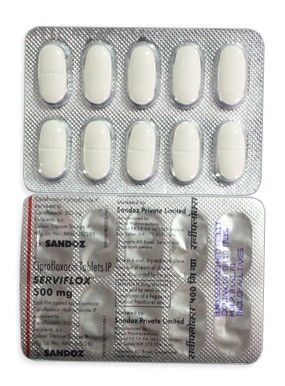
Ciprofloxacin In Canada: What Recent Evidence, Dosing, And Safety Mean For Patients
Is ciprofloxacin still a useful antibiotic in Canada, or has resistance made it a poor choice?
That is the question many patients ask after being prescribed Cipro or a generic ciprofloxacin product for a stubborn urinary infection, prostatitis, or a gut infection.
The short answer is that ciprofloxacin still has an important place, but it needs to be used carefully, usually when culture results or local susceptibility data support it.
In Canadian practice, that means more stewardship, more attention to renal function, and more caution about side effects than many people expect from a familiar tablet.
Basic Ciprofloxacin Information
- INN (International Nonproprietary Name): Ciprofloxacin
- Brand names available in Canada (English): Cipro, Cipro HC, Cetraxal, Ciloxan, and generic ciprofloxacin products
- ATC Code: J01MA02
- Forms & dosages: Film-coated tablets 100 mg, 250 mg, 500 mg, 750 mg; oral suspension 250 mg/5 mL and 500 mg/5 mL; IV infusion 200 mg/100 mL and 400 mg/200 mL; ophthalmic solution 0.3% (3 mg/mL); otic drops 0.2% to 0.3%
- Manufacturers in Canada (English): Bayer, Aurobindo, Teva, Fresenius Kabi, Hexal, Hikma, Mylan, and other generic suppliers
- Registration status in Canada (English): Prescription-only in major markets; Health Canada-authorised products are available through approved Canadian channels
- OTC / Rx classification: Rx only
Key Findings From Recent Trials And Resistance Trends
Are recent ciprofloxacin studies still positive enough to justify its use, or are we seeing the end of the road?
From 2022 to 2025, the theme in both Canadian and international ciprofloxacin studies has been narrower but still useful activity, not broad routine prescribing.
That matters because ciprofloxacin resistance has continued to rise in many E. coli and Pseudomonas aeruginosa isolates, which is why hospitals across Canada increasingly lean on antibiograms and culture-guided therapy.
When the organism is susceptible, ciprofloxacin can still be valuable, especially for oral step-down therapy after IV treatment.
That practical advantage is one reason pharmacists still see it used for complicated urinary tract infections, prostatitis, and some gastrointestinal infections.
Recent trial data and post-market surveillance also continue to reinforce the fluoroquinolone stewardship message.
The drug is not a casual first pick when narrower or safer options are available.
Canadian stewardship programs have been clear about this point for years, and current resistance trends support that approach.
In real life, that may look like a patient starting treatment after a urine culture shows susceptibility rather than being placed on ciprofloxacin empirically on a Friday evening “just in case.”
Safety findings have not softened either.
Tendon injury, CNS effects, QT concerns, and rarer severe reactions remain part of the class profile, so the benefit has to outweigh the risk.
For patients, the take-home message is simple: ciprofloxacin can still work well, but only when the target bug and the clinical setting justify it.
Major 2022–2025 Canadian And Global Studies
Many newer ciprofloxacin studies have focused less on proving that the drug exists and more on where it still fits best.
That includes oral step-down regimens, complicated urinary tract infections, prostatitis, and selected gastrointestinal infections where a susceptible Gram-negative organism is involved.
Canadian data fit the same pattern seen internationally.
Once susceptibility drops, the drug becomes a narrower tool, not a routine solution.
Main Outcomes
The best-supported benefit remains good oral bioavailability paired with useful Gram-negative coverage when the isolate is susceptible.
That is why a patient can sometimes leave hospital on tablets instead of needing continued IV therapy.
Safety Observations
Trial and post-market data continue to reinforce class risks.
Tendon injury, dizziness, confusion, GI upset, and QT-related caution remain important, especially in older adults and people with other risk factors.
Clinical Mechanism Of Action
Have you ever wondered why ciprofloxacin works so well for some bacterial infections but not others?
It works by stopping bacteria from copying their DNA properly.
In plain language, it interferes with bacterial repair and duplication, which can stop growth or kill susceptible bacteria.
This is why ciprofloxacin is part of the fluoroquinolone antibiotic class.
Its main targets are bacterial DNA gyrase and topoisomerase IV.
Those enzymes are essential for DNA replication.
Once they are blocked, the bacteria cannot multiply normally.
That mechanism helps explain why ciprofloxacin has been especially useful against many Gram-negative organisms.
It is one reason clinicians have relied on it for urinary infections, gastrointestinal infections, and some respiratory infections, including coverage for Pseudomonas in selected settings.
For patients, the mechanism does not just sound scientific; it explains why the medicine can fail when the organism is resistant.
If the bacteria no longer respond at the DNA gyrase or topoisomerase IV level, the tablet may not do the job.
DNA Gyrase And Topoisomerase IV
These two bacterial enzymes are the core targets of ciprofloxacin.
Because they are central to DNA replication, blocking them can make the antibiotic especially active against many Gram-negative organisms.
Why It Matters Clinically
That mechanism is why ciprofloxacin remains useful in difficult-to-treat infections when susceptibility is confirmed.
It also explains why stewardship matters so much: using it broadly accelerates resistance and reduces future usefulness.
Scope Of Approved And Off-Label Use
What is ciprofloxacin actually approved for, and where do Canadian specialists use it more selectively?
In Canada, ciprofloxacin is prescription-only and sold under products such as Cipro and various generic formulations with Health Canada-authorised DINs.
Common forms include tablets, oral suspension, IV infusion, ophthalmic solution, and otic drops.
Standard uses include urinary tract infection, complicated UTI, pyelonephritis, lower respiratory infection, prostatitis, gastrointestinal infection, and post-exposure anthrax prophylaxis.
Canadian specialists may also use it selectively when susceptibility and clinical need justify it, especially where oral options are limited.
That is where access matters for patients.
In our online pharmacy, ciprofloxacin is available without a prescription, with discreet delivery to Canada in 5-14 days.
Even so, safe use still depends on a proper diagnosis, the right dose, and a medication review for interactions.
Health Canada Approvals
Approved Canadian products are tied to specific product monographs and DINs.
That framework supports traceability, labelling, and post-market safety monitoring.
Notable Off-Label Trends In Canadian Practice
Off-label use is more likely to appear in specialist care than in routine community prescribing.
When it is used that way, the reason is usually confirmed susceptibility or limited oral alternatives.
Dosage Strategy
How much ciprofloxacin is enough, and when does the dose need to change?
Adult dosing commonly ranges from 250 mg to 750 mg twice daily, depending on the infection site and severity.
Typical durations run from 3 to 7 days for uncomplicated infections and up to 14 days or longer for complicated disease.
For patients with prostatitis, the course is longer, often 2 to 4 weeks.
A pharmacist will also look closely at kidney function before confirming a dose.
That matters because ciprofloxacin is not a “one strength fits all” antibiotic.
A 250 mg tablet may be enough for one urinary infection, while 500 mg or 750 mg twice daily may be needed for a more serious problem.
Patients often ask whether the stronger tablet is “better.”
The better question is whether it matches the infection, the culture result, and the renal dose.
Common Adult Regimens
- UTI: 250 mg to 500 mg twice daily
- Complicated UTI or pyelonephritis: 500 mg to 750 mg twice daily
- Prostatitis: 500 mg to 750 mg twice daily for 2 to 4 weeks
- Gastrointestinal infection: 500 mg twice daily
- Anthrax post-exposure: 500 mg twice daily for 60 days
Special Populations
Children need specialist, weight-based dosing and are not routine candidates.
Older adults may need lower doses because renal function declines with age.
For creatinine clearance under 30 mL/min, longer intervals are commonly used.
Hepatic impairment usually does not require adjustment, but severe cases still need monitoring.
Safety Protocols
Is ciprofloxacin safe for everyone?
No antibiotic is risk-free, and ciprofloxacin has several well-known warnings.
It should not be used in patients with hypersensitivity to ciprofloxacin or other quinolone antibiotics, in people with a history of fluoroquinolone-related tendon disorders, or with tizanidine.
Canadian practice also treats myasthenia gravis, seizure risk, prolonged QT, and older age as important caution areas.
Common adverse effects include nausea, diarrhoea, vomiting, headache, dizziness, rash, and photosensitivity.
Those are the effects patients usually notice first.
The more serious safety signals are the ones pharmacists take seriously right away.
Tendonitis or tendon rupture, especially involving the Achilles tendon, remains an important class risk.
CNS toxicity, including confusion or hallucinations, can occur, particularly in older adults.
Myasthenia gravis can worsen.
Seizure risk is also a concern in predisposed patients.
Contraindications
- Known hypersensitivity to ciprofloxacin or other quinolones
- History of tendon disorders related to fluoroquinolone use
- Concomitant use with tizanidine
Common Side Effects
Most common reactions are digestive upset, headache, dizziness, sleep disturbance, and skin reactions.
Patients should also watch for new tendon pain, especially in the heel or shoulder, because that can signal a more serious problem.
Interaction Mapping
Can you take ciprofloxacin with breakfast, vitamins, or dairy?
That is one of the most common counselling questions in Canadian pharmacies.
Calcium-rich foods, dairy, fortified beverages, and mineral supplements can reduce absorption if taken too close to the dose.
In practice, multivitamins, calcium, iron, magnesium, and zinc are frequent real-world interaction issues.
That means a dose may not work as well if it is swallowed with a calcium supplement or an antacid.
Health Canada also flags a few high-risk combinations.
Tizanidine is a major contraindicated interaction.
Other concerns include QT-prolonging drugs, NSAIDs in seizure-prone patients, and anticoagulants that may need monitoring.
The usual pharmacy advice is simple: separate ciprofloxacin from antacids and mineral supplements by several hours.
If timing is complicated, a pharmacist can help build a schedule that makes sense for the patient’s routine.
Food Interactions Common In Canadian Diet
Dairy, calcium-fortified beverages, and mineral supplements are the most frequent absorption problems.
That includes the kinds of products many Canadians take daily without thinking twice.
Drug Combinations Flagged By Health Canada
Tizanidine is the major one to avoid.
Other combinations need review, especially when QT risk, seizures, or anticoagulation are part of the picture.
Patient Experience Analysis
What do patients like about ciprofloxacin, and what frustrates them?
Canadian patients often value the convenience of oral dosing and the chance to avoid IV therapy.
That can make a big difference for someone trying to stay at work or care for family while recovering.
At the same time, patient experiences often include concern about side effects, especially tendon pain, dizziness, and stomach upset.
In community pharmacy, the questions are usually practical.
People want to know when to take it, whether food is allowed, and how to handle supplements.
They also ask about brand versus generic packaging, especially when a prescription is filled at a different pharmacy than usual.
Missed doses and early stopping are common adherence issues.
Another frequent problem is taking the medicine with calcium or iron and then wondering why the infection did not improve as expected.
Good counselling usually fixes that quickly.
What Patients Ask Pharmacists
The most common questions are about timing, food, and supplement spacing.
Patients also want to know whether a generic ciprofloxacin product is the same as the brand they heard about online.
Adherence Issues
Missed doses, stopping early once symptoms improve, and confusion between package strengths are all common.
That is why pharmacists spend time on clear, plain-language instructions.
Distribution And Pricing Landscape
Where do Canadians usually get ciprofloxacin, and what affects the price?
In Canada, ciprofloxacin is typically available by prescription through major pharmacies such as Shoppers Drug Mart, Rexall, Jean Coutu, and London Drugs, although stock can vary by province and wholesaler supply.
Online ordering may be available through licensed Canadian pharmacies, but dispensing still requires a valid prescription and provincial rules apply.
Pricing can be lower than U.S. retail, but the final cost depends on the product, the province, generic availability, and dispensing fees.
Public coverage may help eligible patients through programs such as Ontario Drug Benefit, BC PharmaCare, and RAMQ, depending on the formulation and benefit status.
For many patients, the practical question is not only “Can I get it?” but “Can I get it quickly?”
That is why stock and delivery timelines matter, especially when treatment should start promptly after the prescription is issued.
National Pharmacy Chains
Large Canadian chains and independent pharmacies generally carry ciprofloxacin when demand and wholesaler supply allow.
Provincial Coverage
Coverage varies by province and eligibility status.
Ontario Drug Benefit, BC PharmaCare, and RAMQ may cover eligible formulations under the usual benefit rules.
Alternative Options
Is ciprofloxacin the best choice, or just one option among several?
Canadian prescribers often compare fluoroquinolones and non-fluoroquinolone alternatives before choosing therapy.
Levofloxacin is another common comparator and may have more activity against some respiratory pathogens.
Moxifloxacin has broader Gram-positive coverage.
Norfloxacin and ofloxacin are older, narrower fluoroquinolones.
The best substitute depends on the infection, the organism, and local susceptibility.
When a safer narrow-spectrum option will do the job, ciprofloxacin is less attractive because of class warnings and resistance concerns.
That balance is exactly why stewardship matters.
Comparison Table Of Common Alternatives
| Medicine | Main Comparison Point | Typical Clinical Note |
|---|---|---|
| Levofloxacin | Respiratory coverage | More active against some respiratory pathogens |
| Moxifloxacin | Gram-positive coverage | Broader Gram-positive activity |
| Norfloxacin | Older fluoroquinolone | Narrower and less commonly used |
| Ofloxacin | Older fluoroquinolone | Similar class, generally narrower use |
Pros And Cons
- Pros: Strong oral bioavailability, useful Gram-negative activity, and step-down potential
- Cons: Class safety warnings, resistance issues, and interaction burden
Regulatory Status
Ciprofloxacin is regulated in Canada as a prescription antibiotic.
Market authorisation is tied to specific product monographs and DINs, which helps with traceability and counselling consistency.
Canadian products also generally follow bilingual labelling expectations in English and French.
That matters when patients are comparing packages or trying to confirm that a generic product matches what they were prescribed.
Post-market oversight can also affect availability and counselling.
Shortages, monograph changes, and safety updates may alter what a pharmacy can dispense in a given province.
For patients, the practical message is straightforward: the DIN, the label, and the pharmacist’s instructions matter just as much as the strength on the box.
Health Canada Approval Process
Product authorisation is linked to approved monographs and DINs.
That supports standardised labelling and monitoring after launch.
DIN And Bilingual Labelling Rules
Canadian products generally require English and French labelling.
That helps patients and caregivers confirm the medicine, the strength, and the directions.
Consolidated FAQ
What Is Ciprofloxacin Used For In Canada?
It is used for susceptible urinary tract infections, complicated UTI, pyelonephritis, prostatitis, some lower respiratory infections, gastrointestinal infections, and post-exposure anthrax.
Can I Take It With Dairy Or Vitamins?
Dairy, calcium, iron, magnesium, zinc, antacids, and multivitamins can reduce absorption if taken too close to the dose.
Spacing the doses by several hours is usually the safest approach.
How Long Does A Typical Course Last?
Uncomplicated infections often run 3 to 7 days.
Complicated infections can last up to 14 days or longer.
Prostatitis often needs 2 to 4 weeks, and post-exposure anthrax treatment can last 60 days.
What Side Effects Matter Most?
Nausea, diarrhoea, headache, dizziness, and rash are common.
The most important serious warnings are tendon pain or rupture, confusion, hallucinations, severe rash, and worsening muscle weakness in myasthenia gravis.
Is Generic Ciprofloxacin The Same As Cipro?
Generic ciprofloxacin contains the same active ingredient as brand-name Cipro, but the packaging and manufacturer may differ.
Patients should still follow the exact prescribed strength and directions.
Visual Guide
Would a quick chart make ciprofloxacin easier to understand?
That is often the case for patients comparing 250 mg, 500 mg, and 750 mg tablets or figuring out when eye drops or ear drops are used.
A dosing-by-condition chart can help show the usual tablet strengths and durations at a glance.
An interaction timing graphic is useful for calcium, iron, magnesium, and antacids.
A provincial coverage snapshot can help patients understand that public coverage depends on eligibility and province.
An access map can also show the difference between in-store dispensing and online ordering through licensed Canadian pharmacies.
For pharmacists, visual learning works best when it keeps the focus on practical use, not jargon.
Suggested Infographics
- Dosing by condition chart
- Interaction timing graphic
- Provincial coverage snapshot
- Pharmacy access map for in-store versus online dispensing
Storage And Transport
How should ciprofloxacin be stored at home?
Tablets and oral forms should be stored below 30°C in a dry place.
They should stay out of reach of children and should not be used past the expiry date.
Some IV solutions and suspensions may need refrigeration if the package insert says so, and they should be protected from light.
Ophthalmic and otic products often have limited post-opening use windows, commonly 14 to 28 days.
That means old eye drops in the medicine cabinet are not something to keep “just in case.”
If a patient is travelling, the same basic rules apply.
Keep the product dry, avoid heat, and check whether the specific form needs refrigeration.
Canadian Household Guidelines
Store tablets below 30°C in a dry place and check expiry dates regularly.
Cold-Chain Storage Where Applicable
Follow the package insert for suspensions and IV solutions.
Ophthalmic and otic products should be discarded after the stated post-opening period.
Guidelines For Proper Use
What is the safest way to take ciprofloxacin?
Take it exactly as prescribed.
Complete the course unless a prescriber tells you to stop.
Do not double a dose after a missed one.
Separate it from mineral supplements and antacids by several hours.
Seek urgent help for tendon pain, severe rash, confusion, hallucinations, or neurological symptoms.
If symptoms worsen, adverse effects appear, or kidney function changes, contact a prescriber or pharmacist promptly.
Canadian guidance continues to emphasise stewardship and culture-guided use.
That means ciprofloxacin should be used when indicated, not simply because it is familiar or convenient.
For many patients, the simplest counselling works best: take the dose on time, avoid absorption blockers, and report tendon or CNS symptoms early.
Advice From Canadian Pharmacists
Finish the prescribed course, avoid doubling missed doses, and watch for tendon or neurological symptoms.
Provincial Health Authority Guidance
Use ciprofloxacin only when indicated, ideally guided by culture and susceptibility results.
Reassess promptly if symptoms do not improve or if renal function changes.
Delivery Across Canada (English)
| City | Region | Delivery Time |
|---|---|---|
| Toronto | Ontario | 5-7 days |
| Ottawa | Ontario | 5-7 days |
| Mississauga | Ontario | 5-7 days |
| Hamilton | Ontario | 5-7 days |
| London | Ontario | 5-7 days |
| Montreal | Quebec | 5-7 days |
| Quebec City | Quebec | 5-7 days |
| Calgary | Alberta | 5-7 days |
| Edmonton | Alberta | 5-7 days |
| Winnipeg | Manitoba | 5-7 days |
| Vancouver | British Columbia | 5-7 days |
| Victoria | British Columbia | 5-7 days |
| Halifax | Nova Scotia | 5-7 days |
| Saskatoon | Saskatchewan | 5-9 days |
| St. John’s | Newfoundland and Labrador | 5-9 days |
Final Takeaway On Ciprofloxacin
Ciprofloxacin still has a place in Canadian care, but it is a targeted one.
When the organism is susceptible and the indication is right, it can be an effective oral option with strong bioavailability.
When resistance, interactions, or safety concerns are present, it is often better to choose something else.
That is the modern reality of fluoroquinolone stewardship.
If you are comparing ciprofloxacin 500 mg products, reviewing ciprofloxacin interactions, or trying to understand whether a generic will work the same as Cipro, the safest next step is usually a pharmacist review.
That small check can prevent a lot of trouble later.