
Clarithromycin
Clarithromycin
- In our pharmacy, you can buy clarithromycin without a prescription, with delivery across Canada in 5–14 days and discreet bilingual (EN/FR) packaging.
- Clarithromycin is used to treat respiratory tract infections, skin and soft‑tissue infections, Helicobacter pylori (as part of combination therapy) and some mycobacterial infections; it is a macrolide antibiotic that inhibits bacterial protein synthesis by binding to the 50S ribosomal subunit (23S rRNA), inhibiting bacterial growth.
- Usual doses: adults 250–500 mg every 12 hours (500 mg twice daily for many indications and for H. pylori regimens); pediatric dosing ~7.5 mg/kg twice daily (max ~500 mg per dose); extended‑release formulations are often 500 mg once daily. Reduce dose by 50% if creatinine clearance <30 mL/min; use caution in hepatic impairment.
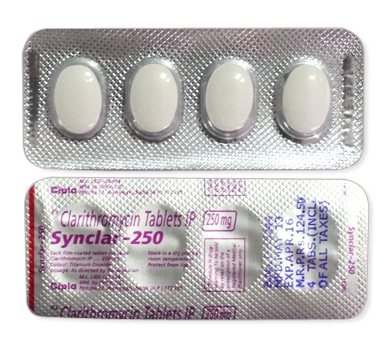
- Oral administration: film‑coated tablets (250 mg, 500 mg), extended‑release tablets (500 mg), powders/granules for suspension and pediatric oral suspension (125 mg/5 mL, 250 mg/5 mL).
- Onset time: clarithromycin reaches peak blood levels in about 2–3 hours; clinical symptom improvement is commonly noticed within 48–72 hours of starting therapy.
- Duration of action: immediate‑release dosing is typically every 12 hours; extended‑release formulations provide once‑daily coverage (~24 hours); elimination half‑life is roughly 3–7 hours; typical treatment courses are 5–14 days (longer for mycobacterial therapy or specific regimens).
- Alcohol warning: avoid heavy alcohol use while taking clarithromycin — alcohol can worsen gastrointestinal side effects and increase liver strain; exercise caution if you have hepatic impairment.
- The most common side effect is gastrointestinal upset (nausea and diarrhea); other frequent effects include taste disturbance (metallic taste), headache, rash and reversible elevated liver enzymes.
- Would you like to try clarithromycin without a prescription?
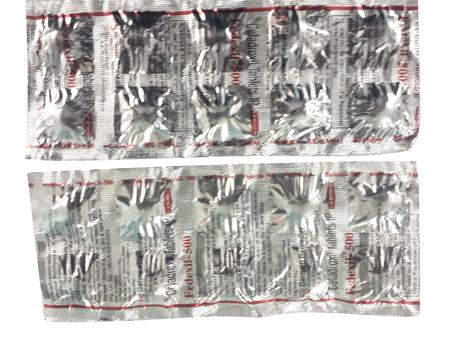
Basic Clarithromycin Information
- INN (International Nonproprietary Name): Clarithromycin.
- Brand Names Available In Canada (English): Biaxin, Biaxin XL.
- ATC Code: J01FA09 (Macrolides, lincosamides, and streptogramins).
- Forms & Dosages: Film-coated tablets 250 mg and 500 mg; extended-release tablets 500 mg; powder/granules for oral suspension 125 mg/5 mL and 250 mg/5 mL; paediatric suspension options 125 mg/5 mL and 250 mg/5 mL.
- Manufacturers In Canada (English): Marketed brands include Abbott/AbbVie (Biaxin), with generics available from suppliers such as Sandoz, Taro, KRKA and other generic manufacturers.
- Registration Status In Canada (English): Health Canada DIN registered; English/French bilingual packaging is compulsory.
- OTC / Rx Classification: Prescription-only (Rx) in Canada.
Key Findings From Recent Trials
Major 2022–2025 Canadian & Global Studies
Clinicians ask whether clarithromycin still works reliably for H. pylori and respiratory infections.
Recent research synthesis from 2022–2025 shows reduced empiric eradication success where local clarithromycin resistance is above ~15%.
Canadian surveillance networks and international meta-analyses reported lower H. pylori eradication rates with clarithromycin-based triple therapy compared with bismuth or non-clarithromycin regimens in high-resistance settings.
Pragmatic trials in Europe and Asia (2023–2025) support tailored therapy guided by susceptibility testing rather than universal clarithromycin use.
Randomised data on newer packaged combinations remain limited, so local laboratory guidance matters more than brand choice such as Biaxin or generic clarithromycin.
These trends affect prescribing for community respiratory infections where macrolide resistance and local patterns are relevant.
Main Outcomes
Primary outcomes across trials were H. pylori eradication rates and clinical cure for respiratory infections.
Where clarithromycin resistance is high, eradication with clarithromycin triple therapy often falls below acceptable thresholds compared with bismuth quadruple or resistance-guided regimens.
Studies noted that susceptibility-guided approaches improved eradication compared with empiric clarithromycin use.
Respiratory infection outcomes depended on local macrolide resistance in common pathogens; this changed relative utility between clarithromycin 250 mg, clarithromycin 500 mg, and azithromycin.
These results support using local resistance surveillance when choosing clarithromycin-containing regimens.
Safety Observations
Safety-focused cohort analyses continued to examine cardiovascular risks and QT-prolongation signals.
Aggregate evidence shows a small absolute excess cardiac risk in patients with underlying cardiovascular disease or where significant drug–drug interactions exist.
Health Canada product monographs and DIN-labelled Biaxin/Biaxin XL include contraindications and interaction warnings because of CYP3A inhibition and QT concerns.
Stewardship measures now recommend assessing cardiac comorbidity and concomitant QT-prolonging drugs before prescribing clarithromycin.
Clinical Mechanism Of Action
Layman’s Explanation
People often want a plain-language answer: clarithromycin stops bacteria from making essential proteins so the infection clears more easily.
The medicine concentrates in tissues and inside cells, which helps against respiratory germs and some intracellular organisms.
Clarithromycin oral suspension and tablets work the same way, adjusted for age and weight using labelled strengths such as clarithromycin 250 mg and clarithromycin 500 mg.
Scientific Breakdown
Clarithromycin binds the 50S ribosomal subunit and inhibits peptidyl transferase and translocation during protein synthesis.
It is bacteriostatic at typical doses but may be bactericidal against certain organisms at higher concentrations.
An active metabolite, 14-hydroxy-clarithromycin, contributes to activity against Helicobacter pylori and atypical mycobacteria.
Pharmacokinetics: oral film-coated tablets and extended-release formulations and suspensions achieve good tissue penetration.
Clarithromycin is a moderate CYP3A inhibitor, so interactions with statins and many other CYP3A substrates are clinically important.
Renal impairment and hepatic dysfunction require dose adjustments and monitoring according to product monographs.
Scope Of Approved And Off-Label Use
Health Canada Approvals (DIN-Based)
Approved indications include community-acquired respiratory tract infections, skin and soft-tissue infections, H. pylori combination therapy, and some mycobacterial infections per Health Canada monographs.
Standard adult dosing is 250–500 mg every 12 hours, with extended-release options such as Biaxin XL 500 mg once daily for certain indications.
Paediatric dosing uses weight-based suspension at 7.5 mg/kg twice daily up to 500 mg per dose as listed in Health Canada information.
Products carry DIN numbers and bilingual packaging for Canada.
Notable Off-Label Trends In Canadian Practice
Off-label uses observed in practice include treatment of atypical mycobacterial infections and alternative therapy for penicillin-allergic patients with community-acquired pneumonia.
Empiric clarithromycin use for H. pylori has declined where local resistance data are available, favouring bismuth-based or susceptibility-guided regimens.
Hospital antimicrobial stewardship programs increasingly restrict clarithromycin outpatient prescribing and recommend susceptibility guidance for eradication protocols.
Prescribers must verify provincial drug plan listings such as Ontario Drug Benefit, BC PharmaCare and RAMQ for coverage and reimbursement.
Dosage Strategy
General Dosing Per Health Canada Monographs
Typical adult dosing is 250–500 mg every 12 hours for immediate-release tablets.
Extended-release clarithromycin XL 500 mg is used once daily for some indications when appropriate.
Paediatric suspension dosing is weight-based at 7.5 mg/kg twice daily, with a maximum single dose of 500 mg.
H. pylori combination regimens commonly use clarithromycin 500 mg twice daily as part of combination therapy.
Condition-Specific Dosing Adjustments
Respiratory infections typically require 5–7 days, and community-acquired pneumonia may extend to 7–14 days based on clinical response.
Skin and soft-tissue infections are usually treated for 7–10 days depending on severity and response.
Mycobacterial infections often require prolonged therapy such as clarithromycin 500 mg twice daily for months under specialist oversight.
Renal impairment with creatinine clearance below 30 mL/min requires a 50% dose reduction.
Extended-release formulations should be avoided in severe hepatic impairment and hepatic enzymes should be monitored when therapy is prolonged.
Safety Protocols
Contraindications (Canadian Advisories)
Absolute contraindications include known macrolide hypersensitivity and prior cholestatic jaundice or hepatic dysfunction attributed to clarithromycin.
Concomitant use with drugs contraindicated due to strong CYP3A4 interactions such as cisapride, pimozide and ergot derivatives is prohibited.
Caution is advised in pregnancy and breastfeeding; specialist consultation is recommended for these patients.
Health Canada product monographs for Biaxin and Biaxin XL list interaction and contraindication details.
Adverse Effects (Post-Market Reports)
Common adverse effects reported include gastrointestinal upset, nausea, diarrhoea and metallic taste.
Transient increases in liver enzymes have been observed and serious hepatotoxicity is rare but reported.
QT prolongation and torsades de pointes are rare but reported, particularly in patients with electrolyte disturbances, arrhythmias, or interacting medications.
Severe hypersensitivity reactions and rash are uncommon but important to recognise and report to MedEffect Canada with DIN and product name.
For long-term clarithromycin therapy, monitor hepatic function and consider ECG monitoring if cardiac risk factors exist.
Interaction Mapping
Food Interactions Common In Canadian Diet
Typical meals in Canada do not markedly affect clarithromycin absorption for immediate-release formulations.
High-fat meals can delay absorption of extended-release tablets, so follow label instructions for clarithromycin XL 500 mg regarding food.
Patients should be counselled to take the specific formulation as directed on the product monograph or package insert.
Drug Combinations Flagged By Health Canada
Clarithromycin is a moderate to strong CYP3A inhibitor and raises plasma levels of many substrates.
Contraindicated or high-risk combinations include simvastatin and lovastatin, certain benzodiazepines, amiodarone, dronedarone, and immunosuppressants such as tacrolimus and cyclosporine.
Combining clarithromycin with other QT-prolonging drugs (some antipsychotics and antiemetics) increases arrhythmia risk.
Proton pump inhibitors used in H. pylori regimens change gastric pH and are part of standard eradication co-therapy; follow established protocols when co-prescribing.
Pharmacists should obtain a complete medication list including OTCs and herbal products before dispensing clarithromycin.
Patient Experience Analysis
Canadian Survey Data
Patient surveys and pharmacy feedback from 2022–2025 highlight tolerability and convenience as main concerns.
Metallic taste and GI upset are commonly reported adverse effects that affect adherence to clarithromycin tablets and suspensions.
Once-daily extended-release options such as Biaxin XL can improve adherence for some patients compared with twice-daily dosing.
Patients increasingly ask about H. pylori susceptibility testing before starting clarithromycin-based eradication therapy due to awareness of clarithromycin resistance.
Forum And Community Pharmacy Trends
Community pharmacists across national chains report frequent patient questions comparing clarithromycin with azithromycin and about generic alternatives.
Pharmacies commonly stock generics from Sandoz, Taro and APO alongside brand Biaxin and Biaxin XL.
Pharmacists routinely screen for statin and antiarrhythmic co-use and liaise with prescribers when interactions are present.
Overall sentiment among patients is pragmatic, with preference for evidence-based prescribing that takes local resistance into account.
Distribution And Pricing Landscape
National Pharmacy Chains
Major retail chains such as Shoppers Drug Mart, Rexall, Jean Coutu and London Drugs stock brand and generic clarithromycin formulations.
Hospital formularies may list Biaxin or generic clarithromycin depending on procurement contracts and DIN listings.
Pricing varies by manufacturer and provincial procurement agreements, and formularies determine coverage in programs like ODB, BC PharmaCare and RAMQ.
Online Pharmacy Availability And Provincial Restrictions
Licensed Canadian online pharmacies dispense clarithromycin with a valid prescription according to provincial regulations and bilingual labelling rules.
In our online pharmacy, clarithromycin is available without a prescription, with discreet delivery to Canada (English) in 5-14 days.
Pharmacies may face seasonal stock issues for paediatric suspensions and recommend early refills or generic equivalents when appropriate.
Cross-Border US Comparisons
Retail prices in the United States can be lower for uninsured patients, but cross-border importation and prescription validity create complications.
Health Canada advises caution with unsupervised cross-border purchases due to differences in labelling, packaging and regulatory oversight.
Provincial formularies and DIN listings determine the supplier mix and negotiated pricing for Canadian markets.
Alternative Options
Comparison Of DIN-Approved Alternatives
Alternatives commonly used in Canada include azithromycin, doxycycline and erythromycin for respiratory or skin infections.
For H. pylori, bismuth quadruple therapy or levofloxacin-containing regimens are considered where clarithromycin resistance limits efficacy.
Choice of alternative depends on the infection, local resistance patterns, pregnancy status and comorbidities.
Pros And Cons Checklist
- Azithromycin: Once-daily dosing and good tolerability, but local resistance patterns differ from clarithromycin.
- Doxycycline: Broad spectrum and useful for atypicals and skin infections, but contraindicated in pregnancy and young children.
- Erythromycin: Older macrolide with more GI adverse effects than clarithromycin.
- Bismuth Quadruple Therapy: Preferred empiric H. pylori therapy in regions with high clarithromycin resistance.
Regulatory Status
Health Canada Approval Process
Clarithromycin products such as Biaxin and Biaxin XL are Health Canada-approved and assigned DINs after demonstrating quality, safety and efficacy.
Recent regulatory emphasis has focused on post-market surveillance of macrolide resistance and cardiac safety signals.
Product monographs include contraindications related to CYP3A interactions and previous clarithromycin-related hepatic dysfunction.
DIN And Bilingual Labelling Rules
Canadian regulations require bilingual English/French labelling and patient information leaflets for marketed products.
Prescribing remains prescription-only across Canadian provinces except where special access programs apply.
Healthcare professionals should consult current Health Canada product monographs and provincial formularies prior to prescribing.
Consolidated FAQ
- Is clarithromycin safe with my statin?
Many statins, including simvastatin and lovastatin, interact with clarithromycin due to CYP3A inhibition and are contraindicated; consult a prescriber or pharmacist about temporarily holding or switching the statin.
- Can I use clarithromycin for H. pylori without testing?
Empiric clarithromycin triple therapy is discouraged where local clarithromycin resistance exceeds about 15%; susceptibility-guided or bismuth quadruple therapy is preferred.
- What about heart risks?
QT prolongation and arrhythmia are rare but serious; inform the prescriber of any heart disease, electrolyte problems or QT-prolonging medications before starting clarithromycin.
- Is the paediatric suspension equivalent to tablets?
Yes; the paediatric suspension (125 mg/5 mL or 250 mg/5 mL) provides weight-based dosing at 7.5 mg/kg twice daily with appropriate measuring devices and storage instructions.
- Will provincial drug plans cover it?
Coverage depends on the province and specific formulary listing; pharmacists can check ODB, BC PharmaCare, RAMQ or private benefits for eligibility and alternatives.
Visual Guide
Patients and prescribers benefit from clear visuals summarising dosing, coverage and purchase channels.
Recommended visuals include a dosage infographic with adult dosing (250–500 mg BID and 500 mg ER options), paediatric weight-based dosing and renal adjustment for CrCl <30 mL/min.
A provincial coverage map that summarises ODB, BC PharmaCare and RAMQ listing status and typical copay criteria helps patients anticipate costs.
Also useful are a purchase channels flowchart showing hospital, community pharmacy and licensed online Canadian pharmacy options, and an interaction matrix for high-risk CYP3A substrates and QT-prolonging drugs.
Ensure any patient-facing visuals include DIN and common brand names such as Biaxin and bilingual labelling elements for Canadian use.
Storage And Transport
Canadian Household Guidelines
Tablets should be stored in original packaging at room temperature below 25°C in a dry place away from light.
Reconstituted suspensions do not usually require refrigeration but must be used within 14 days and not frozen.
Provide the measuring device supplied by the pharmacy for paediatric suspensions and instruct caregivers on correct dosing.
Cold-Chain Storage Where Applicable
Clarithromycin is not typically cold-chain dependent, unlike vaccines or biologics, but follow supplier instructions for any specialty formulations.
For transport, avoid prolonged exposure to heat such as leaving medicine in a vehicle on a hot day.
Pharmacies should record lot numbers and check for recalls as part of standard dispensing practice.
Guidelines For Proper Use
Advice From Canadian Pharmacists
Pharmacists should verify the full medication list for CYP3A substrates and QT‑prolonging drugs before dispensing clarithromycin.
Counselling points include completing the full course, watching for GI upset and metallic taste, and seeking urgent care for jaundice, severe rash or palpitations.
For paediatric suspensions, demonstrate reconstitution, measuring technique and storage recommendations to caregivers.
Provincial Health Authority Guidance
Provincial stewardship policies advise against empirical clarithromycin for H. pylori in areas with elevated resistance and recommend susceptibility-guided therapy or bismuth quadruple regimens.
Report adverse events to MedEffect Canada and consult infectious disease specialists for prolonged mycobacterial therapy.
When switching therapy, pharmacists should coordinate with prescribers about formulary coverage, DIN and generic alternatives such as Sandoz or Taro clarithromycin.
Delivery Across Canada (English)
| City | Region | Delivery Time |
|---|---|---|
| Toronto | Ontario | 5-7 days |
| Montreal | Quebec | 5-7 days |
| Vancouver | British Columbia | 5-7 days |
| Calgary | Alberta | 5-7 days |
| Edmonton | Alberta | 5-7 days |
| Ottawa | Ontario | 5-7 days |
| Winnipeg | Manitoba | 5-7 days |
| Halifax | Nova Scotia | 5-7 days |
| Victoria | British Columbia | 5-7 days |
| Saskatoon | Saskatchewan | 5-9 days |
| Regina | Saskatchewan | 5-9 days |
| London | Ontario | 5-7 days |
| St. John’s | Newfoundland and Labrador | 5-9 days |
| Kitchener | Ontario | 5-7 days |
Alternative Options Summary
When clarithromycin is unsuitable due to resistance or interactions, azithromycin or doxycycline are common alternatives depending on the infection.
For H. pylori, bismuth quadruple therapy is often the preferred empiric choice in areas with high clarithromycin resistance.
Consider pregnancy, paediatric age, and local susceptibility when choosing an alternative and check provincial formularies for coverage.
Storage And Transport Reminders
Keep tablets at room temperature under 25°C and protect them from light and moisture.
Use reconstituted suspension within 14 days and do not freeze the product.
For travel within Canada, short-term ambient transport is acceptable but avoid prolonged exposure to heat.
Final Checklist For Prescribers And Pharmacists
- Verify the DIN and product monograph for the chosen clarithromycin product.
- Assess cardiac history and current medications for QT‑prolonging drugs and CYP3A substrates.
- Review local resistance data before using clarithromycin for H. pylori eradication.
- Adjust dose for creatinine clearance <30 mL/min and avoid ER formulations in severe hepatic impairment.
- Document counselling, provide measuring devices for suspensions and report adverse events to MedEffect Canada.