
Loniten
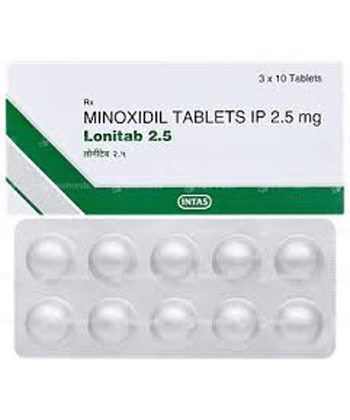
Loniten
- Loniten (minoxidil) may be available from some pharmacies and online suppliers in Canada and internationally, and in many places it is a prescription-only medicine; however, availability without a prescription can vary by seller and country.
- Loniten is used for severe or refractory high blood pressure that has not responded to other medicines. It works as an oral vasodilator, relaxing blood vessels so blood can flow more easily, and it is usually used with a loop diuretic and a beta-blocker.
- The usual adult starting dose is 5 mg per day, given once daily or divided, then increased gradually as needed. Doses may be titrated every few days; the maximum mentioned is 100 mg per day, but dosing must be individualized by a clinician.
- The form of administration is an oral tablet.
- It typically begins working within hours after a dose, but the blood pressure-lowering effect is managed over time through dose titration and regular monitoring.
- The duration of action is generally several hours, which is why some patients take it in divided doses during the day.
- Alcohol should be avoided or used with caution because it can further lower blood pressure and increase dizziness, light-headedness, or fainting.
- The most common side effects are fluid retention or swelling, increased hair growth, fast heartbeat or palpitations, headache, and dizziness.
- Would you like to try Loniten without a prescription?
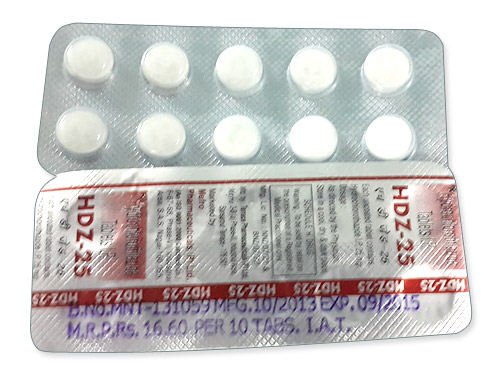
What Canadian Patients Should Know About Loniten
- INN (International Nonproprietary Name): Minoxidil
- Brand names available in Canada (English): Minoxidil; Loniten is the best-known brand reference, but supply is usually through generic minoxidil channels
- ATC Code: C02DD01
- Forms & dosages: Oral tablets, commonly 2.5 mg and 10 mg
- Manufacturers in Canada (English): Multiple generic suppliers; regional pharmacy chains may order under local generic codes
- Registration status in Canada (English): Prescription antihypertensive product; product-specific DIN status should be verified through Health Canada and provincial formularies
- OTC / Rx classification: Prescription only medicine (Rx); not OTC in major markets
- Storage: Store below 25°C in a dry place, in original packaging, protected from moisture and light
- Key safety note: Oral minoxidil is not topical minoxidil for hair loss, and the cardiovascular risk profile is very different
Why Oral Minoxidil Still Matters For Severe Hypertension
Have blood pressure medicines stopped working the way they should?
That is the situation where Loniten still comes up in modern practice.
From 2022 to 2025, the evidence has continued to place oral minoxidil, Minoxidil oral, and Loniten hypertension treatment in the same narrow role: a later-line vasodilator for severe or refractory hypertension when other drugs have not been enough.
Canadian use is usually specialist-led, not routine family practice prescribing.
It is typically paired with a loop diuretic and usually a beta-blocker because fluid retention and tachycardia are predictable with this medicine.
That is also why pharmacy counselling matters so much.
A patient may see Loniten Canada references online, but the real conversation is about safety, monitoring, and whether the person is on the right combination therapy.
How It Lowers Blood Pressure
People often ask why one tablet can lower pressure when so many other drugs have already been tried.
Minoxidil relaxes blood vessel walls, which lets blood flow more easily and reduces pressure.
In scientific terms, it is a peripheral arteriolar vasodilator that opens ATP-sensitive potassium channels in vascular smooth muscle.
That reduces arteriolar resistance, which is exactly why it can be so potent in refractory hypertension management drugs.
The catch is compensatory physiology.
The body may respond with a faster heart rate and more salt and water retention.
That is why a loop diuretic and usually a beta-blocker are part of the plan when oral minoxidil is prescribed.
Without that support, the medicine can create problems even while it is lowering the blood pressure.
Approved Use And Off-Label Reality In Canada
Is this a standard blood pressure prescription or something only a specialist reaches for?
It is prescription only.
In Canada, readers should verify the exact product and DIN status through Health Canada and provincial formularies rather than assuming a brand is stocked everywhere.
Loniten is the best-known name internationally, but the U.S. brand is discontinued and access is often through generic minoxidil or local brand alternatives.
Global packaging commonly includes 2.5 mg and 10 mg tablets, with some regions listing other strengths as well.
Oral Loniten Canada discussions often come up because patients confuse it with topical hair-loss products.
That confusion is understandable, but the oral form is a cardiovascular drug with major safety implications.
In specialist settings, it may also be considered for selected paediatric or pregnancy-related questions, but those uses are generally avoided unless there is no better option and the case is carefully justified.
How Dosing Is Usually Started And Titrated
What does the schedule actually look like when a specialist starts Loniten tablets?
For adults with severe or refractory hypertension, the usual initial dose is 5 mg per day, taken as a single dose or divided dose.
The dose may be titrated every 3 days up to 40 mg per day as tolerated, and some references cite a maximum of 100 mg per day.
Oral tablets are commonly sold as Loniten 2.5mg and Loniten 10mg strengths, which helps with flexible dose adjustments.
This is not a short-course medication.
It is generally used long term if blood pressure remains difficult to control.
For renal impairment or dialysis, lower doses and closer monitoring are advised because of fluid and electrolyte risk.
Older adults should start low and go slow, with careful watching for hypotension and fluid overload.
Missing doses should not be doubled.
That is a simple rule, but it prevents avoidable swings in blood pressure.
Who Should Avoid It Or Use Extra Caution
Are there patients for whom this medicine is simply not a good fit?
Yes, and that list matters.
Absolute contraindications include pheochromocytoma, known allergy to minoxidil or excipients, and pregnancy or breastfeeding, which are generally avoided because of fetal or neonatal risk concerns.
Relative contraindications include congestive heart failure, angina, recent myocardial infarction, renal impairment, liver disease, and frailty in advanced age.
Common side effects include fluid retention, hypertrichosis, tachycardia or palpitations, headache, and dizziness.
The serious red flag is pericardial effusion, which is rare but clinically important.
In Canadian practice, pharmacists often focus on weight checks, blood pressure logs, and symptom review because rapid weight gain or shortness of breath can signal fluid overload.
A patient who suddenly feels more swollen after starting prescription minoxidil for hypertension needs prompt reassessment.
Interactions, Meals, And Everyday Canadian Habits
Does food matter much with Loniten?
There is no major food interaction in the usual sense, but sodium intake still matters a lot.
High-sodium eating patterns can make fluid retention worse, especially with processed food, restaurant meals, and salty comfort foods common in day-to-day Canadian life.
The core drug combination is still the most important interaction point: a loop diuretic and usually a beta-blocker.
Other antihypertensives can add hypotension, so blood pressure may dip more than expected if the regimen is changed without review.
NSAIDs can also worsen blood pressure control and fluid retention.
Pharmacy medication reviews should include OTC pain relievers, cold medicines, and supplements because people often buy those from different chains or online orders.
That is especially relevant when someone is trying to manage Minoxidil hypertension while shopping across multiple pharmacy channels.
What Canadian Patients Often Notice First
What do people usually say after they start it?
Many patients say, “It finally works when nothing else did.”
That is the encouraging part.
The harder part is tolerability.
Swelling, a fast pulse, and unexpected hair growth are the complaints community pharmacists hear most often.
Some people are surprised that a blood pressure drug can increase hair growth, but hypertrichosis is a known effect of oral minoxidil.
Another common question is why a “water pill” and a heart-rate medicine are prescribed with it.
Once the purpose is explained, adherence usually improves.
Patients who understand that the goal is reducing risk from severe refractory hypertension, not cosmetic use, usually accept the regimen more confidently.
That simple explanation can make the difference between a missed fill and a successful refill.
How Access, Pricing, And Ordering Work In Canada
Is it easy to find?
Not always.
Access is prescription-based and can vary by chain and wholesaler.
Large banners such as Shoppers Drug Mart, Rexall, Jean Coutu, and London Drugs may carry it through generic ordering systems rather than keeping it on obvious shelf stock.
Canadian online pharmacies may list minoxidil, but a valid prescription is still expected for legitimate dispensing.
That is why checking product legitimacy matters.
The U.S. Loniten brand is discontinued, so cross-border price comparisons can be misleading when people compare generic pathways, tablet strengths, or manufacturer codes.
Coverage may also depend on provincial benefit plans such as Ontario Drug Benefit, BC PharmaCare, or RAMQ, plus indication and prior authorisation rules.
For readers looking at our online pharmacy, loniten is available without a prescription, with discreet delivery to Canada in 5-14 days, but it is still wise to confirm the correct strength and safe use before ordering.
When Another Drug May Be A Better Fit
What if Loniten is not the best choice?
There are established alternatives when severe hypertension is not suited to oral minoxidil.
Hydralazine is another vasodilator used in severe hypertension.
Clonidine works through a central alpha-agonist mechanism and has its own tolerability and withdrawal concerns.
Sodium nitroprusside is IV-only and used for hypertensive crisis or emergency care.
Diazoxide is a niche potassium channel opener used in emergencies.
Minoxidil remains one of the most potent oral options for refractory hypertension, but it is often limited by fluid retention and hypertrichosis.
The better choice depends on adherence, volume status, heart disease, and how much monitoring the patient can realistically maintain.
That is why this is usually a specialist decision rather than a casual switch in community practice.
Regulatory Status And Labelling In Canada
How can a patient tell whether the product is legitimate?
Start with the basics: prescription-only status, product name, strength, and Canadian dispensing controls.
DIN status helps confirm traceability and reimbursement eligibility, and bilingual labelling is important where applicable.
That matters for patients in Quebec and for anyone comparing packaging across borders.
Packaging is generally in blister packs or tamper-evident bottles, depending on the supplier.
The U.S. Loniten brand may be discontinued, but that does not block Canadian access through generic supply.
People importing or buying online should verify the exact product and strength before taking it.
That is especially important because oral minoxidil is not the same product as topical minoxidil for alopecia.
One is a hypertension medicine; the other is a hair-loss product.
Common Questions From Patients And Caregivers
Is Loniten the same as topical minoxidil?
No.
Oral minoxidil is for severe hypertension, while topical products are used for hair loss.
Is it available over the counter in Canada?
No.
It is prescription only.
Why do I need other medicines with it?
A loop diuretic and often a beta-blocker are used to reduce fluid retention and tachycardia.
What side effect should I watch most closely?
Rapid weight gain, swelling, or shortness of breath.
Can it be bought online?
Only from legitimate Canadian sources with appropriate prescription controls.
Those are the questions that usually come up first during pharmacy counselling, and they are the right ones to ask.
How To Store It At Home And While Travelling
Does storage need special handling?
Not usually, but good habits still matter.
Store the tablets below 25°C in a dry place, in the original packaging, and keep them protected from moisture and light.
When travelling within Canada, carry them in a labelled container and keep them in carry-on luggage if possible.
Do not leave them in a hot car or a damp bathroom cabinet.
Keep them away from children, and do not transfer them to unlabelled pill organisers unless there is a clear plan to avoid mix-ups.
Before use, check expiry dates and whether the tablets still look normal.
Simple storage habits protect both the medicine and the person taking it.
How Pharmacists And Provincial Health Systems Approach It
What should a pharmacist tell someone who is leaving with this prescription?
Take it exactly as prescribed and do not change the dose on your own.
Report swelling, racing pulse, dizziness, or shortness of breath quickly.
Regular blood pressure and weight monitoring is important.
Lab follow-up may be needed depending on kidney function and cardiovascular status.
Older or frail patients often need slower titration.
Provincial systems such as Ontario, BC, and Quebec may differ in coverage and paperwork, so patients should confirm reimbursement before filling.
The bigger counselling point is simple: oral minoxidil is not interchangeable with topical minoxidil, and for most Canadians it is a specialist drug rather than a routine pharmacy purchase.
When prescribed for the right patient, though, it can be a valuable option for severe refractory hypertension.
Delivery Across Canada (English)
| City | Region | Delivery Time |
|---|---|---|
| Toronto | Ontario | 5-7 days |
| Ottawa | Ontario | 5-7 days |
| Mississauga | Ontario | 5-7 days |
| Hamilton | Ontario | 5-7 days |
| London | Ontario | 5-7 days |
| Montreal | Quebec | 5-7 days |
| Quebec City | Quebec | 5-7 days |
| Vancouver | British Columbia | 5-7 days |
| Victoria | British Columbia | 5-7 days |
| Calgary | Alberta | 5-7 days |
| Edmonton | Alberta | 5-7 days |
| Winnipeg | Manitoba | 5-7 days |
| Halifax | Nova Scotia | 5-7 days |
| Saskatoon | Saskatchewan | 5-9 days |
| St. John’s | Newfoundland and Labrador | 5-9 days |