Blood pressure is the force of blood pushing against your artery walls. It's measured in two numbers: systolic (top number) and diastolic (bottom number), expressed as millimetres of mercury (mmHg). A normal blood pressure reading is less than 120/80 mmHg. When blood pressure remains elevated above 130/80 mmHg, it's called hypertension or high blood pressure.
Hypertension is a common condition affecting millions of Canadians. Many people don't realize they have high blood pressure because it often has no symptoms, earning it the nickname "the silent killer." However, when left untreated, hypertension can lead to serious health complications including heart disease, stroke, kidney damage, and vision problems.
Understanding your blood pressure is the first step toward managing your health. Regular monitoring helps detect problems early and allows your healthcare provider to recommend appropriate treatment options. If you have risk factors such as family history, obesity, stress, or a sedentary lifestyle, monitoring becomes even more important.
High blood pressure can develop from various lifestyle and medical factors. Primary hypertension, the most common type, develops gradually over time without a specific identifiable cause. Secondary hypertension results from an underlying condition such as kidney disease, thyroid problems, or sleep apnea.
Lifestyle factors play a significant role in blood pressure management. A diet high in sodium, limited physical activity, excessive alcohol consumption, and chronic stress can all contribute to elevated blood pressure. Smoking damages blood vessels and increases the risk of hypertension complications.
Certain demographic factors increase your risk. Age is significant—blood pressure tends to rise as you get older. Family history matters considerably; if your parents or close relatives have hypertension, your risk increases. Additionally, men under 55 and women over 55 tend to have higher blood pressure rates. Conditions like obesity, diabetes, and metabolic syndrome also elevate your risk.
Understanding your personal risk factors helps you take preventive measures. Your healthcare provider can assess your individual risk profile and recommend lifestyle modifications or medication if necessary.
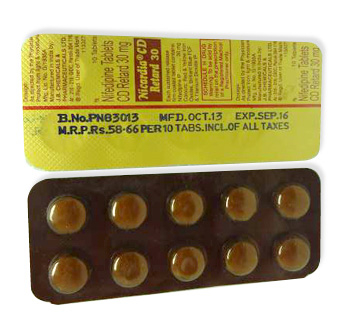
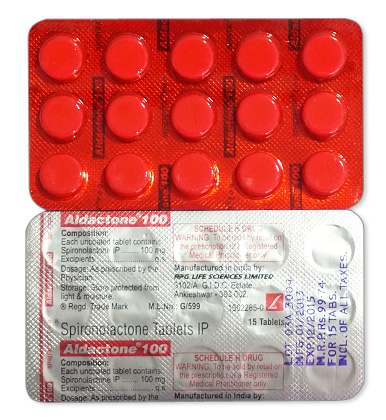
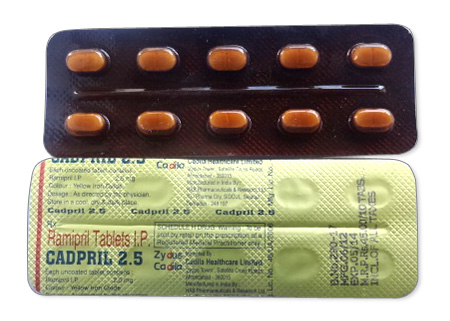
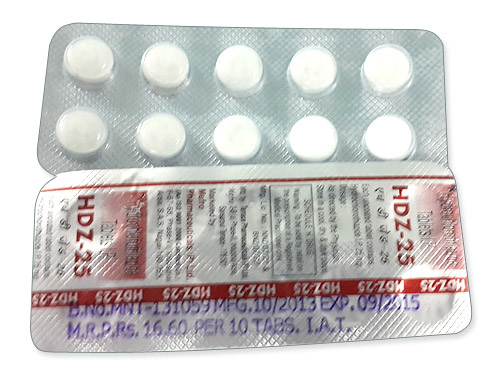
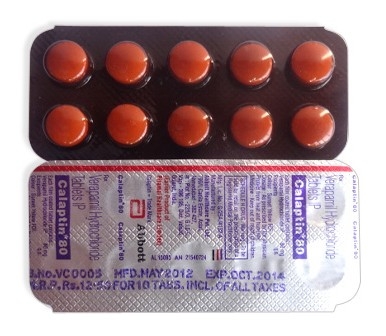
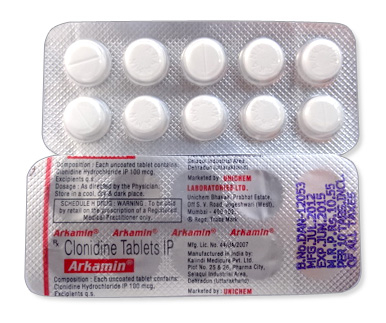
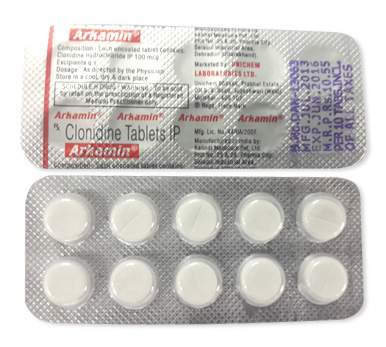
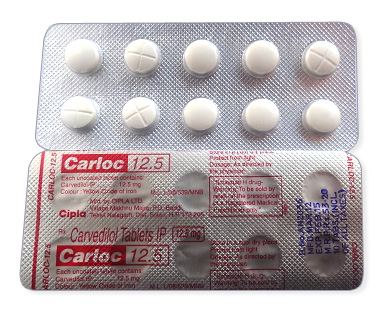
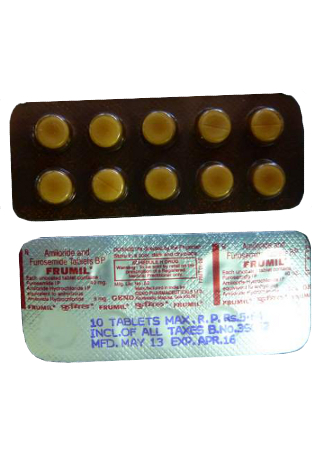
Several classes of blood pressure medications are available in Canada, each working through different mechanisms. Your healthcare provider will recommend the most appropriate option based on your specific condition and health profile.
Often, medication selection depends on whether you have other health conditions. For example, if you have diabetes, ACE inhibitors or ARBs are often preferred. If you have heart disease, beta-blockers might be recommended.
Medication works best when combined with lifestyle modifications. Many Canadians successfully manage their blood pressure through sustained lifestyle changes alone or with reduced medication doses.
Dietary changes significantly impact blood pressure. The DASH diet (Dietary Approaches to Stop Hypertension) emphasizes fruits, vegetables, whole grains, lean proteins, and low-fat dairy while limiting sodium, added sugars, and saturated fats. Reducing sodium intake to less than 2,300 milligrams daily helps many people lower their blood pressure. Reading food labels and choosing fresh foods over processed options makes a substantial difference.
Regular physical activity strengthens your cardiovascular system. Aim for at least 150 minutes of moderate aerobic activity weekly, such as brisk walking, swimming, or cycling. Strength training two to three times weekly also provides benefits. Exercise helps maintain healthy weight and reduces stress.
Weight management is crucial; even losing five to ten percent of body weight can significantly lower blood pressure. Obesity strains the cardiovascular system, making weight reduction a priority for many.
Stress reduction through meditation, yoga, deep breathing exercises, or hobbies helps lower blood pressure. Chronic stress elevates blood pressure, so developing stress management techniques is important.
Limiting alcohol and quitting smoking are essential. Alcohol consumed in moderation is acceptable, but excessive consumption raises blood pressure. Smoking damages blood vessels and prevents blood pressure medication from working effectively.
Regular blood pressure monitoring helps track your progress and guides treatment decisions. Home blood pressure monitors are affordable and easy to use, allowing you to check readings regularly in a comfortable environment.
When to measure: Check your blood pressure at the same time daily, ideally in the morning before medication, or as directed by your healthcare provider. Take multiple readings over several days to get an accurate picture, as single readings can be misleading due to "white coat syndrome."
Proper technique: Sit with feet flat on the floor and back supported. Rest for five minutes before measuring. Use an appropriately-sized cuff—too small or too large cuffs give inaccurate readings. Record your readings to share with your healthcare provider.
Professional monitoring: Visit your pharmacist or doctor regularly for blood pressure checks. These visits assess your response to medication and lifestyle changes. Your healthcare provider may adjust your treatment plan based on these readings.
When to seek help: Contact your healthcare provider if readings consistently exceed your target or if you experience symptoms like severe headache, chest pain, shortness of breath, or vision changes, as these may indicate a hypertensive emergency.
Preventing high blood pressure is easier than managing it after diagnosis. Canadians without hypertension should implement preventive measures, especially those with family history or risk factors.
Start early: Maintaining healthy habits from youth prevents hypertension development. Children and young adults benefit from regular physical activity, balanced nutrition, and stress management.
Regular checkups: Adults should have blood pressure checked at least every two years, or more frequently if at risk. Routine screening catches problems early.
Medication adherence: If prescribed blood pressure medication, taking it consistently is crucial. Many people skip doses when feeling well, which leads to uncontrolled blood pressure. Work with your healthcare provider and pharmacist to find a medication routine that works for you.
Ongoing support: Pharmacists in Canada provide valuable medication counselling, adherence support, and lifestyle advice. Don't hesitate to discuss concerns or side effects with your healthcare team.
Family involvement: Encourage family members to maintain healthy lifestyles too. Supporting each other makes lifestyle changes easier and creates accountability.
Managing blood pressure is a lifelong commitment. Combining medication with lifestyle modifications, regular monitoring, and healthcare provider collaboration helps you maintain healthy blood pressure and reduce your risk of serious complications. Start taking action today for a healthier tomorrow.