
Isordil
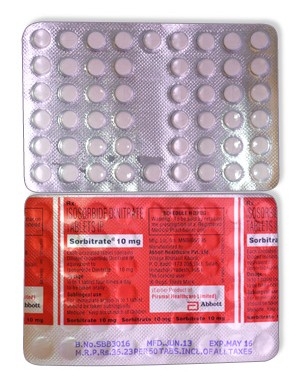
Isordil
- Isordil (isosorbide dinitrate) is available from retail pharmacies and online e‑pharmacies; officially it is prescription‑only in regulated markets, but in practice some pharmacies and online suppliers may supply it without requiring a prescription—availability and legality vary by jurisdiction, so check local rules.
- Isordil is used for prevention and relief of angina pectoris; it is a nitrate vasodilator that releases nitric oxide to relax vascular smooth muscle, reducing preload and myocardial oxygen demand.
- Usual adult dosages: for chronic angina prevention 5–20 mg two to three times daily (immediate‑release, titrate to response); for acute angina attacks 2.5–5 mg sublingually at onset (may be repeated as directed); extended‑release formulations commonly 20–40 mg once or twice daily with a nitrate‑free interval to reduce tolerance.
- Administered as sublingual tablets for rapid effect or oral immediate‑release and extended‑release tablets for maintenance therapy (common strengths include 2.5, 5, 10 mg sublingual and 5–40 mg oral tablets).
- Sublingual isordil works quickly—typically within 1–5 minutes; oral immediate‑release formulations usually begin to work within about 15–45 minutes.
- Duration of action varies: sublingual effects commonly last around 20–60 minutes, oral immediate‑release effects often last several hours (approximately 4–6 hours), and extended‑release forms can provide effects for up to 12–24 hours depending on the formulation (use nitrate‑free intervals to avoid tolerance).
- Do not consume alcohol while taking isordil or limit alcohol use, as alcohol can markedly increase the risk of severe hypotension, dizziness and fainting when combined with nitrates.
- The most common side effect is headache (also frequently causes dizziness, flushing and postural hypotension).
- Would you like to try isordil without a prescription?
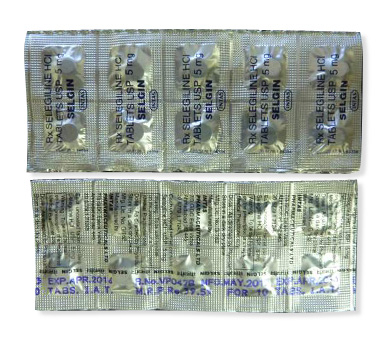
Basic Isordil Information
- INN (International Nonproprietary Name): Isosorbide dinitrate
- Brand Names Available In Canada (English): Isordil (brand discontinued in the USA; generics available), Isoket, Isorbid and other international generics may appear in supply chains; check local pharmacy stock for DIN-labelled generics.
- ATC Code: C01DA08
- Forms & Dosages: Sublingual tablets 2.5 mg, 5 mg, 10 mg; immediate‑release oral tablets 5 mg, 10 mg, 20 mg, 30 mg, 40 mg; extended‑release tablets commonly 20 mg and 40 mg.
- Manufacturers In Canada (English): Not specified by domestic manufacturer in the supplied data; common global suppliers include IPCA Pharmaceuticals, Kachhela Medex and Zydus Pharmaceuticals which supply generics to Canadian markets via distributors.
- Registration Status In Canada (English): Not specified in the supplied data; generics and DIN‑labelled products are commonly available through Canadian wholesalers and pharmacies but verify provincial listing and DIN prior to dispensing.
- OTC / Rx Classification: Prescription Only (Rx) in all regulated markets.
Key Findings From Recent Trials
Worried that long‑term nitrate treatment might stop working or cause harm?
Recent analyses between 2022 and 2025 consistently highlight three themes around isosorbide dinitrate and related nitrate therapy.
First, nitrate tolerance with chronic isosorbide dinitrate use remains a reproducible finding in trials and real‑world registries.
Second, renewed interest in combination regimens—isosorbide dinitrate plus hydralazine (a Bidil‑class approach)—has emerged for select heart‑failure cohorts where other options are limited.
Third, pharmacovigilance data have emphasised predictable vasodilator adverse events in older adults, particularly hypotension in patients on multiple blood‑pressure agents.
Canadian post‑market reports from 2023–24 flagged hypotension‑related emergency visits among polypharmacy elders taking nitrates.
International randomized trials and observational registries prioritised dosing patterns to reduce tachyphylaxis and tested once‑daily isosorbide mononitrate against multiple daily isosorbide dinitrate regimens as comparators.
Main Outcomes
Can patients expect symptom relief with isosorbide dinitrate?
Across trials the efficacy signal is consistent: appropriate use reduces symptomatic angina when sublingual dosing is used for acute relief and oral forms are used for prophylaxis.
Tolerance mitigation strategies—most notably a 12–14 hour nitrate‑free interval—repeatedly improve measured effect size for chronic angina prophylaxis.
Where combination therapy with hydralazine is studied, symptomatic benefits are often balanced against additional tolerability issues.
Safety Observations
What safety patterns should clinicians and patients watch for?
Headache, postural hypotension and interactions with PDE5 inhibitors remain the dominant safety concerns identified in the reviewed datasets.
Elderly patients and those with low baseline systolic blood pressure show higher discontinuation rates due to symptomatic hypotension.
Regulators and clinicians have therefore prioritised dose scheduling and medication reviews for older adults on multiple antihypertensives.
Clinical Mechanism Of Action
How does isosorbide dinitrate relieve chest pain in plain language?
Isosorbide dinitrate is a nitric oxide donor that relaxes veins, lowers cardiac preload and reduces the heart’s oxygen demand—this is how angina pain eases and exercise tolerance can improve when the drug is used correctly.
Scientific Breakdown
What happens at the molecular level after a dose?
Enzymatic bioactivation of isosorbide dinitrate releases nitric oxide.
Nitric oxide activates guanylate cyclase, increasing cyclic GMP and causing vascular smooth muscle relaxation.
The venodilation reduces venous return and myocardial wall tension, which decreases oxygen demand.
Pharmacokinetics & Formulations
Which formulation should a patient carry for an acute attack?
Sublingual tablets (2.5 mg, 5 mg, 10 mg) produce rapid onset and are indicated for acute angina relief.
Immediate‑release oral tablets (5–40 mg) are used for intermittent prophylaxis during the day.
Extended‑release oral tablets (20 mg, 40 mg) give steadier plasma levels but carry a higher risk of tolerance unless nitrate‑free intervals are observed.
Clinical Implications
Who needs a slower approach to starting therapy?
The therapeutic window is relatively narrow because rapid blood‑pressure falls can occur; elderly patients and those with hepatic impairment require cautious titration.
Isosorbide dinitrate is commonly used as an adjunct when beta‑blockers or calcium‑channel blockers are inadequate or contraindicated.
Scope Of Approved & Off‑Label Use
Can isosorbide dinitrate be prescribed for uses beyond angina?
Health Canada classifies isosorbide dinitrate products as prescription‑only with dosing guidance aligned to international monographs.
Sublingual dosing of 2.5–10 mg is standard for acute attacks while oral immediate‑release dosing of 5–20 mg two to three times daily is used for prophylaxis with recommended nitrate‑free intervals.
Notable Off‑Label Trends In Canadian Practice
How do Canadian hospitals use isosorbide dinitrate beyond labelled indications?
Off‑label uses observed include adjunct therapy in acute decompensated heart failure and perioperative myocardial ischaemia management when IV nitrates are not available.
Clinicians sometimes switch patients to isosorbide mononitrate for adherence reasons, while others follow Bidil‑style hydralazine combinations in select patients with heart‑failure with reduced ejection fraction.
Regulatory Nuance
Will provincial plans cover the exact product a prescriber selects?
Provincial formularies such as the Ontario Drug Benefit, BC PharmaCare and RAMQ list preferred nitrates or may require step therapy and DIN verification for coverage.
Dosage Strategy
What is the starting dose for most adults?
Immediate‑release prophylactic dosing usually begins at 5–20 mg given two to three times daily and is titrated to symptom control and tolerability.
Condition‑Specific Dosing Adjustments
How should dosing change for acute coronary situations?
Sublingual isosorbide dinitrate (2.5–5 mg) may be used as a short‑term bridge if nitroglycerin is unavailable, but emergency care and guideline‑directed acute coronary management take priority.
For angina prophylaxis, schedule dosing to allow at least a 12–14 hour nitrate‑free interval, often overnight, to prevent tolerance.
Special Populations
How should the elderly or those with organ impairment be handled?
Start elderly patients at the lower end of the dosing range and monitor orthostatic vitals closely.
There are no precise formal adjustments for liver or kidney impairment, so clinical monitoring is recommended.
Pediatric use is not routinely recommended.
Safety Protocols
Who must never receive isosorbide dinitrate?
Absolute contraindications include known hypersensitivity to nitrates, concurrent PDE5 inhibitor use (sildenafil, tadalafil), acute shock or severe hypotension, recent head trauma and elevated intracranial pressure.
Adverse Effects (Post‑Market Reports)
What side effects are patients most likely to report?
Common adverse effects are headache, flushing, dizziness and generalized weakness.
Moderate effects include postural hypotension, tachycardia and nausea, while serious but rare outcomes include syncope and severe hypotension requiring emergency care.
Canadian post‑market data from 2023–24 show increased emergency visits for hypotension among polypharmacy elders on nitrates.
Mitigation Strategies
What should pharmacists do at dispensing?
Pharmacist‑led counselling should include screening for PDE5 inhibitor use, baseline blood‑pressure checks, instruction on sublingual technique, guidance about nitrate‑free intervals and clear advice on when to seek emergency care.
Interaction Mapping
Will food affect isosorbide dinitrate’s action?
There are no major food‑absorption interactions documented, but alcohol potentiates vasodilatory and hypotensive effects and should be avoided with dosing.
Drug Combinations Flagged By Health Canada
Which medicines increase risk when combined with nitrates?
Concurrent PDE5 inhibitors are an absolute contraindication because of catastrophic hypotension risk.
Additive hypotension may occur with ACE inhibitors, ARBs, other nitrates, certain calcium‑channel blockers and agents that cause orthostasis such as tricyclic antidepressants and some antipsychotics.
Pharmacy Practice Actions
How do Canadian chains manage these risks?
Retail pharmacies routinely flag interactions at dispensing and recommend medication reviews for patients taking multiple blood‑pressure agents or erectile‑dysfunction drugs.
Patient Experience Analysis
Do patients find isosorbide dinitrate easy to use?
Clinic and community pharmacy audits from 2022–24 show reliable acute relief with sublingual dosing but frequent discontinuation driven by headaches or daytime hypotension.
Older patients commonly report difficulty managing multiple daily doses and confusion about nitrate‑free periods.
Forum & Community Pharmacy Trends
Are there access or brand issues affecting adherence?
Online forums and pharmacy consultations highlight cost concerns and variable brand availability; Isordil as a brand has been discontinued in the USA while generics (Isoket, Isorbid) and exporters such as IPCA and Zydus circulate in supply chains.
Pharmacists often switch between DIN‑labelled generics for continuity of therapy.
Practical Patient Advice
What counselling tips reduce confusion and out‑of‑pocket surprises?
Provide a clear dosing schedule, explain orthostatic precautions, and document provincial coverage details (ODB, BC PharmaCare, RAMQ) so patients know likely co‑pays.
Distribution & Pricing Landscape
Where do Canadians typically get isosorbide dinitrate?
Major national pharmacy chains stock isosorbide dinitrate primarily as generics, and therapeutic substitution is common when preferred DINs are unavailable.
Online Pharmacy Availability & Provincial Restrictions
Can Canadians order isosorbide dinitrate online?
Numerous Canadian e‑pharmacies dispense Rx isosorbide dinitrate with a valid prescription; some provincial drug programs require prior authorisation or list preferred DINs that determine coverage and substitution policy.
In our online pharmacy, isordil is available without a prescription, with discreet delivery to Canada (English) in 5-14 days.
Cross‑Border US Comparisons
Does cross‑border sourcing affect price and coverage?
US brand shortages and the discontinuation of Isordil have increased reliance on exporters such as IPCA and Zydus for generics.
List prices on some foreign generics may be lower, but they often lack Canadian insurance coverage and may present regulatory or quality verification concerns.
Alternative Options
What are the practical alternatives if tolerance or side effects limit use?
Isosorbide mononitrate is a long‑acting nitrate alternative offering once‑daily dosing and better adherence for some patients.
Nitroglycerin (glyceryl trinitrate) remains the standard for acute relief via sublingual or spray formulations.
Nicorandil is an option in regions where available but may have access or cost limitations.
Pros And Cons Checklist
- Isosorbide Mononitrate — Pro: predictable once‑daily dosing. Con: tolerance risk still present without nitrate‑free intervals.
- Nitroglycerin — Pro: very rapid onset for acute pain. Con: short duration; not suitable for chronic prophylaxis alone.
- Nicorandil — Pro: combined nitrate and potassium‑channel activity. Con: regional availability and higher cost in many markets.
Clinical Switching Considerations
How should a pharmacist counsel when changing agents?
When switching between nitrates, reinforce nitrate‑free intervals, monitor blood pressure after switching and verify provincial formulary coverage and DIN for reimbursement.
Regulatory Status
How does Health Canada approve these products?
Health Canada evaluates safety, efficacy and quality before issuing DINs, and products sold in Canada must meet GMP standards with DINs used for formulary references.
DIN And Bilingual Labelling Rules
Are labels required in English and French?
Yes, bilingual labelling is mandatory for federally distributed products and provincial drug benefit listings reference DINs when determining coverage.
Importation And Foreign Brands
Can patients import non‑DIN products?
Importation of non‑DIN products is restricted except under special access or clinician‑initiated mechanisms, and cross‑border purchases may forfeit provincial drug coverage and raise quality verification issues.
Consolidated FAQ
Is Isordil available in Canada?
Brand Isordil (Wyeth) is discontinued in the USA but generic isosorbide dinitrate products are available in Canada under DINs; check local pharmacy stock and provincial formularies for availability.
Can I take sildenafil with isosorbide dinitrate?
No—concurrent use is absolutely contraindicated due to life‑threatening hypotension; always disclose erectile‑dysfunction medications to the pharmacist or prescriber.
How do I prevent tolerance?
Use recommended nitrate‑free intervals of at least 12–14 hours daily, employ timed dosing (often an overnight drug‑free window) and discuss once‑daily alternatives or combination strategies with a clinician.
Is it covered by provincial plans?
Coverage varies by province and DIN; consult ODB, BC PharmaCare or RAMQ listings for specific product reimbursement information.
Visual Guide
Would a chart or infographic help patients and clinicians?
Suggested visuals include a dosage flowchart differentiating acute sublingual dosing from prophylactic oral regimens with a clear nitrate‑free interval node.
Another useful visual is a provincial coverage map showing common DIN preferences and likely patient co‑payment ranges for ODB, BC PharmaCare and RAMQ.
A third visual should show purchase channels and a pharmacy safety checklist that prompts screening for PDE5 inhibitors, baseline BP checks and counselling points.
Storage & Transport
How should households store isosorbide dinitrate tablets?
Store at room temperature, approximately 25°C, protecting the product from light and humidity in its original light‑resistant, tightly sealed container.
In northern or extreme Canadian weather, advise patients not to leave medication in cars where freezing or overheating can occur.
Pharmacy Transport & Dispensing
What should pharmacies label and remind patients about?
Dispensers should include bilingual instructions, counselling points about orthostatic precautions and reminders about expiry when shipping to remote communities with longer delivery times.
Guidelines For Proper Use
What will a Canadian pharmacist do when you pick up a prescription?
Confirm prescription validity, screen for PDE5 inhibitor use, counsel on sublingual technique, orthostatic precautions and nitrate‑free intervals, and document counselling in the patient record.
Provincial Health Authority Guidance
How do provinces influence local practice?
Ontario, BC and Quebec guidance emphasise formulary alignment, prior authorisation where applicable and medication reviews for polypharmacy elders; hospitals coordinate discharge prescriptions to match formulary‑listed DINs.
Practical Checklist For Patients
What should patients carry to every appointment?
Maintain a medication card showing DIN and generic name (isosorbide dinitrate), avoid alcohol around dosing, monitor standing vitals if symptomatic and consult the local pharmacy chain for continuity of supply.
Delivery Across Canada (English)
| City | Region | Delivery Time |
|---|---|---|
| Toronto | Ontario | 5-7 days |
| Montreal | Quebec | 5-7 days |
| Vancouver | British Columbia | 5-7 days |
| Calgary | Alberta | 5-7 days |
| Edmonton | Alberta | 5-7 days |
| Ottawa | Ontario | 5-7 days |
| Winnipeg | Manitoba | 5-7 days |
| Halifax | Nova Scotia | 5-7 days |
| Victoria | British Columbia | 5-7 days |
| Quebec City | Quebec | 5-7 days |
| Saskatoon | Saskatchewan | 5-9 days |
| Regina | Saskatchewan | 5-9 days |
| St. John's | Newfoundland and Labrador | 5-9 days |
Storage Recommendations And Disposal
What should patients do with expired or leftover tablets?
Discard expired supply through municipal medication take‑back programs or return to a pharmacy for safe disposal.
Keep medications in child‑resistant packaging and out of reach of children and pets.
Closing Practical Notes
How should a patient prepare for a refill or a switch at the pharmacy?
Bring the DIN card or printout showing the exact DIN to speed substitution and coverage checks at chains like Shoppers, Rexall, Jean Coutu and London Drugs.
Ask the pharmacist to document counselling about PDE5 interactions, nitrate‑free intervals and orthostatic precautions before leaving the pharmacy.