
Antabuse
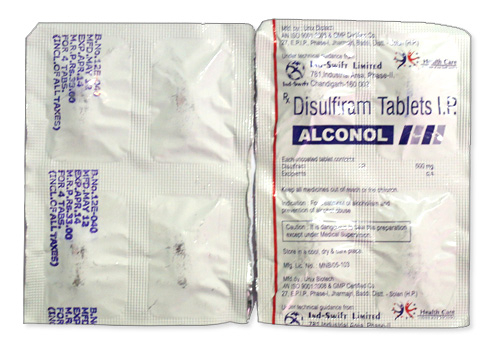
Antabuse
- Antabuse (disulfiram) can be purchased from pharmacies in some places only with a prescription, as it is a prescription-only medicine in Canada and most regulated markets. Availability may vary by country and supplier.
- Antabuse is used to support the treatment of alcohol dependence. It works by blocking aldehyde dehydrogenase, which causes unpleasant reactions if alcohol is consumed, helping discourage drinking.
- The usual adult dose is 500 mg once daily for 1 to 2 weeks, followed by a maintenance dose of 250 mg daily; the typical range is 125 to 500 mg daily as directed by a healthcare professional.
- The form of administration is an oral tablet, commonly available in 250 mg and 500 mg strengths.
- It may begin working within a few hours after the first dose, but its full alcohol-deterrent effect is linked to ongoing daily use and can persist after stopping.
- The duration of action can last up to 2 weeks after the last dose, and treatment is often continued for several months or longer depending on relapse risk.
- Do not drink alcohol during treatment and for up to 2 weeks after the last dose, because even small amounts can trigger a severe reaction with flushing, palpitations, chest pain, low blood pressure, nausea, vomiting, dizziness, and breathing difficulty.
- The most common side effects are drowsiness, fatigue, metallic or garlic-like aftertaste, nausea, vomiting, and skin rash.
- Would you like to try Antabuse without a prescription?
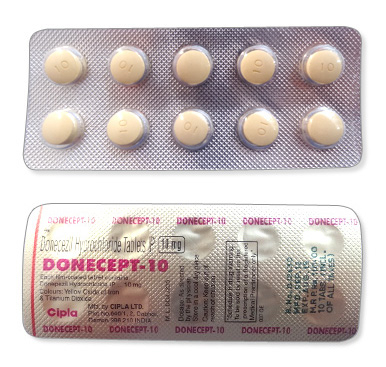
Basic Antabuse Information
- INN (International Nonproprietary Name): Disulfiram
- Brand Names Available in Canada (English): Antabuse; generic disulfiram tablets
- ATC Code: N07BB01
- Forms & Dosages: Tablet, 250 mg, 500 mg; rare injection not generally marketed
- Manufacturers in Canada (English): Not specified
- Registration Status in Canada (English): Prescription only (Rx)
- OTC / Rx Classification: Prescription only (Rx)
What Canadian Patients Should Know About Antabuse
Thinking about antabuse for alcohol dependence usually starts with one practical question: will it actually help me stay away from alcohol?
For the right patient, disulfiram can be a useful deterrent medication, especially when the goal is complete abstinence and there is support at home or in clinic.
It is not a craving medicine, and that distinction matters.
In Canada, clinicians still tend to reserve disulfiram for selected patients who are motivated, willing to avoid alcohol strictly, and able to follow a structured plan.
That approach matches recent evidence from 2022 to 2025, which continues to show mixed outcomes overall but better results when dosing is supervised and paired with counselling.
Some patients do well with a partner, family member, clinic, or pharmacy-linked programme helping to observe doses.
Others struggle because a missed tablet, a hidden source of alcohol, or an unplanned drink can lead to a very unpleasant reaction.
For readers comparing alcohol treatment options, this is where antabuse sits in the larger picture of alcohol dependence medication in Canada.
It can be effective, but it is not the easiest medicine to use safely.
Key Findings From Recent Trials And Prescribing Trends
Major 2022–2025 Canadian And International Evidence
Recent disulfiram trials and review articles continue to place antabuse in a niche but still clinically relevant role for alcoholism treatment Canada-wide and internationally.
The main message has not changed much: the medicine works best as supervised disulfiram, not as an unsupervised stand-alone pill.
Canadian practice discussions usually frame it as a relapse-prevention option for highly motivated people who want a clear behavioural deterrent.
International disulfiram studies still show uneven results because adherence is the biggest barrier.
If a patient stops taking it, the protection disappears.
If a patient takes it but drinks anyway, the disulfiram reaction can be severe.
Main Outcomes
The evidence still supports aversion-based deterrence rather than craving reduction.
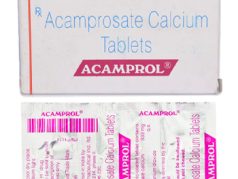
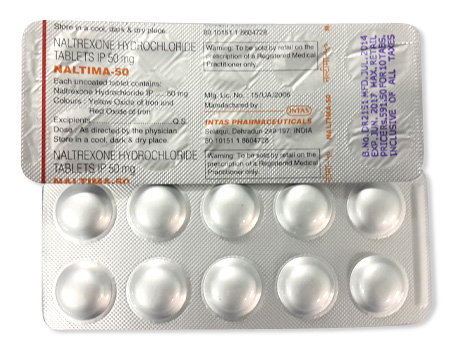
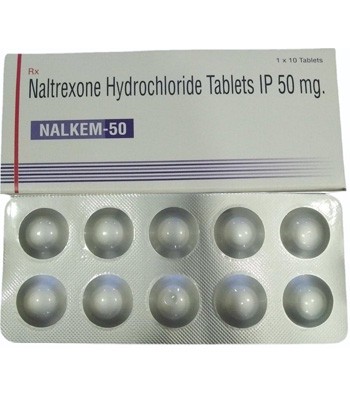
That means antabuse does not lower the urge to drink in the way naltrexone or acamprosate may.
Instead, it creates a strong reason not to drink by making alcohol feel immediately and dramatically unpleasant.
Real-world outcomes improve when the dose is observed by a partner, clinic, or pharmacy-linked programme.
In practice, that is often the difference between a useful alcohol deterrent medication and a tablet that sits in a bottle unused.
Safety Observations
Recent safety discussions focus on liver monitoring, neuropsychiatric effects, and the fact that a disulfiram alcohol reaction can still occur up to 2 weeks after the last dose.
That long tail matters for travel, social events, and surprise drinking exposures.
Canadian prescribers remain careful about baseline hepatic status before starting treatment and about follow-up transaminase checks during therapy.
When a patient calls a pharmacy on Friday evening asking whether one drink is safe after stopping antabuse earlier in the week, the answer is still no.
The risk window does not disappear overnight.
How Antabuse Works In The Body
Layman’s Explanation
Disulfiram works by making alcohol feel immediately unpleasant.
If someone drinks while taking antabuse, they may develop flushing, nausea, vomiting, dizziness, palpitations, chest discomfort, breathlessness, and low blood pressure.
That aversive effect is why the medicine is used as a deterrent rather than a craving suppressant.
For many patients, the fear of that reaction is what helps them pause before drinking.
Scientific Breakdown
Acetaldehyde Accumulation
Disulfiram inhibits aldehyde dehydrogenase.
As a result, acetaldehyde builds up after alcohol exposure.
That build-up is responsible for the classic disulfiram reaction and explains why even modest alcohol intake can become very uncomfortable.
Neurochemical Relevance
Disulfiram also affects dopamine beta-hydroxylase and other pathways.
Those additional effects may help explain occasional neuropsychiatric adverse effects seen in practice.
This broader pharmacology is one reason clinicians watch for mood, behaviour, and cognitive changes during treatment.
Where Antabuse Fits In Canadian Prescribing
Health Canada Approvals And DIN-Based Access
In Canada, disulfiram is a prescription-only medicine, and access depends on DIN-listed products and provincial formulary status rather than a single nationwide brand.
Patients may encounter generic disulfiram tablets more often than the Antabuse brand name.
That is common in Canadian pharmacy practice, where product availability can change by distributor and province.
Approved products must meet Canadian supply and labelling rules before they can be dispensed.
Notable Off-Label Trends In Canadian Practice
Supervised Adherence Models
Some addiction clinics use antabuse in structured treatment plans, especially when daily observed dosing is possible.
That supervision can happen in a clinic setting, through a family member, or through pharmacy counselling tied to a clear routine.
Not First-Line For Most Patients
In Canadian practice, naltrexone and acamprosate are often preferred first because they do not require the patient to stay completely alcohol-free for safety.
Disulfiram is still important, but it is usually chosen when abstinence is the goal and the patient understands the commitment.
For readers comparing access, our online pharmacy currently offers antabuse without a prescription, with discreet delivery to Canada in 5 to 14 days, but the medicine still needs to be used responsibly and with proper counselling.
Dosage Strategy And Practical Use
General Dosing Per Monographs
Adult treatment commonly starts at 500 mg once daily for 1 to 2 weeks, then shifts to a maintenance range of 125 to 500 mg daily, often 250 mg.
Canadian prescribers usually individualise based on relapse risk, liver function, and adherence support.
For many people, Antabuse 250 mg is the long-term maintenance dose that balances deterrence with tolerability.
Others need disulfiram 500 mg early in treatment before stepping down.
Condition-Specific Dosing Adjustments
Older Adults And Impairment
Older adults should start at the lower end and be monitored more closely for liver and renal function.
That cautious approach helps reduce the chance of avoidable adverse effects in patients who may already be taking several medicines.
Children And Pregnancy
Disulfiram is not recommended in children because safety and efficacy data are lacking.
It is also contraindicated in pregnancy and breastfeeding.
Those restrictions are important and should be reviewed before any prescription is filled.
Missed Dose And Overdose
If a dose is missed, it should be taken as soon as remembered unless the next dose is near.
Doubling up is not recommended.
Overdose requires urgent medical attention, especially if severe nausea, vomiting, low blood pressure, or seizures occur.
Safety Protocols And Contraindications
Contraindications And Canadian Advisories
Absolute contraindications include recent alcohol use within 12 to 24 hours, severe myocardial or coronary disease, psychosis or severe mental impairment, hypersensitivity to disulfiram, pregnancy, breastfeeding, and severe hepatic insufficiency.
That is why clinicians screen carefully before starting treatment and why a medication review is so important in a Canadian pharmacy setting.
Baseline liver status is usually checked, and transaminases are repeated during therapy when appropriate.
Adverse Effects From Post-Market Reporting
Common Reactions
Drowsiness, fatigue, metallic or garlic-like aftertaste, nausea, rash, headache, and reversible impotence can occur.
Most of these are mild to moderate, but they still matter if a patient is trying to stay on treatment consistently.
More Serious Concerns
Peripheral neuropathy, allergic dermatitis, and hepatic dysfunction require prompt reassessment.
Any new numbness, tingling, yellowing of the skin, dark urine, or persistent abdominal symptoms should be reviewed quickly.
Disulfiram side effects are uncommon enough that some people underestimate them, but serious reactions are possible.
Interaction Mapping And Hidden Alcohol Sources
Food Interactions Common In Canadian Diets
Patients need to avoid hidden alcohol sources such as cooking wine, some sauces, restaurant meals, over-the-counter liquid preparations, and certain mouth rinses.
Even small amounts can trigger a reaction.
That is one of the hardest parts of disulfiram precautions, because alcohol-free products are not always obvious at first glance.
A pharmacist can often catch these details before they become a problem.
Drug Combinations Flagged By Health Canada
Alcohol-Containing Medications
Cough syrups, tinctures, and some topical products may matter.
Patients should check labels carefully and ask before using anything new, especially when shopping through a Canadian pharmacy or local store.
Other Interacting Medicines
Warfarin, some anticonvulsants, and drugs with hepatic metabolism may need review.
A medication review is a sensible step before starting antabuse, especially for patients with chronic disease or polypharmacy.
Hidden alcohol sources remain one of the most common reasons people accidentally experience a disulfiram alcohol reaction.
Patient Experience And Adherence In Real Life
Canadian Survey Themes And Motivation
Patient experience is strongly shaped by motivation, stigma, and supervision.
Canadian addiction clinics often report better outcomes when disulfiram is viewed as a behavioural support tool rather than a standalone cure.
That framing matters because many people feel embarrassed asking for alcoholism treatment Canada options and worry they are being judged.
In practice, the medicine works best when the patient sees it as part of a plan, not a punishment.
Forum And Community Pharmacy Trends
Community Pharmacist Role
Pharmacies can reinforce counselling, timing, and avoidance of alcohol-containing products.
That practical support often makes the difference between a smooth start and a stop-start experience.
Common Patient Concerns
People frequently ask how severe the reaction is, how long it stays active, and whether they can drink “just a little.”
The short answer is that “a little” is still risky, and the reaction can be serious or even life-threatening.
Antabuse patient experience is usually better when expectations are clear from day one.
Pricing, Access, And Canadian Pharmacy Availability
National Pharmacy Chains
Availability may vary across Shoppers Drug Mart, Rexall, Jean Coutu, and London Drugs.
Some stores can order it, but local stock is not guaranteed because demand is limited.
That can make antabuse access a little slower than more commonly used medicines.
Online Pharmacy Availability And Provincial Restrictions
Online Versus In-Store
Online dispensing may be possible through licensed Canadian pharmacies, but prescription verification is required.
When people search for disulfiram online pharmacy options, they should still look for a proper dispensing label and a legitimate Canadian pharmacy workflow.
Provincial Coverage
Ontario Drug Benefit, BC PharmaCare, and RAMQ rules can affect affordability and access.
Coverage can also vary depending on the exact product and the province’s formulary status.
Cross-Border US Comparisons
US prices for Antabuse 250 mg or 500 mg can differ substantially from Canadian cash prices, but cross-border buying still requires legal and clinical caution.
Canadian patients are usually better served by speaking with a local pharmacist about the most practical and compliant option.
Antabuse And Its Main Alternatives
Comparison Of DIN-Approved Or Common Alternatives
Naltrexone and acamprosate are the main Canadian comparators, while topiramate is sometimes used off-label.
These alcohol dependence alternatives are chosen based on treatment goals, liver status, opioid use, and how much adherence support is available.
Pros And Cons
Antabuse is deterrent-based and may work best for highly committed patients.
Naltrexone reduces craving.
Acamprosate supports abstinence after cessation.
Topiramate can help some patients reduce harm, but it is not a standard first choice.
Clinical Fit
If a patient uses opioids, naltrexone may not be suitable.
If liver disease is a concern, acamprosate may be easier to use than disulfiram.
If the main goal is strong behavioural deterrence and daily supervision is realistic, antabuse may still be the better fit.
Regulatory Status In Canada And Beyond
Health Canada Approval Process
Disulfiram is prescription only and must meet Canadian safety, labelling, and supply rules.
Buyers should look for a valid DIN and a pharmacy dispensing label before using any product.
That is the simplest way to confirm that the medicine has been handled through normal Canadian regulatory channels.
DIN And Bilingual Labelling Rules
Labelling Expectations
In Canada, product information typically needs English and French labelling where applicable.
That helps patients and caregivers identify the medicine correctly and understand the basic directions.
Import And Equivalency
Imported products may not be equivalent to Canadian stock without proper regulatory review.
Patients should not assume that a foreign product is interchangeable just because the active ingredient is disulfiram.
Consolidated Answers To Common Questions
Typical Canadian Patient Questions
How Long Before Alcohol Is Unsafe?
Alcohol can trigger reactions during treatment and for up to 2 weeks after stopping.
That is why hidden alcohol sources and late social plans both deserve caution.
Can I Buy It Online?
Only through a legitimate Canadian pharmacy with a prescription.
If a site promises disulfiram without any verification at all, that is a red flag.
Is It First-Line In Canada?
Often no.
Many clinicians start with naltrexone or acamprosate first because they are easier for many patients to use safely.
How Strong Is The Reaction?
It can be severe and may include flushing, palpitations, chest pain, breathlessness, dizziness, low blood pressure, nausea, and vomiting.
In serious cases, urgent care is needed.
How Long Is Treatment Usually Needed?
Several months is typical, and some people continue for a year or longer when relapse risk remains high.
Counselling and behavioural support are usually part of that plan.
Visual Guide For Patients And Caregivers
Suggested Infographic Components
Dosage Flow
A simple flow works well: start dose, maintenance dose, and missed-dose rules.
That kind of visual guide can help reduce confusion, especially during the first two weeks of treatment.
Coverage Map
Ontario Drug Benefit, BC PharmaCare, and RAMQ access points can be shown on a clean Canadian coverage chart.
That helps families understand why access may differ from province to province.
Purchase Channels
In-store, licensed online pharmacy, and cross-border caution are the three channels most patients ask about.
A clear purchase options graphic can prevent a lot of misunderstanding about where antabuse should come from.
Storage And Transport
Canadian Household Guidelines
Store tablets at room temperature, ideally 20 to 25 degrees Celsius, protected from light and moisture, and kept in the original packaging until use.
That is the safest way to handle disulfiram tablets in an ordinary Canadian home.
Cold-Chain Storage Where Applicable
Not Usually Required
Antabuse tablets do not generally need refrigeration.
Standard room-temperature storage is enough in most cases.
Travel Advice
Avoid extreme heat or humidity during transport, especially in cars or checked baggage.
If travelling across provinces, it is still smart to keep the medicine in its original box and away from direct sunlight.
Guidelines For Proper Use
Advice From Canadian Pharmacists
Use exactly as prescribed, avoid all alcohol sources, and report liver symptoms, rash, or neuropathy quickly.
Pharmacists may also review OTC products for hidden alcohol.
That kind of counselling is one of the most useful parts of antabuse therapy.
Provincial Health Authority Guidance
Best-Use Approach
Disulfiram works best when combined with counselling, relapse-prevention planning, and close follow-up.
It is not a cure by itself.
Practical Reminder
Patients should never “test” the reaction or self-adjust the dose.
Doing either can lead to avoidable harm.
When antabuse is used properly, it can support abstinence in carefully selected patients who want a firm deterrent and are ready to commit to the plan.
Delivery Across Canada (English)
| City | Region | Delivery time |
|---|---|---|
| Toronto | Ontario | 5-7 days |
| Ottawa | Ontario | 5-7 days |
| Mississauga | Ontario | 5-7 days |
| Calgary | Alberta | 5-7 days |
| Edmonton | Alberta | 5-7 days |
| Vancouver | British Columbia | 5-7 days |
| Surrey | British Columbia | 5-7 days |
| Winnipeg | Manitoba | 5-7 days |
| Quebec City | Quebec | 5-7 days |
| Montreal | Quebec | 5-7 days |
| Halifax | Nova Scotia | 5-7 days |
| Saskatoon | Saskatchewan | 5-9 days |
| St. John’s | Newfoundland and Labrador | 5-9 days |
| Kelowna | British Columbia | 5-9 days |