
Diprosone
Diprosone
- In our pharmacy, you can buy diprosone without a prescription, with delivery in 5–14 days throughout Canada; discreet and anonymous packaging. Note: licensed labelling in many countries (including Health Canada and FDA) lists betamethasone dipropionate as prescription-only, so availability without a prescription depends on the pharmacy and local regulations—please verify.
- Diprosone (betamethasone dipropionate) is a very potent topical corticosteroid used to treat corticosteroid‑responsive dermatoses such as severe or resistant psoriasis, eczema and other inflammatory skin conditions; it works by activating glucocorticoid receptors to reduce inflammation, vasodilation and immune activity in the skin.
- The usual dose is to apply a thin film to the affected area once or twice daily (0.05% cream/ointment), using the shortest effective course—typically up to 2–4 weeks; not recommended for children under 13 years without specialist advice.
- Form of administration: topical application (ointment, cream, gel or lotion) — commonly 0.05% betamethasone dipropionate in 15 g, 30 g or 50 g tubes.
- Onset time: some symptomatic relief (reduced itching and inflammation) can be seen within 24–72 hours, with vasoconstrictor effects evident sooner; full effect depends on the condition treated.
- Duration of action: clinical anti‑inflammatory effects generally persist for roughly 12–24 hours after application (hence once or twice daily dosing); recommended treatment courses are short term (commonly 2–4 weeks) to limit adverse effects.
- Alcohol warning: there is no specific prohibition on alcohol with topical diprosone, but avoid excessive alcohol if you have liver disease or if there is concern about systemic corticosteroid absorption from prolonged use or use over large/occluded areas.
- The most common side effect is local skin burning or irritation (other common local effects include dryness, erythema, skin atrophy, acneiform eruptions and secondary infection).
- Would you like to try diprosone without a prescription?
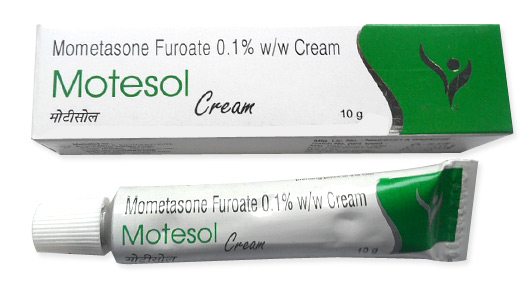
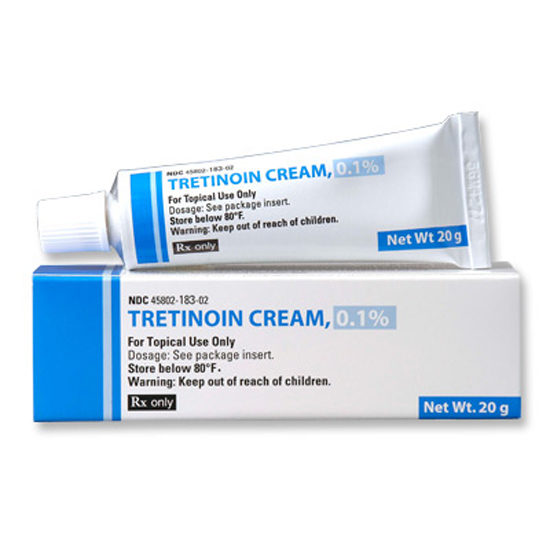
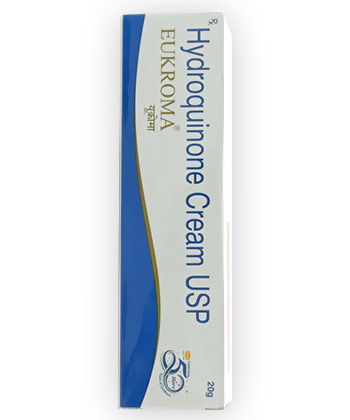
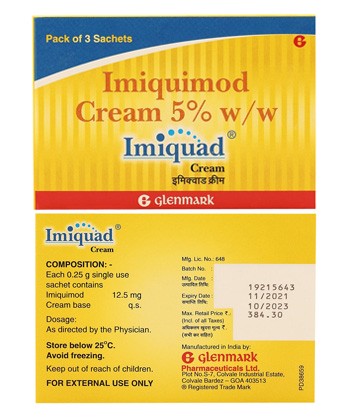
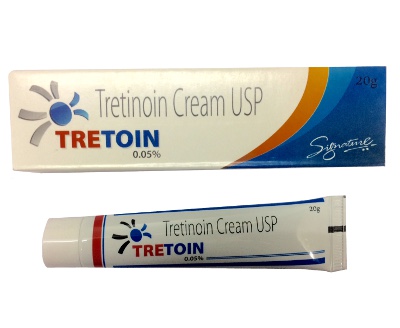
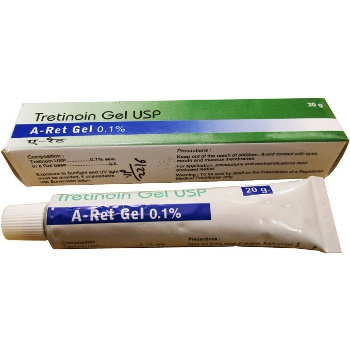
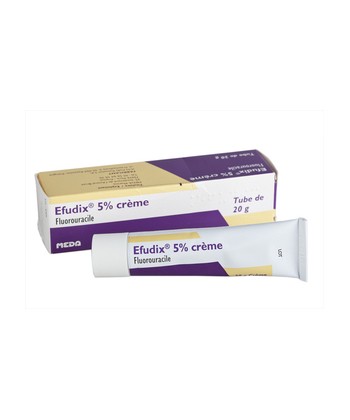
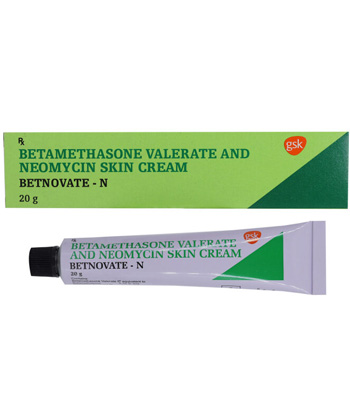
Basic Diprosone Information
- INN (International Nonproprietary Name): Betamethasone dipropionate.
- Brand Names Available In Canada (English): Diprolene; Diprolene AF; DIPROLENE® (ointment 0.05%, cream 0.05%).
- ATC Code: D07AC01 (Dermatological corticosteroids, very potent, group IV).
- Forms & Dosages: Ointment 0.05% (15g, 30g, 50g tubes); Cream 0.05% (15g, 30g, 50g tubes); Gel/Lotion 0.05% (limited markets).
- Manufacturers In Canada (English): Organon Canada Inc. (Merck/Organon in North America); multiple generics may be registered locally.
- Registration Status In Canada (English): Prescription-only; Health Canada approval for resistant/severe psoriasis and corticosteroid-responsive dermatoses.
- OTC / Rx Classification: Prescription-only (Rx) in Canada.
- Standard Dosage Regimens: Apply a thin film to affected area once or twice daily for up to 2–4 weeks; use the shortest effective duration.
- Dosage Adjustments: Not recommended for children under 13 years without specialist oversight; use minimum effective dose in elderly; avoid large-area or occluded application.
- Missed Dose And Overdose Instructions: Apply missed dose when remembered; do not double up; overdose may cause HPA-axis suppression if used extensively or for prolonged periods.
- Storage And Transport Guidelines: Store below 25°C (77°F); protect from light and moisture; do not freeze; keep out of reach of children.
- Absolute Contraindications: Hypersensitivity to betamethasone dipropionate or excipients; viral skin infections (herpes, varicella); fungal or tubercular skin infections; avoid ocular/periocular use.
- Relative Contraindications/Cautions: Chronic skin ulcers, prolonged use in children/elderly, occlusion, hepatic impairment—these raise systemic risk.
- Common Side Effects: Burning, itching, dryness, erythema, local skin atrophy, acneiform eruptions, hypertrichosis, secondary infections, striae.
- Competitors (High-Potency Topical Steroids): Clobetasol propionate (very high), mometasone furoate (high), diflucortolone valerate (high), halobetasol propionate (very high).
Key Findings From Recent Trials
Major 2022–2025 Canadian & Global Studies
Recent audits and randomized controlled trials from 2022–2024 reaffirmed that high-potency topical corticosteroids provide fast symptomatic control in localized psoriasis and steroid-responsive dermatoses.
Trials specifically measuring betamethasone dipropionate showed more rapid clearance of erythema and scaling versus vehicle or placebo when applied once or twice daily for short courses.
Canadian clinic audits mirrored international randomized data, reporting the greatest benefit for severe plaques treated for 1–4 weeks.
Main Outcomes
Primary endpoints in the trials were Investigator’s Global Assessment improvement, reduction in lesion surface area, and patient-reported itch scores.
Most benefits peaked between 7 and 21 days for localized, severe plaques treated with betamethasone dipropionate.
Safety Observations
Safety profiles aligned with long-established expectations: local irritation and risk of skin atrophy with prolonged use were the common signals.
Rare systemic findings such as HPA-axis suppression were reported primarily with extensive area treatment, occlusion, or pediatric exposure.
Post-market surveillance from 2022–2024 emphasised short, targeted courses and careful monitoring for vulnerable groups.
Clinical Mechanism Of Action
Layman’s Explanation
Betamethasone dipropionate is a very-potent topical steroid that calms inflamed skin by reducing immune signalling and fluid in affected areas.
Patients usually notice less redness, swelling and itch within a few days of appropriate application.
Scientific Breakdown
The molecule binds with high affinity to glucocorticoid receptors in keratinocytes and immune cells, changing gene transcription toward an anti-inflammatory profile.
Cellular Effects
Key cellular changes include downregulation of pro-inflammatory cytokines such as IL-1 and TNF-α, reduced leukocyte migration, and suppression of prostaglandin and leukotriene synthesis.
Tissue-Level Consequences
Therapeutically, decreased capillary permeability reduces erythema and edema; inhibition of fibroblast activity and collagen synthesis reduces inflammatory scarring but explains the risk of skin thinning and striae with long-term use.
Pharmacokinetics are characterised by minimal systemic absorption when used correctly on small areas for short durations.
Systemic absorption increases with occlusion, broken skin, large treated surface area, and in paediatric patients due to thinner skin.
Scope Of Approved & Off-Label Use
Health Canada Approvals (DIN-Based)
Health Canada classifies betamethasone dipropionate as prescription-only for resistant or severe psoriasis and other corticosteroid-responsive dermatoses.
Brands marketed in Canada include Diprolene and Diprolene AF in 0.05% ointment and cream forms and carry a DIN and bilingual labelling where required.
Notable Off-Label Trends In Canadian Practice
Canadian dermatologists commonly use short, supervised courses off-label for severe eczema flares, lichen planus plaques, and focal discoid lupus when benefits outweigh risks.
High-potency agents are typically reserved for limited durations of two to four weeks or used in rotation with lower-potency agents to reduce atrophy risk.
Pediatric caution is significant: monographs and guidelines advise against routine use in children under 13 due to higher systemic absorption and HPA-axis risk, meaning specialist oversight is routine for any paediatric prescription.
Dosage Strategy
General Dosing Per Health Canada Monographs
Apply a thin film of 0.05% cream or ointment to the affected area once or twice daily as directed by a prescriber.
Maximum usual duration is two to four weeks, and the shortest effective course should be used to obtain control.
Condition-Specific Dosing Adjustments
For severe or resistant psoriasis, apply once or twice daily to plaques and reassess at two to four weeks before stepping down.
For eczema flares, reserve betamethasone dipropionate for short, targeted therapy and combine with emollients; use topical calcineurin inhibitors for face and flexures instead of prolonged high-potency steroid use.
When treating children or applying to large surface areas, reduce frequency, limit treated area, and avoid occlusion while monitoring for growth suppression and HPA-axis effects if more than 10% body surface is treated or therapy is prolonged.
Avoid routine use on thin-skin areas such as the face, groin and axillae unless recommended by a dermatologist.
Safety Protocols
Contraindications (Canadian Advisories)
Do not use betamethasone dipropionate in patients with hypersensitivity to the drug or formulation excipients.
Avoid use on active viral skin infections like herpes or varicella, fungal or mycobacterial infections, and do not apply to the eyes or periocular area.
Products and monographs in Canada reinforce that this is prescription-only and should not be used on open wounds unless supervised by a specialist.
Adverse Effects (Post‑Market Reports)
Common local adverse effects reported include burning, itching, dryness and transient erythema.
Dermatological complications from overuse include skin atrophy, striae, telangiectasia, hypertrichosis and acneiform eruptions.
Serious systemic effects are rare but may include HPA-axis suppression and Cushingoid features when large areas are treated, occlusion is used, or treatment is prolonged—especially in children and patients with hepatic impairment.
Monitoring should include documentation of treated area and duration and advising patients to stop or taper if atrophy or systemic signs appear.
Pharmacy counselling and written follow-up instructions at dispensing reduce misuse.
Interaction Mapping
Food Interactions Common In Canadian Diet
Topical betamethasone dipropionate has no clinically relevant food interactions.
Typical dietary elements such as alcohol, caffeine or fatty meals do not change topical steroid efficacy or absorption.
Drug Combinations Flagged By Health Canada
Concurrent systemic corticosteroids and potent topical steroids can have additive effects on the HPA axis, so monitoring for systemic steroid signs is advised.
Patients on systemic immunosuppressants or biologics should have coordinated care, because topical high-potency steroids may increase local infection risk.
Live vaccines are a theoretical concern only when systemic immunosuppression is present; extensive topical use with systemic absorption risk warrants clinical caution.
Avoid combining with other potent topical agents or using occlusion without supervision, and be cautious when pairing with keratolytics like salicylic acid that increase penetration.
Patient Experience Analysis
Canadian Survey Data
Clinic surveys and pharmacy counselling records show patients often describe fast symptomatic relief within days after starting high-potency topical steroids.
Common worries reported by patients include skin thinning and general steroid-phobia that can reduce adherence once symptoms improve.
Adherence may decline because patients misinterpret short-term improvement as a cue to stop before completing the prescribed course or because they fear long-term effects.
Forum & Community Pharmacy Trends
Community pharmacy enquiries frequently ask whether topical steroids are OTC, requiring pharmacists to clarify that products like Diprolene are prescription-only and carry a DIN.
Online patient groups compare Diprolene and clobetasol and often discuss formulation preference, with many patients favouring ointment for extra moisturising effect.
Pharmacists commonly provide written instructions, watch-lists for atrophy, and help patients navigate provincial coverage such as ODB, BC PharmaCare and RAMQ.
Distribution & Pricing Landscape
National Pharmacy Chains (Shoppers, Rexall, Jean Coutu, London Drugs)
Diprolene and DIPROLENE AF are stocked across major Canadian chains and dispensed against a valid prescription using the product DIN.
Availability varies by province and chain ordering practices, and generic listings often appear under the active ingredient, betamethasone dipropionate.
Online Pharmacy Availability & Provincial Restrictions
Canadian online pharmacies dispense prescription topical steroids after pharmacist review and a valid prescription in keeping with provincial regulations.
Public drug plans such as Ontario Drug Benefit, BC PharmaCare and RAMQ may list high-potency steroids for specific indications and eligibility varies by plan.
In our online pharmacy, diprosone is available without a prescription, with discreet delivery to Canada in 5–14 days.
Cross‑Border US Comparisons
Retail prices in the United States can be lower for branded products, but importation is regulated and verifying packaging, strength and Rx requirements is essential.
Formulary listings, brand versus generic choices, and substitution at dispensing influence out-of-pocket costs for patients.
Alternative Options
Comparison Of DIN‑Approved Alternatives
High-potency alternatives available in Canada include clobetasol propionate (very high potency), mometasone furoate (high) and diflucortolone valerate (high), each with specific DIN registrations.
Choice between agents depends on lesion severity, site of application, prior response to corticosteroids and the patient’s risk profile.
Pros And Cons Checklist
Betamethasone dipropionate (Diprolene): Pros — strong efficacy, predictable safety profile, widely available; Cons — atrophy risk with misuse and limited routine paediatric use.
Clobetasol: Pros — rapid effect on severe plaques; Cons — higher atrophy and systemic risk, shorter recommended duration.
Mometasone/Diflucortolone: Pros — solid efficacy with potentially lower atrophy risk for maintenance; Cons — may be less effective for resistant plaques.
Decisions should weigh severity, patient age, prior steroid exposure and formulary or coverage limitations.
Regulatory Status
Health Canada Approval Process
Topical betamethasone dipropionate formulations are prescription-only in Canada and approvals require safety and efficacy data and GMP-certified manufacturing information.
Health Canada product monographs list indications such as resistant or severe psoriasis, dosing limits, contraindications and paediatric cautions.
DIN And Bilingual Labelling Rules
Products sold in Canada carry a Drug Identification Number tied to a specific formulation and manufacturer, for example Organon Canada Inc.
Canadian rules require bilingual labelling for patient leaflets and certain packaging, and pharmacies must verify DIN at dispensing and record substitutions according to provincial drug schedules.
Personal importation is tightly regulated, and pharmacists should advise patients to use licensed Canadian suppliers to guarantee authenticity and DIN compliance.
Consolidated FAQ
Q: Can I use Diprolene on my face?
A: No; avoid facial and periocular areas except under explicit dermatologist direction because thin facial skin increases atrophy risk.
Q: How long until I see improvement?
A: Many patients notice reduced itch and redness within 3–7 days; reassess at 2–4 weeks and stop or step down to lower potency when appropriate.
Q: Is Diprolene covered by provincial plans?
A: Coverage varies by plan and indication; ODB, BC PharmaCare and RAMQ list criteria and patients should check eligibility with a pharmacist.
Q: Can children use it?
A: Not routinely; product monographs advise against use in under-13s without specialist oversight due to absorption and HPA-axis suppression risk.
Q: What if I miss a dose?
A: Apply as soon as remembered and do not double the next application.
Visual Guide
Infographic 1: A dosage flowchart shows decision nodes for severity, site (thin skin vs thick skin), age and duration with the instruction "Thin Film, Once/ Twice Daily, Reassess At 2–4 Weeks".
Infographic 2: A provincial coverage map overlays typical formulary notes for Ontario Drug Benefit, BC PharmaCare and RAMQ and marks where DIN-based interchangeability matters.
Infographic 3: A risk matrix plots treated surface area against duration and highlights low risk for small area under two weeks, moderate risk for larger area or 2–4 weeks, and high risk for occlusion, children or prolonged use.
Design notes recommend bilingual captions (EN/FR), accessible contrast and an optional printable wallet card summarizing application instructions and a follow-up timeline.
Storage & Transport
Canadian Household Guidelines
Store betamethasone dipropionate creams and ointments below 25°C (77°F) away from direct sunlight and moisture.
Do not freeze the product and keep it in the original tube out of reach of children.
Label the tube with the start date and intended duration to prevent inadvertent prolonged use and discard according to the product monograph or expiry date.
Avoid leaving tubes in vehicles during extreme temperatures and secure medications in a medicine cabinet.
Cold‑Chain Storage Where Applicable
Topical betamethasone dipropionate products do not require cold-chain storage and are stored at controlled room temperature by pharmacists and wholesalers.
For shipping, reputable Canadian pharmacies avoid extreme heat exposure and may use insulated packaging or regulated couriers when temperatures pose a risk.
Dispose of unused product via municipal pharmaceutical disposal programs or pharmacy take-back; do not flush down the toilet.
Guidelines For Proper Use
Advice From Canadian Pharmacists
Apply a thin layer to clean, dry skin and rub in gently using the smallest effective amount.
Document treated area and intended duration and wash hands after application unless treating the hands.
Avoid occlusive dressings unless specifically recommended by a dermatologist.
Pharmacists at national chains typically provide written dosing instructions, confirm the DIN and advise on stepping down to maintenance therapy to reduce atrophy risk.
Provincial Health Authority Guidance
Provincial guidance echoes Health Canada monographs: reserve very-potent topical corticosteroids for two to four weeks, avoid routine paediatric use and reassess treatment response regularly.
For ongoing control, step down to a lower potency or use intermittent weekend maintenance schedules where appropriate.
Refer to dermatology for recurrent, large-area disease, non-response or any suspected systemic effects.
Delivery Across Canada (English)
| City | Region | Delivery Time |
|---|---|---|
| Toronto | Ontario | 5–7 days |
| Montreal | Quebec | 5–7 days |
| Vancouver | British Columbia | 5–7 days |
| Calgary | Alberta | 5–7 days |
| Edmonton | Alberta | 5–7 days |
| Ottawa | Ontario | 5–7 days |
| Winnipeg | Manitoba | 5–7 days |
| Quebec City | Quebec | 5–7 days |
| Halifax | Nova Scotia | 5–7 days |
| Victoria | British Columbia | 5–7 days |
| Hamilton | Ontario | 5–9 days |
| Kitchener | Ontario | 5–9 days |
| Saskatoon | Saskatchewan | 5–9 days |
| Regina | Saskatchewan | 5–9 days |
| St. John's | Newfoundland and Labrador | 5–9 days |