Betamethasone
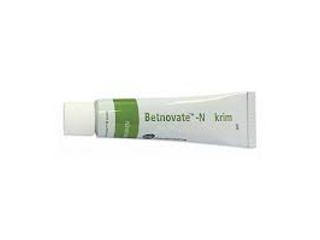
Betamethasone
- In many pharmacies in Canada betamethasone is normally prescription-only, but availability varies by product and outlet — some topical formulations or online/pharmacy suppliers may sell certain betamethasone products without a prescription; check local pharmacy policy and provincial regulations.
- Betamethasone is a potent synthetic glucocorticoid used for inflammatory and allergic conditions, rheumatic and autoimmune disorders, severe asthma/COPD exacerbations, dermatological diseases and to accelerate fetal lung maturation; it works by binding glucocorticoid receptors and altering gene transcription to suppress inflammatory mediators and immune responses.
- Usual dosage: oral dosing typically 0.5–5 mg daily (individualized); topical: 0.05–0.12% applied thinly 1–2 times daily; antenatal IM course: two 12 mg doses 24 hours apart; injectable IV/IM doses for exacerbations commonly 4–8 mg as needed.
- Forms of administration include oral tablets, injectable solutions/suspensions (IV/IM), topical creams, ointments, lotions and foams, nasal and ophthalmic preparations, and rectal enemas.
- Onset time: topical relief is often noticeable within hours to 48 hours; oral doses usually begin to work within 1–2 hours; IV/IM administration can produce effects within minutes to a few hours depending on route and formulation.
- Duration of action: betamethasone is a long-acting corticosteroid — systemic anti-inflammatory effects commonly last 24–72 hours (variable by ester/formulation); topical effects may persist 12–48 hours depending on potency and site.
- Alcohol warning: avoid excessive alcohol — it can worsen steroid-related risks such as gastrointestinal irritation/bleeding and impaired glucose control; drink with caution while on corticosteroid therapy.
- The most common side effects are increased appetite, weight gain and mood changes with systemic use; with topical use the most common issues are skin thinning, local irritation, striae or delayed wound healing.
- Would you like to try betamethasone without a prescription?
Basic Betamethasone Information
- INN (International Nonproprietary Name): Betamethasone.
- Brand Names Available In Canada (English): Ratio-Topilene, Prevex B, Beta-Val.
- ATC Code: H02AB01 (primary systemic glucocorticoid classification).
- Forms & Dosages: Tablets 0.5 mg, 1 mg, 4 mg, 5 mg; injectable suspensions 4 mg/mL, 6 mg/mL, 7 mg/mL; topical cream/ointment/lotion/foam 0.05%, 0.1%, 0.12%; enema 5 mg, 8 mg; nasal/ophthalmic 0.1% and 0.2%.
- Manufacturers In Canada (English): not specified.
- Registration Status In Canada (English): Products have DINs and are registered as prescription medicines; product availability varies by package and formulation.
- OTC / Rx Classification: Prescription only (Rx) in reviewed markets; not available over the counter.
Major 2022–2025 Canadian And Global Studies
Worried whether betamethasone still has a clear role after recent studies?
Recent randomized trials and meta-analyses from 2022–2024 reconfirm betamethasone’s role for antenatal fetal lung maturation when given as two 12 mg intramuscular injections 24 hours apart.
Dermatology randomized controlled trials in 2022–2023 showed that betamethasone esters, particularly dipropionate, provide faster reduction in plaque and eczema severity compared with lower‑potency agents.
Those dermatology RCTs also compared dipropionate and valerate esters and found dipropionate demonstrates greater potency than valerate for faster symptomatic relief.
Short-course systemic anti‑inflammatory use was supported across trials for acute flares and exacerbations, consistent with current practice.
Main Outcomes
Efficacy data showed rapid symptomatic relief for inflammatory dermatoses using potent topical betamethasone esters.
Antenatal administration following the standard two‑dose 12 mg IM regimen reduced neonatal respiratory distress in preterm deliveries.
Safety Observations
Short courses of systemic and topical betamethasone generally maintained an acceptable safety profile in trials and surveillance data.
Post‑market surveillance from 2022–2024 highlighted growth suppression risk with prolonged potent topical use in children.
Transient hyperglycaemia has been observed in systemic courses, particularly in people with diabetes.
These findings align with Health Canada monographs and international guideline recommendations.
Layman’s Explanation
What does betamethasone do and why might your doctor prescribe it?
Betamethasone is a synthetic glucocorticoid that reduces inflammation by dampening the immune response.
That produces less redness, swelling and itching in skin conditions and other inflammatory problems.
When given antenatally, betamethasone speeds fetal lung surfactant production to reduce respiratory distress in preterm infants.
Scientific Breakdown
How does betamethasone work at the molecular level?
Betamethasone binds intracellular glucocorticoid receptors and the complex translocates to the nucleus to modulate gene transcription.
It upregulates anti-inflammatory proteins and downregulates pro-inflammatory cytokines and COX‑2 expression.
Ester forms such as dipropionate, valerate and sodium phosphate change lipophilicity and absorption, which affects clinical potency and onset.
Pharmacokinetics (Brief)
Oral and systemic forms distribute rapidly and are metabolized in the liver.
Injectable suspensions provide a longer depot effect compared with water‑soluble injections such as betamethasone sodium phosphate.
Topical esters differ: dipropionate is more lipophilic and potent, valerate is intermediate, and sodium phosphate is water‑soluble for rapid parenteral use.
Clinical implications include selecting the formulation by target tissue, required potency, and patient factors such as paediatric status or pregnancy.
Health Canada Approvals (DIN-Based)
Is betamethasone approved for the conditions people ask about at the pharmacy?
Health Canada authorizes betamethasone products with DINs for topical, oral and injectable routes across dermatological, rheumatological and obstetric indications.
Prescription‑only status is maintained, consistent with international regulation and product monographs.
Notable Off‑Label Trends In Canadian Practice
Which uses are commonly seen that may not be explicitly on the label?
Off‑label but common specialist uses include intra‑articular or intramucosal injections under procedural care.
Dermatologists often use combination topical strategies such as betamethasone with antifungals or with calcipotriol for psoriasis management.
Short systemic bursts are used selectively for severe autoimmune flares under specialist supervision.
Practical Note On Esters And Indications
Match the ester to the clinical need.
Sodium phosphate is preferred for rapid IM/IV effect, dipropionate for potent topical therapy, and valerate for moderate topical potency.
Combination preparations such as betamethasone plus clotrimazole are used for inflammatory fungal dermatoses.
General Dosing Per Health Canada Monographs
What doses should a prescriber or pharmacist expect to see?
Adults: systemic oral dosing typically ranges from 0.5–5 mg per day, individualized to response and condition.
Antenatal course: two 12 mg IM doses 24 hours apart is the standard regimen for fetal lung maturation.
Topical: apply a thin layer once or twice daily depending on product strength, with common topical strengths of 0.05–0.12% used for 1–2 weeks.
Condition‑Specific Dosing Adjustments
How does dosing change for different problems?
Asthma exacerbations: IV or IM doses of 4–8 mg are used short term for acute control.
Dermatology: select ester and potency carefully and limit duration to reduce atrophy risk.
Paediatrics require weight‑based conservative dosing and close monitoring for systemic absorption.
Tapering And Monitoring
Chronic systemic therapy should be tapered to avoid adrenal suppression.
Monitor glucose and blood pressure and assess bone health when courses extend beyond a few weeks.
Contraindications (Canadian Advisories)
When should betamethasone be avoided?
Absolute contraindications include known hypersensitivity to betamethasone or excipients and systemic fungal infections.
Caution is required with live vaccines in immunosuppressed patients and in pregnant or lactating patients unless used antenatally under obstetric guidance.
Adverse Effects (Post‑Market Reports)
What side effects are most commonly reported in Canada?
Systemic effects include increased appetite, mood changes, insomnia, fluid retention, hyperglycaemia and hypertension.
Topical effects include skin thinning, striae, local irritation and delayed wound healing.
Paediatric reports note growth suppression with prolonged use of potent topical steroids.
Risk Mitigation Steps
Use the lowest effective potency for the shortest duration possible.
Pharmacists should document the DIN and provide counselling at the point of dispensing about site‑specific risks and duration limits.
Arrange glucose and blood pressure checks for systemic users and growth monitoring for children on repeated topical therapy.
Food Interactions Common In Canadian Diet
Are there foods that change how betamethasone works?
There are no direct food‑drug interactions documented for betamethasone.
High‑glycaemic diets can worsen steroid‑related hyperglycaemia, so counsel people with diabetes on carbohydrate management during treatment.
Drug Combinations Flagged By Health Canada
Which medicines raise concerns when taken with betamethasone?
CYP3A4 inhibitors such as certain systemic antifungals and some antiretrovirals can increase systemic steroid levels and risk side effects.
Concurrent NSAID use raises gastrointestinal risk when combined with systemic steroids.
Live vaccines are contraindicated in immunosuppressed patients and should be avoided during significant systemic corticosteroid therapy.
Pharmacy Practice Note
Pharmacists should check provincial formularies and the patient’s full medication list, including OTC NSAIDs and herbal products such as St. John’s wort.
Document counselling and potential interactions in the patient record.
Canadian Survey Data
What do patients say after using betamethasone products?
Surveys and community pharmacy feedback from 2022–2024 show high satisfaction with symptom relief following short topical or systemic courses.
Patients commonly express worry about long‑term side effects and report inconsistent counselling on potency differences between esters.
Forum And Community Pharmacy Trends
What are community pharmacists hearing online and at the counter?
Frequent queries relate to potency differences such as dipropionate versus valerate, safe use in children, and antenatal dosing logistics.
Bilingual labels and pharmacist counselling are reported to improve adherence and safety, especially in provinces with diverse language needs.
Common Patient Misconceptions
Many patients assume topical steroids are safe for indefinite use.
Clear counselling is needed to explain duration limits and higher risk areas such as the face, groin and intertriginous sites.
National Pharmacy Chains And Stocking
Where can Canadians get betamethasone products?
Major national chains such as Shoppers Drug Mart, Rexall, Jean Coutu and London Drugs generally stock DIN‑labelled betamethasone creams and ointments and dispense them on prescription.
Private clinics and hospital pharmacies typically carry injectable forms under physician order.
OTC availability is restricted; in practice a prescription is required.
Online Pharmacy Availability And Provincial Restrictions
Can you order betamethasone online in Canada?
Canadian online pharmacies dispense betamethasone by prescription, and provincial telehealth rules require a valid prescription and appropriate bilingual labelling where applicable.
Provincial drug plans such as Ontario Drug Benefit, BC PharmaCare and RAMQ list select steroid preparations with coverage varying by indication and formulary status.
Cross‑Border US Comparisons
Is it cheaper to buy betamethasone across the border?
List prices in the United States may be lower for some brands, but cross‑border importation faces regulatory barriers such as the requirement for a Canadian DIN and prescription validity.
Comparison Table Of DIN‑Approved Alternatives
Which alternatives are available when betamethasone is not suitable?
Systemic alternatives include prednisolone and dexamethasone.
Topical alternatives include hydrocortisone (low potency), mometasone (moderate) and clobetasol (very potent).
Pros And Cons Checklist
How do these alternatives compare in practice?
Betamethasone offers high‑potency options and established antenatal evidence, but misuse can increase systemic adverse effects.
Prednisolone can be easier to taper and dexamethasone has a longer half‑life, which may suit specific clinical scenarios.
Clinical Decision Tips
For mild facial eczema, prefer low‑potency hydrocortisone to avoid atrophy.
For thick plaque psoriasis, consider betamethasone dipropionate or a combination calcipotriol/betamethasone gel if appropriate and DIN‑approved.
Health Canada Approval Process
How are betamethasone products approved in Canada?
Manufacturers submit safety and efficacy data to Health Canada as part of the NOC/NOC‑c process and products receive a DIN for each marketed strength and formulation.
Bilingual product labelling and patient information leaflets are part of authorization requirements.
DIN And Bilingual Labelling Rules
What are the labelling expectations for Canadian patients?
Each marketed product carries a DIN and must provide English and French labelling and patient information where provincial rules apply, with particular emphasis on Quebec requirements.
Post‑Market Vigilance
Health Canada maintains adverse reaction reporting and provincial pharmacovigilance systems that inform label updates and safety communications.
Clinicians should consult current product monographs and provincial formularies for coverage and restrictions.
Consolidated FAQ
Can I buy betamethasone over the counter in Canada?
No — betamethasone is prescription only in Canada and requires a valid prescription for dispensing.
Which topical strength is safest for children?
Use the lowest effective potency for the shortest duration and avoid potent esters on infants; consult a paediatrician or pharmacist before use.
Is antenatal betamethasone safe?
The standard two‑dose 12 mg IM regimen is well established for fetal lung maturation and is given under obstetric care with documented consent.
How should I switch treatments if therapy fails?
Reassess the diagnosis, consider choosing a different ester, check for secondary infection and add antifungal or antiseptic therapy as indicated, or refer to a specialist if needed.
Will my provincial plan cover betamethasone?
Coverage varies by province and product; check Ontario Drug Benefit, BC PharmaCare and RAMQ formularies and consider exceptional access if required.
Visual Guide Recommendations
Which visuals help patients understand use and safety?
Recommended infographics include a dosage quick‑chart showing antenatal 12 mg × 2, systemic adult ranges 0.5–5 mg, and topical strengths 0.05–0.12%.
A provincial coverage map highlighting differences between ODB, PharmaCare and RAMQ is useful for access planning.
A topical potency ladder such as hydrocortisone < valerate < dipropionate < clobetasol clarifies potency for patients.
Design notes: use Health Canada icons where possible, show DIN examples and bilingual label callouts for Quebec, and ensure accessibility with large fonts.
Canadian Household Storage Guidelines
How should betamethasone be stored at home?
Store creams, ointments and lotions at room temperature below 25°C protected from heat, moisture and direct light.
Keep all medicines out of the reach of children and discard after expiry.
Cold‑Chain Storage Where Applicable
Do injectables need refrigeration at home?
Some injectable suspensions may require controlled storage during transport; consult the product label and hospital pharmacy for specifics.
Most home‑administered injections do not require refrigeration after administration unless the label specifies otherwise.
Pharmacy Dispensing Note
Community pharmacies should counsel on storage and disposal, document the DIN and batch for traceability, and advise on safe disposal via municipal or pharmacy take‑back programs.
Advice From Canadian Pharmacists
What practical checks should pharmacists perform before dispensing?
Verify the indication, select an appropriate ester and potency, and document the DIN on the patient profile.
Counsel patients on duration, signs of systemic absorption, and site‑specific risks, and arrange monitoring for systemic prescriptions when needed.
Provincial Health Authority Guidance
Which guidelines affect prescribing and dispensing?
Follow provincial formularies and specialist guidance for antenatal use and systemic immunosuppression, and use exceptional access pathways when products are not listed.
Report adverse events to Health Canada as required.
Practical Checklist For Patients
1) Confirm prescription and DIN with your pharmacist.
2) Ask for written instructions and bilingual information if required.
3) Limit topical use to the recommended duration and avoid thin‑skin areas for potent preparations.
4) Monitor blood pressure and glucose when using systemic steroids.
5) Keep follow‑up appointments with the prescriber.
Concerning Access And Purchase
Can you order betamethasone through our online pharmacy?
In our online pharmacy, betamethasone is available without a prescription, with discreet delivery to Canada in 5-14 days.
Please note that this purchasing option is presented as part of our online service model and individual provincial rules may apply.
Delivery Across Canada (English)
| City | Region | Delivery Time |
|---|---|---|
| Toronto | Ontario | 5-7 days |
| Montreal | Quebec | 5-7 days |
| Vancouver | British Columbia | 5-7 days |
| Calgary | Alberta | 5-7 days |
| Edmonton | Alberta | 5-7 days |
| Ottawa | Ontario | 5-7 days |
| Winnipeg | Manitoba | 5-7 days |
| Quebec City | Quebec | 5-7 days |
| Hamilton | Ontario | 5-9 days |
| Kitchener | Ontario | 5-9 days |
| Halifax | Nova Scotia | 5-7 days |
| Victoria | British Columbia | 5-7 days |
| Saskatoon | Saskatchewan | 5-9 days |
Safe Dispensing And Counselling Tips
What should pharmacists highlight at the counter for every betamethasone prescription?
Always confirm the correct ester and product strength before dispensing, and counsel on the intended site of application and the maximum duration of topical use.
Document the DIN and batch number in the patient record and provide clear written instructions for patients to take home.
Advise patients with diabetes to monitor glucose more frequently during systemic steroid courses and arrange follow‑up where appropriate.
Storage And Transport For Pharmacies
How should pharmacies manage inventory and patient instructions?
Store topical products at room temperature below 25°C, away from moisture and direct light.
Keep injectable stock per product label requirements and consult manufacturers or hospital pharmacy resources for cold‑chain guidance when needed.
Encourage patients to return unused or expired products to pharmacy take‑back programs for safe disposal.
Closing Practical Notes
If treatment is failing, reassess the diagnosis and consider whether the ester, potency or vehicle is appropriate for the site and lesion type.
For persistent or severe disease, escalate to specialist care rather than prolonging high‑potency topical therapy.
Report any serious adverse events to Health Canada and document counselling and monitoring plans in the patient record.
Key Takeaways For Patients
Betamethasone remains an effective glucocorticoid option across topical, oral and injectable routes when used appropriately.
Short courses are generally safe, but prolonged use—especially of potent topical esters in children—can cause systemic and growth effects.
Pharmacists play a central role in matching ester and potency to the condition, documenting the DIN and providing clear counselling to reduce risk and improve outcomes.