Amiloride
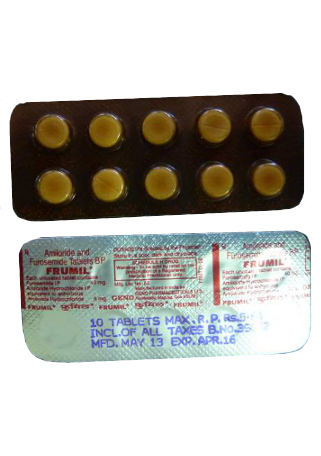
Amiloride
- Amiloride is sold in community and hospital pharmacies (brands in Canada include Apotex, Sandoz, Teva) and is legally classified as a prescription-only (Rx) medicine; while some pharmacies may sometimes dispense medications without a prescription, this is not legal or safe—always obtain amiloride with a valid prescription and medical supervision.
- Amiloride is used to treat edema, hypertension and as adjunct therapy in congestive heart failure; it is a potassium-sparing diuretic that blocks epithelial sodium channels (ENaC) in the distal nephron, reducing sodium reabsorption and decreasing potassium excretion.
- Usual adult dosages are typically 5–10 mg once daily as a starting dose; congestive heart failure dosing may be titrated to 5–20 mg per day in divided doses, and combinations with thiazides often begin with 5 mg of amiloride.
- Amiloride is administered orally as tablets, most commonly 5 mg tablets (some markets also supply 10 mg); it is also available in combination products with thiazide diuretics.
- Onset of diuretic action is generally within about 2–4 hours after an oral dose.
- The diuretic effect typically persists for approximately 24 hours after a single oral dose.
- Avoid excessive alcohol while taking amiloride because alcohol can worsen dizziness, orthostatic hypotension and dehydration; discuss alcohol use with your prescriber.
- The most common and clinically important adverse effect is hyperkalemia; other frequent effects include nausea, vomiting, diarrhoea, headache, dizziness, muscle cramps and fatigue.
- Would you like help obtaining amiloride legally with a valid prescription or information on safer, supervised access and monitoring?
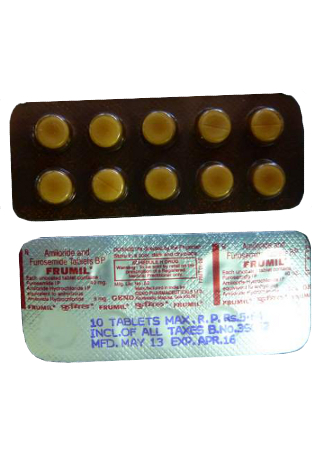
Basic Amiloride Information
- INN (International Nonproprietary Name): Amiloride.
- Brand Names Available In Canada (English): Amiloride; Apo-Amiloride; available as 5 mg tablets, bottles of 100, marketed by Apotex, Sandoz, and Teva Canada.
- ATC Code: C03DB01 (Potassium-sparing diuretics, plain).
- Forms & Dosages: Tablets, most commonly 5 mg; some markets list 10 mg tablets and combination products with thiazide diuretics such as hydrochlorothiazide/amiloride.
- Manufacturers In Canada (English): Apotex, Sandoz, Teva.
- Registration Status In Canada (English): Marketed by Health Canada — both generic and brand are available.
- OTC / Rx Classification: Prescription-only medication (Rx Only) in Canada.
Major 2022–2025 Canadian & Global Studies
Worried about whether new trials change how amiloride is used?
Recent literature from 2022 through 2025 focused on safety and real-world pharmacovigilance rather than large randomized controlled trials.
Canadian regulatory bulletins and provincial drug-safety notices emphasised monitoring of potassium when amiloride is used with RAAS inhibitors.
International cohort analyses in EU pharmacoepidemiology networks reported modest potassium-sparing benefit when amiloride was paired with thiazides compared with thiazide alone.
These analyses also found higher hyperkalemia rates in older adults and people with chronic kidney disease when amiloride is combined with ACE inhibitors, ARBs, or MRAs.
Health system trends have leaned toward generic availability and fixed-dose thiazide/amiloride products rather than new efficacy trials for amiloride hydrochloride.
Clinicians in Canada increasingly use stewardship-focused monitoring algorithms for early detection of hyperkalemia in susceptible patients.
Main Outcomes
What benefit can patients expect from adding amiloride?
Across observational datasets, amiloride reduced the incidence of thiazide-induced hypokalemia and fewer symptomatic cramps were reported compared with thiazide monotherapy.
There were no large new mortality or heart-failure efficacy trials for amiloride between 2022 and 2025.
Smaller pooled safety reviews confirmed a consistent pattern of potassium-sparing effects but limited evidence for outcomes like reduced hospital admissions or mortality compared with mineralocorticoid receptor antagonists.
Practically, the main clinical outcome is prevention of hypokalemia when using thiazides, especially useful in primary care management of hypertension.
Safety Observations
Who is at highest risk when taking amiloride?
Pooled safety signals identified the elderly, patients with eGFR below 45 mL/min/1.73 m2, and those on ACE inhibitors, ARBs, or aldosterone antagonists as highest risk groups for hyperkalemia.
Health Canada and provincial advisories (2022–2024) recommended tighter baseline potassium and renal checks and early follow-up within 1–2 weeks of starting amiloride.
Post-market reports emphasise hyperkalemia-related arrhythmia as the most serious adverse event to watch for with amiloride hydrochloride tablets.
Clinicians are advised to use lower starting doses and prompt dose reduction in frail or renally impaired patients to mitigate risk.
Layman’s Explanation
What exactly does amiloride do in plain terms?
Amiloride is a potassium-sparing diuretic that helps the kidney get rid of extra water while keeping potassium in the body.
That makes it useful when another diuretic, like a thiazide, might lower potassium too much.
Patients commonly notice fewer muscle cramps and less lightheadedness from low potassium when amiloride is added to thiazide therapy.
Scientific Breakdown
How does amiloride work at the cellular level?
Amiloride blocks epithelial sodium channels (ENaC) located on principal cells in the late distal tubule and collecting duct.
Inhibiting ENaC reduces luminal sodium entry and downstream basolateral Na+/K+ exchange, which lowers urinary potassium excretion.
Oral tablets (commonly 5 mg) have modest bioavailability and are predominantly eliminated by the kidney, so accumulation occurs with reduced GFR.
Onset of diuresis happens within hours and steady-state concentrations are reached with daily dosing.
Because ENaC selectivity is different from spironolactone’s aldosterone antagonism, endocrine side effects seen with MRAs are less likely with amiloride.
Health Canada Approvals (DIN-Based)
Is amiloride approved and how is it identified?
Health Canada lists amiloride generics and brand products with Drug Identification Numbers for each marketed strength and package.
Most Canadian packages are 5 mg tablets in bottles of 100 from manufacturers such as Apotex, Sandoz, and Teva Canada.
Approved indications align with adjunctive therapy for oedema and use in combination with thiazides for hypertension and congestive heart failure.
Product monographs and DIN checks are standard pharmacy steps to confirm authenticity and dosing guidance before dispensing.
Notable Off-Label Trends In Canadian Practice
Are clinicians using amiloride for anything beyond the label?
Primary-care teams commonly use low-dose amiloride to prevent thiazide-induced hypokalemia in patients starting therapy for hypertension.
Geriatric and frailty clinics often try cautious low-dose regimens with early monitoring to avoid hyperkalemia in older adults.
Provincial formularies sometimes restrict coverage to combination HCTZ/amiloride products under special-authority pathways.
Inhaled ENaC modulation was explored historically in cystic fibrosis research, but inhaled amiloride is not routine clinical practice in Canada.
General Dosing Per Health Canada Monographs
How is dosage usually started and titrated?
Standard adult starting dose is 5–10 mg once daily, with many clinicians initiating therapy at 5 mg to reduce hyperkalemia risk.
Doses up to 20 mg per day in divided doses are listed for refractory oedema or congestive heart failure, but high-end dosing is often avoided clinically.
Fixed-dose combination pills commonly pair 5 mg amiloride with a thiazide, such as 50 mg hydrochlorothiazide, to balance potassium effects.
For chronic hypertension, once-daily dosing is typical, while divided dosing can be considered for severe oedema.
Condition-Specific Dosing Adjustments
Who needs a different starting dose or closer monitoring?
Elderly patients should start at 5 mg once daily with early laboratory follow-up to monitor potassium and creatinine.
Renal impairment is a major concern; avoid amiloride in anuria or severe renal impairment and intensify monitoring when eGFR is below 45 mL/min/1.73 m2.
Pediatric use is generally not established and should be guided by a pediatric nephrology specialist.
When adding amiloride to ACE inhibitors, ARBs, or MRAs, plan early potassium checks within 3–7 days and consider dose reduction.
Contraindications (Canadian Advisories)
Who should not take amiloride?
Absolute contraindications include known hypersensitivity, anuria, acute or chronic severe renal impairment, Addison’s disease, and baseline hyperkalemia above 5.5 mmol/L.
Health Canada product monographs advise avoiding co-administration with potassium supplements or other potassium-sparing agents unless under strict monitoring.
Diabetes and hepatic dysfunction are relative cautions that require closer surveillance of electrolytes.
Adverse Effects (Post-Market Reports)
What side effects are reported in practice?
Hyperkalemia is the most significant adverse effect and can lead to arrhythmias if unrecognised.
Other reported side effects include nausea, vomiting, diarrhoea, headache, dizziness, muscle cramps, and fatigue.
Serious reactions such as metabolic acidosis and severe allergic responses are rare but require immediate care.
Canada Vigilance collects reports of serious hyperkalemia events, and clinicians are encouraged to submit suspected adverse reactions.
Food Interactions Common In Canadian Diet
Should patients change what they eat while on amiloride?
There are no major pharmacokinetic food interactions, but high-potassium diets can increase hyperkalemia risk for susceptible patients.
Many Canadian diets include potassium-rich foods like potatoes, bananas, and legumes that may compound risk.
Patients with risk factors should discuss dietary potassium with a pharmacist or dietitian rather than making abrupt restrictions on their own.
Drug Combinations Flagged By Health Canada
Which medicines raise the risk of harm when combined with amiloride?
Co-prescribing with ACE inhibitors, ARBs, aldosterone antagonists, potassium supplements, or potassium-based salt substitutes increases hyperkalemia risk.
NSAIDs can impair renal perfusion and indirectly raise serum potassium when used with amiloride hydrochloride.
Trimethoprim-containing antibiotics (e.g., TMP/SMX) may also raise potassium and should prompt monitoring if prescribed concurrently.
Pharmacists routinely flag these interactions at dispensing and prescribers should schedule early lab checks when combinations are unavoidable.
Canadian Survey Data
What do patients report about taking amiloride?
Community pharmacy audits and clinic surveys from 2021–2024 show patients appreciate fewer cramps and less symptomatic hypokalemia when amiloride is added to thiazide therapy.
Survey respondents also express anxiety about the frequency of blood work required after starting amiloride.
Access to timely lab testing is a common concern, especially for patients in rural or remote provinces.
Forum & Community Pharmacy Trends
How do community channels reflect real-world use?
Online forums and support groups commonly discuss worries around hyperkalemia and confusion about which foods to avoid.
Pharmacists report providing bilingual pill cards, counselling on lab timing, and reminders for monitoring as routine practice.
Dispensing trends show generics predominate and some Canadians compare cross-border prices, which requires caution about DIN verification.
National Pharmacy Chains
Where is amiloride typically dispensed across Canada?
Major retail pharmacies such as Shoppers Drug Mart, Rexall, Jean Coutu, and London Drugs dispense amiloride in English and French-labelled packaging.
Independent pharmacies and hospital outpatient pharmacies also stock 5 mg tablet bottles from domestic suppliers like Apotex, Sandoz, and Teva.
Pharmacists help patients navigate provincial formulary coverage and special-authority requirements for combination products.
Online Pharmacy Availability & Provincial Restrictions
Can amiloride be ordered online in Canada?
Canadian-licensed online pharmacies dispense prescription medications with pharmacist verification and valid e-prescriptions.
Some provinces require pharmacist follow-up or limit mail delivery for certain prescription controls, and provincial formularies set coverage rules.
In our online pharmacy, amiloride is available without a prescription, with discreet delivery to Canada (English) in 5-14 days.
Patients are advised to confirm DIN and packaging and to provide a current medication list when ordering online.
Cross-Border US Comparisons
Is there a price or availability difference with the United States?
Some Canadians living near the border compare prices for Midamor or generics and may find lower out-of-pocket costs in the US.
Importing medicines has regulatory limits and carries risks such as different labelling and absence of a Canadian DIN.
Pharmacists recommend using licensed Canadian suppliers or checking coverage options before attempting cross-border purchases.
Comparison Table Of DIN-Approved Alternatives
Which potassium-sparing alternatives exist in Canada?
- Triamterene — another ENaC blocker available in Canada and used similarly to amiloride.
- Spironolactone — an aldosterone antagonist with proven mortality benefits in HFrEF but with endocrine side effects.
- Eplerenone — an MRA with fewer endocrine effects than spironolactone but typically higher cost.
Pros And Cons Checklist
How should clinicians choose between options?
- Amiloride: Pros — direct ENaC blockade, avoids hormonal effects, widely available as 5 mg generics.
- Amiloride: Cons — hyperkalemia risk with RAAS therapy, limited heart-failure mortality data versus MRAs.
- Spironolactone/Eplerenone: Pros — mortality and remodeling benefits in HFrEF.
- Spironolactone/Eplerenone: Cons — endocrine adverse effects (spironolactone), higher monitoring burdens.
Health Canada Approval Process
How are amiloride products authorised for the Canadian market?
Amiloride products are approved through Health Canada submissions and generics enter the market via Abbreviated New Drug Submissions.
Each marketed product receives a Drug Identification Number that appears on packaging and in pharmacy systems to confirm legitimacy.
Post-market surveillance responsibilities include Canada Vigilance reporting and sponsor risk-management obligations.
DIN And Bilingual Labelling Rules
What are the packaging and labelling requirements in Canada?
Nationally distributed products must include bilingual (English/French) labelling and patient information leaflets when sold across provinces.
Pharmacies use DIN checks to ensure the correct product is dispensed and to comply with provincial formulary and coverage rules.
Consolidated FAQ
Q1: Will amiloride make my potassium too high?
A: Amiloride can raise potassium, especially with reduced kidney function or when combined with ACE inhibitors or ARBs; baseline and early follow-up potassium checks are standard.
Q2: Is amiloride covered by my provincial plan?
A: Coverage varies across ODB, BC PharmaCare, and RAMQ; some combination HCTZ/amiloride products require special-authority approval.
Q3: Can I buy it online or across the border?
A: Licensed Canadian online pharmacies dispense with valid prescriptions; cross-border purchases carry regulatory and safety caveats and may lack a Canadian DIN.
Q4: What should I tell my pharmacist?
A: Provide a full medication list including OTC NSAIDs and potassium supplements, and share recent lab results if available.
Q5: How quickly does it work?
A: Diuretic effects start within hours, and potassium effects warrant laboratory checks within 3–7 days of initiation.
Visual Guide Suggestions
What quick visuals help patients and clinicians?
Suggested infographic panels include a dosage flowchart starting at 5 mg with monitoring steps at 3–7 days and 1 month.
A provincial coverage map should show ODB, BC PharmaCare, and RAMQ with icons for major dispensing chains.
A monitoring timeline graphic should list baseline labs, 3–7 days, 1 month, and ongoing periodic checks for chronic use.
Safety icons should highlight avoiding NSAIDs and potassium supplements without medical advice and checking for ACEi/ARB co-therapy.
Canadian Household Storage Guidelines
How should amiloride tablets be stored at home?
Store amiloride tablets at controlled room temperature, approximately 20–25°C (68–77°F), protected from moisture and light.
Keep tablets in their original container with a child-resistant cap and avoid bathroom humidity or heat sources like stovetops or heaters.
Do not refrigerate and avoid freezing; short-term transport is acceptable but protect bottles from extreme winter cold during delivery.
Dispose of unused or expired tablets via pharmacy take-back programs to follow provincial medication disposal guidelines.
Cold-Chain Storage Where Applicable
Does amiloride require refrigeration or cold chain?
Amiloride tablets do not require cold-chain storage and are stable at room temperature per product monographs.
Pharmacies should nevertheless advise patients to avoid leaving medications in hot cars or direct sunlight during extreme seasonal temperatures.
Advice From Canadian Pharmacists
What practical counselling should pharmacists provide?
Confirm the indication and review the full medication list for interacting drugs such as ACE inhibitors, ARBs, MRAs, NSAIDs, and trimethoprim.
Provide clear written instructions in English and French on lab timing, including baseline and follow-up potassium and creatinine tests at 3–7 days and one month.
Explain symptoms of hyperkalemia like muscle weakness and palpitations and advise when to seek urgent care.
Document counselling in the patient record and liaise with the prescriber if labs exceed recommended thresholds.
Provincial Health Authority Guidance
How do provinces shape monitoring and access?
Provincial health authorities recommend that monitoring schedules align with local lab capacity and may support mobile phlebotomy in remote communities.
Formulary restrictions or special-authority requirements are administered provincially, and pharmacists can assist with documentation and alternate DIN choices where coverage is limited.
Ongoing adverse-event reporting to Canada Vigilance contributes to national pharmacovigilance and stewardship programs.
Delivery Across Canada (English)
| City | Region | Delivery Time |
|---|---|---|
| Toronto | Ontario | 5-7 days |
| Montreal | Quebec | 5-7 days |
| Vancouver | British Columbia | 5-7 days |
| Calgary | Alberta | 5-7 days |
| Edmonton | Alberta | 5-7 days |
| Ottawa | Ontario | 5-7 days |
| Winnipeg | Manitoba | 5-7 days |
| Quebec City | Quebec | 5-7 days |
| Halifax | Nova Scotia | 5-7 days |
| Victoria | British Columbia | 5-7 days |
| Hamilton | Ontario | 5-9 days |
| London | Ontario | 5-9 days |
| Saskatoon | Saskatchewan | 5-9 days |
Frequently Needed Warnings And Takeaway
What are the most important safety takeaways for patients?
Do not start amiloride if baseline potassium is above 5.5 mmol/L or if anuria or severe renal impairment is present.
Avoid combining amiloride with potassium supplements or other potassium-sparing agents without close monitoring.
Plan for a follow-up blood test within 3–7 days after starting or changing the dose to check potassium and creatinine.
If symptoms such as muscle weakness, palpitations, or severe lightheadedness occur, seek urgent medical attention.
Final Notes For Clinicians
How should prescribers integrate recent safety trends into practice?
Start conservative doses, especially in elderly or renally impaired patients, and coordinate early lab access for timely follow-up.
Consider amiloride when potassium-sparing is the therapeutic goal without the hormonal profile of MRAs, and document the monitoring plan in the chart.
Report serious adverse events to Canada Vigilance to contribute to ongoing pharmacovigilance and patient safety efforts.