
Lopressor
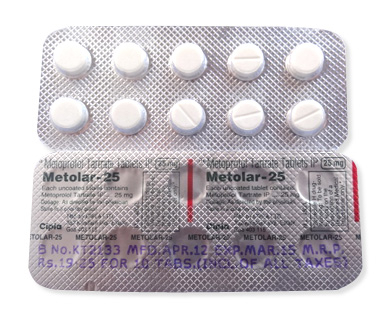
Lopressor
- In Canada and globally, lopressor (metoprolol tartrate) is supplied through pharmacies, hospital formularies and online e-shops; it is officially a prescription-only medicine in most countries, but some pharmacies and online vendors may sell lopressor without a prescription or receipt.
- Lopressor is used for hypertension, stable angina, post‑myocardial infarction care and selected cardiac indications; it is a selective beta1‑adrenergic blocker that reduces heart rate and myocardial oxygen demand.
- Usual dosing varies by indication: for hypertension/angina commonly 100 mg/day in divided doses with maintenance 100–400(–450) mg/day split into two doses; acute MI protocols include IV boluses in hospital followed by oral dosing (eg, 50–100 mg BID); heart‑failure dosing is individually titrated by a physician.
- Form of administration: oral tablets (commonly 50 mg pink and 100 mg blue lopressor tablets) taken with or after food; intravenous metoprolol ampoules exist for hospital use (not usually under the Lopressor brand).
- Onset time: oral immediate‑release metoprolol typically begins to take effect within about 1 hour (peak 1–2 hours); IV dosing produces effects within minutes in the hospital setting.
- Duration of action: immediate‑release metoprolol effects last roughly 6–12 hours (hence BID dosing); extended‑release formulations (eg, Toprol‑XL) provide roughly 24‑hour coverage.
- Alcohol warning: avoid or limit alcohol while taking lopressor — alcohol can worsen dizziness, drowsiness and hypotension and increase the risk of adverse effects.
- The most common side effect is dizziness (often accompanied by fatigue and decreased heart rate).
- Would you like to try lopressor without a prescription?

Basic Lopressor Information
- INN (International Nonproprietary Name): Metoprolol
- Brand Names Available In Canada (English): Not specified
- ATC Code: C07AB02
- Forms & Dosages: Tablet 50 mg, 100 mg (oral, with/after food); other tablet strengths up to 200 mg may exist with other brands; IV metoprolol ampoules for hospital use (not Lopressor branded).
- Manufacturers In Canada (English): Not specified
- Registration Status In Canada (English): Not specified
- OTC / Rx Classification: Prescription Only Medicine (Rx)
Key Findings From Recent Trials
Worried whether lopressor still belongs in modern post‑MI and rate‑control care?
Recent randomised trials and registry analyses from 2022–2025 position metoprolol as effective for acute post‑MI mortality reduction and for rate control in atrial fibrillation when used appropriately.
Comparative data increasingly favour beta‑blockers with proven heart‑failure mortality evidence — such as bisoprolol, carvedilol and metoprolol succinate — over short‑acting metoprolol tartrate for chronic HFrEF.
Canadian observational registries show stable outpatient prescribing of metoprolol tartrate for hypertension and angina, with inpatient practice shifting toward succinate formulations when heart‑failure evidence is required.
Safety observations in post‑market surveillance remain consistent.
The most commonly reported adverse events are bradycardia, hypotension and bronchospasm.
Community pharmacovigilance also notes neuropsychiatric effects such as fatigue and depressed mood in a minority of patients.
Practical implications for clinicians include adherence to established acute MI dosing (IV 5 mg ×3 then oral transition) and using standard oral ranges for tartrate when indicated (100–450 mg/day split dosing).
Extended‑release metoprolol succinate is preferred for once‑daily convenience and where heart‑failure mortality data are sought.
Clinical Mechanism Of Action
What does lopressor do to the heart and why does that help blood pressure?
Lopressor (metoprolol) slows the heart rate and reduces contractility by blocking heart‑specific adrenaline receptors.
This reduces myocardial oxygen demand, lowers blood pressure and helps control fast heart rhythms.
Layman’s Explanation
If your heart races or works too hard, lopressor makes it beat a bit slower and less forcefully.
That eases chest pain, lowers blood pressure and helps some arrhythmias feel better controlled.
Scientific Breakdown
The International Nonproprietary Name is metoprolol and the ATC classification is C07AB02.
It is a cardioselective β1‑adrenergic receptor antagonist at typical therapeutic doses.
Receptor Selectivity
Metoprolol preferentially blocks β1 receptors in the heart which reduces heart rate and contractility.
Selectivity is dose‑dependent and less absolute at higher doses where β2 blockade can occur.
Because of cardioselectivity, metoprolol usually has less bronchial β2 impact than nonselective beta‑blockers at usual doses.
Pharmacokinetics & Metabolism
Metoprolol tartrate is well absorbed after oral administration and is available in 50 mg and 100 mg tablets.
It undergoes extensive hepatic metabolism, with CYP2D6 as a predominant pathway.
Patients with hepatic impairment may require dose reductions and closer monitoring because the drug is metabolised in the liver.
Formulation differences matter: the tartrate salt is immediate release and typically given twice daily, while metoprolol succinate (Toprol‑XL) is extended‑release and given once daily.
Cardioselectivity and pharmacokinetics support use in many patients with hypertension, but clinicians must use caution in severe asthma, marked conduction disease and significant hepatic dysfunction.
Scope Of Approved And Off‑Label Use
Are the things my doctor mentioned on the product label or off‑label practice in Canada?
Health Canada Approvals (DIN‑Based)
Health Canada classifies metoprolol as a prescription medication and approved products in Canada must carry a DIN and bilingual labelling.
Approved indications generally mirror global labelling and include hypertension, stable angina and acute myocardial infarction management.
Heart‑failure use is sometimes listed with clinical discretion depending on product; clinicians often choose agents with specific heart‑failure evidence when appropriate.
Dosing forms for community use include tablets in 50 mg and 100 mg strengths and hospital intravenous formulations for acute care.
Notable Off‑Label Trends In Canadian Practice
Prescribers in Canada commonly document off‑label uses that reflect international practice.
Examples include migraine prophylaxis, performance anxiety and certain tachyarrhythmias when other agents are unsuitable.
Pediatric use is uncommon and not routinely recommended due to limited safety and efficacy data.
Geriatric patients typically start at lower doses and require careful titration because sensitivity to beta‑blockers increases with age.
Provincial drug plans — such as Ontario Drug Benefit, BC PharmaCare and RAMQ — list metoprolol on formularies, but coverage rules differ by product and indication.
Community pharmacies commonly dispense Lopressor as generic metoprolol tartrate and pharmacists routinely verify DIN and provincial coverage at the point of sale.
Dosage Strategy
How should lopressor be started and adjusted for common conditions?
General Dosing Per Health Canada Monographs
For adults with hypertension or angina, a common starting regimen is metoprolol tartrate 100 mg per day divided into two doses, with a maintenance range of 100–450 mg per day split into multiple doses.
For acute myocardial infarction in hospital, typical initial intravenous dosing is 5 mg given three times at two‑minute intervals as tolerated, followed by oral transition.
One inpatient oral protocol is 50 mg every six hours for 48 hours then 100 mg twice daily as tolerated.
Condition‑Specific Dosing Adjustments
Hypertension management often starts lower in elderly patients — for example, 25–50 mg total daily or equivalent before uptitration while monitoring blood pressure and heart rate.
Stable angina commonly begins at about 100 mg per day divided and is titrated to effect on symptoms and heart rate.
Post‑MI therapy begins with the hospital IV protocol when appropriate and then moves to oral dosing as the patient stabilises.
Special populations require adjustments.
Elderly patients need lower starting doses and slow titration with close monitoring of HR and BP.
Hepatic impairment usually warrants dose reduction due to hepatic metabolism of metoprolol.
Renal impairment has less direct effect on clearance, but monitor for bradycardia and hypotension regardless.
When stopping therapy, taper over one to two weeks to reduce the risk of rebound angina or arrhythmia.
Missed dose advice: take as soon as remembered unless near the next dose and never double doses.
Safety Protocols
What warnings and side effects should make me call my clinic or go to the emergency department?
Contraindications (Canadian Advisories)
Absolute contraindications include severe bradycardia, second‑ or third‑degree AV block unless a pacemaker is present, cardiogenic shock and severe or decompensated heart failure requiring IV inotropes.
Known hypersensitivity to metoprolol or excipients is also an absolute contraindication.
Relative cautions include asthma or COPD because of the bronchospasm risk, diabetes since beta‑blockers can mask hypoglycaemia symptoms, peripheral arterial disease, pheochromocytoma without alpha‑blockade and moderate hepatic impairment.
Adverse Effects (Post‑Market Reports)
Commonly reported mild to moderate effects include dizziness, fatigue, depressed mood and gastrointestinal upset.
Bradycardia, hypotension and cold extremities are frequent clinical findings that require monitoring.
Serious events such as bronchospasm in people with reactive airways, profound hypotension and heart block can require emergency care.
Overdose management may involve atropine, vasopressors and intravenous fluids with hospital monitoring.
Pharmacists in Canada advise baseline heart‑rate and blood‑pressure checks and careful medication reconciliation for CYP2D6 inhibitors and interacting agents.
Interaction Mapping
Could my coffee, herbal product or other medications change how lopressor works?
Food Interactions Common In Canadian Diet
Absorption of metoprolol tartrate is oral and can be taken with or after food.
Heavy alcohol intake can increase the risk of hypotension when combined with beta‑blockers.
Grapefruit juice has limited impact because metoprolol is predominantly metabolised by CYP2D6 rather than CYP3A4, but caution with herbal products and supplements remains prudent.
Drug Combinations Flagged By Health Canada
Calcium‑channel blockers such as verapamil and diltiazem increase the risk of bradycardia and atrioventricular block when used with metoprolol.
Certain antidepressants that inhibit CYP2D6, such as fluoxetine and paroxetine, can raise metoprolol blood levels and require monitoring or dose adjustment.
Antiarrhythmics and other drugs that reduce heart rate or conduction require close review for additive effects.
In patients with diabetes, metoprolol can mask typical hypoglycaemia warning signs and may alter glucose metabolism; clinical monitoring is advised.
Clonidine concomitant use has additive bradycardia and hypotension concerns and complicated withdrawal interactions; coordinated tapering plans are important.
Pharmacists at community chains and hospitals routinely screen prescriptions to flag these combinations and advise monitoring of heart rate and blood pressure.
Patient Experience Analysis
How do Canadians describe living with lopressor day to day?
Canadian Survey Data
Provincial pharmacovigilance summaries and patient surveys highlight early fatigue and dizziness as frequent reasons for non‑adherence.
A minority of patients report mood changes or cognitive symptoms that can lead to treatment discussions with prescribers.
Some patients express concern about sexual dysfunction while on beta‑blockers and may request alternatives.
Forum And Community Pharmacy Trends
Community pharmacy counselling often focuses on timing with meals, recognition of bradycardia, and planning a taper when therapy ends.
Online forums and patient groups frequently discuss switching from tartrate BID regimens to once‑daily succinate ER formulations for convenience and smoother blood‑pressure control.
Pharmacists report frequent requests for generics driven by cost and provincial formulary coverage.
Rural and Indigenous communities raise access concerns such as travel for titration visits and fewer same‑day pharmacy services in remote areas.
Canadian clinicians emphasise shared decision‑making and carefully documenting adverse effects when considering alternative beta‑blockers.
Distribution And Pricing Landscape
Where can I buy lopressor in Canada and how much might it cost?
National Pharmacy Chains
Lopressor and generic metoprolol tartrate are commonly dispensed across major Canadian chains and independent pharmacies.
Packaging is DIN‑labelled and bilingual and may come in blister packs or bottles, with Lopressor typically colour‑coded (50 mg pink, 100 mg blue) where the brand is supplied.
Online Pharmacy Availability & Provincial Restrictions
Online pharmacies list Lopressor 50 mg and 100 mg, but prescription validation and provincial dispensing rules apply.
Patients should confirm DIN and provincial coverage, as formularies like ODB, BC PharmaCare and RAMQ have varying criteria and copay rules.
In our online pharmacy, lopressor is available without a prescription, with discreet delivery to Canada (English) in 5‑14 days.
Patients are advised to buy from accredited pharmacies to ensure product authenticity, DIN labelling and access to medication reviews.
Cross‑Border US Comparisons
Generic metoprolol prices may be lower in some US e‑pharmacies, but importation raises concerns about customs, lack of DIN oversight and safety verification.
Canadian pharmacists recommend purchasing through Canadian accredited pharmacies to access provincial adjudication and pharmacist counselling.
Alternative Options
What other beta‑blockers might my prescriber consider instead of lopressor?
Comparison Of DIN‑Approved Alternatives
Common DIN‑approved alternatives in Canada include atenolol, bisoprolol, carvedilol, nebivolol and metoprolol succinate (Toprol‑XL).
Atenolol is once‑daily and renally cleared but may have different beta1 selectivity characteristics at higher doses.
Bisoprolol has strong heart‑failure evidence and is once‑daily for many patients.
Carvedilol provides nonselective beta‑blockade with added alpha‑blocking vasodilation and is beneficial in HFrEF and post‑MI left ventricular dysfunction.
Nebivolol offers a vasodilatory nitric‑oxide component and is often well tolerated in older patients.
Pros And Cons Checklist
- Efficacy For Indication: choose a drug with the right evidence base for the condition.
- Heart‑Failure Mortality Data: bisoprolol, carvedilol and metoprolol succinate have supporting data preferred in HFrEF.
- Dosing Frequency: tartrate is usually twice daily while succinate is once daily.
- Side‑Effect Profile: consider fatigue, bronchospasm risk and mood effects when selecting an alternative.
- Drug Interactions & Metabolism: review CYP pathways and interacting comedications.
- Cost And Coverage: check provincial formularies and DIN differences before switching.
Regulatory Status
How does Health Canada regulate lopressor and what paperwork should I expect?
Health Canada Approval Process
Health Canada evaluates quality, safety and efficacy data before granting market authorisation and assigning a Drug Identification Number (DIN).
Approved drug products must meet bilingual labelling requirements and include DIN, lot number, expiry and manufacturer details for pharmacist verification.
Post‑market adverse events are reportable to Health Canada and provincial formularies use DINs for listing and reimbursement decisions.
DIN And Bilingual Labelling Rules
Substitutions between tartrate generics and brand Lopressor are permitted under provincial regulations, but pharmacists must follow substitution rules and obtain patient consent where required.
Importation of products without a DIN is restricted and pharmacists advise patients to confirm DIN and provincial coverage when sourcing metoprolol.
Consolidated FAQ
What do patients ask most about lopressor in Canada?
- Is Lopressor covered by provincial drug plans?
Often yes, but coverage depends on product (tartrate vs succinate), indication and each provincial formulary’s criteria.
- Can I switch from Lopressor to Toprol‑XL?
Possibly, but the prescriber must calculate an equivalent dose, consider the indication and monitor closely after the change.
- What should I monitor while on metoprolol?
Monitor resting heart rate and blood pressure and report dizziness, fainting, worsening breathlessness or mood changes.
- Can I stop metoprolol abruptly?
No; taper over one to two weeks to reduce the risk of rebound angina or arrhythmia.
- Where can I get Lopressor safely?
Through accredited Canadian pharmacies — in store or verified online — that supply DIN‑labelled products and provide counselling.
Visual Guide
Would a quick chart help me remember dosing, coverage and where to buy lopressor?
Recommended infographic modules for Canadian audiences include a dosing flowchart showing start dose, titration steps and special population adjustments.
Include a provincial coverage map with icons for ODB, BC PharmaCare and RAMQ and copay notes.
Supply channels graphics should show accredited brick‑and‑mortar chains, verified online pharmacies and cautions on cross‑border importation.
A safety checklist infographic should list absolute contraindications, common side effects and emergency signs to watch for.
Design tips: call out the DIN, show bilingual labels and use colour cues aligning with Lopressor packaging (50 mg pink, 100 mg blue) to help patients recognise tablets.
Storage And Transport
How should I store and carry my lopressor at home and when I travel in Canada?
Canadian Household Guidelines
Store Lopressor tablets at room temperature between 15°C and 30°C, away from direct light and moisture.
Keep medication in its original packaging with the DIN and expiry visible for pharmacy and customs queries.
Avoid leaving tablets in vehicles during Canadian winters where freezing could damage them or in prolonged summer heat.
Cold‑Chain Storage Where Applicable
Intravenous hospital ampoules of metoprolol do not require vaccine‑style cold chain, but handle according to hospital pharmacy guidance.
Return expired or unused lopressor to a pharmacy for safe disposal; many provincial take‑back programmes are available at major chains.
Guidelines For Proper Use
What practical steps will make lopressor therapy safer and more effective?
Advice From Canadian Pharmacists
Pharmacists verify indication and DIN, review for interacting medications and counsel on the dosing schedule.
They emphasise monitoring heart rate and blood pressure and instruct on tapering over one to two weeks when stopping therapy.
Documenting and reporting side effects promptly helps clinicians choose alternatives if needed.
Provincial Health Authority Guidance
Provincial guidance encourages shared care with primary care follow‑up within one to four weeks after initiation or dose changes.
Refer to cardiology for complex heart‑failure or arrhythmia management and request pharmacy medication reviews to support adherence.
Bring a current medication list and recent BP/HR readings to appointments and notify prescribers about asthma, COPD or diabetes before starting metoprolol.
Pharmacists can check provincial formularies using the DIN to confirm reimbursement and advise on next steps for coverage appeals where necessary.
Delivery Across Canada (English)
| City | Region | Delivery Time |
|---|---|---|
| Toronto | Ontario | 5-7 days |
| Montreal | Quebec | 5-7 days |
| Vancouver | British Columbia | 5-7 days |
| Calgary | Alberta | 5-7 days |
| Edmonton | Alberta | 5-7 days |
| Ottawa | Ontario | 5-7 days |
| Winnipeg | Manitoba | 5-7 days |
| Quebec City | Quebec | 5-7 days |
| Halifax | Nova Scotia | 5-9 days |
| Victoria | British Columbia | 5-9 days |
| Saskatoon | Saskatchewan | 5-9 days |
| St. John’s | Newfoundland and Labrador | 5-9 days |
| London | Ontario | 5-9 days |
Storage And Transport Reminder
Do I need to worry about customs or carrying my medication on a plane?
Keep lopressor in carry‑on luggage during flights and retain the pharmacy label and prescription details for customs or security questions.
Use original packaging to show the DIN and expiry when asked by pharmacists or authorities.
Final Practical Tips
What are the one‑minute checks before I take lopressor each day?
Check your pulse and blood pressure if you can, and do not take the dose if your resting heart rate is unusually low unless advised by your prescriber.
Avoid sudden changes in posture after dosing to lower the risk of dizziness from hypotension.
Keep a medication list that shows lopressor (metoprolol tartrate) and any CYP2D6 inhibitors such as certain antidepressants so pharmacists can spot interactions.
Report severe fatigue, new breathlessness, fainting or signs of bronchospasm immediately.
For coverage questions, present the DIN to your pharmacist who will check provincial formularies and advise on cost options or generic substitution rules.