Pain relief medications, also known as analgesics, work by reducing or eliminating pain signals in the body. These medications can be categorized into several types, each functioning differently to provide comfort and improve quality of life. Understanding how these medications work helps patients make informed decisions about their pain management options.
Over-the-counter and prescription pain relievers are available to treat various types of pain, from minor headaches and muscle aches to severe chronic conditions. The choice of medication depends on the type of pain, its severity, and individual health factors. Many Canadians rely on these medications to maintain their daily activities and improve their well-being. Common active ingredients include acetaminophen, ibuprofen, and naproxen, which are widely available across Canadian pharmacies.
Over-the-counter pain relievers are accessible without a prescription and are suitable for mild to moderate pain management. These medications are commonly used for headaches, muscle aches, menstrual cramps, and minor injuries. Popular brands available in Canadian pharmacies include Tylenol, Advil, and Motrin.
Acetaminophen products like Tylenol are effective for reducing fever and relieving pain. They work by affecting the brain's pain perception and temperature regulation. Acetaminophen is gentle on the stomach and suitable for people who cannot take nonsteroidal anti-inflammatory drugs.
Ibuprofen, found in brands like Advil and Motrin, is a nonsteroidal anti-inflammatory drug that reduces inflammation and pain. It is particularly effective for conditions involving inflammation, such as arthritis or sports injuries. Ibuprofen typically provides longer-lasting relief than acetaminophen.
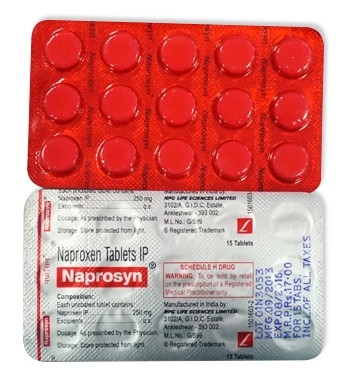
Naproxen sodium, available as Aleve in Canada, offers extended pain relief lasting up to twelve hours. This medication is ideal for people seeking longer intervals between doses and is effective for various types of pain and inflammation.
Prescription pain medications are recommended for moderate to severe pain that does not respond to over-the-counter options. These stronger medications require professional medical supervision and are prescribed by healthcare providers based on individual patient needs and medical history.
Prescription nonsteroidal anti-inflammatory drugs include medications like meloxicam and naproxen in higher doses. These are commonly prescribed for chronic pain conditions, arthritis, and post-surgical pain management. They provide more potent anti-inflammatory effects than their over-the-counter counterparts.
Opioid medications are reserved for severe pain management and are typically prescribed for cancer pain, post-operative pain, or severe injury. These medications carry specific risks and require careful monitoring by healthcare professionals. Canadian regulations ensure these medications are dispensed responsibly through licensed pharmacies.
Topical pain relief products include creams, gels, and patches containing active ingredients like menthol or capsaicin. These products are applied directly to the skin over the affected area and are effective for localized pain such as muscle strains, joint pain, and arthritis. Brands like Voltaren Emulgel are popular topical options in Canada.
Different types of pain require different treatment approaches. Understanding which pain management strategy works best for your specific situation ensures you receive optimal relief and comfort.
Acute pain develops suddenly from injury or illness and typically responds well to over-the-counter pain relievers or short-term prescription medications. This type of pain usually resolves as the underlying cause heals.
Chronic pain persists for extended periods and requires comprehensive management strategies. This may include a combination of medications, physical therapy, and lifestyle modifications. Long-term pain management plans are developed with healthcare providers to ensure safety and effectiveness.
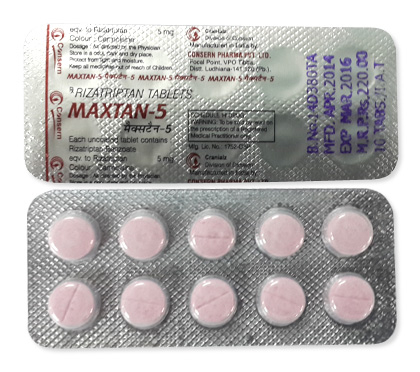
Headaches and migraines affect millions of Canadians and respond well to various pain relief options. Tension headaches often improve with acetaminophen or ibuprofen, while migraines may require stronger prescription medications like triptans. Identifying headache triggers helps determine the best treatment approach.
Muscle and joint pain from exercise, strain, or arthritis responds well to anti-inflammatory medications and topical treatments. Heat and cold therapy combined with pain relievers often provide optimal relief. Regular exercise and proper posture help prevent recurring muscle and joint discomfort.
Menstrual pain, also called dysmenorrhea, is effectively managed with nonsteroidal anti-inflammatory drugs taken at the first sign of discomfort. Starting medication before pain becomes severe provides better relief. Many Canadian women find ibuprofen or naproxen particularly effective for this purpose.
Taking pain relief medications safely is essential to avoid adverse effects and complications. Always follow the recommended dosage instructions on the package or as prescribed by your healthcare provider. Do not exceed maximum daily doses, as this can lead to serious health complications.
Interactions with other medications are important considerations when taking pain relievers. Some medications can reduce effectiveness or increase risks when combined with pain relief drugs. Your pharmacist can review your complete medication list to identify potential interactions.
Persistent pain lasting more than ten days requires medical evaluation to identify the underlying cause. Severe pain occurring suddenly or accompanied by other symptoms needs immediate medical attention. Healthcare providers can determine appropriate treatment and rule out serious conditions.
People with chronic health conditions like heart disease, kidney problems, or stomach ulcers should consult doctors before starting new pain medications. Pregnant women should discuss pain management options with their healthcare provider to ensure safety for both mother and baby.
If over-the-counter pain relievers are not providing adequate relief, prescription options may be necessary. Healthcare providers can assess your pain and recommend stronger medications suited to your specific situation. Regular monitoring ensures the chosen treatment remains effective and safe.
Canadian pharmacists are valuable resources for pain management advice. They can recommend appropriate products, discuss potential side effects, and identify medication interactions. Consulting pharmacists helps ensure you select the most suitable pain relief option for your needs.