
Lioresal
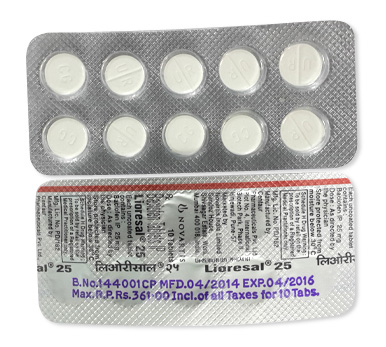
Lioresal
- In some pharmacies, lioresal (baclofen) may be available without a prescription, depending on local regulations and the seller; however, in Canada and most other markets it is a prescription-only medicine. Availability may vary by pharmacy and region.
- Lioresal is used to treat spasticity caused by multiple sclerosis, spinal cord disorders, cerebral palsy, and other neurologic conditions. Its active ingredient, baclofen, is a centrally acting skeletal muscle relaxant that works mainly as a GABA-B receptor agonist to reduce nerve signals that cause muscle stiffness and spasms.
- The usual oral starting dose for adults is 5 mg three times daily, then it is increased gradually as needed; the typical maximum dose is up to 80 mg/day in divided doses. Dosing must be individualized, especially for children, older adults, and people with kidney problems.
- Lioresal is available as oral tablets, oral solution, oral suspension, oral granules, and intrathecal injection. Tablets are commonly 10 mg or 25 mg, while intrathecal forms are used in specialist care.
- The effect usually begins within about 1 to 2 hours after an oral dose, though the exact onset can vary by person, dose, and formulation. Intrathecal baclofen may act more quickly under specialist administration.
- The duration of action is generally about 4 to 8 hours for oral baclofen, which is why it is often taken several times per day. Intrathecal therapy can provide longer continuous control depending on the dosing regimen.
- Alcohol should be avoided because it can increase drowsiness, dizziness, confusion, and the risk of severe central nervous system depression.
- The most common side effects are drowsiness, fatigue, weakness, dizziness, nausea, headache, constipation, and trouble sleeping. These effects are often more noticeable when treatment is first started or when the dose is increased.
- Would you like to try lioresal without a prescription?
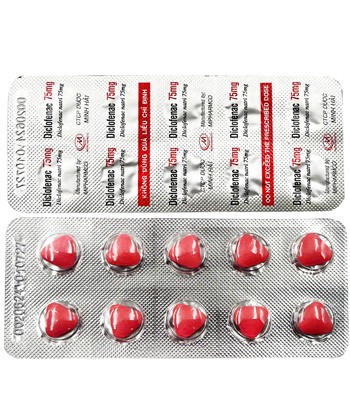
Basic Lioresal Information
- INN (International Nonproprietary Name): Baclofen
- Brand names available in Canada (English): Lioresal; generic baclofen may also be dispensed depending on the product and province
- ATC Code: M03BX01
- Forms & dosages: Tablet 10 mg, 25 mg; oral solution 5 mg/5 mL, 1 mg/mL, 5 mg/mL; oral granules 5 mg, 10 mg, 20 mg; oral suspension 5 mg/5 mL, 25 mg/5 mL; intrathecal injection 0.05 mg/mL up to 2 mg/mL
- Manufacturers in Canada (English): Novartis; Sun Pharma; Teva; Mylan; multiple local generic manufacturers
- Registration status in Canada (English): Approved in Canada for spasticity; also approved in other major markets
- OTC / Rx classification: Prescription only
Recent Baclofen Trials And What They Mean For Canadian Care
Major 2022–2025 Canadian And Global Studies
Is baclofen still a useful choice when spasms are affecting sleep, transfers, or walking?
Recent baclofen studies continue to support baclofen spasticity treatment for multiple sclerosis, spinal cord injury, and cerebral palsy, especially when stiffness is part of long-term neurorehabilitation.
Across newer Canadian-relevant prescribing trends and international data, oral baclofen and intrathecal baclofen both remain in routine use, but the route matters a lot.
Oral therapy is still the usual starting point in baclofen Canada care, while intrathecal therapy is reserved for severe cases or when side effects limit oral dosing.
Clinical reports from recent years consistently show reduced spasms, easier stretching, and better comfort in the patients who tolerate titration well.
Functional gains are most noticeable when spasticity is the main barrier to dressing, hygiene, sleep, or rehabilitation participation.
In real-world use, adherence can be the weak point, since daytime sleepiness and weakness are common reasons people back off the dose.
Safety observations from recent literature remain familiar: sedation, dizziness, weakness, and renal-clearance concerns are the key issues.
Withdrawal risk is also well described, and that is why baclofen prescription Canada counselling always includes tapering rather than abrupt stopping.
How Baclofen Works In The Body
Layman’s Explanation
Ever wonder why a muscle relaxant baclofen can feel more like a “calming” medicine than a painkiller?
Baclofen lowers the nerve signals that drive spasms and stiffness, so muscles are less likely to lock up.
That is why baclofen tablets and baclofen oral solution are used for spasticity rather than a simple muscle strain.
Scientific Breakdown
Baclofen is a GABA-B agonist that acts in the spinal cord to suppress excitatory neurotransmission.
By dampening those signals, it reduces reflex overactivity and helps with spasticity relief.
Intrathecal baclofen can work with much smaller doses because the medicine is delivered closer to the spinal fluid, which may reduce systemic side effects compared with oral baclofen.
Approved Use And Off-Label Use In Canadian Practice
Health Canada Approvals
In Canada, Lioresal and other baclofen products are prescription medicines used for spasticity linked to neurological disease.
Dispensing is DIN-based, so the pharmacy checks the exact product, strength, and formulation before supply.
Depending on the manufacturer and stock, patients may receive brand Lioresal or Generic baclofen.
Notable Off-Label Trends In Canadian Practice
Has a specialist ever suggested baclofen for a symptom that was not classic spasticity?
That happens in some neurorehab and pain-clinic settings, where severe muscle tightness or select neuropathic cases may be considered.
Still, the evidence quality is lower outside approved spasticity indications, so off-label use needs careful judgement.
For a customer comparing baclofen Canada options, it is worth remembering that a prescription is normally required for community dispensing, while our online pharmacy offers lioresal without a prescription with discreet delivery to Canada (English) in 5-14 days.
Dosage Strategy And Titration
General Dosing Per Health Canada Monographs
What dose usually gets started first?
The standard oral starting dose is 5 mg three times daily, then the dose is increased gradually as tolerated.
Typical maximum dosing is up to 80 mg per day in divided doses.
That is why baclofen 10 mg and baclofen 25 mg tablets are common search terms, especially when patients need a practical titration plan.
Condition-Specific Dosing Adjustments
Adults usually start low and go slow, because sedation often appears before the anti-spasm benefit is fully established.
Older adults are more sensitive to CNS effects, so elderly dosing should start at the lower end and move up more cautiously.
Paediatric use is specialist-led, and baclofen under 12 years is not typical unless there is specialist guidance.
Renal impairment is the biggest adjustment point, since baclofen is cleared renally and can accumulate in moderate to severe kidney disease.
Intrathecal dosing is individualized, often beginning with a test dose and then titrated in a specialist setting.
Safety Protocols And When Baclofen Is Not A Good Fit
Contraindications And Cautions
Could baclofen be unsafe for someone with a particular medical history?
Absolute contraindications include allergy to baclofen or excipients, and some products also list active peptic ulcer as a restriction.
Use extra caution in epilepsy, mental illness or psychosis, renal or hepatic dysfunction, respiratory disease, and diabetes.
Common And Serious Adverse Effects
The most common baclofen side effects are drowsiness, fatigue, weakness, nausea, headache, insomnia, dizziness, increased urinary frequency, and constipation.
These effects are often most noticeable during titration and may ease as the body adjusts.
Serious risks are less common but important: withdrawal, seizures, hallucinations, respiratory depression, and overdose emergencies.
A missed taper can be a real problem, because baclofen withdrawal may cause severe stiffness, agitation, and seizures.
If overdose is suspected, medical assessment is urgent because CNS depression and hypotonia can become dangerous quickly.
Interaction Mapping For Everyday Canadian Use
Food And Drink Interactions
What is the one interaction patients bring up most often?
Alcohol is the practical concern, because it can add to sedation and make baclofen feel much stronger.
The same caution applies to other CNS depressants, since the combination can leave someone unusually sleepy or unsteady.
Drug Combinations Flagged By Health Canada
High-risk combinations include opioids, benzodiazepines, sleep aids, antihypertensives, and other sedating medicines.
In older adults, polypharmacy plus reduced kidney function can raise the risk of baclofen interactions and next-day impairment.
That is why pharmacists often review the full medication list before a refill, especially when baclofen Canada patients are also taking pain or sleep medicines.
What Patients Say About Baclofen In Real Life
Survey Themes From Canadian Patients
Do patients actually feel the difference, or is baclofen just another tablet?
Patient-reported themes are pretty consistent: spasms often improve, but sleepiness and weakness can limit how far the dose is pushed.
That trade-off is common with baclofen tablets, especially in people trying to stay active through the day.
Community Pharmacy Trends And Questions
Pharmacy teams often hear the same questions again and again.
People want to know what to do after a missed dose, whether driving is safe, and if alcohol should be avoided completely.
Another common concern is whether baclofen stops working over time, but in many cases the real issue is dose timing or inconsistent use.
Adherence can slip when the evening dose makes a person too sleepy, so counselling around timing and tapering matters a lot for baclofen spasticity treatment.
How Baclofen Is Priced And Supplied Across Canada
National Pharmacy Chains
Can every pharmacy in Canada fill the same baclofen prescription?
Not always.
Availability can vary by province, DIN, and stocking patterns, especially for brand Lioresal versus generic stock.
Large chains such as Shoppers, Rexall, Jean Coutu, and London Drugs may carry baclofen, but the exact product and strength can differ.
Generics are often easier to source than brand-name packs, which is one reason Generic baclofen is commonly used in routine fills.
Online Pharmacy Availability And Provincial Restrictions
Online ordering is still prescription-based in standard Canadian pharmacy practice, with identity checks and provincial dispensing rules in place.
For a Friday-evening refill request, that can make timing important, especially if a patient is trying to avoid missing a weekend dose.
Cross-border shoppers also compare Canadian and US pricing, but exchange rates and packaging differences often change the final cost more than the sticker price does.
Intrathecal products are a different pathway entirely and are handled through specialist care rather than routine retail purchase.
Alternatives To Baclofen
Comparison Of Common Options
| Medicine | Main Action | Typical Use | Sedation Burden |
|---|---|---|---|
| Tizanidine | Alpha-2 adrenergic agonist | Spasticity | Moderate to high |
| Diazepam | Benzodiazepine | Spasticity and anxiety | High |
| Cyclobenzaprine | Centrally acting muscle relaxant | Muscle spasm, not spasticity | Moderate to high |
| Dantrolene | Peripheral muscle action | Selected spasticity cases | Variable |
Pros And Cons Checklist
Baclofen is often preferred when the problem is true spasticity rather than a simple muscle strain.
Another agent may fit better when sedation is the limiting factor, when renal disease is present, or when baclofen does not control symptoms well enough.
For some patients, tizanidine vs baclofen becomes the real decision point, while others need a specialist to consider dantrolene or diazepam.
Regulatory Status In Canada And Product Labelling
Health Canada Approval Process
Why is baclofen prescription Canada status taken so seriously?
Because prescription-only medicines go through evidence review, safety review, and product labelling before they are authorised for use.
That process is what helps keep product information aligned with approved spasticity indications and known risks.
DIN And Bilingual Labelling Rules
DINs help identify the exact product for dispensing and reimbursement purposes.
Where applicable in Canada, labelling is expected to meet bilingual English and French requirements.
That is one reason a baclofen tablets bottle may look slightly different depending on the manufacturer, even when the active ingredient is the same.
Consolidated Frequently Asked Questions
Is Lioresal The Same As Baclofen?
Yes.
Lioresal is a brand name for baclofen.
Can Baclofen Be Taken With Alcohol?
Alcohol is not a good idea with baclofen because both can increase drowsiness and dizziness.
How Long Before It Works?
Some people notice reduced stiffness fairly early, but the dose often needs gradual titration before the full effect is seen.
What If A Dose Is Missed?
Take it soon as remembered unless it is almost time for the next dose, and do not double up.
Why Does The Pharmacy Need A Prescription?
Baclofen is a prescription medicine in Canada, so the pharmacy needs a valid prescription for standard dispensing.
Visual Guide To Buying And Using Baclofen
A simple infographic can make baclofen Canada counselling easier to follow.
One panel can show the starting dose ladder from 5 mg three times daily, then the gradual titration steps toward a divided daily dose.
A second panel can map provincial coverage touchpoints, since reimbursement and product access can differ by plan.
A third panel can show the purchase flow from prescription or refill request to pharmacy verification and delivery.
A dose chart, a coverage chart, and an access flow are usually enough to help patients understand where Generic baclofen or Lioresal fits into everyday care.
Storage And Transport
Where should baclofen be kept at home?
Room temperature is the rule, ideally protected from moisture and light.
It should also be kept out of reach of children.
Baclofen oral solution and baclofen suspension should be handled carefully during travel, especially in hot cars or damp bathrooms.
Intrathecal products have stricter handling requirements and should not be frozen.
Guidelines For Proper Use
Canadian pharmacists usually give the same core advice every time: start low, increase slowly, and never stop suddenly.
Tapering is important because abrupt discontinuation can trigger withdrawal symptoms, including hallucinations, seizures, and severe stiffness.
Missing one dose does not mean the next one should be doubled, since that can raise the chance of side effects.
Driving and alcohol avoidance should be discussed early, especially while the dose is still being adjusted.
For ongoing coverage questions, patients can ask about ODB, BC PharmaCare, and RAMQ rules where relevant to their province.
Regular follow-up is worth it, because chronic spasticity management often changes over time as mobility, rehabilitation goals, and kidney function change.
Delivery Across Canada (English)
| City | Region | Delivery time |
|---|---|---|
| Toronto | Ontario | 5-7 days |
| Ottawa | Ontario | 5-7 days |
| Hamilton | Ontario | 5-7 days |
| Mississauga | Ontario | 5-7 days |
| Montreal | Quebec | 5-7 days |
| Quebec City | Quebec | 5-7 days |
| Calgary | Alberta | 5-7 days |
| Edmonton | Alberta | 5-7 days |
| Winnipeg | Manitoba | 5-7 days |
| Vancouver | British Columbia | 5-7 days |
| Victoria | British Columbia | 5-9 days |
| Halifax | Nova Scotia | 5-7 days |
| Saskatoon | Saskatchewan | 5-9 days |
| Regina | Saskatchewan | 5-9 days |
| St. John’s | Newfoundland and Labrador | 5-9 days |