Depression is one of the most common mental health conditions affecting Canadians today. It goes beyond occasional sadness and involves persistent feelings of emptiness, hopelessness, and loss of interest in daily activities. Major Depressive Disorder, Persistent Depressive Disorder, and Seasonal Affective Disorder are different types that require proper treatment and management. Understanding the symptoms and seeking professional help early can make a significant difference in recovery outcomes.
Several antidepressants are available through Canadian pharmacies to help manage depression effectively. SSRIs (Selective Serotonin Reuptake Inhibitors) like sertraline, fluoxetine, and citalopram are considered first-line treatments and are often prescribed initially due to their effectiveness and tolerability. SNRIs such as venlafaxine and duloxetine are also widely prescribed when SSRIs may not be suitable. Tricyclic antidepressants and atypical options like bupropion and mirtazapine offer valuable alternatives when other medications don't provide adequate relief.
Anxiety disorders encompass various conditions including Generalized Anxiety Disorder, Panic Disorder, Social Anxiety Disorder, and Specific Phobias. These conditions cause excessive worry, fear, and physical symptoms like rapid heartbeat and trembling. Anxiety disorders are highly treatable with proper medication and therapy combined, and many Canadians find significant relief through appropriate treatment plans tailored to their specific needs.
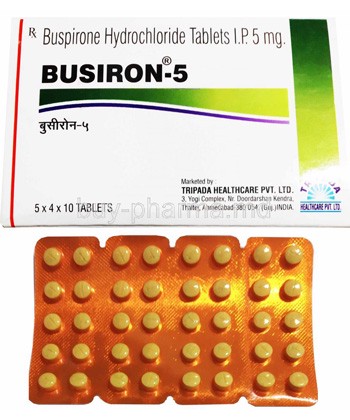
SSRIs are considered first-line treatment for anxiety, with medications like paroxetine and escitalopram showing excellent results in clinical practice. Benzodiazepines such as lorazepam and clonazepam provide short-term relief but are used cautiously due to dependency risks. Buspirone offers a non-addictive alternative for ongoing anxiety management without the habit-forming potential of benzodiazepines. Beta-blockers like propranolol help manage physical anxiety symptoms such as trembling and palpitations.
Bipolar Disorder involves extreme mood swings between depressive episodes and manic or hypomanic episodes. People with bipolar disorder experience periods of elevated mood and increased energy followed by deep depression. This condition requires long-term medication management to prevent relapse and maintain stability, making consistent treatment adherence crucial for managing this complex disorder.
Lithium remains a gold-standard mood stabilizer despite newer alternatives becoming available in Canadian pharmacies. Anticonvulsants like valproate and lamotrigine are effective for many patients and may be preferred by some individuals. Atypical antipsychotics including quetiapine, olanzapine, and aripiprazole are commonly used for bipolar management. These medications work together to help prevent both manic and depressive episodes from occurring.
Psychotic Disorders, including Schizophrenia, involve symptoms like hallucinations, delusions, and disorganized thinking. These conditions significantly impact a person's ability to function in daily life but are manageable with proper treatment. Early intervention and consistent medication lead to better outcomes and improved quality of life, making prompt diagnosis and treatment initiation essential components of care.
First-generation antipsychotics like haloperidol are available but less commonly used today due to side effects. Second-generation antipsychotics including risperidone, olanzapine, quetiapine, and aripiprazole are preferred treatments with better tolerability profiles. Paliperidone and lurasidone offer additional options for patients requiring alternatives. These medications work by affecting dopamine and serotonin levels in the brain to reduce psychotic symptoms.
OCD involves intrusive, unwanted thoughts (obsessions) and repetitive behaviours (compulsions) that cause significant distress and interfere with daily functioning. Body Dysmorphic Disorder and Hoarding Disorder fall into related categories. These conditions are more common than people realize and respond well to targeted treatment approaches combining medication and specialized therapy techniques.
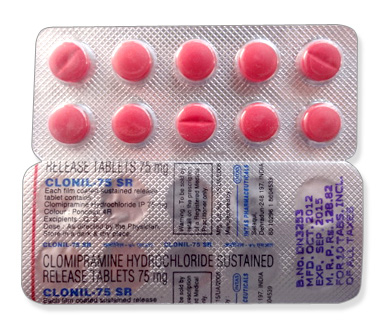
SSRIs are first-line treatments for OCD, with fluoxetine, sertraline, and paroxetine showing effectiveness in managing symptoms. These are often prescribed at higher doses than those used for depression to achieve optimal results. Augmentation strategies might include adding antipsychotics or other medications when SSRIs alone are insufficient. Clomipramine, a tricyclic antidepressant, is another effective option that many Canadian patients benefit from using.
Attention-Deficit/Hyperactivity Disorder affects both children and adults, causing difficulties with focus, impulse control, and organization. ADHD significantly impacts academic performance, work productivity, and relationships when left untreated. Proper diagnosis and treatment can dramatically improve functioning and quality of life, making professional evaluation an important first step in the treatment journey.
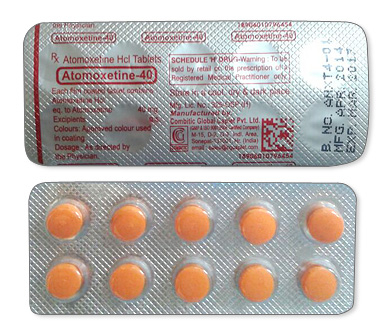
Stimulant medications including methylphenidate and amphetamine-based products are most commonly prescribed for ADHD management. These include various formulations like immediate-release and extended-release options to suit individual needs and schedules. Non-stimulant alternatives such as atomoxetine and guanfacine provide options for those who don't tolerate stimulants well. Each medication offers different benefits regarding duration and side effect profiles, allowing healthcare providers to customize treatment plans.