Anafranil
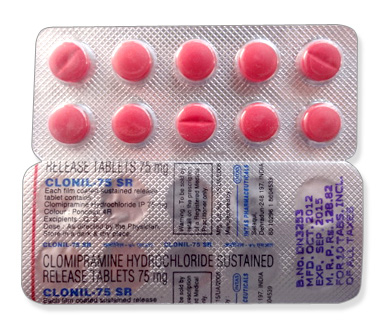
Anafranil
- In Canada Anafranil is a prescription-only medication sold in hospital and retail pharmacies and via licensed online pharmacies; although some pharmacies or sellers may offer Anafranil without a prescription or receipt, this is unsafe and not recommended—consult a prescriber before obtaining or using it.
- Anafranil (clomipramine) is mainly used to treat obsessive–compulsive disorder (OCD) and sometimes depressive disorders; it is a tricyclic antidepressant that potently inhibits serotonin reuptake (and to a lesser extent norepinephrine reuptake) and has significant anticholinergic properties.
- Typical dosing for OCD starts at 25 mg at bedtime, increasing by ~25 mg/day as tolerated; usual adult maintenance ranges from 100–250 mg/day (maximum 250 mg/day); for depression doses are individualized (often up to ~150 mg/day); pediatric dosing for OCD often starts at 25 mg/day and may increase to ~3 mg/kg/day (max ~200 mg/day in young adolescents); elderly patients should start at lower doses and titrate slowly.
- Administered orally as capsules or tablets (commonly 25 mg, 50 mg, 75 mg; some regions also have 10 mg formulations), taken once daily or divided per prescriber instructions.
- Some sedative or side-effect relief may be noticed within hours to days, but therapeutic benefit for OCD or depression typically begins within 2–4 weeks, with full effect often taking 8–12 weeks.
- The clinical duration of action is roughly 24 hours with daily dosing (steady state achieved over days to weeks); therapeutic benefits persist with continued treatment and recede after discontinuation.
- Avoid alcohol: drinking alcohol with Anafranil increases sedation, dizziness, risk of impaired coordination and orthostatic hypotension, and may worsen side effects—do not combine without medical advice.
- The most common side effects include drowsiness and dry mouth; other frequent reactions are dizziness, constipation, blurred vision, tremor, tachycardia, orthostatic hypotension, nausea, sweating and weight gain.
- Would you like to try anafranil without a prescription?



Basic Anafranil Information
- INN (International Nonproprietary Name): Clomipramine
- Brand Names Available In Canada (English): Anafranil (capsules commonly supplied as 25 mg, 50 mg, 75 mg)
- ATC Code: N06AA04
- Forms & Dosages: Capsules and tablets in 10 mg (varies), 25 mg, 50 mg and 75 mg presentations; oral administration.
- Manufacturers In Canada (English): Major originator Novartis Pharma AG (via Sandoz) and international suppliers noted in product listings include Sun Pharma, Zydus, Torrent, Teva and Sanofi.
- Registration Status In Canada (English): Prescription-only medication (Rx) marketed as Anafranil in Canada; consult Health Canada/product monograph or your pharmacist for specific DIN and product details.
- OTC / Rx Classification: Prescription-only medication (Rx) in all countries surveyed.
Key Findings From Recent Trials (2022–2025)
Worried whether Anafranil still works when SSRIs fail?
Recent studies and meta-analyses from 2022 to 2025 focused on treatment-resistant obsessive–compulsive disorder and SSRI‑refractory cases.
Several controlled trials and pooled analyses reaffirmed that clomipramine produces a larger effect size versus placebo in patients with refractory OCD.
Canadian tertiary‑centre case series published between 2022 and 2023 reported clinically meaningful response rates when clomipramine was used as second‑line therapy or as augmentation after failed SSRIs and cognitive behavioural therapy.
Outcome signals included faster partial response in a subset of refractory patients and higher remission rates versus placebo in historical trials, findings that modern meta‑analyses confirmed.
Pediatric efficacy is supported by regulatory filings showing an indication for OCD in patients aged 10 years and older in jurisdictions such as the United States.
Safety observations from 2022–2024 repeatedly noted a higher anticholinergic and cardiovascular adverse‑event profile compared with SSRIs.
Post‑market reports emphasise orthostatic hypotension and a risk of QT‑prolongation, particularly in older adults and patients on multiple medications.
These findings are consistent with international guidelines that list clomipramine (Anafranil, ATC N06AA04) as the standard tricyclic antidepressant for refractory OCD.
Common search queries in Canada include Anafranil, clomipramine efficacy, refractory OCD trials and Anafranil Canada when people check the evidence and local availability.
Clinical Mechanism Of Action
How does Anafranil calm obsessive thoughts and compulsions?
Clomipramine is a tricyclic antidepressant that raises extracellular serotonin and, to a lesser extent, norepinephrine by blocking their reuptake.
That serotonin increase helps restore neurotransmitter balance involved in obsessive thoughts and compulsive behaviours.
At the molecular level, clomipramine is a potent inhibitor of the serotonin transporter (SERT), which is the primary mechanism linked to symptom reduction in OCD.
Norepinephrine reuptake inhibition contributes to mood and activation effects but is less dominant than the serotonergic action.
Anticholinergic activity from muscarinic receptor antagonism explains common side effects such as dry mouth, constipation and blurred vision.
Electrophysiologically, clomipramine affects sodium and potassium channels and can prolong conduction intervals, which underlies arrhythmia and QT‑prolongation risks.
Those cardiac actions are the reason ECG monitoring is recommended for older patients or those with cardiac disease.
Clomipramine is metabolized in the liver by CYP enzymes, notably CYP2D6 and CYP1A2.
Strong CYP2D6 inhibitors can raise clomipramine levels and increase the chance of adverse events, so enzyme interactions matter in dosing and monitoring.
Scope Of Approved And Off‑Label Use
Can Anafranil be used beyond OCD?
In Canada Anafranil (clomipramine) is prescription‑only and is established clinically as the TCA indicated primarily for obsessive‑compulsive disorder.
For exact DIN and full product monograph consult Health Canada or your pharmacist before starting therapy.
International regulatory authorities such as the FDA include an approved indication for OCD, including pediatric patients aged 10 years and older.
Off‑label uses seen in Canadian specialty clinics include augmentation for treatment‑resistant depression, refractory panic‑spectrum disorders and some chronic pain syndromes when standard options have failed.
Clinicians also use clomipramine in selected paediatric OCD cases after multiple SSRI failures, following careful risk–benefit assessment.
Guideline positioning generally places clomipramine as a second‑line agent after several SSRI trials or as an augmentation strategy for partial responders.
Off‑label prescribing requires a documented rationale, informed consent and closer monitoring because of the higher anticholinergic and cardiac risks compared with SSRIs.
Common pharmacy search terms include Anafranil Canada, clomipramine Canada and clomipramine prescription Canada for patients checking access and dosing.
Dosage Strategy
What dose should I expect when a prescriber starts Anafranil?
Typical initiation is 25 mg at bedtime with gradual increases of 25 mg/day as tolerated.
Maintenance doses for adults commonly fall between 100 mg and 250 mg per day divided into two or three doses.
The commonly cited maximum is 250 mg/day.
For OCD in adults clinicians titrate to the effective dose, which often lies in the 100–250 mg/day range.
Pediatric dosing for OCD (FDA‑supported for age ≥10 years) usually starts at 25 mg with weight‑based titration toward approximately 3 mg/kg/day, not to exceed about 200 mg/day in adolescents; follow the product monograph.
In elderly patients start at the lowest dose and titrate slowly while monitoring ECG because of increased anticholinergic and cardiac risk.
Practical titration often occurs over 2–3 weeks during the acute phase, then the lowest effective maintenance dose is continued.
When stopping therapy taper slowly to reduce withdrawal and anticholinergic rebound symptoms rather than stopping abruptly.
Common dosage references include Anafranil 25 mg and Anafranil 50 mg capsules found in pharmacy stock lists.
Safety Protocols
Which conditions make Anafranil unsafe for me?
Absolute contraindications include recent myocardial infarction, concurrent MAO inhibitor therapy, known hypersensitivity to clomipramine or other tricyclic antidepressants, acute post‑MI recovery and severe liver disease.
Exercise caution in patients with prostatic hypertrophy, narrow‑angle glaucoma or a seizure history.
Common adverse effects reported in post‑market surveillance include drowsiness, dizziness, tremor, dry mouth, constipation, nausea, tachycardia, orthostatic hypotension, weight gain, sweating and blurred vision.
Serious reactions include cardiac arrhythmias, QT‑prolongation, seizures and severe anticholinergic delirium, especially in elderly patients.
Monitoring recommendations: baseline ECG for patients over 40 or those with cardiac risk factors, and electrolytes if the patient is on diuretics.
Also review concomitant QT‑prolonging drugs and assess hepatic function where indicated.
Adverse drug reactions should be reported to Health Canada’s MedEffect to support pharmacovigilance.
Interaction Mapping
What foods or drugs can change how Anafranil works?
Alcohol commonly potentiates sedation and orthostatic effects, so patients should be counselled to avoid or minimise alcohol while taking clomipramine.
Grapefruit juice can inhibit CYP3A4 and may raise tricyclic levels; advise caution with grapefruit consumption.
High caffeine intake can worsen anxiety and insomnia while on clomipramine and should be discussed during counselling.
Major drug interactions flagged by Health Canada include MAO inhibitors, which are contraindicated because of life‑threatening serotonin syndrome risk.
SSRIs and SNRIs pose major cautions due to additive serotonergic effects and pharmacokinetic interactions; for example, fluoxetine and paroxetine inhibit CYP2D6 and can raise clomipramine exposure.
Avoid combinations with other QT‑prolonging agents, anticholinergics and certain antiarrhythmics and sodium‑channel blockers unless specialist review supports co‑prescribing.
CYP2D6 inhibitors increase clomipramine levels and may require dose reductions or closer monitoring, while CYP inducers such as carbamazepine can lower efficacy.
Pharmacist review of all current medications is essential before starting Anafranil to map interactions and adjust dosing safely.
Patient Experience Analysis
What do Canadian patients say about first‑hand use of Anafranil?
Provincial patient surveys and tertiary OCD clinic reports between 2020 and 2024 indicate that people with long‑standing, treatment‑resistant OCD often report meaningful improvement on clomipramine after SSRI failure.
However, discontinuation due to side effects such as dry mouth, sedation and weight gain is commonly reported.
Patient satisfaction improves when dose optimisation, pharmacist counselling and routine follow‑up are provided.
Community forums and pharmacy counselling logs show real‑world practical steps: start low and move slow, check cardiac history and ask about sexual side effects and cognitive blunting.
Many Canadian patients search for cost savings by switching to generic clomipramine or asking pharmacists about Anafranil tablets pricing.
Community pharmacists at major chains routinely screen for polypharmacy and recommend ECGs for at‑risk patients before higher doses are dispensed.
Overall the patient‑reported benefit in refractory cases is balanced by tolerability concerns that require a clear monitoring plan and informed consent.
Distribution And Pricing Landscape
Where can Canadians buy Anafranil and how much does it cost?
Anafranil and generic clomipramine are dispensed across major Canadian chains including Shoppers Drug Mart, Rexall, Jean Coutu and London Drugs, though pack sizes and availability can vary by store.
Chain pharmacists provide product monographs, screen for contraindications and can check provincial formulary coverage and special‑authority requirements.
Licensed Canadian online pharmacies also dispense Anafranil with a valid prescription and can ship nationwide.
Provincial formularies such as Ontario Drug Benefit, BC PharmaCare and RAMQ may list coverage criteria and often require special authority for second‑line agents or high‑dose therapy.
Some provincial plans restrict coverage to patients with documented SSRI treatment failure before approving clomipramine.
Price dynamics differ from the United States where retail prices are typically higher, and personal importation is subject to customs and prescription validity rules.
For Canadian regulatory traceability look for bilingual labelling and a Drug Identification Number on the packaging when purchasing.
Note: In our online pharmacy, anafranil is available without a prescription, with discreet delivery to Canada (English) in 5-14 days.
Alternative Options
Should you try a different medicine before Anafranil?
First‑line therapy for OCD typically includes SSRIs such as sertraline, fluoxetine and paroxetine, which generally offer better tolerability than clomipramine.
When SSRIs fail, clomipramine has evidence of higher efficacy in refractory cases but carries more anticholinergic and cardiac risks.
Imipramine is another TCA sometimes used but is less serotonergic than clomipramine and thus often less effective for OCD specifically.
Augmentation agents for partial responders include antipsychotics such as risperidone and aripiprazole under specialist supervision.
Pros of clomipramine: established efficacy in refractory OCD and an FDA‑supported paediatric OCD indication for age ≥10 years.
Cons of clomipramine: higher anticholinergic burden, greater cardiac risk, numerous drug interactions and a tolerability profile that can lead to discontinuation.
Pros of SSRIs: more favourable safety and side‑effect profile for most patients.
Decisions should weigh prior SSRI trials, comorbidities, polypharmacy and patient preference and include pharmacist input for interaction checks.
Regulatory Status
How is Anafranil reviewed and tracked in Canada?
Clomipramine products enter the Canadian market through regulatory submissions evaluated by Health Canada, which assesses safety, efficacy and labelling before assigning a DIN.
Prescribing is prescription‑only and product monographs outline approved indications, dosing and warnings.
Every marketed presentation carries a Drug Identification Number that clinicians and pharmacists use to confirm the specific strength and formulation.
Canadian labelling and patient information supplied by pharmacies adhere to bilingual labelling rules where applicable for nationally marketed products.
Adverse events are reported to Health Canada’s MedEffect and inform national safety advisories and pharmacovigilance actions.
Consolidated FAQ
Is Anafranil covered by my provincial plan?
Coverage varies by province and plan; check Ontario Drug Benefit, BC PharmaCare or RAMQ and expect special‑authority criteria for second‑line use.
Can I drive on Anafranil?
Possible sedation and dizziness mean you should avoid driving or operating machinery until you know how the medication affects you.
Do I need an ECG?
A baseline ECG is recommended for patients with cardiac risk, age over 40 or those taking other QT‑prolonging drugs.
What about pregnancy and breastfeeding?
Discuss risks and benefits with your prescriber and pharmacist; avoid abrupt discontinuation and individualise decisions during pregnancy and lactation.
How do I switch from an SSRI to Anafranil?
Switching strategies vary and should be coordinated with the prescriber and pharmacist to avoid serotonin syndrome; cross‑tapering or washout periods may be used depending on the SSRI involved.
Visual Guide (Infographics To Produce)
What quick visuals make counselling easier?
Infographic 1: Dosage Ladder — start 25 mg at bedtime, increase by 25 mg/day, target 100–250 mg/day; paediatric note: up to 3 mg/kg/day with adolescent max ≈200 mg/day.
Infographic 2: Provincial Coverage Map — flags for Ontario Drug Benefit, BC PharmaCare and RAMQ with likely special‑authority steps.
Infographic 3: Purchase Channels — icons for in‑store chains (Shoppers, Rexall, Jean Coutu, London Drugs) vs licensed online pharmacies; include DIN lookup and bilingual labelling icons.
Infographic 4: Safety Checklist — baseline ECG, medication review, avoid MAOIs, alcohol caution and monitoring schedule.
Production Notes: use DIN and bilingual labelling icons and cite Health Canada and Anafranil product information for accuracy.
Storage And Transport
How should Anafranil be stored at home and while travelling?
Store at 20–25°C (68–77°F) protected from light and moisture in the original packaging with any child‑resistant cap provided.
Secure storage is recommended in households with children or people with cognitive impairment.
Clomipramine does not require refrigeration and cold‑chain storage is not applicable.
Avoid extremes of temperature such as freezing or high heat during transport.
When travelling within Canada or to the United States carry the original prescription and packaging and keep documentation of the DIN to aid customs or cross‑border verification.
Guidelines For Proper Use
What will Canadian pharmacists check before dispensing Anafranil?
Pharmacists perform a baseline medication reconciliation to identify QT‑prolonging and serotonergic drugs and screen for contraindications such as recent MI or MAOI use.
Pharmacists counsel patients on anticholinergic effects, advise avoiding alcohol and recommend slow titration with follow‑up 1–2 weeks after dose changes.
Use the DIN to confirm the product and check provincial formulary coverage or special‑authority requirements prior to dispensing.
Provincial health authorities advise documenting prior SSRI trials when starting clomipramine for OCD and obtaining baseline ECGs for at‑risk patients.
Practical checklist for prescribers and pharmacists: confirm the validity of the prescription, screen for contraindications, order an ECG when indicated and enrol the patient in pharmacist follow‑up.
Delivery Across Canada (English)
| City | Region | Delivery Time |
|---|---|---|
| Toronto | Ontario | 5-7 days |
| Montreal | Quebec | 5-7 days |
| Vancouver | British Columbia | 5-7 days |
| Calgary | Alberta | 5-7 days |
| Edmonton | Alberta | 5-7 days |
| Ottawa | Ontario | 5-7 days |
| Winnipeg | Manitoba | 5-9 days |
| Halifax | Nova Scotia | 5-9 days |
| Regina | Saskatchewan | 5-9 days |
| St. John's | Newfoundland and Labrador | 5-9 days |
| Saskatoon | Saskatchewan | 5-9 days |
| Victoria | British Columbia | 5-7 days |
Final Notes And When To Call Your Pharmacist
Ask your pharmacist if you are unsure about interactions with current medications such as SSRIs, antiarrhythmics or CYP2D6 inhibitors.
Seek urgent care for signs of overdose, significant palpitations, fainting, new chest pain or severe confusion.
Keep a written list of all medicines and bring it to every appointment, including the DIN of the Anafranil product dispensed.
Report any serious adverse reactions to Health Canada’s MedEffect to contribute to national safety monitoring.
When in doubt, contact your prescriber or pharmacist to confirm dosing, ECG needs and monitoring frequency for safe use of clomipramine in Canada.