Hormones are chemical messengers produced by various glands in your body that regulate essential functions and maintain overall health. These powerful substances travel through your bloodstream to affect nearly every cell and organ system. From metabolism and growth to mood and reproduction, hormones play a crucial role in keeping your body functioning properly. When hormone levels become imbalanced, it can lead to various health conditions that may require medical intervention.
Understanding how hormones work helps you recognize when supplementation or treatment might be necessary. Many Canadians experience hormonal imbalances at different life stages, whether due to aging, stress, medical conditions, or lifestyle factors. The endocrine system, which produces these vital chemicals, includes the pituitary gland, thyroid, adrenal glands, and reproductive organs. Each gland has specific responsibilities in maintaining your body's delicate hormonal balance.
The thyroid gland produces hormones that control your metabolism, energy levels, and body temperature. When this gland doesn't function properly, it can cause weight gain, fatigue, hair loss, and mood changes. Hypothyroidism, where the thyroid produces insufficient hormones, is one of the most common hormonal conditions in Canada.
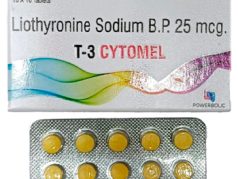
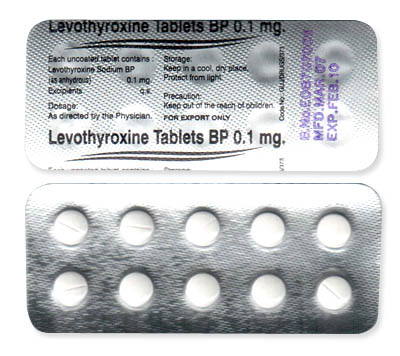
Levothyroxine is the most widely prescribed thyroid hormone replacement medication available in Canadian pharmacies. This synthetic form of thyroid hormone helps restore normal metabolic function and energy levels. Alternative options include liothyronine and combination preparations containing both T3 and T4 hormones. Many Canadian patients benefit from regular monitoring and dosage adjustments to find their optimal thyroid hormone level.
Supporting thyroid health involves multiple approaches:
Your healthcare provider will determine the best thyroid hormone approach based on your specific lab results and symptoms.
Female hormones regulate menstruation, fertility, bone health, and emotional well-being throughout a woman's life. Estrogen and progesterone levels naturally fluctuate during the menstrual cycle, pregnancy, and menopause. Many Canadian women experience symptoms like hot flashes, night sweats, mood swings, and sleep disturbances during perimenopause and menopause.
Hormone replacement therapy (HRT) containing estrogen and progesterone can effectively manage these symptoms and improve quality of life. Available options in Canada include oral tablets like conjugated estrogens and estradiol, as well as transdermal patches and creams. Bioidentical hormone replacement therapy using hormones chemically identical to those produced by your body is increasingly popular among Canadian patients.
Additional hormone management options include:
Treatment decisions should involve discussing benefits and risks with your healthcare provider, considering family history and personal health factors.
Testosterone is essential for male development, sexual function, muscle mass, bone density, and emotional well-being. Declining testosterone levels, often called low T or hypogonadism, affect many Canadian men as they age. Symptoms include reduced energy, decreased libido, erectile dysfunction, mood changes, and loss of muscle mass.
Testosterone replacement therapy is available in multiple forms to suit different patient preferences and needs. Testosterone cypionate and testosterone enanthate are common injectable forms prescribed by Canadian physicians. Topical gels and creams like testosterone gel provide convenient daily dosing options that many men prefer. Transdermal patches deliver consistent hormone levels through the skin throughout the day, while oral medications containing testosterone are less commonly used due to liver metabolism concerns.
Managing testosterone health involves:
Your doctor will determine appropriate dosing based on your symptoms, age, and baseline hormone levels to achieve optimal results.
The adrenal glands produce cortisol, a stress hormone that affects energy, immune function, inflammation, and blood sugar regulation. Chronic stress can lead to adrenal fatigue, characterized by persistent tiredness, difficulty concentrating, and weakened immunity. Canadian patients dealing with ongoing stress, anxiety, or recovery from illness often benefit from adrenal support.
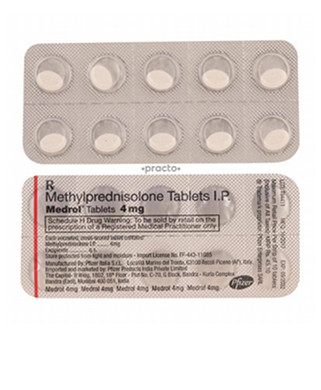
Treatment options for adrenal health include both prescription and natural approaches. Prescription options include low-dose hydrocortisone and prednisone for diagnosed adrenal insufficiency conditions. Natural supplements containing adaptogenic herbs like ashwagandha, rhodiola, and licorice root support the body's stress response effectively.
Supporting adrenal function requires a comprehensive approach:
Many Canadian healthcare providers recommend comprehensive approaches combining supplementation with behavioral changes for best results in managing cortisol levels.
Insulin is the hormone responsible for regulating blood glucose levels and allowing cells to use sugar for energy. Type 2 diabetes, increasingly common among Canadians, occurs when the body doesn't produce enough insulin or becomes resistant to its effects. This condition requires careful management through medication, diet, and lifestyle changes.
Metformin is the first-line medication prescribed by Canadian doctors to improve insulin sensitivity and lower blood sugar. Other oral medications are widely available in Canadian pharmacies for various patient needs and circumstances. Injectable insulin comes in various formulations including rapid-acting, long-acting, and intermediate-acting options designed for different treatment requirements.
Managing blood sugar effectively involves multiple strategies:
Working with your healthcare team ensures proper medication selection and monitoring for optimal blood sugar control and long-term health outcomes.