Cancer is a complex group of diseases characterized by the uncontrolled growth of abnormal cells in the body. When cells divide and multiply without proper regulation, they can form tumours and spread to other parts of the body through a process called metastasis. Modern cancer treatment has evolved significantly, offering patients multiple therapeutic approaches tailored to their specific diagnosis and stage of disease.
The primary treatment modalities include surgery, radiation therapy, chemotherapy, targeted therapy, and immunotherapy. Many patients receive a combination of these treatments to maximize effectiveness and improve survival rates. Each treatment approach works differently—surgery removes tumours physically, radiation uses high-energy rays to destroy cancer cells, while chemotherapy uses powerful drugs to kill rapidly dividing cells throughout the body. Understanding these options helps patients work with their healthcare team to develop the most appropriate treatment plan for their individual circumstances.
Chemotherapy remains one of the cornerstone treatments for cancer management across Canada. These powerful medications are designed to kill cancer cells, though they may also affect healthy cells, which can cause side effects. Chemotherapy drugs work by interfering with cell division and DNA replication, making them particularly effective against rapidly growing cancer cells.
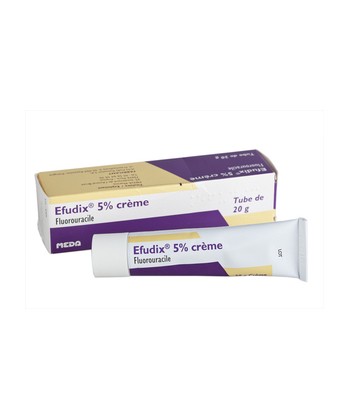
Several chemotherapy agents are commonly prescribed in Canada, including doxorubicin, cisplatin, paclitaxel, and fluorouracil (5-FU). These medications are often administered through intravenous infusion, though some forms are available orally. Oral chemotherapy medications offer patients greater convenience and improved quality of life by allowing treatment at home rather than frequent hospital visits.
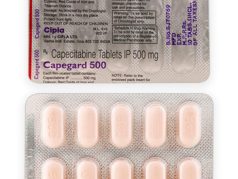
Capecitabine is a popular oral chemotherapy medication available in Canada used primarily for colorectal and breast cancer patients. It converts to fluorouracil in the body and provides flexibility in the treatment schedule. Tegafur-uracil combination therapy represents another oral option for certain cancer types. Etoposide capsules are available for patients requiring this specific chemotherapy agent in an oral formulation.
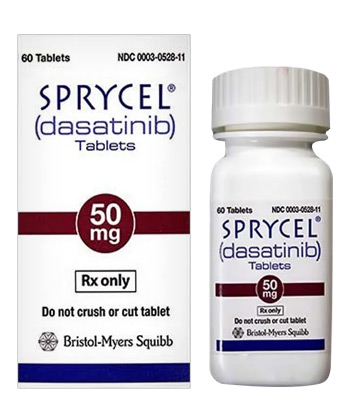
Temozolomide is widely used for brain tumours and melanoma treatment in Canada. This oral medication has transformed treatment options for glioblastoma patients, allowing many to receive therapy outside hospital settings. Imatinib mesylate (Gleevec) represents a breakthrough in targeted therapy for chronic myeloid leukaemia and gastrointestinal stromal tumours, demonstrating how precision medicine has revolutionized cancer care.
Targeted therapy represents a paradigm shift in cancer treatment by focusing on specific molecular characteristics of cancer cells. Unlike traditional chemotherapy that affects all rapidly dividing cells, targeted therapies are designed to attack specific genetic mutations or proteins that allow cancer cells to grow and survive.
Trastuzumab (Herceptin) targets HER2-positive breast cancers and has significantly improved outcomes for patients with this aggressive cancer subtype. This monoclonal antibody has been available in Canada for over two decades and remains a standard treatment for eligible patients. Bevacizumab (Avastin) is another monoclonal antibody that targets vascular endothelial growth factor, cutting off blood supply to tumours. It's approved in Canada for various cancers including colorectal, lung, and breast cancer.
Tyrosine kinase inhibitors represent another class of targeted therapy available across Canada. Erlotinib and gefitinib target epidermal growth factor receptors in lung cancer patients with specific mutations. These oral medications have dramatically improved progression-free survival in selected patient populations. Sorafenib and sunitinib are approved for renal cell carcinoma and other cancers, offering patients alternative treatment pathways when standard therapies have failed.
ALK inhibitors and PD-L1 inhibitors represent the newest generation of targeted therapies available in Canada. These medications are prescribed based on specific genetic testing results, ensuring that only patients likely to benefit receive these expensive but highly effective treatments.
Hormone therapy addresses cancers that grow in response to specific hormones, particularly breast and prostate cancers. These medications either block hormone production or prevent hormones from attaching to cancer cells, effectively starving the cancer of growth signals.
Tamoxifen remains a cornerstone hormone therapy for breast cancer in premenopausal women, available throughout Canada. This selective oestrogen receptor modulator blocks oestrogen effects on breast tissue while paradoxically acting like oestrogen in other tissues. Aromatase inhibitors including letrozole, anastrozole, and exemestane are standard treatments for postmenopausal women with hormone-sensitive breast cancer.
Fulvestrant (Faslodex) represents a newer approach, acting as a selective oestrogen receptor degrader and offering benefits for certain advanced breast cancer patients. For prostate cancer, medications like bicalutamide and enzalutamide block androgens, slowing disease progression in metastatic castration-resistant prostate cancer.
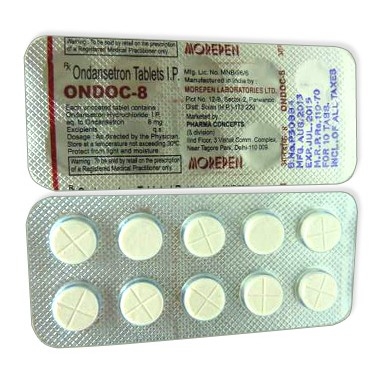
Supportive care medications play a crucial role in managing cancer treatment side effects and improving quality of life. These include:
Immunotherapy has revolutionized cancer treatment by harnessing the body's immune system to fight cancer cells. These medications work by removing the brakes that cancer cells place on immune function, allowing the immune system to recognize and destroy malignant cells.
Checkpoint inhibitors including nivolumab (Opdivo) and pembrolizumab (Keytruda) are now available through Canadian healthcare systems for various cancers including melanoma, non-small cell lung cancer, and head and neck cancers. These PD-1 inhibitors have extended survival significantly for patients with advanced disease who previously had limited options.
CAR-T cell therapy represents cutting-edge immunotherapy where patients' own immune cells are genetically modified to recognize and attack cancer cells. While currently available primarily for certain leukaemias and lymphomas through specialized Canadian centres, this technology shows promise for expanding to additional cancer types.
Combination therapies are increasingly common in Canadian practice, where immunotherapy is paired with chemotherapy or other targeted agents to enhance effectiveness. Checkpoint inhibitor combinations such as nivolumab plus ipilimumab (anti-CTLA-4) demonstrate superior outcomes compared to single-agent therapy in many cancer types.
Canada's public healthcare system ensures that approved cancer medications are accessible to patients across the country, though some variation exists between provinces. Provincial drug formularies list covered medications, and patients typically access these through oncology clinics attached to major hospitals and cancer centres.
Several organizations assist Canadian patients in accessing medications and support services. Cancer Care Ontario, Alberta Health Services, and provincial health authorities maintain comprehensive cancer programs. Patient assistance programs offered by pharmaceutical manufacturers can help eligible patients access newer medications not yet covered by provincial plans.
Consultation with oncologists is essential for determining the most appropriate treatment based on cancer type, stage, genetic markers, and individual health status. Many Canadian cancer centres now offer molecular testing to identify specific mutations guiding targeted therapy selection. Clinical trials continue to expand cancer treatment options, and Canadian patients have access to numerous trials investigating novel therapies.
Understanding your insurance coverage, whether through provincial plans, private insurance, or employer benefits, helps ensure smooth access to prescribed medications. Pharmacists play a vital role in educating patients about proper medication use, managing side effects, and monitoring for drug interactions, particularly important when patients are taking multiple supportive medications alongside cancer therapies.