Rhinocort
Rhinocort
- You can buy Rhinocort in many pharmacies without a prescription (OTC) in several countries, and it is commonly available from online e-pharmacies with delivery across Canada—availability may vary by store or region, so check your local pharmacy or regulator for specifics.
- Rhinocort (budesonide) is used to treat allergic rhinitis; it is an intranasal corticosteroid that reduces nasal inflammation by binding glucocorticoid receptors and decreasing release of inflammatory mediators.
- Usual dosage: Adults/adolescents (≥12) — 64 mcg (typically described as 2 sprays of 32 mcg) in each nostril once daily (maximum reported up to 256 mcg/day); Children (6–11) — 32 mcg in each nostril once daily (max 128 mcg/day); use the lowest effective dose.
- Form of administration: intranasal spray (nasal spray, 32 mcg per spray).
- Onset time: symptom improvement can begin within a few days, though full benefit may take up to two weeks of daily use.
- Duration of action: designed for once-daily dosing with effects lasting about 24 hours; continuous use during allergen exposure is usually recommended for sustained control.
- Alcohol warning: there is no specific contraindication with occasional alcohol use for intranasal budesonide, but avoid excessive alcohol and consult your healthcare provider if you have liver disease or are on multiple medications.
- The most common side effects are nosebleeds (epistaxis), nasal irritation or dryness, and sore throat; less commonly cough, headache or slowed growth in children with long-term high-dose use.
- Would you like to try rhinocort without a prescription?
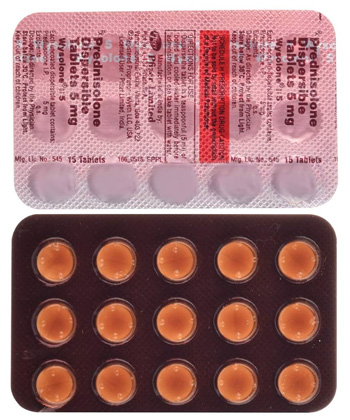

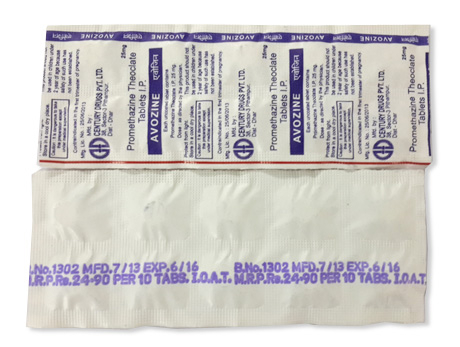
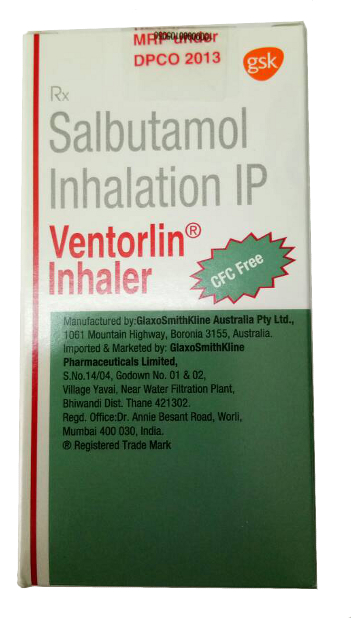
Basic Rhinocort Information
- INN (International Nonproprietary Name): Budesonide
- Brand Names Available In Canada (English): Rhinocort Aqua (budesonide nasal spray 32 mcg per spray; presentation similar to international Rhinocort Aqua)
- ATC Code: R01AD05
Key Findings From Recent Trials (2022–2025)
Major 2022–2025 Canadian & Global Studies
Patients and clinicians ask whether newer trials changed how nasal steroids are used.
Randomized trials and systematic reviews from 2022–2025 continued to support intranasal corticosteroids as first‑line therapy for moderate to severe allergic rhinitis.
Canadian cohort analyses mirrored international results showing quicker symptom control and less need for rescue antihistamines versus placebo.
Meta‑analyses found broadly comparable efficacy across licensed intranasal steroids, with budesonide formulations often included in pooled datasets.
Many trials used the 32 mcg per spray formulation for Rhinocort or equivalent budesonide nasal spray presentations.
Studies specifically measured congestion, total nasal symptom scores and patient‑reported outcomes over 2–12 week windows.
Pharmacist‑led adherence interventions in clinic settings were highlighted as improving real‑world effectiveness.
Main Outcomes
Across trials, budesonide nasal spray produced consistent reductions in nasal congestion and total nasal symptom scores.
Onset of benefit was often reported within days with maximal effect reached by about two weeks.
Budesonide compared favourably to placebo and showed similar effectiveness to other intranasal corticosteroids in head‑to‑head analyses.
Clinical endpoints emphasised patient comfort and reduced need for additional antihistamine rescue medication.
Safety Observations
Safety data through 2025 reported predominantly local adverse events such as epistaxis and nasal irritation.
Pooled post‑marketing surveillance kept systemic adverse signals low overall.
Rare systemic effects reported were linked to high cumulative exposures or very prolonged use, notably potential HPA‑axis suppression and rare slowed growth in children.
Canadian clinic reports emphasised that proper technique and pharmacist counselling improved adherence and reduced local irritation rates.
Clinical Mechanism Of Action
Layman’s Explanation
People often want a simple explanation of how Rhinocort works.
Rhinocort (budesonide) is an intranasal corticosteroid that reduces swelling and inflammation in the nose.
That reduction eases sneezing, itching, runny nose and, importantly, congestion.
Because it is sprayed into the nose, the effect is mostly local where the allergy reactions happen.
Scientific Breakdown
Budesonide binds to intracellular glucocorticoid receptors in nasal epithelial cells and immune cells.
Receptor binding changes gene transcription to lower production of pro‑inflammatory cytokines such as IL‑4, IL‑5 and IL‑13.
These changes reduce eosinophil recruitment and mucosal swelling, the cellular drivers of allergic rhinitis symptoms.
Receptor And Cellular Effects
The drug’s high local receptor affinity and rapid cell uptake give strong topical anti‑inflammatory action.
Effects include reduced vascular permeability, decreased mucus secretion and fewer inflammatory cells in nasal mucosa.
Those cellular effects explain improved congestion and symptom scores seen in trials with budesonide nasal spray.
Pharmacokinetics (Local Vs Systemic)
The 32 mcg per spray formulation is designed for targeted nasal delivery with minimal systemic exposure.
Any swallowed fraction undergoes extensive first‑pass hepatic metabolism, limiting systemic bioavailability.
Low systemic absorption accounts for the favourable safety profile compared with oral or injected corticosteroids.
Clinically, some symptom relief can appear within days while full benefit often requires up to two weeks of regular dosing.
Scope Of Approved And Off‑Label Use
Health Canada Approvals (DIN‑Based)
Clinicians and pharmacists must confirm product specifics by checking the DIN and Health Canada monograph.
Rhinocort (budesonide nasal spray 32 mcg/dose; ATC R01AD05) is indicated for seasonal and perennial allergic rhinitis consistent with international labelling.
Availability in Canada follows DIN entries and monograph details supplied with the marketed presentation, which may be the AstraZeneca product or generics.
Prescription versus OTC classification differs by jurisdiction internationally, so Canadian prescribers should verify the local registration status.
Notable Off‑Label Trends In Canadian Practice
In practice, some clinicians use intranasal budesonide off‑label for several nasal inflammatory conditions.
Examples include non‑allergic rhinitis subtypes and as an adjunct in chronic rhinosinusitis to manage mucosal inflammation.
Peri‑operative use to prevent polyp recurrence is seen in specialist and some community referrals, often backed by smaller observational series rather than large RCTs.
When prescribing off‑label, document the indication, obtain informed consent and monitor for long‑term steroid risks in children.
Dosage Strategy
General Dosing Per Health Canada Monographs
Patients frequently ask what dose to use and how often to take it.
Adults and adolescents aged 12 years and older: 64 mcg (two sprays of 32 mcg) in each nostril once daily, with a maximum of 256 mcg per day.
Children aged 6–11 years: 32 mcg in each nostril once daily, with a maximum of 128 mcg per day.
Administration is once daily; improvement can start in a few days and maximal benefit may take up to two weeks.
Condition‑Specific Dosing Adjustments
For severe seasonal flares, clinicians typically start with the standard adult dose and reassess after 7–14 days.
Escalating above labelled maxima is discouraged due to increased systemic exposure risk.
For partial responders, confirm correct spray technique and adherence before changing doses.
Children should receive the lowest effective dose with periodic growth monitoring for prolonged therapy.
Elderly patients usually do not need routine dose reduction but require monitoring for comorbidities and polypharmacy.
In significant liver impairment, consider lower starting doses or closer monitoring because budesonide undergoes hepatic metabolism.
Safety Protocols
Contraindications (Canadian Advisories)
The absolute contraindication is hypersensitivity to budesonide or any component of the formulation.
Caution is required after recent nasal surgery, trauma or in the presence of nasal ulcers due to potential delayed healing.
Active or latent infections such as untreated tuberculosis, fungal, bacterial or viral infections are relative contraindications.
Patients with glaucoma or cataracts should be monitored for ophthalmologic effects during prolonged therapy.
Children and patients on high cumulative steroid doses require attention for potential HPA‑axis suppression.
Adverse Effects (Post‑Market Reports)
Post‑marketing reports and labelling list common local adverse effects including nosebleeds, nasal dryness and irritation.
Less common systemic events reported in surveillance include headache, upper respiratory tract infection and, rarely, slowed growth in children with long‑term high exposure.
Suspected overdose or chronic overuse warrants consultation with poison control and consideration of endocrine evaluation for HPA‑axis function.
Document and report adverse events to Health Canada to support ongoing pharmacovigilance.
Interaction Mapping
Food Interactions Common In Canadian Diet
Patients often ask whether foods like grapefruit or alcohol change nasal spray effects.
There are no clinically relevant direct food interactions with intranasal budesonide because systemic absorption is low.
Typical Canadian dietary items do not alter the local nasal efficacy of budesonide nasal spray.
Drug Combinations Flagged By Health Canada
Systemic interactions arise mainly when strong CYP3A4 inhibitors increase systemic exposure to swallowed budesonide.
Notable strong CYP3A4 inhibitors include oral ketoconazole, itraconazole and potent antiviral boosters such as ritonavir and cobicistat.
Concomitant use with these agents can raise the risk of systemic corticosteroid effects and warrants caution or an alternative treatment choice.
Concurrent use of multiple corticosteroid products, intranasal or systemic, can have additive systemic effects and should be reviewed.
There are no significant interactions with antihistamines or common cold remedies, but always review polypharmacy in older adults and immunosuppressed patients.
Patient Experience Analysis
Canadian Survey Data
Many patients ask whether Rhinocort works well and what side effects to expect.
Clinic surveys and pharmacy consultations in Canada from 2022–2024 report high satisfaction for congestion and sneezing control with budesonide nasal sprays.
Reported barriers include perceived slow onset, difficulty with spray technique and worry about long‑term steroid exposure.
Pharmacist counselling that includes a hands‑on demonstration of technique improves adherence and symptom outcomes.
Forum & Community Pharmacy Trends
Online forums and community feedback often compare Rhinocort favourably with fluticasone and mometasone for nasal tolerance.
Common pharmacy complaints recorded by chains relate to nosebleeds and priming issues rather than systemic harms.
Parents frequently ask about growth concerns for prolonged use in children, which prompts follow‑up and growth monitoring recommendations.
Overall, clear instructions and pharmacist support reduce discontinuation and local adverse events.
Distribution And Pricing Landscape
National Pharmacy Chains
Rhinocort and generic budesonide nasal sprays are stocked across major Canadian chains including Shoppers Drug Mart, Rexall, Jean Coutu and London Drugs.
Package sizes commonly include 120 sprays at 32 mcg per spray, but verify the DIN and pack size at the time of purchase.
Online Pharmacy Availability & Provincial Restrictions
Licensed Canadian e‑pharmacies list budesonide nasal spray, but access can depend on provincial regulations and pharmacist scope of practice.
Provincial formularies (Ontario Drug Benefit, BC PharmaCare, RAMQ) differ on coverage and may require special authorizations for certain indications.
In our online pharmacy, rhinocort is available without a prescription, with discreet delivery to Canada (English) in 5-14 days.
Cross‑Border US Comparisons
Cross‑border price differences exist and sometimes drive interest in US OTC products where Rhinocort Allergy is available OTC.
Importation rules, DIN equivalence and provincial coverage should be considered before purchasing outside Canada.
Chain promotions and private insurance often offset costs for branded or generic options within Canada.
Alternative Options
Comparison Of DIN‑Approved Alternatives
Common intranasal corticosteroid alternatives in Canada include fluticasone propionate (Flonase), mometasone furoate (Nasonex) and fluticasone furoate (Avamys).
Efficacy between agents is generally similar; selection is often guided by tolerability, onset, formulation and availability.
When switching, verify DIN, provincial coverage and past response to intranasal steroids.
Pros And Cons Checklist
Pros of budesonide (Rhinocort): established data, low systemic bioavailability and common 32 mcg spray format.
Cons: local epistaxis can occur and some formulations are Rx‑only in certain countries.
Fluticasone variants may be preferred when OTC availability or perceived faster relief matters to a patient.
Checklist for switching: confirm DIN, review prior side effects, counsel on technique and monitor growth in children for long‑term therapy.
Regulatory Status
Health Canada Approval Process
Products containing budesonide for intranasal use undergo review of quality, safety and efficacy before a Notice of Compliance is issued and a DIN assigned.
Manufacturers submit clinical and manufacturing data; provincial formularies handle listing separately.
Clinicians and pharmacists should check the DIN on the pack and the Health Canada Drug Product Database for current registration and monograph details.
DIN And Bilingual Labelling Rules
Canadian regulations require English and French labelling and bilingual patient information leaflets for marketed pharmaceuticals.
Packaging must meet bilingual labelling and Good Manufacturing Practice requirements for sale in Canada.
Adverse drug reactions must be reported to Health Canada, and manufacturers maintain post‑market surveillance obligations.
Consolidated FAQ (Typical Canadian Patient Questions)
Q1: Is Rhinocort available without a prescription in Canada?
A1: Status varies by formulation and jurisdiction; check the product’s DIN and local pharmacy for the marketed presentation.
Q2: How fast will Rhinocort work and what dose should I use?
A2: Some relief can start within days; maximal benefit often takes up to two weeks. Adults/adolescents ≥12: 64 mcg (two sprays of 32 mcg) per nostril once daily; children 6–11: 32 mcg per nostril once daily. Verify the product monograph for your pack.
Q3: Any safety concerns for my child?
A3: Use the lowest effective dose and monitor growth during chronic therapy; discuss duration and follow‑up with the prescriber.
Q4: Can I buy Rhinocort cheaper in the US?
A4: Prices can be lower cross‑border, but consider import rules, DIN equivalence and provincial coverage before purchasing outside Canada.
Q5: What if I’m on antiviral therapy such as ritonavir?
A5: Strong CYP3A4 inhibitors can increase systemic budesonide exposure; consult a prescriber or pharmacist for alternatives or monitoring.
Visual Guide (Infographic Recommendations)
Design three concise infographics tailored to Canadian patients and pharmacy teams.
(1) Dosage Flowchart — show age bands (6–11, ≥12), priming steps, administration tips and expected onset up to two weeks.
(2) Provincial Coverage Map — colour‑code Ontario, BC, Quebec and others for likely formulary coverage or special authorization notes and include a DIN lookup QR code.
(3) Purchase Channel Matrix — compare in‑store chains, licensed online pharmacies and cross‑border options with a DIN and bilingual labelling checklist.
Include accessible alt text and bilingual short captions, plus icons for common local AEs (epistaxis) and warnings about strong CYP3A4 inhibitors.
Storage And Transport
Canadian Household Guidelines
Store Rhinocort nasal spray at room temperature (20–25°C / 68–77°F).
Avoid freezing and keep the bottle away from direct sunlight.
Keep the bottle upright and tightly closed when not in use, and store out of reach of children.
Do not leave the bottle in a car during extreme cold or heat.
Cold‑Chain Storage Where Applicable
Intranasal budesonide does not require refrigerated transport under normal conditions; follow the manufacturer’s storage statement.
For mail order, advise patients to select reputable licensed pharmacies that package against extreme temperatures.
Dispose of expired or contaminated sprays via local pharmacy take‑back programs offered by most chains.
Guidelines For Proper Use
Advice From Canadian Pharmacists
Pharmacists should demonstrate and observe technique whenever possible.
Prime the pump according to instructions and gently clear major nasal crusting before use.
Tilt the head slightly forward, aim the spray away from the nasal septum and inhale gently while actuating.
Repeat for the other nostril and advise rinsing the mouth or spitting if oropharyngeal residue is a concern.
Reinforce once‑daily dosing and the expectation that full benefit can take up to two weeks.
Provincial Health Authority Guidance
Follow provincial drug program criteria for coverage and any special authorization requirements.
Respect local scope of practice for pharmacist‑prescribed minor ailments where available and document counselling in the pharmacy record.
For children on prolonged therapy, schedule growth follow‑up and use the lowest effective dose.
Patients on strong CYP3A4 inhibitors or multiple corticosteroids should be referred for prescriber consultation and possible endocrine monitoring.
Delivery Across Canada (English)
| City | Region | Delivery Time |
|---|---|---|
| Toronto | Ontario | 5-7 days |
| Montreal | Quebec | 5-7 days |
| Vancouver | British Columbia | 5-7 days |
| Calgary | Alberta | 5-7 days |
| Edmonton | Alberta | 5-7 days |
| Ottawa | Ontario | 5-7 days |
| Winnipeg | Manitoba | 5-7 days |
| Quebec City | Quebec | 5-7 days |
| Halifax | Nova Scotia | 5-7 days |
| Victoria | British Columbia | 5-7 days |
| London | Ontario | 5-9 days |
| Saskatoon | Saskatchewan | 5-9 days |
| Regina | Saskatchewan | 5-9 days |
| Kitchener | Ontario | 5-9 days |
| St. John's | Newfoundland and Labrador | 5-9 days |