Allergies occur when your immune system reacts to a foreign substance that's typically harmless to most people. These substances, called allergens, can trigger sneezing, itching, watery eyes, and other uncomfortable symptoms. Antiallergic medications work by blocking the release of histamine, a chemical in your body responsible for allergic reactions. When you experience an allergy, histamine floods your system, causing inflammation and irritation. By taking antiallergic medications, you can prevent or reduce these symptoms and enjoy a better quality of life.
Antiallergic drugs are available in various forms including tablets, capsules, nasal sprays, eye drops, and topical creams. The type of medication you choose depends on your symptoms and their severity. Some people need quick relief from sudden allergic reactions, while others require daily prevention to manage chronic allergies. Understanding how these medications work helps you make informed decisions about your allergy management.
Antihistamines are the most commonly used antiallergic medications in Canada. They work by blocking histamine receptors on cells, preventing allergic reactions from occurring. First-generation antihistamines include diphenhydramine and chlorpheniramine. These older medications are effective but often cause drowsiness, making them less suitable for daytime use.
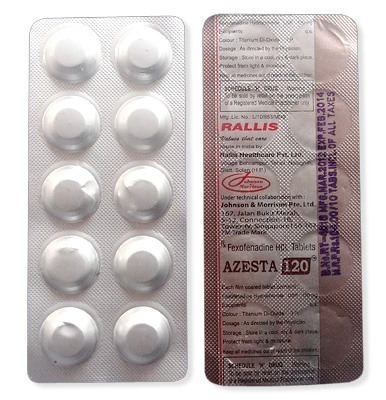
Second-generation antihistamines are newer and more popular because they cause minimal drowsiness. Common Canadian options include cetirizine, loratadine, and fexofenadine. Cetirizine is available under brand names like Reactine and provides relief for up to 24 hours. Loratadine, marketed as Claritin in Canada, is another excellent choice for people seeking non-drowsy allergy relief. Fexofenadine, sold as Allegra, works similarly and is well-tolerated by most patients.
These antihistamines are available over-the-counter at most Canadian pharmacies and drugstores. They're ideal for managing seasonal allergies, pet allergies, and dust mite allergies. Many people take them daily during high pollen seasons or when allergen exposure is unavoidable. Second-generation antihistamines typically start working within 30 minutes to an hour and provide relief throughout the day.
When allergies cause nasal congestion along with other symptoms, decongestants become helpful additions to your antiallergic treatment plan. Pseudoephedrine is a popular decongestant found in many Canadian allergy medications. It works by shrinking blood vessels in the nasal passages, reducing congestion and improving airflow.
Many pharmaceutical companies combine antihistamines with decongestants for comprehensive relief. These combination medications address multiple allergy symptoms simultaneously. For example, some products pair cetirizine with pseudoephedrine to treat itching, sneezing, and congestion together. Loratadine-pseudoephedrine combinations are also widely available across Canada.
Combination medications are particularly useful during allergy season when you experience multiple symptoms at once. They save time by providing all-in-one symptom relief without taking multiple pills. However, some people prefer taking separate medications to control which ingredients they consume. Your pharmacist can help you choose between single-ingredient and combination options based on your specific symptoms and medical history.
Nasal sprays offer targeted relief directly where congestion and inflammation occur. Antihistamine nasal sprays like azelastine provide quick relief for nasal symptoms without significant systemic effects. Intranasal corticosteroids such as fluticasone and mometasone are prescription options available in Canada that reduce inflammation in nasal passages effectively.
Intranasal corticosteroids are often considered the most effective option for moderate to severe allergic rhinitis. They work by reducing inflammation and preventing allergic reactions in the nasal passages. These sprays typically require a prescription from your doctor in Canada, though some formulations may be available over-the-counter depending on regulations.
Eye drops represent another important topical antiallergic solution. When allergens irritate your eyes, causing redness, itching, and tearing, antihistamine eye drops provide direct relief. Ketotifen eye drops are available in Canada and work quickly to soothe allergic eye symptoms. These topical solutions are particularly valuable during spring and summer when outdoor allergens are prevalent.
Different allergies require different management approaches. Seasonal allergic rhinitis, affecting millions of Canadians during spring and fall, responds well to antihistamines and nasal sprays. Perennial allergies caused by dust mites, pet dander, or mold may require year-round management with daily medications.
Urticaria, commonly known as hives, responds effectively to antihistamines. These allergic skin reactions can be triggered by foods, medications, or environmental factors. Taking antihistamines regularly helps prevent hives and reduces their severity when they occur. Some severe cases may require prescription-strength antihistamines or additional medications.
Allergic conjunctivitis, affecting the eyes, benefits from antihistamine eye drops and oral antihistamines combined. Contact lens wearers experiencing allergies should consult their eye care professional about suitable options. Food allergies require different management, and while antihistamines provide symptomatic relief, they cannot replace epinephrine for severe reactions.
Selecting appropriate antiallergic medications depends on several factors including your symptoms, their severity, frequency, and your personal health status. Over-the-counter antihistamines work well for mild to moderate allergies, while severe cases may require prescription medications. Your pharmacist or doctor can help determine which option suits your needs best.
Consider these important factors when choosing your allergy medication:
If you experience allergies primarily at night, a slightly sedating antihistamine might be acceptable. For daytime use, non-drowsy formulations are preferable to maintain alertness and safety. Some people benefit from taking medications preventatively before allergen exposure rather than waiting for symptoms to develop.
Always review potential side effects and drug interactions with your healthcare provider or pharmacist. Certain medications may interact with other drugs you're taking or existing health conditions. Pregnant women should discuss antiallergic medication options with their healthcare provider before taking anything new.
Start with the lowest effective dose and adjust based on your response. Many Canadians find that consistent daily medication during allergy season provides better relief than taking medications only when symptoms appear. If one medication doesn't work well for you after two weeks, ask your pharmacist about alternatives. Everyone's allergies are different, and finding your ideal medication may require some experimentation under professional guidance.