
Voltaren
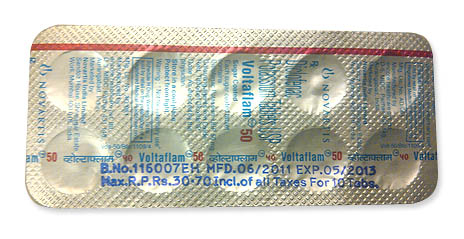
Voltaren
- Voltaren (diclofenac) may be available from some pharmacies and online suppliers without a prescription depending on the country and formulation, especially the topical gel; however, oral tablets, injections, and eye drops are prescription-only in most regions, including Canada for many forms.
- Voltaren is used to relieve pain and inflammation, including osteoarthritis, rheumatoid arthritis, ankylosing spondylitis, acute musculoskeletal pain, and some eye-related inflammatory conditions. It works as a non-steroidal anti-inflammatory drug (NSAID) by blocking cyclooxygenase (COX-1 and COX-2), which reduces prostaglandin production.
- The usual dose depends on the form and condition: oral diclofenac is commonly 100–150 mg per day in divided doses for arthritis, 50 mg every 8 hours as needed for acute pain, and topical gel is typically applied 2–4 g to the affected area 4 times daily.
- Voltaren is available as enteric-coated tablets, extended-release tablets, topical gel, ophthalmic solution, oral powder, injection, and suppositories.
- It usually starts working within about 30–60 minutes for oral forms, while topical gel may begin to relieve pain within 1–2 hours.
- The duration of action is generally about 4–6 hours for standard oral tablets, longer for extended-release forms, and several hours per application for topical gel.
- Avoid or limit alcohol while using Voltaren, because alcohol can increase the risk of stomach irritation, ulcers, and bleeding, especially when combined with NSAIDs.
- The most common side effects are stomach upset, nausea, dyspepsia, abdominal pain, diarrhea, headache, dizziness, and, with topical use, skin irritation or rash.
- Would you like to try Voltaren without a prescription?

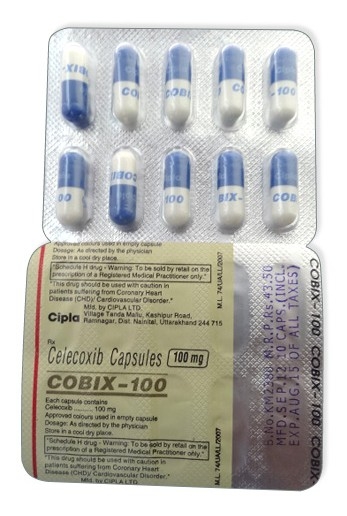
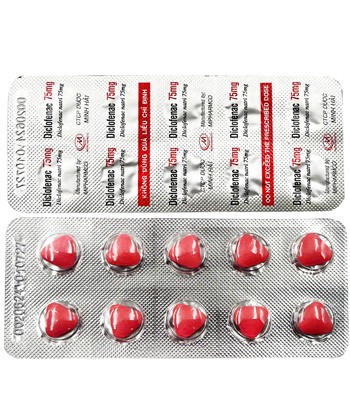
Basic Voltaren Information
- INN (International Nonproprietary Name): Diclofenac
- Brand Names Available In Canada (English): Voltaren
- ATC Code: M01AB05
- Forms & Dosages: Enteric-coated tablet 25mg, 50mg, 75mg, 100mg; extended-release tablet 75mg, 100mg; gel 1%, 2%; ophthalmic solution 0.1%; powder for oral solution 50mg; solution for injection 75mg/3mL ampoule; suppository 50mg, 100mg
- Manufacturers In Canada (English): GlaxoSmithKline, Novartis, Pharmaceutica Remedia, Terapia, KRKA, Sun Pharma
- Registration Status In Canada (English): Approved by national health agencies in Canada; Rx or OTC status varies by formulation
- OTC / Rx Classification: Topical gel mostly OTC; tablet, injection, and eye drops prescription only in most countries
What Recent Trials Say About Voltaren
Looking for pain relief that works without upsetting the stomach?
That is exactly why topical diclofenac keeps showing up in care pathways for localised osteoarthritis and soft-tissue pain.
Across recent 2022 to 2025 evidence, diclofenac gel has continued to show meaningful pain reduction versus placebo, with the clearest results in knee and hand osteoarthritis.
For many Canadian patients, that translates into a practical pharmacy question: should the first choice be Voltaren gel rather than an oral NSAID?
In day-to-day practice, the answer is often yes for local pain, because topical diclofenac offers lower systemic exposure than tablets.
That lower exposure matters for people who already have stomach, kidney, or cardiovascular risk factors.
Oral diclofenac is still effective, and it remains a useful option in selected cases of arthritis pain relief, but modern safety reviews keep it under closer scrutiny.
Comparative data from recent years continue to underline the known GI and cardiovascular cautions with oral diclofenac, especially when it is used longer than necessary.
Most of the strong benefit is seen in short-term symptom control, particularly for mild-to-moderate musculoskeletal pain.
That is why a person with a sore knee after a long walk may do well with topical Voltaren, while someone with widespread inflammatory pain may need a different plan entirely.
Back pain comes up often in Canadian pharmacies, too.
Voltaren gel for back pain is a common request, but the evidence is more mixed than it is for joints like the knee or hand.
That does not mean it never helps.
It means the cause and location of the pain matter, and a pharmacist will usually ask a few questions before recommending diclofenac gel.
On the safety side, skin irritation can happen with topical products, even though the systemic risk is usually lower than with tablets.
Oral and injectable diclofenac products remain more restricted because GI bleeding, renal effects, and cardiovascular warnings still apply.
For Canadian shoppers who want the convenience of online ordering, topical Voltaren is often the most accessible starting point.
In our online pharmacy, Voltaren is available without a prescription, with discreet delivery to Canada in 5-14 days.
How Voltaren Works In The Body
Wondering why one anti-inflammatory helps a sore thumb, a stiff knee, or a strained shoulder?
Voltaren is diclofenac, a non-steroidal anti-inflammatory drug, better known as an NSAID.
Its job is to reduce pain, swelling, and stiffness where inflammation is active.
In plain language, it calms down the inflammatory response at the site of pain.
Under the hood, diclofenac inhibits cyclo-oxygenase, or COX, enzymes.
That reduces prostaglandin production, and prostaglandins are major drivers of inflammation and pain.
This is why diclofenac sodium tablet therapy is used for conditions like osteoarthritis, rheumatoid arthritis, ankylosing spondylitis, and acute pain.
It is also why the same medicine can come in different forms for different needs.
Voltaren Emulgel and other diclofenac gel products are designed to deliver medicine locally to tissues near the painful area.
That topical route is a major reason many Canadian patients prefer diclofenac gel when the pain is limited to one joint or one muscle group.
Tablets work systemically, so they can help more widespread pain, but they also expose the whole body to the drug.
That broader exposure is useful, yet it also explains the higher risk of stomach, kidney, and blood pressure problems.
If you have ever compared Voltaren with an oral NSAID on a busy weekday, the choice often comes down to convenience and risk.
For a local sprain or hand arthritis, topical treatment usually makes sense first.
For pain that is not localised, a prescriber may consider a diclofenac sodium tablet or another NSAID entirely.
What It Is Used For In Canadian Practice
Is Voltaren only for arthritis?
Not quite, although osteoarthritis is the classic use.
Health Canada approvals vary by formulation, and products may be sold under a DIN depending on strength and dosage form.
In Canadian pharmacy practice, topical diclofenac is commonly aligned with OTC purchasing, while oral and injectable forms are usually prescription-based.
That is why a customer may find a Voltaren gel shelf product in one store, but need a prescription for tablets or injections.
Most clinicians and pharmacists see diclofenac used for osteoarthritis, sprains, strains, and local joint pain.
It is especially common for hands, knees, shoulders, and other areas where the pain is close to the skin and easy to target.
People also ask about Voltaren arthritis use for everyday stiffness that flares after gardening, walking, or lifting groceries.
That is a typical local pain scenario where topical therapy may fit well.
Voltaren gel for back pain is another frequent search term in Canada.
It may be appropriate for a local muscular ache, but the underlying cause matters a lot.
Back pain from a muscle strain is not the same as nerve pain, disc pain, or inflammatory back disease.
Eye drops and injections are generally specialist- or prescription-only forms and are not the products most people mean when they ask about Voltaren at the counter.
The forms listed in product data include 25 mg, 50 mg, 75 mg, and 100 mg tablets, plus 1% and 2% gels.
That range is one reason a pharmacist always checks the exact product before giving advice.
How Much To Use And For How Long
What dose is enough, but not too much?
The general rule with diclofenac is simple: use the lowest effective dose for the shortest possible time.
For adult osteoarthritis or rheumatoid arthritis, product data lists oral dosing at 100 to 150 mg per day in divided doses, with a maximum of 200 mg per day in some indications.
For acute mild-to-moderate pain, 50 mg every 8 hours as needed is a common oral regimen in the product information.
Ankylosing spondylitis dosing is listed at 100 to 125 mg per day in divided doses.
For topical gel, the usual approach is 2 to 4 g applied to the affected area four times daily.
That is why reading the label matters so much.
Voltaren 50 mg tablets, extended-release tablets, and diclofenac gel are not used the same way.
Children under 18 are generally not recommended unless a specialist gives guidance, because the safety data are limited.
Older adults need extra caution because GI, renal, and cardiovascular side effects become more likely with age.
For people with liver impairment, caution and dose reduction are recommended.
For renal impairment, advanced renal failure is a clear reason to avoid diclofenac, and even milder kidney problems call for close monitoring.
In practical terms, a knee strain may need only a short topical course.
Product data suggests 7 to 21 days is typical for mild musculoskeletal injuries, while osteoarthritis may involve chronic use under supervision.
If there is no improvement after about 7 days, reassessment is a smart move.
Missed a dose?
Take it when remembered unless it is almost time for the next one, and do not double up.
Overdose symptoms can include GI bleeding, somnolence, hypotension, and renal failure, which is why urgent medical attention is required if too much is taken.
Safety Checks Before You Start
Who should avoid Voltaren altogether?
There are some clear red flags in the product data.
Diclofenac should not be used in people with hypersensitivity to diclofenac or other NSAIDs, including those with aspirin-triggered asthma or allergic-type reactions.
It is also contraindicated in active GI ulcers or bleeding, history of coronary artery bypass graft surgery in the perioperative period, and severe renal or hepatic insufficiency.
That is the short version.
The longer version is that a pharmacist will also look closely at cardiovascular disease, prior ulcers, inflammatory bowel disease, coagulopathy, and older age.
Those are relative contraindications, which means the benefit may still be possible, but only after a careful risk-benefit discussion.
Common side effects include nausea, dyspepsia, diarrhoea, abdominal pain, flatulence, headache, and dizziness.
Topical products can cause skin irritation, rash, itching, or erythema at the application site.
Less common effects include oedema and increased blood pressure.
Rare but serious problems can include GI bleeding, allergic reactions or bronchospasm, and elevated liver enzymes.
This is the part of diclofenac warnings that matters most for Canadian adults using it regularly.
A person with heart disease or a history of stomach bleeding should not start oral diclofenac casually just because it helped a neighbour.
Topical products are not risk-free, but they usually carry a more favourable systemic safety profile.
That is one reason community pharmacies often steer people toward Voltaren gel first for local pain.
Interactions To Watch For
Can you take diclofenac with food?
Yes, and that is often a good idea for tablets because food may reduce stomach upset.
There are no major food contraindications in the product data, but alcohol can increase GI irritation risk, especially with oral diclofenac.
Medication interactions matter more than most people realise.
Health Canada-style counselling usually focuses on anticoagulants, antiplatelets, corticosteroids, SSRIs or SNRIs, ACE inhibitors, ARBs, and diuretics.
Those combinations can raise the risk of bleeding, blood pressure issues, or kidney problems.
NSAID stacking is another common problem.
Using diclofenac together with ibuprofen or naproxen is generally not recommended without pharmacist or prescriber input.
Patients often ask about diclofenac versus ibuprofen efficacy, but the more important question is whether doubling up is safe.
For some people, the answer is no.
Canadian pharmacists routinely screen for kidney disease, blood thinners, and hypertension medications before recommending Voltaren.
That screening is especially important for older adults and anyone taking several prescription medicines.
If you are already on an ACE inhibitor, an ARB, or a diuretic, the kidney risk deserves extra attention.
What Canadian Patients Usually Notice
Do people actually feel a difference?
Many do, especially when the pain is local and mild to moderate.
Canadian survey and community pharmacy trends consistently show that people want fast relief with less stomach upset.
Topical Voltaren is often preferred because it is simple to apply and feels safer than oral NSAIDs.
That perception lines up with the lower systemic exposure, even though the product still needs respect.
Hands, knees, shoulders, and minor strains are the most common real-world use patterns.
People also ask whether Voltaren gel for back pain is strong enough.
For a small, local muscular problem, it may be.
For deeper or more widespread pain, the response can be less predictable.
Most people who benefit notice something within days.
That early response is one reason topical diclofenac is so useful for short-term symptom control.
Many patients compare it with ibuprofen for convenience and stomach tolerance rather than for raw strength alone.
In the pharmacy, those conversations often start with a simple story.
Someone lifts a heavy box on Friday, wakes up stiff on Saturday, and wants something that lets them get through the weekend.
That is exactly the sort of situation where topical therapy may be worth trying first.
Where To Find It And What It Costs
Where can Canadians buy Voltaren?
Common retail channels include Shoppers Drug Mart, Rexall, Jean Coutu, and London Drugs.
Availability differs between OTC topical products and prescription oral forms.
When buying online, it is important to confirm the DIN, product strength, and whether pharmacist oversight is included.
That helps avoid mix-ups between a gel, a tablet, and a higher-strength prescription product.
Provincial drug plans can influence access for prescribed forms.
Ontario Drug Benefit, BC PharmaCare, and RAMQ may all affect reimbursement depending on the formulation and the patient’s eligibility.
Cross-border shopping comes up too.
US shoppers often see broader OTC branding, while Canadian access can be more conservative by formulation.
Price comparisons can be useful, but travellers should always check the labelling, formulation, and import rules before bringing product home.
For Canadian customers who prefer home delivery, online pharmacy ordering can be convenient and discreet.
That matters for people who do not want to stand in line for a tube of diclofenac gel or who need a refill after work.
How Voltaren Compares With Other NSAIDs
Is diclofenac better than ibuprofen?
That depends on the pain, the dose form, and the person using it.
Major comparators include ibuprofen, naproxen, ketoprofen, meloxicam, celecoxib, and piroxicam.
Topical diclofenac has an important advantage for localised pain because it lowers whole-body exposure.
That often makes it a better first step for a single painful joint.
Oral NSAIDs can provide broader relief, but they carry more GI, renal, and cardiovascular risk.
Celecoxib may be considered when GI risk is a concern, although every case still needs clinician review.
Meloxicam, naproxen, and ibuprofen each bring their own balance of convenience, risk, and duration of action.
For many Canadian patients with local osteoarthritis, topical treatment is tried before moving to oral options.
That stepwise approach is common because it keeps risk lower when it can.
In practical terms, the best NSAID is usually the one that is strong enough, safe enough, and suited to the site of pain.
Regulatory Status And Canadian Labelling
How is Voltaren regulated?
Products require Canadian review and a valid DIN before sale.
Status can differ by formulation, so a topical gel may be OTC while an oral or injectable product remains prescription-only.
Canadian packaging generally needs English and French labelling, especially for consumer-facing products.
Diclofenac is the INN, while Voltaren is one of the best-known brand names.
That distinction matters when comparing products from different countries or online listings.
Shoppers should always verify the exact Canadian product name, strength, and DIN before purchase.
Online listings should match the authorised Canadian formulation rather than a look-alike product from another market.
For travellers, this is especially important because formulation and access rules can change from one country to another.
How To Store And Use It Properly
What is the simplest way to avoid problems at home?
Store Voltaren at room temperature, ideally 20 to 25°C.
Keep tablets protected from moisture and gels away from heat and direct sunlight.
Do not freeze topical or ophthalmic forms.
That sounds basic, but Canadian winters and summer road trips both create storage mistakes.
Medication left in a hot car or damp bathroom can be affected more than people realise.
Check expiry dates and tube seals before use.
For topical gel, apply only to intact skin and wash hands after use unless the hands are the area being treated.
Do not exceed the recommended frequency.
Using more gel than directed does not usually improve results.
For arthritis, regular application matters more than occasional heavy use.
If you are taking more than one pain product, confirm you are not doubling up on NSAIDs.
Seek medical help for chest pain, black stools, shortness of breath, swelling, or reduced urine output.
Those symptoms deserve attention right away.
Delivery Across Canada (English)
| City | Region | Delivery Time |
|---|---|---|
| Toronto | Ontario | 5-7 days |
| Ottawa | Ontario | 5-7 days |
| Mississauga | Ontario | 5-7 days |
| Hamilton | Ontario | 5-7 days |
| Montreal | Quebec | 5-7 days |
| Quebec City | Quebec | 5-7 days |
| Calgary | Alberta | 5-7 days |
| Edmonton | Alberta | 5-7 days |
| Vancouver | British Columbia | 5-7 days |
| Victoria | British Columbia | 5-7 days |
| Winnipeg | Manitoba | 5-7 days |
| Saskatoon | Saskatchewan | 5-9 days |
| Halifax | Nova Scotia | 5-7 days |
| St. John’s | Newfoundland and Labrador | 5-9 days |
| Charlottetown | Prince Edward Island | 5-9 days |
Common Questions About Voltaren
Is Voltaren OTC in Canada?
Topical forms are often accessible without a prescription, while oral forms usually are not.
Can you use Voltaren for back pain?
Sometimes, for local muscular pain, but the cause of the pain matters.
How long should it be used?
For acute issues, reassess if there is no improvement within about a week.
Can it be combined with ibuprofen?
Not usually recommended without pharmacist or prescriber input.
Is it best for local pain?
Yes, that is where topical diclofenac tends to perform best.
What about heart, kidney, or stomach disease?
Those patients should ask a pharmacist first because the risk-benefit balance changes quickly.
If you are choosing between Voltaren gel and an oral NSAID, the safer starting point is often the topical product when the pain is localised.
That is also the most common reason people keep returning to it for arthritis flares and minor strains.