Alcohol Use Disorder, commonly referred to as alcoholism, is a medical condition characterized by an inability to control drinking despite negative consequences. This chronic condition affects millions of Canadians and impacts physical health, mental wellbeing, relationships, and work performance. Understanding alcoholism as a disease rather than a moral failing is crucial for those seeking help and their families. The condition develops gradually, often beginning with occasional drinking that progresses to dependence.
Risk factors include genetic predisposition, family history, mental health disorders, trauma, and environmental influences. Early recognition of warning signs such as increased tolerance, unsuccessful attempts to cut back, and continued drinking despite problems can lead to timely intervention and better outcomes. Professional assessment helps determine the severity of alcohol dependence and guides appropriate treatment options.
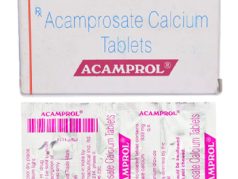
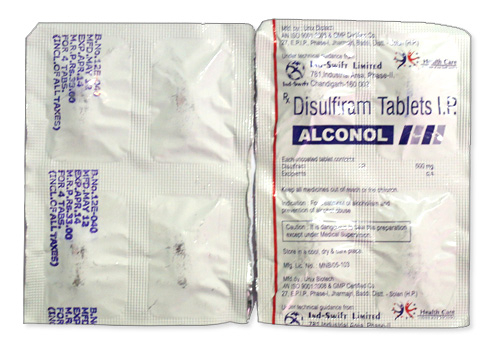
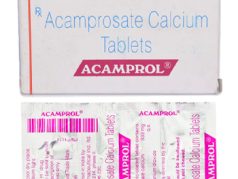
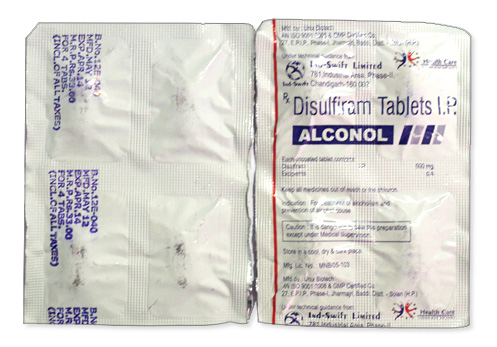
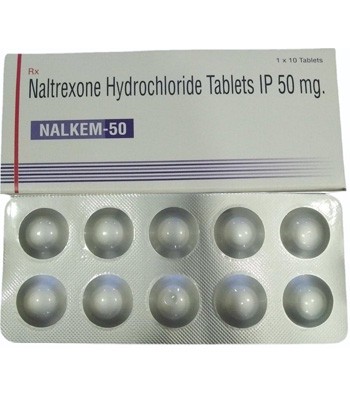
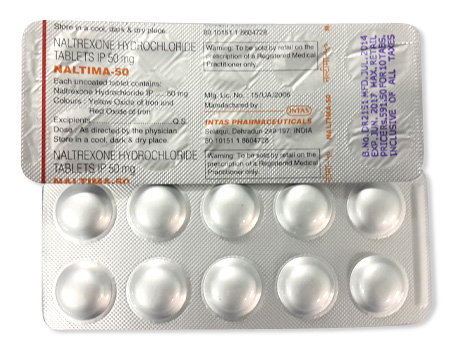
Several pharmaceutical options are available to help manage alcohol dependence and support recovery. Naltrexone is commonly prescribed and works by blocking opioid receptors in the brain, reducing cravings and the rewarding effects of alcohol. Acamprosate helps restore the balance of neurotransmitters in the brain disrupted by chronic alcohol use, reducing protracted withdrawal symptoms and cravings. Disulfiram, also known as Antabuse, creates an unpleasant reaction when combined with alcohol, serving as a deterrent to drinking. These medications are available through Canadian pharmacies with a doctor's prescription and have shown effectiveness in clinical studies when combined with counseling and support programs.
Naltrexone reduces the pleasurable effects associated with drinking, helping individuals resist urges. Acamprosate minimizes post-acute withdrawal symptoms that can trigger relapse. Disulfiram works through negative reinforcement, as consuming alcohol while taking this medication causes flushing, nausea, and headaches. The choice of medication depends on individual health status, medical history, and treatment goals established with a healthcare provider.
Alcohol withdrawal occurs when someone with alcohol dependence suddenly reduces or stops drinking. Symptoms typically begin within 6 to 12 hours and can range from mild to severe. Common symptoms include tremors, anxiety, sweating, headache, rapid heartbeat, and insomnia. In more severe cases, individuals may experience hallucinations or seizures, requiring immediate medical attention. Understanding these symptoms helps individuals and caregivers prepare for the withdrawal process and seek appropriate support.
Healthcare professionals may prescribe benzodiazepines to manage withdrawal symptoms safely and comfortably. Other medications support specific symptoms such as nausea, elevated blood pressure, or rapid heart rate. Medical supervision during withdrawal is strongly recommended, as severe withdrawal can be life-threatening. Gradual tapering combined with medication management provides the safest approach for most individuals.
Individual counseling helps identify triggers, develop coping strategies, and address underlying emotional issues contributing to alcohol use. Cognitive-behavioral therapy teaches practical skills for managing cravings and preventing relapse. Motivational interviewing helps individuals resolve ambivalence about changing drinking behaviours and builds commitment to recovery.
Peer support programs are essential components of recovery and available throughout Canada. These include:
These programs often complement medication treatment and provide ongoing support during the recovery journey.
Successful recovery requires a comprehensive plan addressing medical, psychological, and social aspects of alcoholism. This includes regular medication use as prescribed, ongoing therapy sessions, participation in support groups, and lifestyle modifications. Identifying personal triggers such as stress, certain social situations, or emotional states allows individuals to develop alternative coping mechanisms. Setting realistic goals and celebrating milestones maintains motivation throughout the recovery process.
Lifestyle changes play a vital role in sustaining recovery. Developing healthy habits such as exercise, proper nutrition, and adequate sleep supports overall wellbeing. Avoiding high-risk situations and establishing new social connections with non-drinking individuals reduce relapse risk. Regular check-ins with healthcare providers ensure medications remain effective and address any emerging concerns. Many individuals benefit from ongoing therapy even after achieving sobriety to strengthen coping skills and address life stressors.
Recognizing when professional help is needed is the first step toward recovery. Signs include inability to control drinking, unsuccessful attempts to quit, continued drinking despite consequences, neglecting responsibilities, relationship conflicts related to alcohol use, and experiencing legal or financial problems. Physical symptoms such as blackouts, memory loss, or health complications also indicate the need for professional intervention.
Healthcare providers including family doctors, specialists in addiction medicine, and mental health professionals can assess alcohol dependence and recommend appropriate treatment. Provincial health services, private clinics, and hospital-based programs offer various treatment options. Many communities have addiction counsellors and peer support coordinators who can guide individuals toward suitable resources. Insurance coverage varies by province and plan, so checking coverage details helps with treatment planning. Starting the conversation with a healthcare provider is often the most effective first step toward accessing appropriate care and beginning the journey toward recovery.