Septra
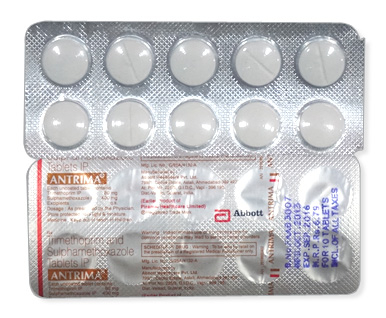
Septra
- Septra (co‑trimoxazole) is sold in pharmacies, hospitals and licensed online pharmacies in Canada and internationally; it is officially a prescription‑only medicine in Canada, the United States and most EU countries, although some pharmacies may dispense it without a prescription or receipt (this is not standard practice and may be against local regulations).
- Septra is used to treat urinary tract infections, acute otitis media (children), bronchitis, traveller’s diarrhoea, shigellosis and for Pneumocystis jirovecii (PCP) prophylaxis and treatment. Mechanism: the combination blocks sequential steps in bacterial folate synthesis — sulfamethoxazole inhibits dihydropteroate synthase and trimethoprim inhibits dihydrofolate reductase — producing a synergistic bactericidal effect against susceptible organisms.
- Usual doses: adults commonly take one double‑strength tablet (800 mg SMX / 160 mg TMP) every 12 hours for many infections (typical courses 5–14 days depending on indication); PCP treatment dosing is higher (about 15–20 mg/kg TMP per day divided q6–8h); pediatric dosing is weight‑based (approximately 8 mg/kg TMP + 40 mg/kg SMX per day divided q12h for standard pediatric indications).
- Forms of administration: oral tablets (400/80 mg and 800/160 mg DS), oral suspension (200 mg SMX / 40 mg TMP per 5 mL), and intravenous injection (available in hospital settings).
- Onset time: bactericidal activity begins once therapeutic blood levels are reached (within a few hours); symptomatic improvement is often seen within 24–72 hours depending on the infection.
- Duration of action: with double‑strength tablets the effective antimicrobial activity typically lasts around 12 hours (hence twice‑daily dosing); elimination half‑lives of both components are roughly 8–12 hours.
- Alcohol warning: avoid excessive alcohol while taking Septra — alcohol may worsen side effects (dizziness, nausea) and contribute to liver strain; moderate alcohol use should be discussed with your prescriber or pharmacist.
- The most common side effect is nausea (other frequent effects include rash, vomiting, and electrolyte abnormalities such as hyperkalemia).
- Would you like to try septra without a prescription?
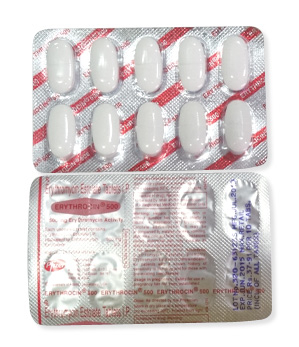
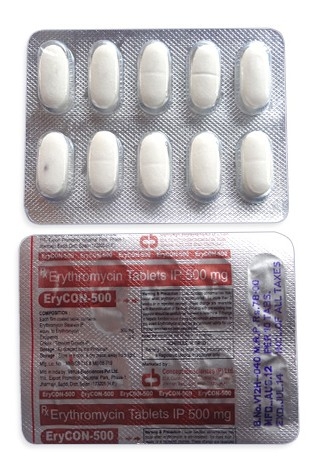
Basic Septra Information
- INN (International Nonproprietary Name): Sulfamethoxazole and Trimethoprim.
- Brand Names Available In Canada (English): Apo-Sulfatrim, Novo-Trimel, Nu-Cotrimox, Septra Pediatric Suspension.
- ATC Code: J01EE01 (Combinations of Sulfonamides And Trimethoprim).
- Forms & Dosages: Tablets 400 mg SMX / 80 mg TMP and 800 mg SMX / 160 mg TMP (DS); Suspension 200 mg SMX / 40 mg TMP per 5 mL; IV vials 80 mg TMP / 400 mg SMX per 5 mL.
- Manufacturers In Canada (English): Apotex and Teva among others; international suppliers include Eumedica and major generics manufacturers.
- Registration Status In Canada (English): Health Canada authorized, Rx only.
- OTC / Rx Classification: Prescription only (Rx only) in Canada.
Major 2022–2025 Canadian & Global Studies
Are recent studies still saying septra works for common infections?
Surveillance and clinical analyses from 2022–2025 reaffirm co-trimoxazole’s clinical utility for targeted indications such as uncomplicated urinary tract infection, Pneumocystis jirovecii pneumonia treatment and prophylaxis, and shigellosis.
Those reports also note changing empirical prescribing in primary care because of rising Enterobacterales resistance.
Canadian infectious-disease advisory summaries and international stewardship bodies now emphasise checking local susceptibility data before choosing septra empirically.
Clinicians are being advised to consult provincial antibiograms and stewardship guidance when treating community-acquired infections.
Main Outcomes
Does septra still work when the bug is susceptible?
Effectiveness remains strong where pathogens are shown to be susceptible to sulfamethoxazole and trimethoprim.
Double-strength 800/160 mg taken every 12 hours continues as the standard adult oral regimen for many indications according to Health Canada–aligned monographs.
IV formulations remain an important option for severe PCP and for patients who cannot take oral therapy.
Safety Observations
What safety signals have recent surveillance systems reported?
Post-marketing surveillance from 2022–2025 highlights hypersensitivity reactions, hematologic suppression and hyperkalemia, particularly in elderly or renally impaired patients.
Canadian practice guidance reinforces monitoring recommendations including baseline and periodic blood counts and electrolytes for prolonged courses.
There is also a trend for clinicians to prioritise alternatives such as nitrofurantoin or trimethoprim alone for empiric uncomplicated UTI when local TMP‑SMX resistance exceeds about 20 percent.
Layman’s Explanation
How does Septra kill bacteria in plain language?
Septra combines two antibiotics that block the same metabolic pathway at two different steps, cutting off the bacteria’s ability to make folate.
Think of it as removing two rungs from the same ladder so susceptible bacteria cannot climb the pathway they need to survive.
The two drugs together are more powerful than either alone against susceptible organisms.
Scientific Breakdown
What are the precise molecular targets?
Trimethoprim inhibits dihydrofolate reductase, or DHFR.
Sulfamethoxazole, a sulfonamide, inhibits dihydropteroate synthase, or DHPS.
The combination is classified under ATC code J01EE01 and reduces the chance of single-step resistance while increasing potency compared with either agent used alone.
Pharmacokinetics (Practical Points)
Which formulations are available and what practical monitoring is needed?
Available forms include oral tablets (400/80 mg and 800/160 mg DS), an oral suspension (200/40 mg per 5 mL) and IV vials (80 mg TMP/400 mg SMX per 5 mL) for hospital use.
Dosing must be adjusted for renal impairment and in children by weight for the suspension formulation.
Prolonged therapy requires monitoring of serum potassium and complete blood counts because of hyperkalemia and bone marrow suppression risks.
Health Canada Approvals (DIN-Based)
What does Health Canada say septra is for?
Health Canada authorises co-trimoxazole as a prescription medicine for urinary tract infections, shigellosis, bronchitis/traveler’s diarrhoea and Pneumocystis jirovecii pneumonia treatment and prophylaxis in line with product monographs and dosing tables.
Typical adult dosing in many product monographs is 1 double-strength tablet every 12 hours.
Notable Off-Label Trends In Canadian Practice
Do Canadian clinicians use septra for anything beyond the monograph?
In hospitals and specialist clinics, clinicians sometimes use co-trimoxazole off-label for selected skin and soft-tissue infections and as part of specific toxoplasmosis regimens in immunocompromised patients.
Those off-label uses are usually guided by specialist consultation, culture and susceptibility data and provincial formulary rules tied to DIN-coded products for dispensing.
General Dosing Per Health Canada Monographs
What is the typical adult and paediatric dosing?
For adults the common regimen for many infections is 1 double-strength tablet (800 mg SMX / 160 mg TMP) every 12 hours.
The paediatric suspension is dosed by weight at 200 mg SMX / 40 mg TMP per 5 mL with trimethoprim typically dosed at 8 mg/kg and sulfamethoxazole at 40 mg/kg divided every 12 hours for common paediatric indications.
Condition-Specific Dosing Adjustments
How does dosing change by condition?
For uncomplicated UTI durations vary from three to fourteen days depending on severity and clinician judgement.
For PCP treatment the regimen is 15–20 mg/kg trimethoprim daily divided q6–8h for 14–21 days, with IV used for severe illness.
Prophylaxis regimens often use one double-strength tablet once daily or three times weekly depending on patient risk.
Renal/Older-Adult Adjustments
Who needs dose changes or extra monitoring?
Dose reduction or extended dosing intervals are required in renal impairment and the drug should generally be avoided if creatinine clearance is below 15 mL/min.
Elderly patients should be monitored closely for hyperkalemia and hematologic adverse events and doses adjusted based on creatinine and interacting medicines.
Contraindications (Canadian Advisories)
Who should not take septra?
Absolute contraindications include a known allergy to sulfonamides or trimethoprim, megaloblastic anaemia due to folate deficiency, severe renal or hepatic impairment, infants under two months, and pregnancy near term and breastfeeding in many product monographs.
Adverse Effects (Post-Market Reports)
What side effects do Canadian reports highlight?
Common adverse effects include nausea, vomiting, diarrhoea, rash and mild increases in liver enzymes.
Serious but rare events include Stevens–Johnson syndrome or toxic epidermal necrolysis, bone marrow suppression and severe hyperkalemia, with increased risk among elderly and renally impaired patients.
Canadian post-market surveillance stresses stopping the drug and seeking urgent assessment for severe rash or signs of cytopenia.
Food Interactions Common In Canadian Diet
Are there foods to avoid while taking septra?
There are no major food restrictions with septra.
Diets low in folate or interactions with high-folate supplements can theoretically alter folate-related adverse effects, though this is uncommon in practice.
Alcohol does not reduce effectiveness but can increase gastrointestinal upset.
Drug Combinations Flagged By Health Canada
Which medicines require extra caution when combined with septra?
Important interactions include ACE inhibitors, ARBs and potassium-sparing diuretics because of additive hyperkalemia risk.
Warfarin interactions with increased INR have been reported and require closer INR monitoring if co-prescribed.
Methotrexate and other folate antagonists can have additive marrow toxicity, and phenytoin can interact with trimethoprim to affect concentrations and adverse effects.
Pharmacists should check provincial formularies and chain pharmacy interaction tools before dispensing.
Canadian Survey Data
How do patients report tolerability and adherence?
Community pharmacy surveys in Canada show good short-course tolerability for UTIs and effective symptom relief when the infecting organism is susceptible.
Long-term prophylaxis cohorts, such as people living with HIV or transplant recipients, report higher discontinuation rates due to adverse effects like cytopenias and renal-related lab abnormalities.
Forum & Community Pharmacy Trends
What are patients asking about in online forums and pharmacies?
Common concerns include rash reports, the palatability of the paediatric suspension, and questions about price and brand comparisons.
Community pharmacists at major chains commonly counsel on monitoring bloodwork, missed-dose instructions and provincial coverage options such as Ontario Drug Benefit, BC PharmaCare and RAMQ.
National Pharmacy Chains
Where can patients find Septra in Canada?
Septra and Canadian generics such as Apo-Sulfatrim and Novo-Trimel are widely stocked across national chains including Shoppers Drug Mart, Rexall, Jean Coutu and London Drugs.
Dispensing uses DIN-validated products and bilingual labelling is standard across national chains and Quebec outlets.
Online Pharmacy Availability & Provincial Restrictions
Can it be ordered online and will plans cover it?
Licensed online dispensing requires a valid prescription, and provincial drug plans may reimburse depending on the indicated use and beneficiary status.
Some provinces limit coverage to listed indications so checking ODB, BC PharmaCare or RAMQ criteria is advised before ordering.
In our online pharmacy, septra is available without a prescription, with discreet delivery to Canada (English) in 5-14 days.
Cross-Border US Comparisons
Is it cheaper across the border?
US branded products such as Bactrim or Septra can sometimes be less expensive in certain cases, but cross-border import rules and prescription verification limit personal importation.
Price sensitivity drives demand for Canadian generics supplied by manufacturers like Apotex and Teva.
Comparison Of DIN-Approved Alternatives
What are common DIN-approved alternatives a pharmacist may recommend?
- Nitrofurantoin for uncomplicated lower UTI when appropriate and renal function permits.
- Trimethoprim alone for some UTIs depending on susceptibility.
- Ciprofloxacin for certain complicated infections or when culture data indicate susceptibility and other options are unsuitable.
- Amoxicillin/clavulanate for select respiratory and skin infections.
Pros And Cons Checklist
How does septra compare at a glance?
Pros: Broad activity for susceptible strains, available oral and IV forms, paediatric suspension option, well-established dosing regimens.
Cons: Sulfonamide allergy risk, potential for hematologic and electrolyte adverse effects, contraindications in late pregnancy and infants under two months, and rising Enterobacterales resistance in some regions.
Pharmacists should consult provincial formularies and local antibiograms to select empiric therapy and advise patients on covered alternatives.
Health Canada Approval Process
How are co-trimoxazole products approved?
Products are reviewed by Health Canada for quality, safety and efficacy before being authorised and assigned a Drug Identification Number for each manufacturer.
Approval follows evaluation aligned with standard product monographs and labelling requirements.
DIN And Bilingual Labelling Rules
What labelling rules apply in Canada?
Marketed brands carry DINs and must meet bilingual labelling requirements where applicable, with French-first expectations for packaging sold in Quebec.
Manufacturers are required to file adverse event reports to Health Canada and provincial listing decisions then inform formulary coverage.
Consolidated FAQ
Can I buy Septra over the counter in Canada?
No — septra is prescription only in Canada and requires a valid prescription for dispensing.
Is Septra safe in pregnancy?
Septra is generally contraindicated near term and use during pregnancy requires specialist advice and a careful risk–benefit review.
How should I store the paediatric suspension?
Store the suspension at room temperature 20–25°C, protect it from light and do not freeze reconstituted bottles.
What if I miss a dose?
Take the missed dose as soon as remembered unless it is close to the next scheduled dose; do not double doses.
Will my provincial plan cover Septra?
Coverage depends on province and indication; check ODB, BC PharmaCare, RAMQ and specific pharmacy reimbursement policies.
Visual Guide Recommendations
What visuals help patients and pharmacists?
Recommended patient-facing infographics include a dosage quick chart showing adult DS tablet q12h and paediatric weight-based suspension dosing.
A provincial coverage map outlining ODB, BC PharmaCare and RAMQ eligibility is useful for counselling.
Purchase-channel visuals comparing in-store national chains and licensed online pharmacies help patients find supply options.
Warning icons for allergy, pregnancy and renal impairment with a concise monitoring checklist (baseline CBC, electrolytes, renal function for prolonged courses) make safer handouts.
Include the DIN on printed leaflets and a QR link to the Health Canada product monograph for more detail.
Canadian Household Storage Guidelines
How should households store septra?
Store at room temperature 20–25°C and protect the suspension from light.
Keep the suspension bottle tightly closed and do not freeze reconstituted suspensions, particularly in colder provinces where freezing during transit is a concern.
Keep all medicines out of reach of children and return unused medication to pharmacy take-back programs for safe disposal.
Cold-Chain Storage Where Applicable
What about IV vials and shipping precautions?
IV vials for hospital use are stored under sterile institutional guidelines and are not typically shipped to patients.
When online pharmacies ship sealed products, they should avoid extreme temperatures and use standard courier protections and insulated packaging in winter to prevent freezing.
Pharmacies like Shoppers Drug Mart and Rexall often accept returns or provide kiosks for safe disposal of unused medicines.
Advice From Canadian Pharmacists
What should pharmacists verify and counsel on?
Verify sulfonamide allergy history, pregnancy status, current medicines such as ACE inhibitors or warfarin, and recent renal function tests before dispensing.
Counsel patients on signs of serious reactions including rash, jaundice or unusual bruising and on the need for lab monitoring for prolonged therapy.
Recommend carrying product information with the DIN and clear pharmacy contact details.
Provincial Health Authority Guidance
Which protocols guide prescribing in Canada?
Follow provincial formularies and local antibiograms when choosing empiric therapy, including Ontario Drug Benefit, BC PharmaCare and RAMQ criteria.
For PCP prophylaxis and treatment coordinate with specialists and hospital formularies for IV-to-oral transition and dosing.
Emphasise adherence to the prescribed duration and advise patients to consult their community pharmacist at national chains for substitution and cost options.
Concluding Practical Notes
How to make a safe choice about septra?
Confirm the indication, check local susceptibility patterns, screen for contraindications and interacting medicines, and monitor relevant labs for prolonged courses.
When in doubt, specialists and local formulary guidance should direct complex or off-label uses.
Delivery Across Canada (English)
| City | Region | Delivery Time |
|---|---|---|
| Toronto | Ontario | 5-7 days |
| Montreal | Quebec | 5-7 days |
| Vancouver | British Columbia | 5-7 days |
| Calgary | Alberta | 5-7 days |
| Edmonton | Alberta | 5-7 days |
| Ottawa | Ontario | 5-7 days |
| Winnipeg | Manitoba | 5-7 days |
| Halifax | Nova Scotia | 5-9 days |
| Quebec City | Quebec | 5-9 days |
| Saskatoon | Saskatchewan | 5-9 days |
| Regina | Saskatchewan | 5-9 days |
| St. John’s | Newfoundland and Labrador | 5-9 days |
| Charlottetown | Prince Edward Island | 5-9 days |
| Whitehorse | Yukon | 5-9 days |
Practical Examples And Short Stories
Need a quick example to put this into context?
A patient called the pharmacy on a Friday evening worried about a UTI and was advised to see their family physician for culture and local antibiogram data before starting septra because regional resistance was unknown.
Another patient on a transplant clinic prophylaxis regimen required monthly CBC and electrolytes and was switched to an alternative after persistent cytopenia was detected.
These examples show why confirming susceptibility, screening for contraindications and monitoring are part of usual Canadian practice.
When To Call The Pharmacy Or Doctor
What signs mean you should seek help?
Seek urgent care for severe rash, fever with throat pain, new bruising or bleeding, shortness of breath, or symptoms suggesting high potassium such as palpitations or muscle weakness.
Contact the prescribing clinician if nausea, vomiting or diarrhoea are severe or if the patient cannot keep oral medication down.
Key Takeaways For Patients
What should patients remember about septra?
Septra is an established combination antibiotic available in tablet, suspension and IV forms for specific Health Canada–approved indications.
It is prescription only, and safe use requires screening for allergy, renal function and potentially interacting medicines.
Short courses for UTIs are generally well tolerated, while long-term use needs regular laboratory monitoring.
Alternatives such as nitrofurantoin, trimethoprim alone, ciprofloxacin or amoxicillin/clavulanate may be chosen based on susceptibility, allergy and pregnancy status.
Where To Get More Information
Who can patients ask for authoritative details?
Ask a community pharmacist at Shoppers Drug Mart, Rexall, Jean Coutu or London Drugs for counselling on dosing, interactions and formulary coverage.
For clinical questions about complex or off-label uses, seek advice from infectious-disease specialists or the prescribing clinician, and consult provincial formularies for coverage criteria.
Final Safety Reminders
What last safety points should be front of mind?
Always tell the pharmacist about any sulfonamide allergy, current blood-thinning therapy like warfarin, ACE inhibitors or potassium-sparing diuretics and any planned pregnancy.
Do not use septra in infants under two months and avoid use near term in pregnancy unless a specialist advises otherwise.
Report any suspected adverse reactions to the dispensing pharmacy and to Health Canada as directed in the product monograph.