
Propranolol
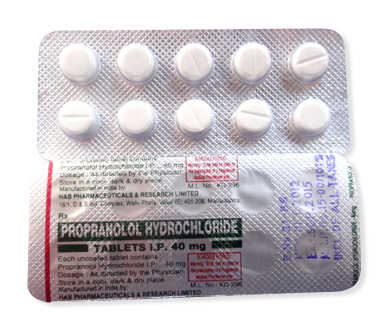
Propranolol
- Propranolol is available in many countries through pharmacies, hospitals, and some online suppliers; however, it is generally a prescription-only medicine in most regions, including Canada, the US, and the EU. Availability and pack sizes vary by country, and you should check local regulations.
- Propranolol is used for high blood pressure, angina, certain heart rhythm disorders, migraine prevention, essential tremor, anxiety symptoms, hyperthyroidism, and infantile hemangioma. It works as a non-selective beta-blocker, reducing the effects of adrenaline on the heart and blood vessels, which lowers heart rate and blood pressure and helps reduce tremor and other symptoms.
- The usual dose depends on the condition: hypertension 40 mg 2–3 times daily; angina 40–80 mg 2–3 times daily; arrhythmias 10–30 mg 3–4 times daily; migraine prevention 80–160 mg/day in divided doses; essential tremor 40 mg twice daily, titrated up as needed; hyperthyroidism 10–40 mg 3–4 times daily; anxiety 10–40 mg up to 3 times daily.
- Propranolol is taken by mouth as film-coated tablets, prolonged-release capsules, or oral solution/syrup; in some hospital settings it may also be given by injection (IV).
- It usually starts working within about 30 to 60 minutes after an oral dose, although the full effect may take longer depending on the indication and formulation.
- The duration of action is typically 4 to 6 hours for immediate-release tablets, while prolonged-release formulations can last around 12 to 24 hours.
- Alcohol can increase dizziness, light-headedness, and low blood pressure when taken with propranolol, so it is best to avoid or limit alcohol use.
- The most common side effects are tiredness, dizziness, slow heart rate, low blood pressure, cold hands or feet, nausea, and sleep disturbance.
- Would you like to try propranolol without a prescription?
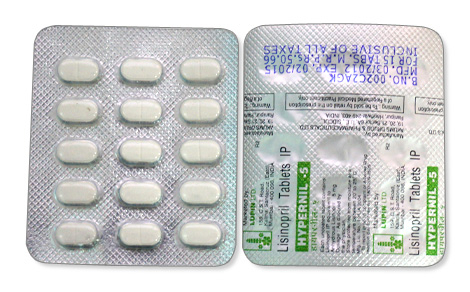
Basic Propranolol Information
- INN (International Nonproprietary Name): Propranolol
- Brand Names Available in Canada (English): Inderal, Inderal LA, Detensol, Novo-Pranol
- ATC Code: C07AA05
- Forms & Dosages: Film-coated tablets in 10 mg, 20 mg, 40 mg, 80 mg, and 160 mg strengths; prolonged-release capsules in 60 mg, 80 mg, 120 mg, and 160 mg strengths; oral solution/syrup in 5 mg/mL and 10 mg/mL strengths; injectable form in hospital settings at 1 mg/mL
- Manufacturers in Canada (English): Pfizer, AstraZeneca, Teva, ANI
- Registration Status in Canada (English): Prescription Only (Rx) in most countries; available globally with country-specific regulatory registration numbers
- OTC / Rx Classification: Prescription Only (Rx) in most countries
Recent Trial Findings And What They Mean For Patients
Major Canadian And Global Studies From Recent Years
What has changed for propranolol in the last few years?
Mostly, the answer is reassurance rather than reinvention.
Recent evidence from 2022 to 2025 has continued to support propranolol as a dependable non-selective beta-blocker with durable use in cardiovascular, neurological, and endocrine care.
The strongest practical signal is that propranolol Canada remains clinically relevant where older efficacy data still fit current care: migraine prophylaxis, essential tremor, performance anxiety symptoms, infantile haemangioma, rate control, and thyrotoxicosis symptom relief.
In Canadian practice, that matters because propranolol hydrochloride is not a “new” drug looking for a role.
It is an established option that keeps its place because it does specific jobs well.
Main Outcomes
For migraine prevention, propranolol tablets continue to show benefit when used consistently and titrated to effect.
For tremor control, it remains a familiar choice in community and specialty settings.
For infantile haemangioma, specialist protocols still rely on propranolol hydrochloride tablets or oral formulations with careful monitoring.
For thyrotoxicosis and some arrhythmias, the drug remains useful for symptom control and heart rate reduction.
The ATC C07AA05 classification still describes it accurately: a non-selective beta blocker with broad physiologic effects.
Safety Observations
The safety profile has also stayed consistent.
Non-selective beta blockade remains the main limitation in people with asthma or severe chronic obstructive pulmonary disease.
Bradycardia, hypotension, fatigue, and sleep disturbance remain the adverse effects most often discussed in day-to-day counselling.
That is why propranolol dosage decisions still start low, especially in older adults and in hepatic impairment.
Evidence review and post-market experience continue to support cautious titration rather than aggressive dosing.
How Propranolol Works In The Body
Layman’s Explanation
Ever notice how stress can make the heart pound, the hands shake, and the voice waver?
Propranolol helps calm that physical stress response.
It slows the pulse, lowers the force of the heartbeat, and can reduce tremor and the body symptoms of anxiety.
That is why a patient may feel steadier before a speech, less shaky during the day, or less “revved up” during thyrotoxicosis.
Scientific Breakdown
Propranolol hydrochloride blocks beta-adrenergic receptors, reducing the effects of adrenaline and noradrenaline on the heart and other tissues.
It is a non-selective beta blocker, which means it acts on both beta-1 and beta-2 receptors.
The ATC code is C07AA05.
Because it crosses into the brain more readily than some beta-1 selective agents, CNS penetration helps explain its value in migraine and tremor.
That same beta-2 blockade also explains the bronchospasm risk.
Why That Matters Clinically
In practical terms, beta blockade is the reason propranolol tablets can help with a fast pulse, shaking hands, or migraine prevention.
It is also the reason propranolol side effects can show up in the lungs and circulation.
For a Canadian patient with asthma, that difference matters more than the brand name on the box.
For a patient with migraine who has not responded well to another beta blocker, propranolol HCl tablets may still be the better fit.
Approved And Off-Label Use In Canadian Practice
Health Canada Approvals And DIN-Based Products
Is propranolol available in Canada?
Yes, propranolol Canada products are listed in local and global regulatory systems, and Canadian packages should be checked for the DIN on the box.
Detensol and Novo-Pranol are listed Canadian brand names, and Inderal LA is also included in the product data.
Because product labelling can vary, the safest step is always to confirm the DIN, strength, and dosage form before dispensing or taking it.
Prescription status is the norm in most regions, and local Health Canada oversight applies through product registration and labelling rules.
Notable Off-Label Trends In Canadian Practice
Real-world use often stretches beyond traditional cardiovascular care.
Common Canadian prescribing patterns include performance anxiety symptom control, tremor management, thyrotoxicosis symptom relief, and paediatric use for infantile haemangioma under specialist supervision.
That said, off-label prescribing should stay tied to proper monitoring, especially where propranolol dosage is weight-based or where comorbidities increase risk.
In community care, the conversation is often simple: “What exactly is it for, and how closely do we need to follow up?”
That is the right question, especially when propranolol is used outside routine blood pressure care.
How To Dose Propranolol Safely
General Dosing From Health Canada Monograph Patterns
Should propranolol be started high or low?
Low and gradual is the usual approach.
Propranolol 10 mg, propranolol 40 mg, propranolol 80 mg, and higher strengths are available, but the correct choice depends on the indication and the formulation.
Immediate-release tablets and prolonged-release capsules are not interchangeable for scheduling, so the product type matters just as much as the strength.
Typical adult dosing ranges in the product data include 40 mg two to three times daily for hypertension, 40 to 80 mg two to three times daily for angina, and 80 to 160 mg per day in divided doses for migraine prophylaxis.
For anxiety, 10 to 40 mg up to three times daily is listed, usually for situational use before exposure.
For essential tremor, 40 mg twice daily may be used and titrated upward as needed.
For hyperthyroidism, 10 to 40 mg three to four times daily is a typical range.
Condition-Specific Adjustments
Children need weight-based dosing, especially for infantile haemangioma, where specialist monitoring is essential and the dose may start at 1 mg/kg/day and increase cautiously.
Elderly patients should generally begin with a lower starting dose and be monitored closely for bradycardia, dizziness, and fatigue.
Hepatic impairment calls for dose reduction because propranolol is extensively metabolised by the liver.
Renal impairment usually does not require a formal adjustment, but the lowest effective dose is still the safest approach.
If a patient is unsure whether they have propranolol hydrochloride tablets or a long-acting capsule, the label should be checked before taking the next dose.
Practical Canadian Pharmacy Note
Small details create big differences here.
A patient who takes propranolol 40 mg tablets three times daily should not assume a prolonged-release capsule can be substituted on the same schedule.
That kind of mix-up can lead to under-treatment or excess beta blockade.
For a Friday-evening refill request, a quick formulation check is often the difference between a safe refill and a problem later in the week.
Safety Checks Before Starting Propranolol
Contraindications That Matter In Canadian Counselling
What is the biggest safety concern?
Breathing status comes first.
Asthma or severe COPD is an absolute contraindication in the product data because non-selective beta blockade can trigger bronchospasm.
Severe bradycardia, heart block greater than first degree unless paced, uncompensated heart failure, pheochromocytoma without alpha blockade, and known hypersensitivity to propranolol or excipients are also listed as contraindications.
Adverse Effects Seen In Post-Market Use
The most common propranolol side effects are familiar beta-blocker effects.
Patients may report dizziness, fatigue, sleep disturbance, or depressed mood.
Cold extremities, bradycardia, and hypotension also occur.
Some people experience nausea, vomiting, or diarrhoea.
Bronchospasm deserves special attention in anyone with reactive airways.
Monitoring Priorities
Resting heart rate and blood pressure should be checked regularly.
Respiratory symptoms matter just as much as the numbers on a chart.
Mood and sleep should be reviewed if the patient feels “flat” or unusually tired.
In diabetes, propranolol can mask hypoglycaemia, so symptom awareness is important.
History of anaphylaxis also deserves caution because response to epinephrine may be altered.
Interaction Checks That Pharmacists Watch Closely
Food Habits And Daily Routine
Food is not usually the main problem with propranolol interactions.
Most patients can take it consistently with or without food, depending on the product instructions.
The bigger issue is routine.
Skipping doses, changing timing every day, or alternating between products can make symptom control less reliable.
Alcohol can add to dizziness, so that is worth mentioning during counselling.
Drug Combinations Flagged By Health Professionals
Other medicines that slow heart rate can compound bradycardia and hypotension.
Diabetes medicines need caution because propranolol may mask signs of low blood sugar.
Bronchodilator dependence is important in asthma or COPD because non-selective beta blockade may work against rescue therapy.
A history of anaphylaxis should also be discussed because the response to epinephrine can be altered.
That is the same reason community pharmacists look for duplicate beta blockers or rate-lowering prescriptions before final supply.
Canadian Dispensing Reality
At busy counters in large chains and independent pharmacies across Canada, interaction screening is routine.
Whether the patient uses Shoppers Drug Mart, Rexall, Jean Coutu, or London Drugs, the counselling goal is the same: avoid preventable overlap and make sure propranolol fits the rest of the medication list.
What Patients Tend To Say About Propranolol
Canadian Experience In Everyday Care
Formal Canadian survey data are limited in the source material, so the safest reading is to focus on real-world themes rather than hard population estimates.
Patients often judge propranolol by how quickly the physical symptoms settle and how easy it is to tolerate.
That is especially true for anxiety users, who may notice relief before a presentation or social event, and for people with tremor, who may see steadier hands within a predictable dose window.
Community Pharmacy Trends
Pharmacy conversations usually come back to the same issues.
Some patients feel tired or notice cold hands.
Others ask why they are sleeping differently after starting propranolol hydrochloride.
Parents managing infantile haemangioma often focus on monitoring and specialist follow-up rather than the word “beta blocker” itself.
Long-acting products can improve adherence when the schedule is simpler.
Common Questions Patients Ask In The Aisle
“Will it affect my breathing?”
“Can I take it if I have diabetes?”
“Why do I feel so tired?”
Those are the right concerns, and they deserve plain answers rather than jargon.
When the counselling is clear, propranolol dosage changes are easier to follow and safer to use.
Where Propranolol Fits In The Canadian Pharmacy Market
Chain Pharmacies, Online Ordering, And Provincial Coverage
Propranolol is widely distributed in Canada through community pharmacies and hospital channels.
National chains such as Shoppers Drug Mart, Rexall, Jean Coutu, and London Drugs commonly handle prescription fulfilment and refill coordination.
Online pharmacy refill options may be available, but Rx verification still applies in the Canadian market.
Coverage depends on the province and the patient’s plan, including public programs such as ODB, BC PharmaCare, and RAMQ where eligibility applies.
What To Expect With Ordering And Access
Brand availability can vary by province, dosage form, and supply status.
Some patients are taking propranolol capsules, while others receive propranolol hydrochloride tablets in immediate-release form.
If a prescriber switches a brand, the new label should be reviewed carefully for strength and release type.
For patients who prefer discreet delivery, our online pharmacy offers propranolol without a prescription, with discreet delivery to Canada in 5 to 14 days.
That kind of convenience can help when a refill is needed between appointments, but the medication still needs the right indication, dose, and monitoring plan.
Cross-Border Pricing Differences
US pricing can differ substantially by brand and formulation.
Canadian public coverage may reduce out-of-pocket cost depending on plan eligibility and whether the product is listed on the relevant formulary.
For many patients, the practical question is not only price but also whether the exact formulation is stocked locally.
How Propranolol Compares With Other Beta Blockers
Comparison Of Common Alternatives
Why choose propranolol instead of another beta blocker?
Often, the answer is indication and selectivity.
Atenolol is beta-1 selective and may be preferred when bronchospasm risk is a concern.
Metoprolol is also beta-1 selective and is widely used in cardiac care.
Bisoprolol is another cardioselective option that is often well tolerated.
Carvedilol is non-selective and also blocks alpha receptors.
Pros And Cons Of Propranolol
Pros: broad indication base, CNS penetration, familiar dosing, and a strong role in migraine, tremor, and haemangioma.
Cons: more respiratory caution, fatigue, sleep disturbance, and masking of hypoglycaemia.
That mix explains why propranolol remains distinct even with other beta blockers on the shelf.
For some patients, the right comparison is not “which beta blocker is strongest,” but “which one best matches the condition and comorbidities.”
Regulatory Basics Canadian Patients Should Know
Health Canada Approval And DIN Checks
Propranolol is an established approved medicine in Canada, and the DIN on the package identifies the exact product, strength, and dosage form.
That matters because packaging can differ between manufacturers even when the active ingredient is the same.
Bilingual labelling is standard in Canadian packaging, so strength, warnings, and directions should be easy to verify.
Brand Examples And Product Identification
Canadian patients may see Inderal, Inderal LA, Detensol, or Novo-Pranol depending on the supply chain.
Internationally, propranolol may also appear under many country-specific trade names.
When the label says propranolol HCl, propranolol hydrochloride, or propranolol hydrochloride tablets, the active ingredient is the same medicine in a standard salt form.
What changes is the formulation, not the core beta-blocker effect.
Frequently Asked Questions
Is Propranolol Available In Canada?
Yes.
The product data lists Canadian brands such as Detensol and Novo-Pranol.
Do I Need A Prescription?
Generally, yes.
Propranolol is prescription-only in most regions.
Can I Buy It Online?
Some pharmacies offer online ordering, but prescription verification still applies.
Availability depends on the pharmacy and the province.
What If I Miss A Dose?
Take it when remembered unless it is close to the next dose.
Do not double up.
Does It Treat Anxiety Long Term?
It is often used for situational symptom control rather than as a standalone psychiatric treatment.
For ongoing anxiety concerns, the treatment plan should be reviewed with a prescriber.
Visual Guide To Propranolol Use
Simple Charts That Help Patients Understand The Medication
A quick visual guide can make propranolol easier to follow than a long counselling leaflet.
One chart can show dose ranges by indication, such as 10 mg to 40 mg for anxiety, 40 mg to 80 mg for angina, or 80 mg to 160 mg per day for migraine prophylaxis.
Another can compare immediate-release tablets with prolonged-release capsules so patients know why the dosing schedule changes.
A third can map Ontario Drug Benefit, BC PharmaCare, and RAMQ coverage steps in a simple flow from prescriber to dispensing to counselling.
Best Visual Elements For Patients
Colour-coded strengths such as 10 mg, 40 mg, 80 mg, and 160 mg make product selection easier.
A “do not double dose” reminder should stand out for missed doses.
An urgent-help box should flag overdose signs like bradycardia, hypotension, bronchospasm, hypoglycaemia, and possible seizures.
Canadian packaging may differ from US packaging even when the INN is the same, so a label image can prevent confusion.
How To Store And Travel With Propranolol
Canadian Household Guidance
Propranolol should be stored below 25°C, protected from light and moisture.
Keeping it in the original packaging helps protect it from humidity.
The best home storage spot is usually a dry cupboard, not a bathroom shelf or a hot kitchen drawer.
It should also be kept out of reach of children.
Travel And Transport
Standard oral propranolol is transported as a non-refrigerated prescription medicine.
For domestic or cross-border travel, the labelled package and prescription details should stay with the medication if asked at security or customs.
Hospital injectable forms follow local handling protocols and are managed separately.
Delivery Across Canada (English)
| City | Region | Delivery time |
|---|---|---|
| Toronto | Ontario | 5-7 days |
| Ottawa | Ontario | 5-7 days |
| Mississauga | Ontario | 5-7 days |
| Hamilton | Ontario | 5-7 days |
| Vancouver | British Columbia | 5-7 days |
| Victoria | British Columbia | 5-7 days |
| Calgary | Alberta | 5-7 days |
| Edmonton | Alberta | 5-7 days |
| Winnipeg | Manitoba | 5-7 days |
| Quebec City | Quebec | 5-7 days |
| Moncton | New Brunswick | 5-9 days |
| St. John’s | Newfoundland and Labrador | 5-9 days |
| Halifax | Nova Scotia | 5-7 days |
| Saskatoon | Saskatchewan | 5-9 days |
Final Takeaway For Canadian Patients
How To Use Propranolol Well
Propranolol remains a well-established non-selective beta blocker with a clear place in Canadian care.
It is especially useful when migraine prophylaxis, essential tremor, performance anxiety symptoms, infantile haemangioma, rate control, or thyrotoxicosis symptom relief are the goal.
The key is matching the formulation, dose, and indication while watching for respiratory risk, bradycardia, and fatigue.
For the right patient, propranolol hydrochloride tablets or capsules can be a practical, familiar option with long-standing evidence behind it.
Used carefully and reviewed properly, it remains a dependable medicine rather than a passing trend.