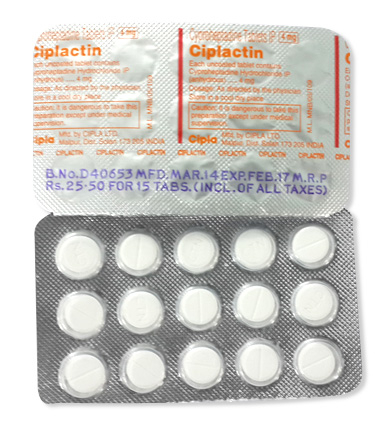
Medroxyprogesterone

Medroxyprogesterone
- In our pharmacy, you can buy medroxyprogesterone without a prescription, with delivery available across Canada in discreet packaging. In standard medical practice, it is prescription-only.
- Medroxyprogesterone is used for contraception, abnormal uterine bleeding, endometriosis, secondary amenorrhea, and some hormone-sensitive cancers. It is a progestin that works by mimicking progesterone, suppressing ovulation, thickening cervical mucus, and altering the uterine lining.
- The usual dose depends on the condition: 150 mg intramuscularly every 3 months for contraception, 104 mg subcutaneously every 3 months for contraception, or 5–10 mg orally daily for 5–10 days for gynecological conditions. For some cancer regimens, higher individualized doses may be used.
- The form of administration is a tablet, intramuscular injection, or subcutaneous injection.
- For contraceptive injections, it begins working within about 24 hours if given at the proper time in the menstrual cycle; oral use for bleeding-related conditions may start acting within a few days.
- The duration of action is about 12–13 weeks for injectable forms, while oral treatment is usually given in short cyclic courses of 5–10 days.
- Alcohol is not absolutely contraindicated, but it is best to avoid or limit alcohol because it may worsen dizziness, mood changes, or stomach upset.
- The most common side effects are menstrual changes or absence of periods, weight gain, headache, bloating, mood changes, and decreased libido.
- Would you like to try medroxyprogesterone without a prescription?
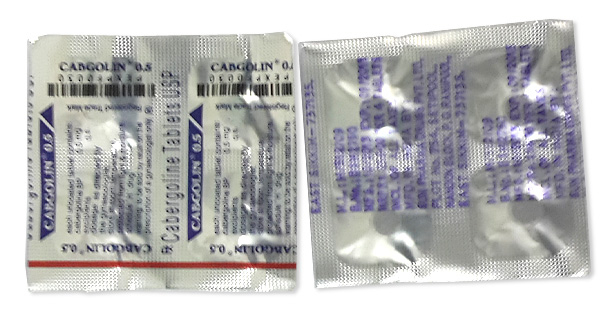
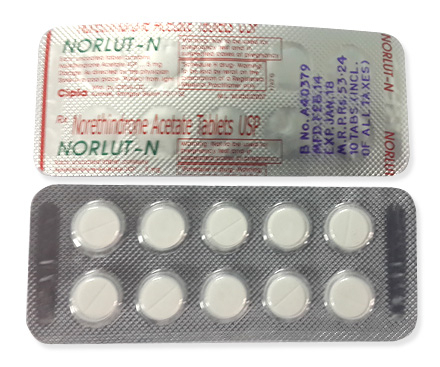
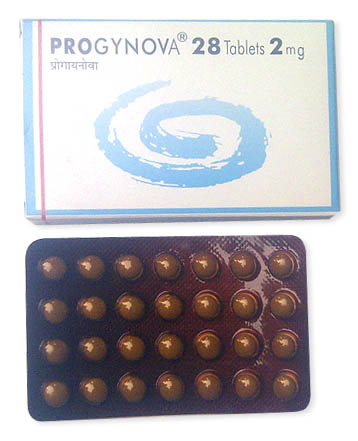

Basic Medroxyprogesterone Information
- INN (International Nonproprietary Name): Medroxyprogesterone
- Brand names available in Canada (English): Depo-Provera, Provera, Depo-SubQ Provera 104, and generic medroxyprogesterone products; local packaging may vary by authorization and stock
- ATC Code: G03AC06; L02AB02; G03DA02; some combination products may also use G03AA08 or G03FA12
- Forms & dosages: Oral tablet 2.5 mg, 5 mg, 10 mg; IM suspension 150 mg/mL; subcutaneous injection 104 mg/0.65 mL; other combined products vary
- Manufacturers in Canada (English): Pfizer; Pharmacia & Upjohn; generics may be supplied by Teva, Mylan, and Sandoz, depending on market authorization
- Registration status in Canada (English): Prescription-only medicine; Canadian access depends on provincial formularies, local stock, and DIN-linked product availability
- OTC / Rx classification: Rx-only in Canada
Recent Trial Findings And What They Mean For Canadian Patients
Major 2022–2025 Canadian & Global Studies
Wondering whether medroxyprogesterone still holds up in real-world use?
Recent evidence from 2022 to 2025 continues to support medroxyprogesterone as a high-efficacy progestin, especially for injectable birth control and selected gynaecology uses.
Across Canadian study settings and international cohorts, the main questions have been practical ones: do patients stay on treatment, does bleeding settle, what happens to bone density over time, and how well does self-administration work for subcutaneous DMPA?
That matters in Canada because access is rarely just about the drug itself.
It also depends on a Health Canada-aligned prescription, a DIN-linked product, and whether a provincial plan such as Ontario Drug Benefit, BC PharmaCare, or RAMQ covers the formulation.
In day-to-day pharmacy practice, the strongest signal from recent trials is consistency.
DMPA remains reliable for contraception, and oral medroxyprogesterone continues to be used for cyclic bleeding control and secondary amenorrhoea when prescribed in the right setting.
Continuation is often better with low-maintenance contraception than with daily oral therapy, but the trade-off is the same one pharmacists have counselled on for years: irregular bleeding, weight gain, and bone-density concerns can shape satisfaction.
Patients often ask about the injection when they want fewer reminders and less daily adherence pressure.
A family doctor or sexual health clinic may start the conversation, and a community pharmacist may end it with practical timing advice and refill planning.
Main Outcomes
The best-supported outcome remains contraceptive efficacy.
When the injection schedule is followed, medroxyprogesterone acetate is a dependable option for birth control.
Real-world experience also supports its use when a patient wants a method that does not require daily remembering.
That low-maintenance feature is one reason the product continues to show strong continuation in practice compared with oral options.
For gynaecology, short oral courses still help with abnormal uterine bleeding and secondary amenorrhoea, especially when the regimen is matched to the menstrual cycle.
In endometriosis, specialist-led use remains common when symptom control is needed and other progestins have not been enough.
Canadian readers searching for Depo-Provera, Provera tablet, or medroxyprogesterone acetate tablets are usually trying to solve a very practical problem: what works, what is covered, and how soon can it be started?
The answer depends on the indication, but the overall picture is stable.
Medroxyprogesterone remains a cornerstone progestin used globally for contraception, gynaecological disorders, and oncology support.
Safety Observations
The safety profile has not changed in a surprising way.
Most post-market concerns remain the familiar ones: irregular bleeding or amenorrhoea, weight gain, headache, mood changes, acne, and decreased libido.
Bone mineral density is still the issue that gets the most counselling attention with long-term DMPA use.
That does not mean every patient will have a problem, but it does mean pharmacists should ask about fracture history, osteoporosis risk, and how long the injection has been used.
Depression, diabetes, hypertension, migraine, and hyperlipidaemia are also worth reviewing before the first dose and at follow-up.
For Canadian patients, the practical safety message is simple.
Report new bleeding, mood shifts, or severe headaches early, and keep injection timing on track.
How Medroxyprogesterone Works In The Body
Layman’s Explanation
Why does this hormone stop pregnancy so effectively?
Medroxyprogesterone acts like progesterone, which is one of the body’s natural hormones involved in the menstrual cycle and pregnancy.
In plain language, it helps stop ovulation, thickens cervical mucus, and changes the uterine lining.
That makes it harder for sperm to reach an egg and less likely for a pregnancy to implant.
This is why the same medicine can be used in injectable birth control and in certain gynaecology problems where cycle control matters.
Canadian patients often notice the difference first as lighter bleeding, spotting, or no period at all.
That change can be reassuring for some people and frustrating for others, so counselling before the first dose matters.
If a patient is comparing the Provera tablet with the Depo-Provera injection, the underlying hormone is the same, but the route and clinical purpose are not identical.
Scientific Breakdown
At the receptor level, medroxyprogesterone acetate binds progesterone receptors and suppresses gonadotropin release.
That lowers ovulatory activity and explains the contraceptive effect.
The same hormonal action also supports its use in endometriosis symptom control, abnormal uterine bleeding, and secondary amenorrhoea.
Higher individualized dosing is used in some cancer regimens, where endocrine therapy is part of the treatment plan.
Available Canadian-relevant forms include oral tablets at 2.5 mg, 5 mg, and 10 mg, IM suspension at 150 mg/mL, and subcutaneous injection at 104 mg/0.65 mL.
Those strengths matter because patients often search by the exact tablet strength, such as Provera 5 mg or Provera 10 mg, before a prescription is filled.
Approved Uses And Off-Label Patterns In Canadian Practice
Health Canada Approvals
What is officially approved and what is simply commonly done?
In Canada, medroxyprogesterone is prescription-only, and patients generally receive it through a DIN-linked product dispensed by a pharmacy.
Approved use centres on contraception and selected gynaecology indications, with injectable forms used for birth control and oral forms commonly prescribed for cyclic uterine bleeding and secondary amenorrhoea.
Health Canada approval focuses on quality, safety, and efficacy, and dispensing also depends on provincial formularies and local stock.
Brand names may differ by market, but the ingredient remains medroxyprogesterone.
That is why Canadian patients may see branded packaging, a generic label, or bilingual labelling depending on the product and province.
Product naming can also lead to confusion between Provera tablet use and Depo-Provera injection use.
They contain the same active ingredient, but they are not interchangeable without prescriber direction.
Notable Off-Label Trends In Canadian Practice
Specialists sometimes use medroxyprogesterone outside the main approved contraception setting.
Examples include endometriosis symptom control, menstrual suppression, and selected oncology regimens.
These uses are usually guided by a physician familiar with hormone therapy and the patient’s full medical history.
Availability can vary from one Canadian pharmacy to another.
Shoppers Drug Mart, Rexall, Jean Coutu, and London Drugs may stock it, order it, or need time to source it from a wholesaler.
For patients who need convenience, our online pharmacy can also help arrange access, and in our service model medroxyprogesterone is available without a prescription, with discreet delivery to Canada in 5–14 days.
Because this is a hormone medicine, that convenience still has to be paired with safe screening, clear instructions, and realistic timing.
How Dosing Is Usually Set
General Dosing Per Product Monographs
How much should a patient take, and how often?
For contraception, the usual schedule is 150 mg IM every 3 months or 104 mg SC every 3 months.
Those are single-injection regimens, not daily tablets.
For endometriosis, uterine bleeding, or secondary amenorrhoea, the usual oral dose is 5–10 mg daily for 5–10 days, often starting on day 16 to 21 of the cycle.
In some cancer settings, dosing may be higher and individualised, such as 200–400 mg IM weekly.
That kind of regimen should be handled by a prescriber with disease-specific experience.
Patients sometimes ask for a medroxyprogesterone tablet because they want an easier option than an injection, but the best route depends on the condition being treated.
There is no single dose that fits every use.
Condition-Specific Adjustments
Children should only receive medroxyprogesterone under specialist guidance, for example in selected endocrine situations such as precocious puberty.
It is not intended for routine pre-puberty contraceptive use, and safety data are limited there.
In older adults, there is not enough evidence to recommend a special dose adjustment, so approved indications guide use.
For liver or kidney impairment, caution is important because the medicine is metabolized hepatically and severe liver dysfunction is a contraindication.
Pharmacists should also be alert to the treatment plan length.
Contraception usually means injection every 12 to 13 weeks.
Gynaecological use is often a short 5- to 10-day course per cycle.
Cancer treatment can be long term and adjusted to response.
Missed Dose Handling
What if the schedule slips?
If an IM or subcutaneous injection is late, it should be given as soon as possible.
When more than 14 weeks have elapsed, backup contraception is needed and pregnancy should be assessed.
For a missed tablet dose, the usual advice is to take it as soon as remembered, unless it is close to the next dose, in which case the missed dose is skipped.
Doubling up is not recommended.
That simple rule is worth repeating at the counter because patients can be anxious after a missed pill or a delayed appointment.
Safety Checks Every Patient Should Hear
Contraindications
Which patients should not receive it at all?
Absolute contraindications include known or suspected pregnancy, active thromboembolic disease, unexplained vaginal bleeding, known or suspected breast or genital cancer, severe liver dysfunction or disease, and hypersensitivity to medroxyprogesterone or product excipients.
Those are not “watch and wait” situations.
They are reasons to stop and reassess before dispensing or administering the medicine.
Patients with a history of depression, diabetes, hypertension, osteoporosis or higher bone-loss risk, migraine, or hyperlipidaemia still may use medroxyprogesterone, but they need closer monitoring.
In Canadian practice, bone health counselling is particularly important with long-term DMPA use.
That usually means discussing duration, risk factors, and whether a different progestin might be a better fit.
Adverse Effects
What side effects show up most often?
The most commonly reported are menstrual irregularities or amenorrhoea, weight gain, headache, abdominal bloating or pain, dizziness, mood changes or depression, acne, hair loss, and decreased libido.
Those effects are usually mild to moderate, but they can be enough to affect satisfaction and continuation.
A patient who starts the injection expecting perfectly regular periods may become worried when spotting begins after the first or second shot.
That is a counselling issue, not necessarily a treatment failure.
Pharmacists should encourage patients to call if bleeding becomes heavy, mood changes become severe, or there are symptoms that suggest a clot, pregnancy, or liver problem.
Interactions And Counselling Points
Food Interactions Common In Canadian Diet
Are there any foods to avoid?
Medroxyprogesterone has few meaningful food interactions, so everyday Canadian diet patterns are usually not a major concern.
A patient can normally take oral tablets with or without food, unless their prescriber has said otherwise.
That makes counselling fairly straightforward compared with medicines that have narrow meal timing rules.
The more important review is the medication list.
Pharmacists should ask about prescriptions, over-the-counter products, and supplements before an injection or oral start.
Drug Combinations Flagged For Review
Severe liver impairment is the clearest interaction-related concern because the drug is metabolized in the liver.
Bleeding patterns can also complicate management in people using anticoagulation, so prescribers may want closer follow-up.
If a patient uses other hormonal therapies, the full regimen should be reviewed to avoid confusion and overlapping effects.
Enzyme-inducing medicines may justify tighter contraceptive counselling, even when product-specific data are limited.
That is especially true when a patient is relying on the injection as their main method of birth control.
Combined products such as Prempro or Premphase are different again because they include estrogen, so their interaction and safety profile is not the same as plain medroxyprogesterone.
For Canadian patients, the key habit is simple: tell the pharmacist about everything being taken, even if it seems unrelated.
What Patients Say In Real Life
Canadian Survey Themes
What do patients actually like, and what bothers them?
Many people value low-maintenance contraception because a shot every 12 to 13 weeks removes the daily reminder burden.
That can be a real advantage for patients with busy work schedules, irregular routines, or trouble remembering pills.
Others are more concerned about weight gain, spotting, amenorrhoea, mood changes, and how long it takes fertility to return after the injection stops.
Those concerns are common and worth discussing before the first dose, not after the second missed period.
In Canada, the patient experience often depends on access to a family physician, sexual health clinic, or community pharmacy.
If the method is easy to start and easy to renew, satisfaction tends to improve.
Forum And Community Pharmacy Trends
Community pharmacy conversations often sound practical.
Patients ask whether the injection is in stock, whether it can be ordered, and whether provincial coverage applies.
They also ask how the oral Provera tablet differs from the injection and whether the tablet is easier to stop.
That is a fair question because oral therapy does allow faster stopping, while the injection lasts longer once given.
Patients who need a dose on a Friday evening often care less about pharmacology than about whether a local pharmacy can source it quickly and safely.
That is where a clear medication review and realistic planning matter most.
Access, Pricing, And Where Canadians Usually Find It
National Pharmacy Chains
Can this medicine actually be found at a regular pharmacy?
In many cases, yes.
Depo-Provera and Provera may be stocked or ordered through major Canadian chains such as Shoppers Drug Mart, Rexall, Jean Coutu, and London Drugs.
Inventory is not always immediate, so patients may need to wait for special order supply or a scheduled appointment for the injection.
That is one reason some people compare the injection with oral options: the tablet is often simpler to keep on hand, while the injection requires timing, storage, and administration planning.
Online Pharmacy Availability And Provincial Rules
Canadian access is shaped by prescription status, provincial benefit lists, and pharmacy inventory.
Online pharmacies usually require a valid Canadian prescription and may not be ideal for time-sensitive injections.
Provincial coverage can vary under Ontario Drug Benefit, BC PharmaCare, and RAMQ, so the patient may see different out-of-pocket costs depending on where they live and why the drug is being prescribed.
Canadian bilingual labelling and DIN verification help confirm that the product is legitimate.
That matters more when a patient is buying online and wants to avoid packaging that does not match the Canadian market.
Cross-Border Comparisons
Some patients compare Canadian prices with US cash prices for injectable and tablet formulations.
That is understandable, especially when they are paying privately or do not have full drug coverage.
Still, a cross-border price comparison should not override the need for a Canadian prescription, the correct formulation, and proper counselling.
The same ingredient can be packaged very differently from one country to another.
Alternative Options Worth Discussing
Comparison Of Common Progestin Choices
What if medroxyprogesterone is not the best fit?
Alternatives include norethisterone, levonorgestrel, desogestrel, dienogest, and combined estrogen/progestin contraceptives.
For contraception, the main choice is often between injectable DMPA and oral or device-based methods.
For endometriosis, dienogest and levonorgestrel-based options may be favoured depending on symptoms and tolerability.
Those choices are not interchangeable on paper, because patient preference, coverage, and access to appointments all matter.
Quick Pros And Cons
DMPA advantage: low-maintenance and long-acting.
DMPA drawback: irregular bleeding, weight gain, and bone health concerns with longer use.
Oral tablet advantage: easier to stop and adjust.
Oral tablet drawback: requires daily adherence.
Device-based options advantage: no daily pill routine.
Device-based options drawback: require procedure access and may not suit every patient.
Regulatory Status And Product Identification
Health Canada Review And DIN Use
Why does the DIN matter so much?
Medroxyprogesterone is prescription-only in Canada, and product identification depends on the DIN printed on the dispensed item.
Health Canada review covers quality, safety, efficacy, and post-market surveillance.
That is part of why Canadian pharmacists look for the exact product name, strength, and route before dispensing.
Generic substitution may be possible depending on local supply and product authorization, but the patient should still receive clear instructions on whether they are getting an oral tablet or an injectable suspension.
Bilingual Labelling And Global Context
Canadian labelling must support English and French use, which helps patients confirm the strength and package type.
Brand and generic packaging can differ from one country to another, so a patient who has seen Depo-Provera abroad may be surprised by Canadian packaging.
Globally, the ingredient has a long registration history, including FDA approval since 1959 and multiple EMA-listed products.
Canadian availability depends on federal approval and provincial access, not just whether the product exists somewhere else.
Questions Patients Ask Most Often
Is Depo-Provera Available In Canada?
Yes, Depo-Provera is a known medroxyprogesterone product and may be available through Canadian pharmacy channels, depending on local stock and provincial access.
Patients should expect prescription-based dispensing in normal Canadian practice.
How Long Does It Take To Wear Off?
The injection is designed for about 12 to 13 weeks of coverage per dose.
After stopping, fertility may take time to return, and periods may be irregular for a while.
Is Provera 5 Mg The Same As The Injection?
No.
Provera 5 mg is an oral tablet, while Depo-Provera is an injectable suspension.
They share the same active ingredient, but the dosage form, strength, and use are different.
Does It Affect Fertility Or Periods?
It can.
Periods may become irregular or stop, especially with the injection.
Fertility can also take time to return after the last shot.
Can I Buy It Online?
Canadian online purchase usually still depends on pharmacy rules and a valid prescription, although access models can vary.
Patients should also ask about coverage under provincial plans and whether a local pharmacy can order the product if it is not on the shelf.
Visual Guide
Infographics For Dosage, Coverage, And Purchase Channels
Simple visuals can make this medicine easier to use correctly.
A dosing calendar works well for the 12- to 13-week injection schedule.
A comparison chart can show IM injection versus SC injection versus oral tablets.
A provincial coverage snapshot can help patients understand Ontario Drug Benefit, BC PharmaCare, and RAMQ at a glance.
A pharmacy-availability graphic can explain in-store ordering versus online ordering at Shoppers, Rexall, Jean Coutu, and London Drugs.
What To Include In Visuals
Good patient education visuals should show the DIN, brand name, strength, and package type.
That makes it easier to identify the correct medroxyprogesterone product, especially when tablets and injections are being discussed in the same visit.
Storage And Transport Tips
Canadian Household Guidelines
How should this medicine be kept at home?
Medroxyprogesterone products should generally be stored at room temperature, between 15 and 25°C, and protected from light and freezing.
Patients should not keep it in a bathroom cabinet if the room gets damp or hot.
Cars are also a poor storage place in Canadian winter and summer extremes.
If a suspension shows clumping or discolouration, it should not be used.
Cold-Chain Storage Where Applicable
Most forms do not require true cold-chain handling, but patients should always follow pharmacy instructions on the label.
When travelling, the prescription label and original packaging should stay with the medicine.
That is especially helpful if security staff, a hotel pharmacy, or another clinician needs to confirm what the product is.
Practical Use Advice From Canadian Pharmacists
Pharmacist Tips
What makes medroxyprogesterone work well in real life?
Good timing, good counselling, and good follow-up.
Patients using the injection should book appointments on time and track the 12- to 13-week interval.
Patients using tablets should not double a dose if one is missed.
Bleeding patterns, mood changes, and bone-health risk should be reviewed at follow-up, not ignored until the next refill.
Pregnancy status and contraindications should be checked before every start and before late injections.
That is standard pharmacy care, whether the product is obtained in a community store or through an online Canadian pharmacy channel.
Provincial Guidance
Provincial rules can differ on who administers injections and where patients can receive them.
Some patients will get the shot in a clinic, others in a physician office, and some through a pharmacist-supported service model where permitted.
For best results, the plan should be simple: confirm the indication, verify the product, check coverage, and keep the schedule on track.
Delivery Across Canada (English)
| City | Region | Delivery time |
|---|---|---|
| Toronto | Ontario | 5-7 days |
| Ottawa | Ontario | 5-7 days |
| Mississauga | Ontario | 5-7 days |
| Hamilton | Ontario | 5-7 days |
| London | Ontario | 5-7 days |
| Vancouver | British Columbia | 5-7 days |
| Victoria | British Columbia | 5-7 days |
| Calgary | Alberta | 5-7 days |
| Edmonton | Alberta | 5-7 days |
| Winnipeg | Manitoba | 5-7 days |
| Québec City | Quebec | 5-7 days |
| Montreal | Quebec | 5-7 days |
| Halifax | Nova Scotia | 5-7 days |
| Saskatoon | Saskatchewan | 5-9 days |
| St. John's | Newfoundland and Labrador | 5-9 days |