
Imodium
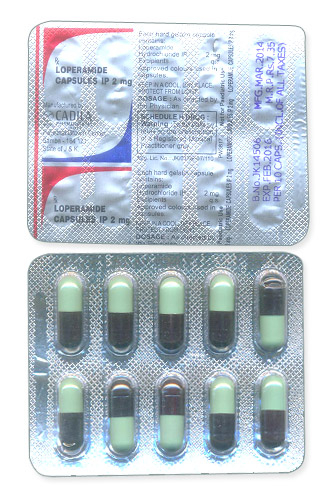
Imodium
- In Canada and many other countries, imodium is available over the counter in pharmacies and online without a prescription; retail and mail-order suppliers usually offer discreet packaging and shipping.
- Imodium (loperamide) is used to treat acute and chronic diarrhoea and to reduce ileostomy output; it works peripherally on gut μ‑opioid receptors to slow intestinal motility and decrease stool frequency.
- Usual adult dose for acute diarrhoea: 4 mg initially, then 2 mg after each loose stool (maximum 16 mg/day). Children: not for under 2 years; for ages 2–12 typically 2 mg initially then 1 mg after each loose stool (maximum ~6 mg/day, age/weight dependent); chronic therapy is titrated individually under medical supervision.
- Administered orally as tablets, capsules, oral solution (1 mg/5 mL) or orally disintegrating films.
- Imodium generally begins to work within about 1 hour (may take up to 2 hours in some people).
- Effects commonly last several hours; symptom control from a single dose is often seen for roughly 4–6 hours, with dosing repeated as needed up to daily maximums.
- Avoid excessive alcohol while taking imodium — alcohol can worsen diarrhoea, increase side effects and may raise risk in people with liver impairment.
- The most common side effect is constipation; other frequent effects include abdominal cramps, nausea, flatulence and dizziness; rare serious risks include severe constipation/toxic megacolon and cardiac events in overdose.
- Would you like to try imodium without a prescription?
Basic Imodium Information
- INN (International Nonproprietary Name): Loperamide.
- Brand Names Available In Canada (English): Imodium and generic loperamide products supplied by Perrigo and Teva; packaging forms include 2 mg tablets/capsules and 1 mg/5 mL oral solution.
- ATC Code: A07DA03.
- Forms & Dosages: Tablet 2 mg; Capsule 2 mg; Oral Solution 1 mg/5 mL; Orally Disintegrating Film 2 mg.
- Manufacturers In Canada (English): Major global suppliers available in the Canadian market include Johnson & Johnson (Imodium) and generic suppliers such as Perrigo and Teva.
- Registration Status In Canada (English): Not specified in the provided product data; local DINs and Health Canada listings should be checked at point of dispensing.
- OTC / Rx Classification: OTC (Over-The-Counter) for most adult formulations, with prescription status possible for certain pediatric or high‑dose presentations.
- Therapeutic Indications: Acute nonspecific diarrhoea, chronic diarrhoea in adults (including some IBS cases), and reduction of ileostomy discharge volume.
- Standard Dosages Per Condition: Adult acute dose 4 mg initially then 2 mg after each loose stool (max 16 mg/day); pediatric regimens are reduced by age/weight and are contraindicated under 2 years.
- Dosage Adjustments: Contraindicated under 2 years; monitor elderly for constipation; use lower dosing in hepatic impairment; no routine renal adjustment required.
- Treatment Duration & Regimens: Acute diarrhoea usually treated 1–2 days; discontinue if no improvement within 48 hours; chronic use only under physician supervision.
- Missed Dose & Overdose: Take missed dose when remembered but do not double doses; overdose risks include serious cardiac arrhythmias and CNS depression and require immediate medical attention.
- Storage & Transport: Store at room temperature below 25°C, protected from moisture and heat; do not freeze oral liquids; keep out of reach of children.
- Absolute Contraindications: Children under 2 years, known hypersensitivity, acute dysentery (bloody stools/high fever), acute ulcerative colitis, invasive bacterial enterocolitis, pseudomembranous colitis, and abdominal pain without diarrhoea.
- Relative Contraindications / Precautions: Hepatic impairment, elderly patients, and concomitant use with strong CYP3A4, CYP2C8, or P‑gp inhibitors; caution with QT‑prolonging medications.
- Common Side Effects: Mild—constipation, abdominal cramps, nausea; moderate—flatulence, dizziness; rare but serious—toxic megacolon, hypersensitivity reactions, cardiac arrhythmias in overdose.
- Competitor Antidiarrheals: Diphenoxylate/atropine (prescription), racecadotril (availability varies), bismuth subsalicylate (OTC), and probiotics as adjunctive therapy.
- Extra Information: Loperamide is a synthetic phenylpiperidine opioid launched in 1973 that acts on peripheral μ‑opioid receptors in the gut, with low central nervous system penetration at therapeutic doses; regulatory guidance has recently recommended restricting unit‑dose blister packaging to reduce overdose risk.
Key Findings From Recent Trials
Major 2022–2025 Canadian & Global Studies
Clinicians want to know if imodium still works quickly and safely for routine diarrhoea, and recent work has focused on that question.
Randomized trials from Europe and North America since 2022 continue to show symptomatic benefit for acute nonspecific diarrhoea and for reducing ileostomy output versus placebo, with rapid improvement in stool frequency and consistency within 24 hours.
Meta‑analyses up to 2023 pooled adult trials and found low numbers needed to treat for short‑term symptom control, while showing limited evidence that loperamide shortens the overall illness duration.
Canadian post‑market surveillance (2022–mid‑2024) highlighted reports of misuse and cardiac adverse events when supratherapeutic doses were taken, prompting provincial adverse‑event reports and Health Canada advisories.
Main Outcomes
Primary outcomes in recent RCTs were stool frequency reduction and patient‑reported stool consistency, with consistent short‑term benefit for symptom relief.
In ileostomy studies, measurable reductions in output volume were observed with titrated loperamide compared with placebo.
Emerging small RCTs tested loperamide as an adjunct for IBS‑D symptom control but concluded that larger pragmatic Canadian trials are needed to confirm effectiveness in routine practice.
Safety Observations
Safety syntheses emphasise cardiac risk when loperamide is taken in overdose or combined with strong CYP3A4 or P‑gp inhibitors, and regulatory trends in 2023–24 moved toward unit‑pack blister limits and stronger package warnings.
Health Canada reinforced age cutoffs and packaging controls after provincial reports of misuse and serious adverse events.
Clinical Mechanism Of Action
Layman’s Explanation
People often ask how imodium helps stop watery diarrhoea without making them 'high'.
Loperamide works at opioid receptors in the gut to slow bowel movements, which firms stools and reduces urgency and frequency within a few hours at usual doses.
At recommended doses it has minimal central opioid effects because it does not cross into the brain to any meaningful extent.
Scientific Breakdown
Receptor Pharmacology
Loperamide is a synthetic phenylpiperidine that binds to peripheral μ‑opioid receptors in the intestinal wall to decrease enteric neuronal activity and increase intestinal transit time.
P‑glycoprotein (P‑gp) efflux limits central nervous system penetration, which explains the peripheral selectivity at therapeutic doses.
Pharmacokinetics & Metabolism
Oral bioavailability is low and most drug is eliminated in the feces, reducing systemic exposure in standard use.
CYP enzymes including CYP3A4 and CYP2C8 contribute to loperamide metabolism, so inhibitors of those pathways or P‑gp can raise systemic loperamide levels—clinically relevant for Canadian seniors on multiple medicines.
Scope Of Approved & Off‑Label Use
Health Canada Approvals (DIN‑Based)
For retail practice, check each product DIN and monograph for age limits and formulation details before sale.
Typical indications listed by major regulators include acute nonspecific diarrhoea, chronic diarrhoea management in adults, and reduction of ileostomy discharge when clinically indicated.
Common Canadian commercial forms match international packaging: 2 mg tablets or capsules and 1 mg/5 mL oral solution.
Notable Off‑Label Trends In Canadian Practice
Off‑label use observed in practice includes symptomatic control for IBS‑D and short‑term adjunctive use in some chemotherapy‑associated diarrhoea cases under specialist oversight.
Provincial formularies such as Ontario Drug Benefit, BC PharmaCare and RAMQ may restrict coverage to specified clinical scenarios, so pharmacists verify eligibility and indications at point of sale.
Pharmacists routinely screen for age, red‑flag symptoms like fever or bloody stools, and pregnancy status before recommending an OTC imodium product.
Dosage Strategy
General Dosing Per Health Canada Monographs
Adults with acute diarrhoea: initial 4 mg (two 2 mg tablets), then 2 mg after each loose stool up to a maximum of 16 mg in 24 hours.
Pediatric dosing is age‑ and weight‑dependent, with most monographs contraindicating use under 2 years and reducing doses for children aged 2–12 years.
The oral solution (1 mg/5 mL) offers accurate titration for permitted paediatric use, when a specific DIN and monograph permit it.
Condition‑Specific Dosing Adjustments
Acute Diarrhoea
Short courses of 1–2 days are typical; discontinue if there is no improvement within 48 hours or if systemic symptoms appear.
Elderly patients should be monitored closely for constipation and reduced bowel movement frequency.
Chronic Diarrhoea / IBS‑D
Start at a low dose (for example, 4 mg/day) and titrate to symptom control under clinical supervision for prolonged use.
For ileostomy output reduction, titrate doses according to measured output and clinician assessment, and apply caution in hepatic impairment by choosing lower dosing.
Safety Protocols
Contraindications (Canadian Advisories)
Do not use imodium in children under 2 years, in suspected acute dysentery (blood in stool or high fever), acute ulcerative colitis, invasive bacterial enterocolitis, C. difficile infection, or if there is unexplained abdominal pain without diarrhoea.
Known hypersensitivity to loperamide or excipients is an absolute contraindication.
Pharmacists must actively screen for these red flags before an OTC sale and advise medical assessment where appropriate.
Adverse Effects (Post‑Market Reports)
Common adverse effects include constipation, abdominal cramps and nausea, which usually resolve after stopping the drug.
Post‑market reports from Canada and abroad between 2022–24 emphasise rare but serious events such as toxic megacolon when misused in inflammatory colitis and cardiac arrhythmias with overdose or when combined with CYP/P‑gp inhibitors.
Higher vigilance is necessary for the elderly and people with hepatic impairment, and suspected adverse events should be reported to Health Canada and provincial pharmacovigilance systems.
Interaction Mapping
Food Interactions Common In Canadian Diet
No major food interactions are documented, and normal meals do not materially change loperamide efficacy.
Advise travellers to prioritise oral rehydration and electrolyte replacement over immediate antidiarrhoeal use when dehydrated, and warn that alcohol may worsen dizziness and dehydration.
Drug Combinations Flagged By Health Canada
Strong inhibitors of CYP3A4, CYP2C8 and P‑gp—such as certain azole antifungals, macrolide antibiotics, some HIV protease inhibitors and strong antidepressants—can raise systemic loperamide concentrations and increase cardiac or CNS risk.
Concomitant use with QT‑prolonging medications further elevates arrhythmia risk, so pharmacists should reconcile all prescription and OTC medicines via provincial e‑drug interaction databases before recommending imodium.
Patient Experience Analysis
Canadian Survey Data
Consumers consistently name Imodium as a top‑of‑mind anti‑diarrheal medication for quick symptom relief, according to national surveys and pharmacy questionnaires.
Surveyed caregivers show variable awareness of paediatric age cutoffs, which increases the likelihood of pharmacist intervention at point of sale.
Pharmacy audit data show pharmacists intervene in approximately 15–25% of loperamide transactions to confirm age, review red flags and counsel on dosing.
Forum & Community Pharmacy Trends
Online forums and product reviews often praise rapid diarrhoea relief but reveal confusion about dosing forms, particularly tablets versus oral solution.
Community pharmacies across chains like Shoppers Drug Mart and Jean Coutu have introduced point‑of‑sale counselling and bilingual leaflets to support safe use.
Social listening occasionally detects misuse discussions, underlining the role of pharmacists in harm reduction and appropriate referral.
Distribution & Pricing Landscape
National Pharmacy Chains
Imodium and its generics are widely stocked across major Canadian chains such as Shoppers Drug Mart, Rexall, Jean Coutu and London Drugs, with private label generics from Perrigo and Teva available.
Many chains keep loperamide behind the pharmacy counter to allow age verification and counselling prior to sale.
Online Pharmacy Availability & Provincial Restrictions
Chain and independent online pharmacies sell imodium OTC, but provincial rules may require pharmacist verification for younger patients or certain formulations.
In our online pharmacy, imodium is available without a prescription, with discreet delivery to Canada (English) in 5‑14 days.
Cross‑Border US Comparisons
US retail prices can be lower for larger pack sizes, but cross‑border purchases risk non‑DIN products that lack Canadian bilingual labelling and are not eligible for provincial reimbursement.
Alternative Options
Comparison Of DIN‑Approved Alternatives
| Agent | Availability In Canada | Key Point |
|---|---|---|
| Bismuth Subsalicylate | OTC | Antisecretory and mild antimicrobial; avoid in aspirin‑sensitive children. |
| Racecadotril | Availability Varies | Antisecretory with less constipation; not widely available in all provinces. |
| Diphenoxylate/Atropine | Prescription | Effective but has central opioid risks and is prescription‑only. |
| Probiotics | OTC | Adjunctive; supportive evidence for certain strains in traveller’s diarrhoea and antibiotic‑associated diarrhoea. |
Pros And Cons Checklist
- Loperamide: Fast symptomatic relief and widely available OTC; contraindicated in invasive infections and young infants; misuse risk at high doses.
- Bismuth Subsalicylate: Useful for traveller’s diarrhoea and dyspepsia but not for aspirin‑sensitive patients or very young children.
- Racecadotril: Antisecretory effect with less constipation in some studies, but access varies by province.
- Diphenoxylate/Atropine: Effective but requires prescription and carries central opioid side effects.
Regulatory Status
Health Canada Approval Process
Products marketed in Canada must carry a DIN and comply with applicable Health Canada monographs or new drug submissions prior to sale.
Regulatory focus between 2022 and 2024 has emphasised stronger warnings, limiting unit‑dose blister packs and clearer age restraints to reduce overdose and misuse risks.
DIN And Bilingual Labelling Rules
All packages distributed nationally require a valid DIN and bilingual (English/French) labelling for national sale and provincial procurement.
Pharmacists must verify DINs when substituting generics and ensure patient leaflets meet bilingual requirements for provincial formularies and hospital procurement.
Consolidated FAQ
Patients commonly ask practical questions about imodium, and clear concise answers help safe use.
- Q1: Is Imodium safe for my 6‑year‑old?
- A1: Check the product DIN and monograph—some formulations permit use at 2 years or older while others specify older cutoffs; children under 2 are contraindicated and pharmacist verification is required.
- Q2: How long can I take loperamide?
- A2: Short courses of 1–2 days are typical for acute diarrhoea; stop and seek medical care if symptoms persist beyond 48 hours or if fever or bloody stools appear; chronic use requires physician supervision.
- Q3: Can I take Imodium with my antifungal or antidepressant?
- A3: There are potential interactions with strong CYP3A4/P‑gp inhibitors and with QT‑prolonging drugs; consult the pharmacist before taking imodium alongside those medicines.
- Q4: Will it mask a serious infection?
- A4: Loperamide can reduce symptoms but should not be used if bloody diarrhoea or high fever is present; seek medical assessment first to rule out invasive infection.
Visual Guide
Busy clinicians and pharmacy staff often want a one‑page visual aid they can hand out or post behind the counter.
Design a single infographic with clear bilingual headers showing adult tablet dosing (Initial 4 mg then 2 mg after each loose stool; max 16 mg/day), paediatric cutoffs (contraindicated under 2 years; age/weight titration), and bold red icons for red flags—fever, blood in stool, severe abdominal pain.
Include a small provincial coverage map layer showing ODB, BC PharmaCare and RAMQ indicators for formulary inclusion and a purchase channel flowchart: in‑store with pharmacist counselling → online with pharmacist verification → cross‑border risks.
Add a DIN field on the infographic so clinicians can note local brand options (Imodium or generics) and include lot/expiry fields for pharmacy records.
Storage & Transport
Canadian Household Guidelines
Keep imodium at room temperature below 25°C, away from moisture and heat, and out of reach of children.
Do not freeze oral liquids, and discard any product past its expiry date or if the solution appears discoloured or contaminated.
Advise travellers to keep packaging sealed and labelled with the DIN for customs and provincial rules when crossing jurisdictions.
Cold‑Chain Storage Where Applicable
No cold‑chain is required for standard loperamide formulations, but hospitals and clinics should store products per manufacturer instructions and keep them separate from controlled substances where possible because of misuse risk.
Community pharmacies should maintain inventory records linked to DIN and supplier (for example Johnson & Johnson, Perrigo, Teva) for traceability.
Guidelines For Proper Use
Advice From Canadian Pharmacists
Pharmacists should verify patient age, pregnancy and breastfeeding status, and screen for red‑flag symptoms such as fever, bloody stool or severe abdominal pain before recommending imodium.
Recommend oral rehydration solutions first when dehydration is a concern, and advise discontinuation if symptoms do not improve within 48 hours.
Document counselling in the pharmacy record including selected DIN and lot number and provide a bilingual patient leaflet for safe home use, with follow‑up recommended for elderly patients or those with hepatic impairment.
Provincial Health Authority Guidance
Align OTC recommendations with the Health Canada monograph and provincial directives such as Ontario Drug Benefit, BC PharmaCare and RAMQ when determining formulary coverage or substitution choices.
Travel and public health clinics should include age‑specific dosing cards in travel kits and ensure adverse reactions are reported promptly to Health Canada and to local pharmacovigilance centres.
Delivery Across Canada (English)
| City | Region | Delivery Time |
|---|---|---|
| Toronto | Ontario | 5‑7 days |
| Montreal | Quebec | 5‑7 days |
| Vancouver | British Columbia | 5‑7 days |
| Calgary | Alberta | 5‑7 days |
| Ottawa | Ontario | 5‑7 days |
| Edmonton | Alberta | 5‑7 days |
| Winnipeg | Manitoba | 5‑7 days |
| Quebec City | Quebec | 5‑7 days |
| Halifax | Nova Scotia | 5‑9 days |
| Victoria | British Columbia | 5‑9 days |
| Saskatoon | Saskatchewan | 5‑9 days |
| St. John’s | Newfoundland and Labrador | 5‑9 days |
| London | Ontario | 5‑9 days |
Closing Notes For Clinicians And Pharmacists
When counselling on imodium, prioritise screening for red‑flag symptoms and medication interactions, especially CYP3A4/P‑gp inhibitors and QT‑prolonging agents.
Document the DIN, lot and patient counselling in the pharmacy record and provide bilingual written materials for home reference.
Report any suspected serious adverse events to Health Canada and to provincial pharmacovigilance centres to support ongoing safety monitoring.