Muscle relaxants are medications designed to reduce muscle tension and alleviate pain caused by muscle spasms or stiffness. These medications work by affecting the communication between nerves and muscles, helping to reduce involuntary muscle contractions that cause discomfort and limit mobility.
There are two main types of muscle relaxants available in Canada. The first type works on the central nervous system to reduce muscle tone and spasticity. The second type acts directly on the muscle itself, preventing contractions at the muscle fibre level. Both types are effective for different conditions and patient needs.
Muscle relaxants are commonly prescribed for acute muscle injuries, chronic pain conditions, and neurological disorders. They are typically used as part of a comprehensive treatment plan that may include physical therapy, exercise, and other pain management strategies. These medications can provide significant relief, allowing patients to participate more effectively in rehabilitation and recovery programmes.
Muscle relaxants are frequently prescribed following sudden muscle injuries or strains. These conditions often occur during sports, accidents, or everyday activities. The medication helps reduce the severe muscle tension that accompanies acute injuries, making it easier for patients to move and begin rehabilitation. Most acute muscle strain cases respond well to short-term muscle relaxant therapy combined with rest and physical therapy.
Patients with chronic pain often experience persistent muscle tension and spasms. Conditions such as fibromyalgia, myofascial pain syndrome, and chronic back pain can benefit from muscle relaxant therapy. These medications help break the cycle of pain and muscle tension, allowing patients to improve their quality of life and maintain better mobility throughout their daily activities.
Certain neurological conditions cause severe muscle spasticity and rigidity. Multiple sclerosis, cerebral palsy, and spinal cord injuries often result in uncontrolled muscle contractions. Muscle relaxants are valuable therapeutic tools for managing these symptoms and improving comfort and function in patients with these challenging conditions.
Cyclobenzaprine is one of the most commonly prescribed muscle relaxants in Canada. It is typically available under brand names including Flexeril and various generic versions. This medication is primarily used for acute muscle strain and works by reducing muscle tone through central nervous system depression. Cyclobenzaprine is usually prescribed for short-term use, typically two to three weeks, as it can cause drowsiness and should not be used long-term without medical supervision.
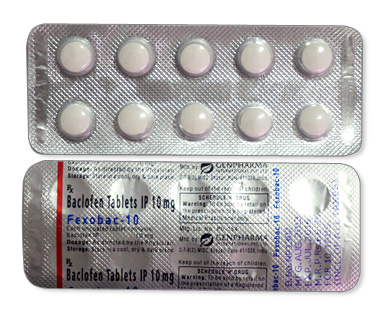
Baclofen is available throughout Canada and is particularly effective for treating spasticity associated with neurological conditions. This medication acts on the spinal cord to reduce muscle tone and is commonly prescribed for patients with multiple sclerosis, spinal cord injuries, and cerebral palsy. Baclofen can be administered orally or through an intrathecal pump for severe cases, providing flexibility in treatment options.
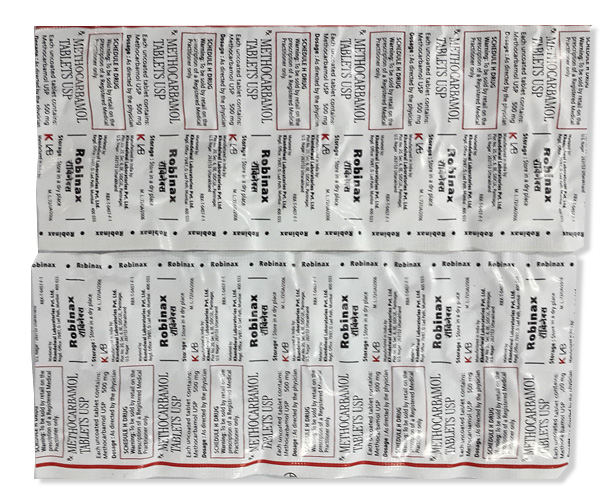
Methocarbamol is a centrally acting muscle relaxant widely available in Canada under brand names such as Robaxin. This medication is used for acute muscle pain and spasm relief and is often considered a gentler option compared to other muscle relaxants. Methocarbamol typically causes less drowsiness than some alternatives, making it suitable for patients who need to maintain alertness during daily activities.
Tizanidine is available in Canada and works by relaxing muscles and reducing muscle spasm through alpha-2 adrenergic agonist activity. This medication is often prescribed for patients with multiple sclerosis and spinal cord injuries. Tizanidine requires careful monitoring as it can affect blood pressure and liver function, making regular check-ups important for patients using this medication.
Diazepam is a benzodiazepine that has muscle relaxant properties and is available in Canada for specific muscle tension situations. While effective, diazepam carries a higher risk of dependency and is typically reserved for short-term use or severe cases. It is often prescribed when other muscle relaxants have proven ineffective or when additional sedation is therapeutically beneficial.
Muscle relaxants require individualised dosing based on the patient's condition, age, weight, and overall health status. Most muscle relaxants are taken orally, usually two to four times daily for acute conditions. Healthcare providers typically start patients on the lowest effective dose and adjust gradually based on therapeutic response and tolerance. Patients must follow prescribed dosing instructions carefully and not exceed recommended doses without medical consultation.
Muscle relaxants can cause drowsiness, dizziness, and impaired coordination, particularly during initial treatment. Patients should avoid driving or operating machinery until they understand how the medication affects them personally. Alcohol consumption should be avoided as it increases the risk of drowsiness and central nervous system depression. Older adults may be more sensitive to muscle relaxants and often require lower doses to minimise side effects.
Muscle relaxants can interact with numerous medications including pain relievers, antidepressants, and sedatives. Patients must inform their healthcare provider about all medications and supplements they are taking. Certain medical conditions such as glaucoma, liver disease, or heart problems may contraindicate muscle relaxant use. Pregnant and breastfeeding women should discuss muscle relaxant safety with their healthcare providers before starting treatment.
Most patients experience mild side effects that diminish as their body adjusts to muscle relaxant therapy. Drowsiness, dizziness, and headache are typical initial reactions. Some patients report dry mouth, nausea, or mild constipation. These effects are usually temporary and manageable, resolving within a few days to weeks as treatment continues.
Certain side effects warrant immediate medical attention. These include severe allergic reactions, difficulty breathing, chest pain, or severe liver problems indicated by jaundice or abdominal pain. Unusual mood changes, hallucinations, or severe drowsiness should be reported to healthcare providers promptly. Any unexplained bleeding, severe muscle weakness, or signs of infection require medical evaluation.
Muscle relaxants work best as part of a comprehensive pain management strategy. Physical therapy, stretching exercises, heat therapy, and massage often enhance medication effectiveness. Regular exercise and proper posture help prevent muscle tension and reduce the need for continued medication. Healthcare providers typically recommend combining pharmacological and non-pharmacological approaches for optimal results.
Patients should track their pain levels, muscle tension, and functional improvement whilst taking muscle relaxants. Keeping a simple log helps healthcare providers assess treatment effectiveness and make necessary adjustments. Regular follow-up appointments allow doctors to monitor side effects and ensure the medication remains appropriate for the patient's condition. Most muscle relaxant courses are short-term, with gradual tapering as symptoms improve.
While muscle relaxants are typically prescribed for short-term use, some patients with chronic conditions require longer treatment. Healthcare providers regularly reassess the need for continued medication and explore alternatives when appropriate. Developing strong habits around exercise, stress management, and ergonomics helps reduce reliance on medications for long-term symptom management.
To ensure safe and effective use of muscle relaxants, remember these key points: