Diuretics are medications that help your body remove excess fluid through increased urination. They work by affecting how your kidneys filter water and salt from your blood. When you take a diuretic, it signals your kidneys to release more sodium into your urine, and water naturally follows the sodium out of your body. This process reduces the total amount of fluid circulating in your bloodstream, which can lower blood pressure and reduce swelling caused by fluid buildup. Diuretics are among the most commonly prescribed medications in Canada and have been used safely for decades to treat various health conditions. They come in different types, each working slightly differently in your kidneys to achieve similar results of removing excess fluid from your body.
Diuretics are prescribed for several important health conditions. The most common use is treating high blood pressure, where they help reduce the amount of fluid in your blood vessels, making it easier for your heart to pump. They are also used for heart failure, helping the heart work more efficiently by reducing fluid buildup in the lungs and body tissues. Patients with kidney disease often take diuretics to manage fluid retention and protect their remaining kidney function. Edema, which is swelling in the legs, feet, and ankles caused by fluid accumulation, is another frequent reason for diuretic use. Liver disease patients may receive diuretics to manage ascites, a condition where fluid builds up in the abdominal cavity. Additionally, some people with diabetes use diuretics to help manage their condition alongside other medications. Your doctor will determine if a diuretic is appropriate for your specific health situation.
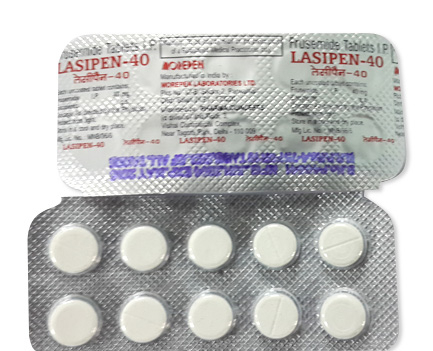
Loop diuretics are the strongest type of diuretic medication. Furosemide, commonly known as Lasix in Canada, is one of the most powerful options available. These medications work in a part of the kidney called the loop of Henle and remove large amounts of sodium and water from your body. They are typically prescribed for serious conditions like severe heart failure or kidney disease.
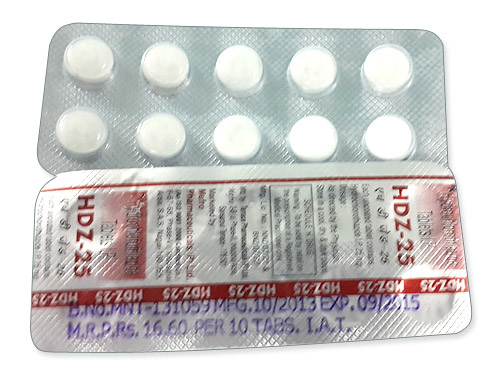
Thiazide diuretics are milder than loop diuretics and work well for managing high blood pressure. Hydrochlorothiazide, often called HCTZ, is widely available in Canada and is frequently used as a first-line treatment for hypertension. Chlorthalidone is another thiazide option that some doctors prefer because it works longer in your system. These medications are gentler and suitable for long-term use.
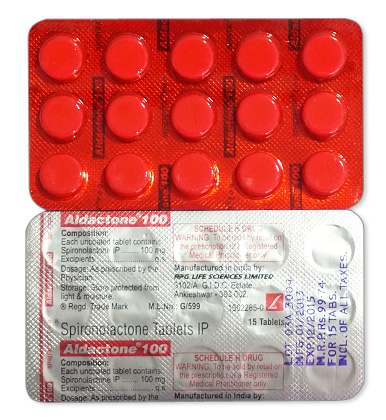
Potassium-sparing diuretics like spironolactone and amiloride work differently by preventing your kidneys from removing potassium along with other electrolytes. These are valuable because they help maintain healthy potassium levels while still removing excess fluid. They are often combined with other diuretics to balance electrolyte levels.
Osmotic diuretics such as mannitol are used in specific situations, primarily in hospital settings for managing brain swelling or increased pressure inside the eye. These are less commonly prescribed for home use in Canada.
Several diuretic medications are readily available through Canadian pharmacies. Furosemide is one of the most dispensed diuretics across Canada for treating heart failure and severe fluid retention. Hydrochlorothiazide remains popular as an affordable, effective option for high blood pressure management and is often the first medication doctors try. Spironolactone is frequently prescribed because it helps the body retain potassium, making it safer for long-term use without causing electrolyte imbalances.
Amiloride is another potassium-sparing option available in Canada that works well for patients who need to maintain their potassium levels. Bumetanide, a stronger loop diuretic similar to furosemide, is available for patients who need a more powerful medication. Torsemide is another loop diuretic option that some Canadian patients use as an alternative to furosemide.
Many of these medications are available as generic versions, making them more affordable for Canadian patients. Your pharmacist can tell you which specific medications are currently in stock and can discuss generic alternatives that may help reduce your medication costs. Most diuretics are covered or partially covered by provincial health plans in Canada, though coverage varies by province and specific medication.
While diuretics are generally safe when taken as prescribed, they can cause side effects. The most common side effect is increased urination, which is actually the intended effect but can be inconvenient. Some people experience dizziness or lightheadedness, especially when standing up quickly, because of the reduction in blood volume. Dehydration can occur if you lose too much fluid, so it is important to drink enough water and monitor your fluid intake as your doctor recommends.
Electrolyte imbalances are a concern with some diuretics, particularly loop and thiazide diuretics, which can cause low potassium levels. Signs of low potassium include muscle weakness and irregular heartbeat. Conversely, potassium-sparing diuretics can cause potassium levels to become too high, which is also dangerous. Your doctor will likely order blood tests to monitor your electrolyte levels regularly.
Some people experience muscle cramps, fatigue, or headaches while taking diuretics. Gout can worsen in patients prone to it because diuretics can increase uric acid levels. Men may occasionally experience erectile dysfunction. If you experience severe side effects, contact your doctor immediately. Do not stop taking your diuretic without consulting your healthcare provider first.
Taking your diuretic exactly as prescribed is essential for the medication to work effectively and safely. Most diuretics work best when taken in the morning so that increased urination does not interfere with your sleep at night. Stay well-hydrated by drinking appropriate amounts of water throughout the day, unless your doctor has restricted your fluid intake. Monitor your weight regularly, as diuretics often result in weight loss from fluid removal, typically noticeable within a few days of starting the medication. Report any sudden weight changes to your doctor.
Eat a balanced diet and discuss dietary salt intake with your doctor or a dietitian, as sodium directly affects how diuretics work. If your diuretic is a potassium-sparing type, limit foods high in potassium, while if you are taking other diuretics, you may need to increase potassium-rich foods. Attend all scheduled doctor appointments and blood tests to ensure your kidney function and electrolyte levels remain healthy.
To help you manage your diuretic therapy safely, follow these key steps:
Each person responds differently to diuretics, so working closely with your healthcare team ensures that your treatment remains safe and effective. Your pharmacist is an excellent resource for answering questions about your diuretic medication and can provide personalized advice based on your specific health situation and other medications you may be taking.