Cholesterol is a waxy substance found in your blood that your body needs to build healthy cells and produce hormones. However, high levels of cholesterol can increase your risk of heart disease and stroke. There are two main types: LDL cholesterol, often called "bad" cholesterol, which can build up in your arteries, and HDL cholesterol, known as "good" cholesterol, which helps remove LDL from your bloodstream. Understanding your cholesterol levels is the first step toward better heart health.
Many Canadians have high cholesterol without knowing it, which is why regular testing is important. Your doctor can order a simple blood test to check your cholesterol profile and determine if medication or lifestyle changes are needed. Maintaining healthy cholesterol levels through diet, exercise, and when necessary, medication can significantly reduce your risk of cardiovascular disease.
Several types of medications are available to help manage high cholesterol in Canada. Your healthcare provider will recommend the most appropriate medication based on your cholesterol levels, overall health, and any other conditions you may have. It's important to take your prescribed medication consistently as directed.
The main medication types include:
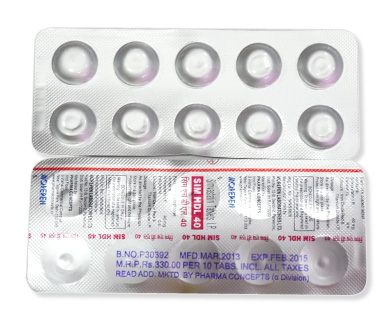
Statins are the first-line treatment for high cholesterol and are taken by millions of Canadians daily. They work by inhibiting an enzyme in the liver that is crucial for cholesterol production, effectively lowering LDL cholesterol levels by up to 50 percent or more. Statins have been proven in numerous studies to reduce the risk of heart attacks and strokes significantly.
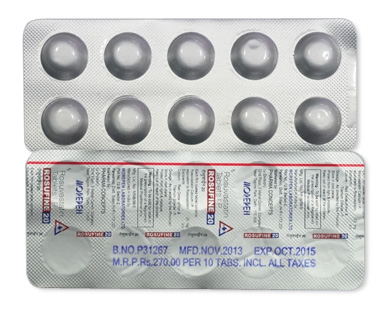
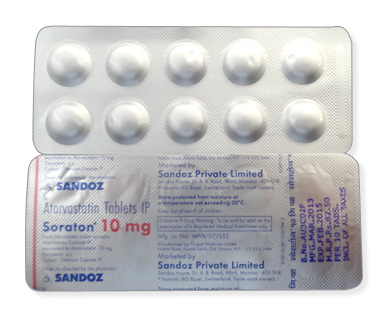
Common statins available in Canada include Atorvastatin, which is often prescribed as a starting dose of 10 to 20 milligrams daily; Simvastatin, typically starting at 20 milligrams; and Rosuvastatin, a potent statin often started at lower doses of 5 to 10 milligrams. Pravastatin is another option available to Canadian patients. Most statins are taken once daily, usually in the evening, and are available in various strengths to allow for dose adjustment based on your response.
While generally well-tolerated, some people experience side effects such as muscle pain or digestive issues. If you experience any concerning symptoms, speak with your doctor about alternative options.
While medication is important for managing cholesterol, lifestyle changes are equally crucial for long-term heart health. A heart-healthy diet low in saturated fats and high in fiber can help lower cholesterol naturally. Focus on eating more fruits, vegetables, whole grains, and lean proteins while limiting processed foods, fatty meats, and dairy products high in fat.
Regular physical activity, such as walking, swimming, or cycling for at least 150 minutes per week, can raise HDL cholesterol and lower LDL levels. Maintaining a healthy weight reduces strain on your heart and improves overall cholesterol profile. Quitting smoking is one of the most impactful changes you can make, as smoking damages blood vessels and worsens cholesterol-related risks. Limiting alcohol consumption also helps maintain healthy cholesterol levels.
Managing stress through relaxation techniques, meditation, or yoga can contribute to better cardiovascular health. Sleep is another important factor; aim for 7 to 9 hours of quality sleep each night. These lifestyle modifications often work synergistically with medication to provide optimal results.
Regular monitoring of your cholesterol levels is essential to ensure your treatment plan is working effectively. Your doctor will recommend how often you should have your cholesterol checked, typically every 4 to 6 weeks after starting new medication or changing doses, and then annually once stable. A complete lipid panel includes measurements of total cholesterol, LDL cholesterol, HDL cholesterol, and triglycerides.
Understanding your numbers helps you and your healthcare provider make informed decisions about adjusting your treatment plan. Target cholesterol levels vary depending on your individual risk factors and medical history, so discuss your personal goals with your doctor. Keep a record of your test results to track progress over time. If your cholesterol isn't reaching target levels with your current medication, your doctor may increase the dose or add a second medication.
It's important to communicate openly with your healthcare provider about any concerns, side effects, or difficulties with adherence to your medication regimen. Regular follow-up appointments ensure your treatment remains optimized for your health needs.
You should contact your healthcare provider if you experience muscle pain, weakness, or tenderness while taking cholesterol medication, as these could indicate a rare side effect. If you have questions about your prescription, experience digestive issues, or are concerned about drug interactions with other medications you're taking, speak with your pharmacist or doctor promptly.
Certain populations, including pregnant women, people with liver disease, and those taking specific other medications, require special consideration when using cholesterol treatments. Your family history of heart disease plays an important role in determining your cholesterol management strategy, so share this information with your doctor.
In Canada, resources such as the Canadian Heart and Stroke Foundation provide valuable information about cholesterol management and heart health. Your local pharmacy can offer guidance on medication administration and lifestyle modifications. Don't hesitate to ask questions during your medical appointments to ensure you fully understand your condition and treatment plan. Taking an active role in your cholesterol management empowers you to make better health decisions and reduce your cardiovascular risk for years to come.