Parasitic infections occur when parasites enter the human body and live on or within tissues and organs. These unwanted organisms can cause various health complications ranging from mild discomfort to serious illness. Parasitic infections are more common than many people realize and can affect anyone regardless of age or lifestyle. Some parasites are visible to the naked eye, while others are microscopic and require laboratory testing to identify.
Common symptoms of parasitic infections include digestive issues, fatigue, skin irritation, and unexplained weight loss. Proper diagnosis from a healthcare provider is essential before starting any antiparasitic treatment. Understanding the type of parasite involved helps determine the most effective medication and treatment duration. Prevention through proper hygiene, safe food handling, and clean water consumption significantly reduces infection risk.
Different parasites affect the human body in distinct ways, and understanding these differences is crucial for proper treatment. Each parasite type requires specific antiparasitic medications for effective elimination and complete recovery.
Canada has several effective antiparasitic medications available through prescription and over-the-counter options. Most of these medications require a prescription from a licensed healthcare provider in Canada. Dosing varies based on the specific parasite, patient age, weight, and overall health status.
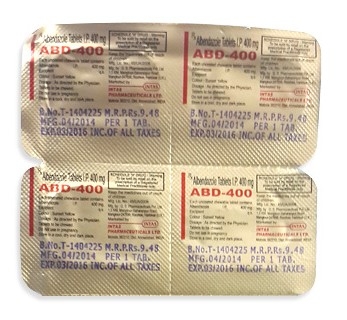
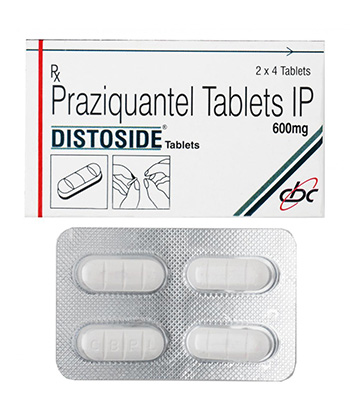
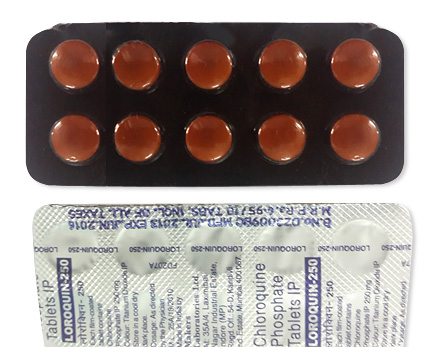
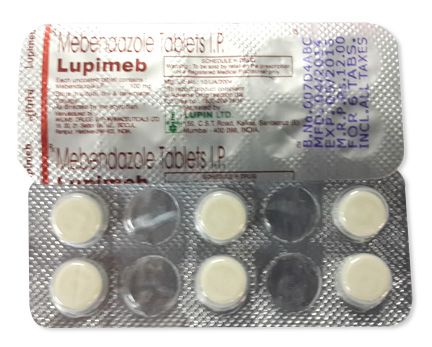
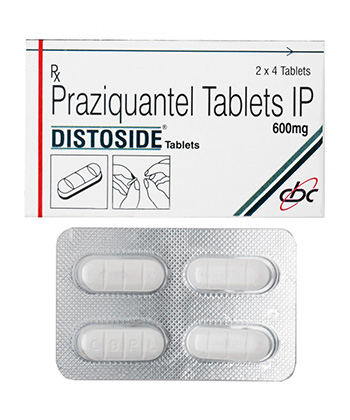
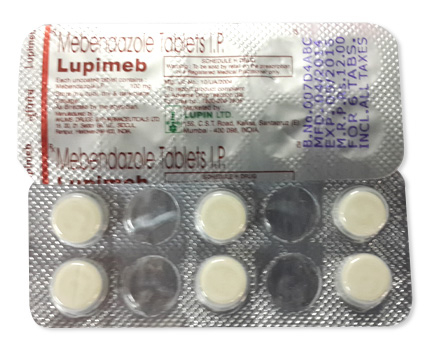
Metronidazole is widely prescribed for giardia and other protozoan infections, working by disrupting parasite DNA. Albendazole treats roundworms, hookworms, and tapeworms by inhibiting parasite metabolism. Mebendazole is commonly used for pinworms and other intestinal worms and is available in tablet form. Praziquantel is the medication of choice for tapeworm infections and certain fluke parasites.
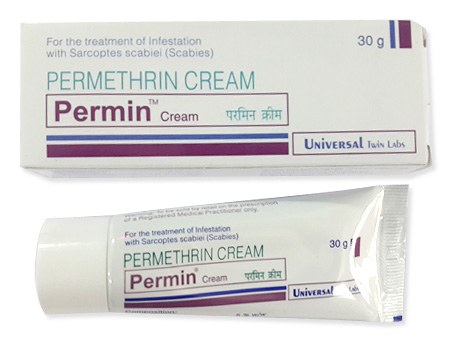
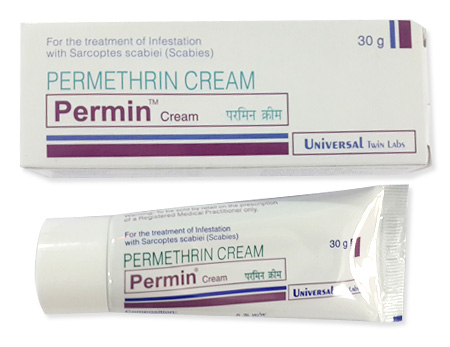
Ivermectin is used for lice and scabies infestations and is increasingly available in Canada for various parasitic conditions. Permethrin cream is an over-the-counter topical treatment for scabies and lice that kills parasites on contact. Pyrantel pamoate is available for roundworm and hookworm infections and is often used in pediatric cases. Terbinafine may be prescribed for certain fungal parasites and related infections.
Proper usage of antiparasitic medications ensures maximum effectiveness and minimizes side effects. Always follow your healthcare provider's dosing instructions exactly as prescribed. Most antiparasitic medications should be taken with food to improve absorption and reduce stomach upset.
Treatment duration varies from single-dose medications to multi-week courses depending on the parasite type. Complete the full course of treatment even if symptoms disappear, as incomplete treatment allows parasites to resurge. Certain medications require follow-up doses after one to two weeks to eliminate newly hatched parasites.
Notify your pharmacist about all medications and supplements you take as some have interactions with antiparasitics. Pregnant and nursing women should consult their healthcare provider before starting antiparasitic treatment. Children require specially calculated dosages based on their weight and age. Keep antiparasitic medications at room temperature away from moisture and direct sunlight. Never share your medication with others as each person requires individualized treatment based on their specific diagnosis.
Preventing parasitic infections through daily practices is more effective than treating them after infection occurs. Practice proper hand hygiene especially after using the bathroom, handling animals, or working in soil. Wash fruits and vegetables thoroughly under running water before consumption. Cook meat to appropriate internal temperatures to kill any parasitic organisms present.
Drink clean, filtered water or boiled water when travelling to areas with uncertain water safety. Avoid swimming in untreated water sources that may contain parasitic organisms. Maintain proper toilet hygiene and ensure functioning plumbing systems in your home. Regularly wash bedding, clothing, and personal items in hot water if parasitic infection is suspected or confirmed.
Keep pets regularly treated for parasites and practice good hygiene when handling them. Teach children to avoid playing in contaminated soil and to wash hands regularly. Use insect repellents when in areas known for parasite-carrying insects or vectors. Regular health check-ups help identify parasitic infections early before complications develop.
Knowing when to consult a healthcare provider is essential for proper parasite management and treatment. Persistent digestive symptoms lasting more than two weeks warrant medical evaluation. Unexplained weight loss accompanied by fatigue may indicate parasitic infection. Severe or bloody diarrhea requires immediate medical attention as it can lead to dehydration.
Visible parasites or worms in stool should be reported to your doctor immediately. Intense itching that prevents sleep or causes significant skin damage needs professional evaluation. Abdominal pain accompanied by bloating and constipation suggests possible parasitic involvement. Travel to high-risk areas followed by illness symptoms within weeks suggests parasitic infection.
Reactions to antiparasitic medications such as severe allergic responses require immediate medical care. If symptoms persist after completing prescribed antiparasitic treatment, consult your healthcare provider for re-evaluation. Children with developmental delays or poor school performance related to parasitic infections need prompt treatment. Your pharmacist can provide guidance on whether over-the-counter antiparasitics are appropriate for your situation or if prescription medications are necessary. Professional diagnosis ensures correct treatment and prevents unnecessary medication use.