
Rogaine
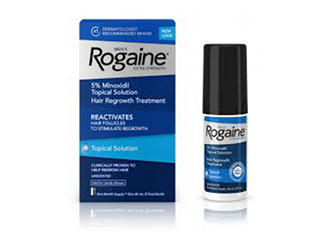
Rogaine
- In pharmacies in Canada, Rogaine can be purchased without a prescription for topical use. Oral minoxidil is prescription only.
- Rogaine is used for the treatment of androgenetic alopecia (pattern hair loss). Its active ingredient, minoxidil, helps stimulate hair follicles and prolong the growth phase of hair; it was originally developed as an antihypertensive medicine.
- The usual dose is 1 mL of 2% or 5% topical solution applied twice daily, or 5% foam applied as directed (about half a capful twice daily). Use only as directed on the product label.
- The form of administration is topical solution or topical foam applied to the scalp.
- Hair regrowth does not start immediately; visible results usually begin after about 4 to 6 months of regular use.
- The effect lasts only while you keep using it. To maintain hair regrowth, treatment is usually ongoing; stopping may lead to loss of gained hair within a few months.
- Alcohol is not specifically contraindicated, but excessive alcohol may worsen dehydration or dizziness and is best avoided if you notice side effects. Follow product directions and use caution.
- The most common side effects are scalp irritation, redness, dryness, flaking, itching, and temporary increased shedding at the start of treatment. Some people may also develop unwanted facial hair growth.
- Would you like to try Rogaine without a prescription?
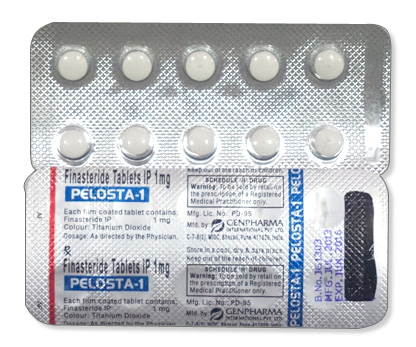
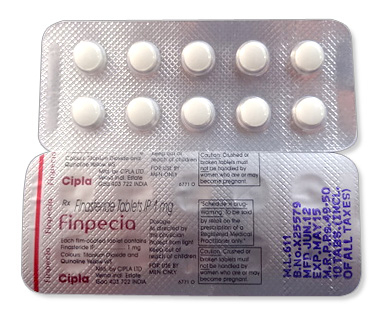
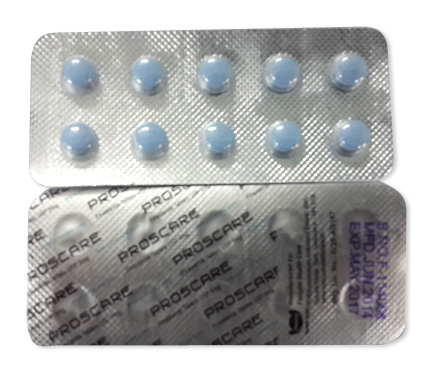
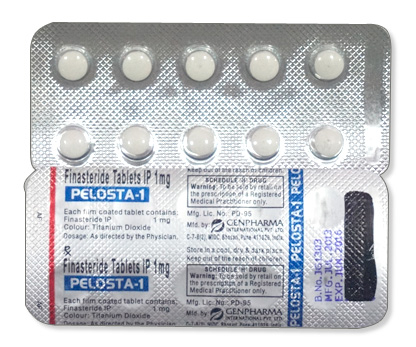
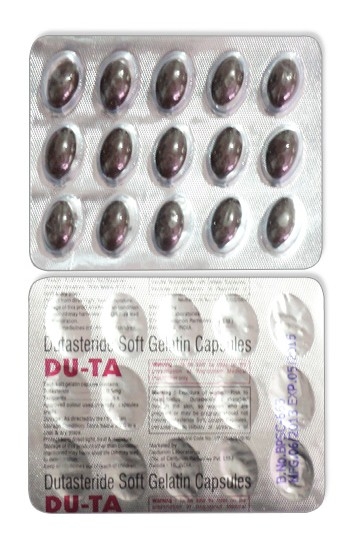
Basic Rogaine Information
- INN (International Nonproprietary Name): Minoxidil
- Brand names available in Canada (English): Rogaine
- ATC Code: D11AX01; C02DC01
- Forms & dosages: Topical Solution 2%, 5%; Topical Foam 5%; Oral Tablet 2.5 mg, 10 mg
- Manufacturers in Canada (English): Kenvue Brands, Perrigo, Aurobindo Pharma, Taro, Apotex, Teva, Sun Pharma, Watson Labs, Pfizer, Bausch & Lomb, Hikma
- Registration status in Canada (English): Topical minoxidil is OTC; oral minoxidil is prescription only
- OTC / Rx classification: Topical minoxidil is OTC; oral minoxidil is Rx only
What Recent Trials And Market Trends Say About Rogaine
Major Canadian And Global Studies
People usually ask a simple question first: does rogaine still matter when new hair-loss treatments keep showing up?
The short answer from 2022 to 2025 literature is yes, but the focus has shifted from “a new cure” to smarter use of minoxidil for hair loss.
Recent studies and real-world use patterns continue to support topical minoxidil as a steady mainstay for androgenetic alopecia, especially where access, cost, and convenience matter.
In Canada, topical products remain easy to find through licensed pharmacies and legitimate online channels, and buying decisions often come down to DIN status, bilingual labelling, and whether a patient wants branded Rogaine Canada or a generic minoxidil hair loss Canada option.
The strongest trend is optimisation rather than reinvention.
That means foam versus solution, once-daily versus twice-daily habits, and combination regimens that patients can actually keep up with.
Oral minoxidil is being discussed more often in dermatology, but for the public, topical minoxidil solution and minoxidil foam are still the practical face of treatment.
Most of the expected benefits remain familiar: visible improvement usually takes 4 to 6 months, early shedding can happen before regrowth, and gains are maintained only if treatment continues.
Main Outcomes
Patients often want to know whether newer hair regrowth products Canada options work better than the classic one they have seen for years.
For most people, the answer is that topical minoxidil still performs well enough to justify its place, especially when used consistently and matched to scalp tolerance.
Foam is often favoured when users dislike residue, while solution can be easier for precise application on thinning areas.
That practical difference is one reason adherence remains a bigger issue than efficacy alone.
Safety Observations
Across recent reports, the safety profile remains familiar rather than surprising.
Scalp irritation, dryness, flaking, and temporary shedding are still the common complaints.
Systemic reactions are uncommon with topical use, but accidental swallowing is an emergency.
That is why pharmacists keep stressing proper use and realistic expectations, especially for first-time buyers who hope for a quick fix.
How Minoxidil Helps Hair Follicles
Layman’s Explanation
Many people hear that minoxidil started as a blood pressure medicine and wonder how that became a hair-loss treatment.
The simple version is that it seems to wake up follicles that are shrinking in androgenetic alopecia.
It does not block the hormone DHT the way finasteride does, so its role is different and sometimes complementary under clinician advice.
Scientific Breakdown
Topical minoxidil is thought to prolong the anagen phase, improve follicular blood flow, and affect potassium channels and cell signalling around the hair bulb.
That is why Rogaine 5% and minoxidil 2% are used as follicle-stimulating options rather than hormone blockers.
For patients, the key point is simple: the medicine supports growth conditions in the scalp, but it does not “cure” the tendency to thin hair.
Oral minoxidil is a different prescription drug use and belongs to another clinical conversation entirely.
Approved Use And Off-Label Use In Canada
Health Canada Approvals
In Canada, topical minoxidil is sold over the counter and commonly appears as Rogaine or generic minoxidil products with a DIN on approved packs.
The approved hair-loss use is androgenetic alopecia.
Canadian pharmacists often help patients compare branded and generic options, especially when the package format, bilingual labelling, and bottle size matter more than the name on the front.
Oral minoxidil is Rx only and is used for severe hypertension, not routine hair loss.
Notable Off-Label Trends In Canadian Practice
In dermatology, oral minoxidil is increasingly discussed off-label for selected hair-loss cases, but that is a prescriber-led decision, not an OTC option.
Provincial drug plan realities still matter for patients: Ontario Drug Benefit, BC PharmaCare, and RAMQ coverage is generally limited and may depend on listing, indication, age, or special authorisation.
Most patients buying rogaine for cosmetic hair loss will be paying out of pocket.
That is why the online pharmacy conversation often centres on value, product format, and getting the right item without overpaying.
In our online pharmacy, rogaine is available without a prescription, with discreet delivery to Canada (English) in 5-14 days.
Dosing And Application Strategy
General Dosing Per Health Canada Monographs
For androgenetic alopecia, the usual topical solution dose is 1 mL twice daily for 2% or 5% minoxidil topical solution.
For the 5% foam, the practical dose is half a capful twice daily.
That routine sounds simple, but consistency is what separates steady users from disappointed ones.
Improvement is usually assessed after 4 to 6 months, and treatment needs to continue to keep the result.
Condition-Specific Dosing Adjustments
Topical minoxidil is not recommended under 18 years of age.
Older adults may not need a formal topical dose change, but thinner skin can mean closer attention to absorption and irritation.
Use extra caution in people with liver or kidney impairment when systemic exposure is a concern.
Foam Versus Solution
Foam and solution both deliver minoxidil, but they are not the same in day-to-day use.
Foam may suit people with sensitive scalps because it tends to feel less greasy.
Solution may be easier for users who want to measure application more precisely with a dropper.
Missed Dose Basics
If a dose is missed, apply it when remembered unless it is close to the next scheduled dose.
Do not double up.
That advice sounds obvious, yet missed-dose mistakes are common in busy routines, especially on weekdays when someone notices the bottle at bedtime and tries to “make up” for the morning.
Safety Checks Before Starting
Contraindications In Canadian Advisories
Allergy to minoxidil or to a formulation ingredient is an absolute reason to avoid the product.
Topical forms should not be used over sunburn, infection, open wounds, or active scalp dermatoses.
For oral minoxidil, severe heart failure, untreated pheochromocytoma, recent MI, and pericardial effusion are listed contraindications.
If a person has scalp psoriasis, cardiovascular disease, or is pregnant or breastfeeding, a pharmacist or prescriber should be involved before use.
Adverse Effects From Post-Market Reports
Common minoxidil side effects include redness, dryness, flaking, itching, and temporary shedding.
Less commonly, users report unwanted facial hair growth, dizziness, rapid heartbeat, or oedema.
The scalp shedding phase can alarm patients, but it is a known early pattern and does not automatically mean the treatment is failing.
Scalp Irritation And Shedding
Many users stop too early because the first few weeks look worse before they look better.
That early shedding phase is one of the biggest reasons a patient seeks reassurance from a community pharmacist.
Systemic Warning Signs
With topical use, systemic effects are rare, but a racing heart, dizziness, or swelling deserves prompt medical advice.
If topical product is accidentally swallowed, seek medical help right away.
Interactions Worth Knowing About
Food Interactions Common In Canadian Diets
Topical minoxidil has few food interactions because it is applied to the scalp rather than taken with meals.
That means there is no practical need to avoid Canadian diet staples such as dairy, coffee, or restaurant food for the topical product itself.
The more relevant issue is what goes on the scalp before and after application.
Drug Combinations Flagged By Health Canada
Harsh shampoos, alcohol-heavy hair products, and scalp irritants can worsen dryness or sting when layered with topical solution.
For oral minoxidil, interactions matter much more and should be reviewed by a prescriber, especially with blood-pressure medicines or anything that may increase hypotension or fluid retention.
For most OTC topical users, the interaction burden is low, which is one reason it stays popular.
What Patients Commonly Say
Canadian Survey Data
Canadian users often say the same thing in different ways: they wanted results fast and were surprised that minoxidil for hair loss needs months, not weeks.
Another common theme is choosing minoxidil foam because it feels cleaner, or choosing solution because they want something easy to measure.
Cost and routine also shape adherence, especially for people who compare options at Shoppers Drug Mart, Rexall, Jean Coutu, or London Drugs.
Forum And Community Pharmacy Trends
Online reviews for Rogaine reviews Canada often mention packaging, bilingual labels, and whether the product feels worth the price compared with U.S. shopping.
Community pharmacists remain one of the biggest sources of reassurance because patients are more likely to keep using a product when they understand the timeline and the early shedding phase.
A Friday-evening purchase often turns into a long-term habit only when the instructions are clear from the start.
Where Canadians Buy It And What It Costs
National Pharmacy Chains
Rogaine Canada and generic minoxidil are commonly available through major chains such as Shoppers Drug Mart, Rexall, Jean Coutu, and London Drugs.
Product formats often include 1-, 3-, and 6-month supply kits, along with dropper and foam applicators.
That makes it easier for patients to choose a bottle size that matches their routine rather than buying a format that sits half-used in the bathroom cabinet.
Online Pharmacy Availability And Provincial Restrictions
Licensed online pharmacy options are also common, but DIN status still matters for product verification and sale.
Bilingual labelling is standard on many Canadian packs, and that helps with both compliance and buyer confidence.
Provincial drug plans such as ODB, BC PharmaCare, and RAMQ do not routinely cover cosmetic hair-loss products, although private benefits may help some patients.
Cross-Border U.S. Comparisons
Canadians sometimes notice that shelf prices are higher at home than across the border.
Even so, domestic purchase usually offers easier pharmacist access, local returns, and less hassle than cross-border buying.
Branded Rogaine and generic minoxidil both exist in the market, and the patent has expired, so generics are widely available.
How It Compares With Other Hair-Loss Options
Comparison Of Common DIN-Approved Alternatives
Minoxidil sits in a different lane from finasteride, which is prescription-based and works differently.
For men, finasteride is often part of the discussion, while topical products can include minoxidil foam, minoxidil topical solution, and branded Rogaine 5%.
Other topical stimulatory products and cosmetic serums exist, but “natural” options generally have weaker evidence.
Pros And Cons Checklist
Pros: OTC access, broad familiarity, multiple strength and format choices, and a long track record.
Cons: daily discipline is needed, irritation can happen, and stopping usually means losing gains.
Brand alternatives such as Kirkland Minoxidil may appeal on price, but the active ingredient remains the key point.
If a patient has scalp disease, poor tolerance, or wants a prescription-strength plan, a pharmacist or dermatologist referral makes sense.
Regulatory Status In Canada
Health Canada Approval Process
Topical minoxidil is sold as an OTC product in Canada, while oral minoxidil remains prescription only.
That split matters because the same active ingredient can have very different risks and uses depending on the form.
For hair loss, the public-facing product is topical minoxidil, not oral minoxidil tablets.
DIN And Bilingual Labelling Rules
Canadian consumer trust depends heavily on Health Canada oversight, DIN verification, and bilingual packaging.
Not every global brand has the same packaging or claim language, even when the active ingredient is identical.
Product selection may also vary by province and retailer, so an online listing should still show the DIN and comply with Canadian labelling requirements.
Common Questions About Rogaine
Does Rogaine Work For Everyone?
No, not everyone responds, but many people do see benefit when they use it consistently and long enough to judge it properly.
How Long Before Results Show?
Most users need 4 to 6 months before they can fairly assess improvement, and early shedding can happen before that.
Can I Stop Once Hair Regrows?
Stopping usually leads to loss of regrowth within a few months, often around 3 to 4 months.
Foam Or Solution: Which Is Better?
Foam is often chosen for less residue, while solution may suit users who want precise application.
Pharmacists can help compare Rogaine Canada with generic minoxidil so the choice fits the scalp, routine, and budget.
How To Explain The Product Visually
Infographics For Dose, Coverage, And Purchase Channels
A good visual guide should show 1 mL twice daily or half a capful twice daily, along with OTC versus Rx pathways and in-store versus online purchase options.
A small Canada map can help patients understand pharmacy access across provinces, and a comparison chart can show Rogaine, generic minoxidil, and U.S. cross-border pricing at a glance.
It also helps to include a note reminding shoppers to check bilingual labelling and confirm the DIN before buying.
How To Store And Transport It Safely
Canadian Household Guidelines
Store minoxidil at room temperature and protect it from moisture and heat.
Keep the bottle tightly closed, and do not leave foam or solution within reach of children.
Bathroom humidity can be an issue, so a dry cabinet is usually better than a damp shelf beside the shower.
Cold-Chain Storage Where Applicable
Cold-chain storage is not required for normal topical minoxidil use.
When travelling, keep the product in its original packaging to reduce spills or damage.
That advice is especially useful for people who carry a bottle in a work bag or weekend suitcase.
How To Use It Properly
Advice From Canadian Pharmacists
The scalp should be dry before application.
Hair should not be washed immediately after use.
Hands should be washed after applying the product, and the medicine should not be transferred to the face or pillows.
These are the small details that make a big difference in real-world success.
Provincial Health Authority Guidance
Pharmacists are often the main educators on technique, expected timeline, and side-effect monitoring.
They also remind patients that topical minoxidil is not the same as Rx oral minoxidil, and the two should not be confused.
Because treatment must continue indefinitely to maintain regrowth, stopping can reverse gains within 3 to 4 months.
Best-Use Routines
A simple routine works best: apply after a shower once the scalp is dry, build it into morning and evening habits, and keep the bottle where it is easy to remember.
For many people, the real challenge is not buying rogaine but using it long enough to see the payoff.
Patients should also check whether any cost can be claimed through private benefits rather than relying only on ODB, BC PharmaCare, or RAMQ.
Delivery Across Canada (English)
| City | Region | Delivery time |
|---|---|---|
| Toronto | Ontario | 5-7 days |
| Ottawa | Ontario | 5-7 days |
| Mississauga | Ontario | 5-7 days |
| Hamilton | Ontario | 5-9 days |
| London | Ontario | 5-9 days |
| Montreal | Quebec | 5-7 days |
| Quebec City | Quebec | 5-7 days |
| Calgary | Alberta | 5-7 days |
| Edmonton | Alberta | 5-7 days |
| Vancouver | British Columbia | 5-7 days |
| Victoria | British Columbia | 5-7 days |
| Winnipeg | Manitoba | 5-7 days |
| Halifax | Nova Scotia | 5-7 days |
| Saskatoon | Saskatchewan | 5-9 days |
| St. John’s | Newfoundland and Labrador | 5-9 days |
Final Takeaway
Rogaine remains a practical option for androgenetic alopecia in Canada because it is familiar, accessible, and backed by long-standing use.
The main job for patients is not chasing a miracle, but using the right product correctly, long enough, and with realistic expectations.
That is where good pharmacy counselling still matters most.