
Omnicef
Omnicef
- Available from community pharmacies and many online vendors; officially omnicef (cefdinir) is prescription-only (Rx) in Canada and most jurisdictions, although some pharmacies or online sellers may offer it without a prescription or receipt — this is not recommended, and you should consult a healthcare professional before use.
- Omnicef (cefdinir) is used to treat bacterial infections such as community-acquired pneumonia, acute bacterial sinusitis, pharyngitis/tonsillitis, uncomplicated skin and soft-tissue infections and acute exacerbations of chronic bronchitis; it is a third‑generation cephalosporin that inhibits bacterial cell‑wall synthesis by binding penicillin‑binding proteins, producing bactericidal activity.
- Usual adult dose: 300 mg every 12 hours (some indications or regimens use 600 mg once daily); children: weight‑based dosing commonly 14 mg/kg/day divided every 12–24 hours (examples include 7 mg/kg twice daily or 14 mg/kg once daily) with a maximum pediatric dose of about 600 mg/day; typical courses are 5–10 days (10 days for pneumonia or certain skin infections).
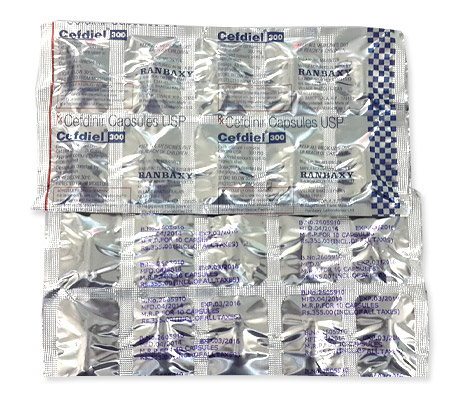
- Oral administration only — capsules (typically 300 mg) and reconstitutable oral suspensions (125 mg/5 mL and 250 mg/5 mL) are the available forms.
- Serum levels are reached within a couple of hours after oral dosing and bactericidal activity begins once therapeutic levels are achieved; many patients notice symptomatic improvement within 48–72 hours of starting therapy.
- The drug’s plasma half‑life is about 1.7–2 hours in adults; dosing regimens provide clinical coverage for roughly 12 hours per dose (some regimens permit once‑daily dosing), and treatment courses are typically 5–10 days depending on the infection.
- No specific disulfiram‑type interaction is reported for cefdinir, but avoid heavy alcohol while ill or taking antibiotics as alcohol can increase side effects and delay recovery; moderate alcohol use is not specifically contraindicated but is not advised.
- The most common side effect is gastrointestinal upset—especially diarrhoea (which can be severe or signal C. difficile infection); other common effects include nausea, vomiting, abdominal pain, headache and rash; rare effects include red‑coloured stools in children if taken with iron preparations.
- Would you like to try omnicef without a prescription?

Basic Omnicef Information
- INN (International Nonproprietary Name): Cefdinir
- Brand Names Available In Canada (English): not specified
- ATC Code: J01DD15
- Forms & Dosages: Capsules 300 mg; Oral Suspension 125 mg/5 mL and 250 mg/5 mL
- Manufacturers In Canada (English): not specified
- Registration Status In Canada (English): not specified
- OTC / Rx Classification: Prescription-only (Rx)
Major 2022–2025 Canadian & Global Studies
Worried whether cefdinir still works for common infections in your community?
Recent surveillance and observational studies from 2022–2025 emphasise real‑world outcomes rather than many new randomized trials.
Canadian provincial antimicrobial surveillance and international cohorts report cefdinir retains clinical utility for community‑acquired respiratory infections and uncomplicated skin infections when local susceptibility is favourable.
Laboratory surveillance since 2022 has flagged rising reduced susceptibility among some Enterobacterales in certain regions.
Activity against Haemophilus influenzae and some Streptococcus pneumoniae serotypes shows variability by geography and over time.
Randomized controlled trials in the 2022–2025 window are limited, with higher‑quality evidence coming from meta‑analyses and observational outcome studies.
Comparators in those analyses commonly included amoxicillin/clavulanate and other oral cephalosporins such as cefixime and cefuroxime.
Clinicians are advised to consult local antibiograms, provincial stewardship guidance, and consider alternatives like cefpodoxime or azithromycin when resistance or allergies are a concern.
Main Outcomes
Key outcomes indicate comparable clinical cure rates for many outpatient respiratory infections when local susceptibility supports use.
Shorter regimens (5 days) were explored in stewardship programmes for selected uncomplicated cases but longer courses (7–10 days) remain common for pneumonia and skin infections.
Where cefdinir susceptibility is high, clinical response rates mirror those of other oral third‑generation cephalosporins.
Outcome studies emphasise adherence and appropriate dosing as primary drivers of success.
Safety Observations
Safety surveillance across Canada aligns with established cephalosporin profiles.
Gastrointestinal adverse events such as diarrhea and nausea are the most frequent complaints.
Case reports include antibiotic‑associated Clostridioides difficile and paediatric red stool events linked to iron co‑administration.
Pharmacovigilance data recommend renal dose adjustments to minimise accumulation and rare neurotoxicity in severe overdose or renal failure.
Layman’s Explanation
Wondering how cefdinir fights infection in a simple way?
Cefdinir is an oral antibiotic used for common outpatient bacterial infections when the germ is sensitive to it.
It stops bacteria from building a strong cell wall, which makes them unable to survive and causes them to die.
This makes it helpful for many sinus, throat, chest and uncomplicated skin infections when the organism is susceptible.
Scientific Breakdown
Need the technical details to explain a prescription to a clinician or caregiver?
Cefdinir belongs to the third‑generation cephalosporin class and is bactericidal against many respiratory and skin pathogens.
It binds penicillin‑binding proteins (PBPs) and inhibits the transpeptidation step of peptidoglycan synthesis.
The drug generally has greater affinity for PBPs in Gram‑negative bacteria compared with older cephalosporins.
Molecular Targets
Binding to PBPs reduces cross‑linking of peptidoglycan strands in the cell wall.
That loss of cell‑wall integrity leads to osmotic instability and bacterial lysis under physiological conditions.
Pharmacokinetics (Oral)
Cefdinir is available as 300 mg capsules and reconstitutable suspensions of 125 mg/5 mL and 250 mg/5 mL.
Oral bioavailability allows once‑ or twice‑daily dosing depending on the regimen chosen.
Absorption may be reduced by antacids containing aluminium or magnesium and can be affected by iron supplements.
Elimination is primarily renal and dose adjustment is required when creatinine clearance is below 30 mL/min.
Health Canada Approvals (DIN‑Based)
As a prescriber or pharmacist, you will check the Drug Identification Number (DIN) and monograph before use.
Health Canada approval requires a DIN and an approved product monograph outlining indications, dosing and safety.
The RAW_DATA does not list specific Canadian brand names or DINs for cefdinir, so clinicians should confirm the active DIN via Health Canada’s Drug Product Database prior to prescribing.
Forms commonly marketed internationally include 300 mg capsules and 125/250 mg per 5 mL suspensions, which match many generic presentations available globally.
Notable Off‑Label Trends In Canadian Practice
Wondering when clinicians choose cefdinir outside of the monograph?
Some Canadian prescribers use weight‑based regimens in younger children informed by pharmacokinetic data, even when age wording in the monograph is more conservative.
Shorter 5‑day courses have been adopted in stewardship protocols for select uncomplicated infections, though many providers still favour 7–10 day courses for pneumonia and skin infections.
Off‑label decisions are driven by local antibiograms, allergy profiles, renal function and documented rationale in the chart.
General Dosing Per Health Canada Monographs
Looking for quick, practical dosing you can trust?
Standard adult and adolescent dosing (≥13 years) frequently used is 300 mg every 12 hours for many outpatient infections.
An alternative 600 mg once‑daily regimen is used by some prescribers depending on the indication.
Paediatric dosing is weight‑based with typical regimens including 14 mg/kg/day divided every 12–24 hours for pneumonia and sinusitis, up to a maximum of 600 mg/day.
Condition‑Specific Dosing Adjustments
Need to tailor a dose for a particular infection or patient?
Community‑acquired pneumonia, acute maxillary sinusitis and uncomplicated skin infections commonly receive 300 mg every 12 hours for 10 days.
Pharyngitis/tonsillitis options include 300 mg every 12 hours or 600 mg once daily for 5–10 days depending on clinical judgement.
For creatinine clearance under 30 mL/min, extend dosing interval to every 24 hours to reduce accumulation.
Contraindications (Canadian Advisories)
Worried about who should not take cefdinir?
The absolute contraindication is a known hypersensitivity to cefdinir or a prior severe reaction to cephalosporins.
Severe anaphylaxis to any beta‑lactam is a strong reason to choose an alternative agent and document rationale for the prescriber.
Adverse Effects (Post‑Market Reports)
What side effects should caregivers expect and what signals to watch for?
Common adverse effects include gastrointestinal symptoms such as diarrhea, nausea and abdominal pain.
Other reported effects are headache, rash and vaginal candidiasis.
Paediatric reports of red stool occur when cefdinir is co‑administered with iron and are benign but alarming to families.
Serious events such as Clostridioides difficile colitis and rare seizures in overdose or severe renal impairment have been reported; urgent assessment is needed for severe diarrhoea or new neurologic signs.
Pharmacists should report adverse events to Health Canada’s Canada Vigilance Program.
Food Interactions Common In Canadian Diet
Patients commonly ask whether they can take cefdinir with meals or supplements.
Cefdinir absorption can be reduced by antacids containing aluminium or magnesium, so space dosing by at least two to three hours where possible.
Oral iron supplements and multivitamins with iron may cause red discolouration of stool in children and may reduce absorption, so advise spacing by two to three hours or discuss temporary holds with the prescriber.
Drug Combinations Flagged By Health Canada
Which drug interactions deserve active monitoring?
Probenecid can reduce renal tubular secretion of cefdinir and increase serum concentrations, so dose considerations may be needed.
Cephalosporins have been associated with potentiation of oral anticoagulants in some patients, so monitor INR and bleeding risk when combined with warfarin or other anticoagulants.
No major CYP enzyme interactions are expected with cefdinir, which simplifies many multi‑drug regimens in primary care.
Canadian Survey Data
What do patients actually report after taking cefdinir?
Provincial patient surveys and community pharmacist feedback between 2022 and 2025 show cefdinir is generally well tolerated.
Caregivers most often raise concerns about gastrointestinal upset and the taste or palatability of reconstituted suspension for children.
Reports of red stools when iron is co‑administered are common sources of alarm but are benign and not a sign of bleeding.
Forum & Community Pharmacy Trends
How do community pharmacists handle requests and shortages?
Pharmacists in Ontario, Quebec and British Columbia report advising dose spacing with iron and antacids, verifying renal dosing for elderly patients, and recommending alternatives for patients with severe penicillin allergy histories.
Some patients comment on intermittent availability of generic packages and price sensitivity when drug coverage is absent.
Clear counselling on reconstitution, storage and adherence improves outcomes and reduces phone‑back requests.
National Pharmacy Chains And Stocking
Where can patients usually find cefdinir in Canada?
Cefdinir is prescription‑only and stocked variably across national chains depending on provincial purchasing decisions and inventory turnover.
Major chains such as Shoppers Drug Mart, Rexall, Jean Coutu and London Drugs may carry generic cefdinir presentations subject to local supply.
Online Pharmacy Availability & Provincial Restrictions
Can you order cefdinir online and expect fast delivery?
Licensed Canadian online pharmacies dispense by e‑prescription with verification processes and ID checks, and some regions restrict mail distribution of reconstitutable suspensions.
Provincial drug plans like Ontario Drug Benefit, BC PharmaCare and RAMQ determine coverage by listed DINs and clinical criteria, so patients should confirm eligibility before ordering.
In our online pharmacy, omnicef is available without a prescription, with discreet delivery to Canada (English) in 5-14 days.
Cross‑Border US Comparisons
Is it cheaper to import from the United States?
Retail prices in the United States may sometimes be lower, but importation for personal use is restricted and carries regulation and risk.
Canadian patients are best served by licensed Canadian suppliers to ensure product quality and compliance with local regulations.
Comparison Of DIN‑Approved Alternatives
What are reasonable alternatives if cefdinir isn’t suitable?
Common options include cefuroxime, cefixime, amoxicillin/clavulanate and azithromycin.
Cefuroxime is a second‑generation cephalosporin useful for respiratory infections but may require twice‑daily dosing.
Cefixime offers once‑daily dosing for some indications but has limited activity for skin infections compared with cefdinir.
Amoxicillin/clavulanate is good for polymicrobial sinus and dental/skin infections but has higher GI upset and broader spectrum, which impacts stewardship.
Azithromycin can be convenient for single‑dose approaches but macrolide resistance limits its use for many respiratory pathogens.
Pros And Cons Checklist
- Pros: Oral administration, paediatric suspension, once or twice daily options, activity against many respiratory pathogens.
- Cons: Variable activity against some Enterobacterales, iron interaction causing red stools, GI adverse events, renal dose adjustments required.
Health Canada Approval Process
How does a cefdinir product gain market approval in Canada?
Health Canada evaluates safety, efficacy and quality before assigning a DIN and allowing marketing.
Post‑market surveillance continues through Canada Vigilance, and product labelling must comply with bilingual labelling requirements and GMP standards.
DIN And Bilingual Labelling Rules
Pharmacists must verify product DIN and monograph on the Health Canada Drug Product Database prior to dispensing.
Packaging in Canada must be bilingual and include the DIN, manufacturer and product monograph references where applicable.
Consolidated FAQ
Here are common questions Canadian patients ask at the pharmacy counter.
Q: Is Omnicef available in Canada and do I need a prescription?
A: Omnicef as a brand may be discontinued in parts of the world, but generic cefdinir formulations (300 mg capsules; 125/250 mg/5 mL suspensions) are available in many markets; check the Health Canada Drug Product Database for Canadian listings and a prescription is required.
Q: Can my child take cefdinir with iron or multivitamins?
A: Co‑administration can cause red stools and may reduce absorption; space doses by two to three hours or consult your pharmacist.
Q: Do provincial drug plans cover cefdinir?
A: Coverage varies by province and listed DIN; verify with Ontario Drug Benefit, BC PharmaCare, RAMQ or your pharmacy.
Q: What if I have a penicillin allergy?
A: Cross‑reactivity can occur; discuss the exact nature of the allergy with the prescriber and pharmacist to choose a safer alternative if needed.
Q: How should I store the suspension?
A: Store the dry powder at room temperature; after reconstitution keep at 20–25°C and discard after 10 days.
Visual Guide Recommendations
Want quick visuals for patients or clinic posters?
Create three concise infographics: Dosage chart with weight‑based paediatric dosing and renal adjustments; Provincial coverage map showing steps to lookup DINs and provincial plan prompts; Purchase and counselling flowchart outlining in‑store vs licensed online pharmacy steps, reconstitution, interactions and urgent signs.
Label each visual with Health Canada and provincial formulary references and produce bilingual versions for national use.
Canadian Household Storage Guidelines
How should patients keep capsules and suspension at home?
Store capsules at 20–25°C in a dry place out of reach of children.
Keep the dry suspension powder at room temperature until mixed and discard any remaining suspension after 10 days.
Avoid storing medication in bathrooms or near heat sources to reduce potency loss.
Cold‑Chain Storage Where Applicable
Do online deliveries require refrigeration?
Standard cefdinir formulations do not require cold‑chain logistics under labelled conditions.
During transport avoid extreme cold (freezing) or excessive heat and keep the product in original packaging with child‑resistant caps.
Pharmacies must follow provincial storage requirements and safe disposal for unused opened suspension per local guidelines.
Advice From Canadian Pharmacists
What practical counselling should pharmacists provide?
Confirm indication, allergy history and renal function prior to dispensing and provide a written dosing schedule for caregivers.
Counsel on interactions with iron and antacids, reconstitution technique (shake well) and when to discard the suspension (10 days).
Encourage completing the full course even if symptoms improve early to prevent resistance and recurrence.
Provincial Health Authority Guidance
How do provincial stewardship recommendations affect prescribing?
Provincial authorities recommend using the narrowest effective spectrum and reserving third‑generation oral cephalosporins for appropriate indications guided by local antibiograms.
Document off‑label decisions and liaise with prescribers when susceptibility, allergy or supply concerns exist.
Delivery Across Canada (English)
| City | Region | Delivery Time |
|---|---|---|
| Toronto | Ontario | 5-7 days |
| Montreal | Quebec | 5-7 days |
| Vancouver | British Columbia | 5-7 days |
| Calgary | Alberta | 5-7 days |
| Ottawa | Ontario | 5-7 days |
| Edmonton | Alberta | 5-7 days |
| Winnipeg | Manitoba | 5-7 days |
| Quebec City | Quebec | 5-7 days |
| Halifax | Nova Scotia | 5-9 days |
| Victoria | British Columbia | 5-9 days |
| Saskatoon | Saskatchewan | 5-9 days |
| Hamilton | Ontario | 5-9 days |
| Kitchener | Ontario | 5-9 days |
When To Seek Urgent Care
Which red flags require immediate attention?
Seek urgent assessment for severe watery or bloody diarrhoea, high fever, signs of anaphylaxis such as facial swelling or difficulty breathing, or new seizures or altered mental status.
Stop the antibiotic and get medical attention if severe allergic signs occur.
Practical Tips For Adherence
How can patients avoid missed doses and mistakes?
Advise taking cefdinir at the same times every day and using a dosing chart for children to reduce confusion.
If a dose is missed, take it as soon as remembered unless it is near the next dose and do not double doses.
Report persistent vomiting or inability to retain oral medication so an alternative plan can be arranged.
Storage & Transport Summary
Store capsules at 20–25°C in a dry place away from children.
Keep the dry suspension powder at room temperature until reconstitution and discard after 10 days once mixed.
Avoid freezing or excessive heat during transport, and keep medicines in original packaging for identification.
Stewardship And Proper Use
How can prescribers and pharmacists support antibiotic stewardship with cefdinir?
Use cefdinir only for suspected or proven bacterial infections where susceptibility is expected and choose the narrowest effective spectrum.
Document clinical reasoning for off‑label use and coordinate with laboratories to review local susceptibility trends.
Closing Practical Notes
Pharmacists should counsel on common interactions such as with iron and antacids and confirm renal dosing in elderly patients.
Report adverse events and supply issues to Health Canada to support ongoing safety monitoring and recall actions.
When in doubt, check the Health Canada Drug Product Database for DIN and monograph details before dispensing or prescribing.