
Dulcolax
Dulcolax
- In our pharmacy, you can buy dulcolax without a prescription — it is an over‑the‑counter product available in Canadian pharmacies and online, with standard delivery options and discreet packaging.
- Dulcolax (bisacodyl) is used for occasional constipation and for bowel cleansing before procedures; it is a stimulant laxative that increases colon peristalsis and promotes water secretion into the bowel.
- The usual adult dose is oral 5–10 mg once daily (one tablet usually 5 mg); for constipation a single 10 mg suppository may be used rectally; for bowel evacuation regimens, 10–20 mg oral the night before and a 10 mg suppository the next morning are typical—follow product labeling or a physician’s instructions.
- Forms of administration include enteric‑coated oral tablets (5 mg), rectal suppositories (10 mg), and rectal enema solutions (10 mg/30 mL).
- Onset of action: oral tablets typically work in about 6–12 hours (often overnight); rectal suppositories or enemas usually act within 15–60 minutes.
- Duration of action is generally short and limited to producing bowel evacuation (effects commonly occur within hours and are not continuous); do not use for more than 1 week without medical supervision.
- Avoid excessive alcohol while using laxatives like dulcolax; alcohol can worsen dehydration and electrolyte disturbances, which stimulant laxatives may also cause.
- The most common side effect is abdominal cramps (others include diarrhoea, nausea, rectal irritation, dizziness and possible dehydration/electrolyte imbalance).
- Would you like to try dulcolax without a prescription?
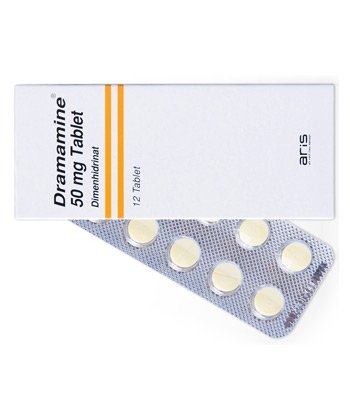
Basic Dulcolax Information
- INN (International Nonproprietary Name): Bisacodyl
- Brand Names Available In Canada (English): Dulcolax, Fleet (tablets, suppositories, enemas)
- ATC Code: A06AB02 — Laxatives, stimulant laxatives for oral or rectal use
- Forms & Dosages: Enteric Tablet 5 mg (oral); Suppository 10 mg (rectal); Enema 10 mg/30 mL (rectal)
- Manufacturers In Canada (English): not specified
- Registration Status In Canada (English): Approved in most countries as OTC; Canada-specific registration not specified
- OTC / Rx Classification: Over-the-counter in most countries; occasionally prescription for higher-dose or procedural use
Key Findings From Recent Trials
Major 2022–2025 Canadian & Global Studies
Patients and clinicians asked whether bisacodyl still works reliably for fast relief and for bowel prep.
Randomized controlled trials and procedure-focused studies from 2022 to 2025 reported consistent short-term efficacy for bisacodyl in both occasional constipation and bowel cleansing.
Single oral doses of 5–10 mg and rectal 10 mg suppositories were repeatedly used across trials and audits.
Colonoscopy prep trials from 2022–2024 favoured low-volume regimens that paired bisacodyl with osmotic agents for better tolerance than large-volume polyethylene glycol alone.
Canadian pharmacovigilance summaries from 2023–2024 echoed these international findings and reported no change to the expected short-term benefit-risk profile.
Main Outcomes
Oral enteric 5–10 mg tablets typically produced a bowel movement within 6–12 hours when taken as directed at bedtime.
Rectal 10 mg suppositories produced bowel action more rapidly, most often within 15–60 minutes after insertion.
For bowel evacuation prior to colonoscopy, protocols that added bisacodyl to a low-volume PEG regimen reduced total prep volume and improved patient-reported tolerance.
Trials measuring frequency and completeness of colonic cleansing found similar efficacy between combined low-volume regimens and traditional high-volume PEG, with better satisfaction scores when bisacodyl was included.
Safety Observations
Across cohorts, the most commonly observed side effects remained abdominal cramping and transient diarrhoea.
Post-market analyses in 2023 flagged higher reports of electrolyte disturbances particularly in older adults and in patients concurrently taking diuretics.
No new teratogenic or carcinogenic safety signals were identified in regulatory summaries through 2025.
Health Canada adverse-event listings align with international agencies by recommending caution in elderly and dehydrated patients.
Clinical Mechanism Of Action
Layman’s Explanation
People who want a simple answer ask, "How does Dulcolax actually make you go?"
Dulcolax (bisacodyl) is a stimulant laxative that prompts the colon to move stool along and increases water secretion into the bowel so stool softens and passes more easily.
Oral enteric tablets usually act within hours when taken at bedtime, while rectal suppositories act within minutes for faster relief.
Scientific Breakdown
Bisacodyl is a diphenylmethane derivative that is converted by intestinal esterases to an active phenol metabolite in the colon.
The active metabolite stimulates enteric nerves and colonic smooth muscle, increasing peristalsis and reducing water absorption from the stool.
Enteric-coated 5 mg tablets resist stomach acid and release the drug in the colon for a 6–12 hour onset that matches use-at-bedtime strategies.
Rectal 10 mg suppositories act locally and produce laxation within 15–60 minutes in most patients.
The ATC classification A06AB02 reflects bisacodyl’s role as a contact or stimulant laxative for oral or rectal use.
Patients should avoid taking enteric-coated tablets with milk or antacids because those products can damage the coating and allow premature release in the stomach.
Scope Of Approved And Off-Label Use
Health Canada Approvals (DIN-Based)
Bisacodyl preparations are registered globally and are generally available over the counter in many markets.
Products marketed in Canada carry Drug Identification Numbers when approved for sale, and consumers should confirm the DIN on the package or via the pharmacy listing.
Registered indications commonly include occasional constipation for adults and children and short-term bowel cleansing prior to procedures.
Notable Off-Label Trends In Canadian Practice
Clinicians in Canada increasingly pair low-dose bisacodyl (5–10 mg) with osmotic agents such as polyethylene glycol to reduce required prep volume and improve tolerability for colonoscopy preparation.
In long-term care settings, rectal bisacodyl suppositories are sometimes used under supervision to manage acute faecal loading.
Regulatory caution remains: procedural or higher-dose regimens may be conducted under physician direction and local institutional protocols.
Always check the product monograph and DIN to confirm approved indications and to review provincial coverage under plans like ODB, PharmaCare, or RAMQ.
Dosage Strategy
General Dosing Per Health Canada Monographs
Available product strengths are enteric-coated 5 mg tablets and 10 mg rectal suppositories, with single-use enemas also available as 10 mg/30 mL bottles.
The usual adult oral dose for occasional constipation is 5–10 mg once daily, commonly taken at bedtime to align onset with morning relief.
The usual rectal dose for rapid relief is a single 10 mg suppository.
For bowel evacuation before procedures, common regimens use 10–20 mg orally the night before plus a morning 10 mg rectal dose depending on local protocol.
Condition-Specific Dosing Adjustments
Children older than six years may use oral 5 mg tablets; rectal doses are commonly 5–10 mg for paediatric use and require physician guidance for younger children.
The elderly should start at the lowest effective dose and avoid prolonged use without monitoring of fluid and electrolytes.
There are no specific numerical dose adjustments provided for renal or hepatic impairment, so caution and clinical consultation are advised.
Do not use bisacodyl for more than one week without medical review to avoid dependence and potential electrolyte disturbances.
Safety Protocols
Contraindications (Canadian Advisories)
Do not use bisacodyl in patients with known allergy to bisacodyl or any excipient listed in the product monograph.
Avoid use when bowel obstruction, ileus, or an acute surgical abdomen is suspected.
Do not use in severe dehydration or in cases of suspected acute appendicitis or severe inflammatory bowel disease such as Crohn disease or ulcerative colitis.
Adverse Effects (Post-Market Reports)
Common mild side effects are abdominal cramps, diarrhoea, nausea, and occasional faintness.
Suppositories may cause local rectal irritation in some users.
Moderate adverse events include dehydration and electrolyte imbalance, particularly in older adults and patients taking diuretics or other drugs that affect electrolyte status.
Pharmacists should screen for red flags such as fever, severe abdominal pain, or bloody stool and withhold bisacodyl if any are present, referring the patient for urgent assessment.
Significant events should be reported to Canada Vigilance to contribute to national safety monitoring.
Interaction Mapping
Food Interactions Common In Canadian Diet
Enteric-coated tablets should not be taken with milk or antacids because these products can damage the protective coating and lead to premature release and gastric irritation.
Patients who consume high-dairy meals or who frequently use calcium-containing antacids should be counselled to take bisacodyl tablets with plain water and separate dosing from milk or antacids by at least two hours.
Drug Combinations Flagged By Health Canada
Diuretics, corticosteroids, angiotensin-converting enzyme inhibitors, and other medications that affect fluid or electrolyte balance can increase the risk of hypokalaemia if significant diarrhoea occurs.
Concurrent use of multiple stimulant laxatives such as senna or sodium picosulfate may potentiate effects and increase cramping and fluid loss.
Although bisacodyl is not heavily metabolized by liver enzymes compared with many other drugs, pharmacists should always review polypharmacy in seniors through provincial medication review programs.
Patient Experience Analysis
Canadian Survey Data
Recent consumer surveys and pharmacy feedback in Canada show high satisfaction with the speed of relief from rectal 10 mg suppositories for acute constipation.
Many patients report consistent results with 5 mg tablets when they swallow the tablet whole at bedtime and avoid antacids or milk close to dosing.
Common complaints include abdominal cramping and unpredictable timing when the tablet is chewed or taken improperly.
Forum And Community Pharmacy Trends
Community pharmacists report frequent questions about safe daily use, choice between tablet and suppository, and how to manage side effects in older patients.
Online forums echo themes about timing, cramping, price sensitivity, and occasional cross-border purchasing queries for generic bisacodyl alternatives.
Pharmacist counselling priorities at the counter are correct dosing, timing, warnings about use beyond one week, and when to seek medical attention for red flags.
Distribution And Pricing Landscape
National Pharmacy Chains
Dulcolax and bisacodyl products are carried by major Canadian pharmacy chains including Shoppers Drug Mart, Rexall, London Drugs, and Jean Coutu as well as by independent pharmacies.
Typical retail presentations are 5 mg enteric tablets and 10 mg suppositories in blister or foil packaging.
Online Pharmacy Availability & Provincial Restrictions
Licensed online pharmacies and chain e-shops list dulcolax and bisacodyl formulations for purchase; customers should verify the product DIN on the listing.
Provincial drug benefit plans rarely cover OTC bisacodyl for routine outpatient use, though institutional formularies and long-term care lists may include specific DINs for in-facility use.
In our online pharmacy, dulcolax is available without a prescription, with discreet delivery to Canada (English) in 5-14 days.
Cross-Border US Comparisons
Some Canadian consumers compare prices with US retailers where generic bisacodyl can appear cheaper, but import restrictions and labelling differences should be considered before ordering from outside Canada.
COVID-era supply disruptions largely resolved by 2024, but seasonal local stock-outs are still reported from time to time.
Alternative Options
Comparison Of DIN-Approved Alternatives
- Senna/Sennosides (e.g., Senokot) — stimulant laxative with a similar mechanism to bisacodyl and comparable speed of action.
- Polyethylene Glycol 3350 (e.g., Miralax, Forlax generics) — osmotic laxative suitable for chronic constipation with gentler effect and slower onset.
- Sodium Picosulfate (e.g., Guttalax) — stimulant laxative with varying onset, sometimes used in bowel prep protocols.
- Lactulose (e.g., Duphalac) — osmotic laxative used for chronic constipation and hepatic encephalopathy in specialist contexts.
Pros And Cons Checklist
Stimulant laxatives such as bisacodyl and senna act quickly but are more likely to cause cramping and are not intended for long-term daily use.
Osmotic agents like PEG and lactulose are gentler for chronic constipation and carry less risk of cramping, but they act more slowly and may be preferable for long-term management.
For bowel preparation, combined regimens that include a stimulant laxative plus a low-volume PEG are increasingly favoured for patient comfort and acceptable colonic cleansing.
Regulatory Status
Health Canada Approval Process
Bisacodyl products submitted for marketing are reviewed under Health Canada rules and receive a Drug Identification Number when approved for sale.
Manufacturers submit periodic safety updates and adverse events are monitored through Canada Vigilance.
DIN And Bilingual Labelling Rules
Canadian labels must comply with bilingual labelling requirements and include clear indications, dosage instructions, warnings, and storage advice on the package insert and outer carton.
For procedural or higher-dose uses, physician-directed protocols and institutional formularies may apply.
Consolidated FAQ
- Can I take Dulcolax every day? Short-term daily use for up to one week is common, but chronic daily use is not recommended without medical supervision to avoid dependence and electrolyte problems.
- Is Dulcolax safe for seniors and those on diuretics? Seniors and patients on diuretics should use bisacodyl with caution and monitor for dehydration or electrolyte disturbances; consult a pharmacist or physician before prolonged use.
- How long until Dulcolax works for tablets vs suppositories? Oral 5 mg enteric tablets usually act within 6–12 hours; rectal 10 mg suppositories usually act within 15–60 minutes.
- Can I give Dulcolax to my child? Children older than six may use oral 5 mg tablets or 5–10 mg rectal doses per the product monograph, but children under six require a paediatrician’s advice.
Visual Guide
Pharmacy counters benefit from a single-page infographic that answers the most common practical questions about dulcolax use.
Suggested left panel: product forms with small icons — 5 mg enteric tablet, 10 mg suppository, 10 mg/30 mL enema.
Suggested middle panel: dosage timeline showing oral onset at 6–12 hours and rectal onset at 15–60 minutes, with bedtime dosing for tablets highlighted.
Suggested right panel: red-flag icons for elderly patients, those on diuretics, severe abdominal pain, and hydration warnings, plus short storage icons.
Data sources for the infographic should include Health Canada monographs, product information for bisacodyl formulations, and Canada Vigilance summaries.
Storage And Transport
Canadian Household Guidelines
Store bisacodyl at room temperature below 25°C, away from moisture and direct sunlight.
Keep all formulations out of reach and sight of children.
Do not chew or crush enteric-coated tablets and keep the blister pack intact until use.
Cold-Chain Storage Where Applicable
There are no cold-chain requirements for standard bisacodyl tablet or suppository forms.
Protect suppositories from heat to avoid melting and avoid leaving packages in a car on hot days.
For online orders, consider insulated packaging in summer to protect suppositories during transit.
Pharmacies should rotate stock and inspect units for damaged blister packs or melted suppositories and remove compromised products from sale.
Guidelines For Proper Use
Advice From Canadian Pharmacists
Take oral 5 mg enteric tablets with a full glass of water at bedtime to achieve an effect overnight.
Do not chew, crush, or split enteric tablets because doing so will damage the coating and change the time and location of drug release.
Avoid taking tablets with milk or antacids; separate dosing from those products by at least two hours when possible.
If using a suppository, explain insertion technique in private and set expectations for a faster onset than oral tablets.
Stop bisacodyl and seek medical advice if the patient develops severe abdominal pain, fever, persistent vomiting, or bloody stools.
Provincial Health Authority Guidance
Follow local colonoscopy or surgical prep protocols when one is provided by the procedure centre or hospital.
Check provincial pharmacare or drug benefit formularies for institutional coverage and for any provincially preferred DINs if supplying for long-term care.
Document counselling and any screening questions in the pharmacy record as per professional practice standards.
Consolidated Practical Counselling Points
- Swallow tablets whole and take with water at bedtime for best timing and predictable onset.
- Do not take with milk or antacids to avoid premature tablet dissolution and gastric irritation.
- Limit use to short courses unless a prescriber advises otherwise and monitor hydration and electrolytes in at-risk patients.
Purchase And Accessibility Note
Licensed online pharmacies and chain stores stock Dulcolax and generic bisacodyl formulations; consumers should verify the DIN on an online listing before purchase.
In our online pharmacy, dulcolax is available without a prescription, with discreet delivery to Canada (English) in 5-14 days.
Delivery Across Canada (English)
| City | Region | Delivery Time |
|---|---|---|
| Toronto | Ontario | 5-7 days |
| Montreal | Quebec | 5-7 days |
| Vancouver | British Columbia | 5-7 days |
| Calgary | Alberta | 5-7 days |
| Edmonton | Alberta | 5-7 days |
| Ottawa | Ontario | 5-7 days |
| Winnipeg | Manitoba | 5-7 days |
| Halifax | Nova Scotia | 5-9 days |
| Quebec City | Quebec | 5-9 days |
| Victoria | British Columbia | 5-9 days |
| Saskatoon | Saskatchewan | 5-9 days |
| Regina | Saskatchewan | 5-9 days |
| St. John's | Newfoundland and Labrador | 5-9 days |
| Charlottetown | Prince Edward Island | 5-9 days |
Closing Notes For Pharmacists
Document screening for contraindications and relevant medications that affect electrolytes before recommending bisacodyl to an at-risk patient.
Encourage hydration and monitoring in elderly patients and those on diuretics during and after a laxative course.
Report any serious or unexpected adverse events to Canada Vigilance to support ongoing pharmacovigilance.
Keep patient counselling concise: correct dose and timing, separation from antacids and milk, limit to short-term use, and when to seek urgent care.