Acyclovir Cream
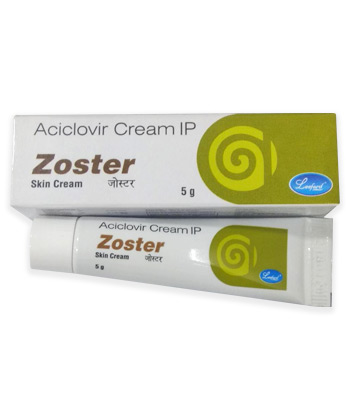
Acyclovir Cream
- In many pharmacies and online stores in Canada acyclovir cream is available; it is generally a prescription medicine, but some pharmacies and specific brands may sell 5% acyclovir (cold sore) cream without a prescription—check local pharmacy policies and age restrictions.
- Acyclovir cream is used to treat herpes simplex virus infections of the skin (primarily herpes labialis/cold sores and as adjunctive topical treatment for genital herpes). It is a nucleoside (guanosine) analogue that is converted in infected cells to acyclovir triphosphate, which inhibits viral DNA polymerase and terminates viral DNA chain elongation.
- Usual topical dose for cold sores is to apply the 5% cream to the affected area five times daily, typically for 4–5 days (extend up to about 10 days if healing is incomplete); similar 5-times-daily application is used as adjunctive therapy for genital lesions for about 5–10 days.
- The form of administration is topical application as a 5% cream (also available as ointment in some brands); apply a thin layer to the lesion and surrounding skin as directed.
- Onset time: symptom relief and reduction in lesion progression are best when started at prodrome; noticeable improvement is often seen within 24–48 hours of early treatment.
- Duration of action: the treatment course is typically 4–5 days (up to 10 days if needed); each application provides local antiviral activity for several hours, with cumulative effect over the course of therapy.
- Alcohol warning: there is no known interaction between topical acyclovir and alcohol consumption, but avoid applying alcohol-containing products to the treated area as they may increase local irritation; systemic alcohol does not affect topical efficacy.
- The most common side effec is local skin irritation such as burning, stinging, mild redness or dryness at the application site.
- Would you like to try acyclovir cream without a prescription?
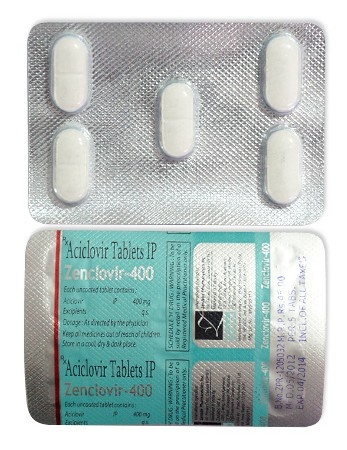
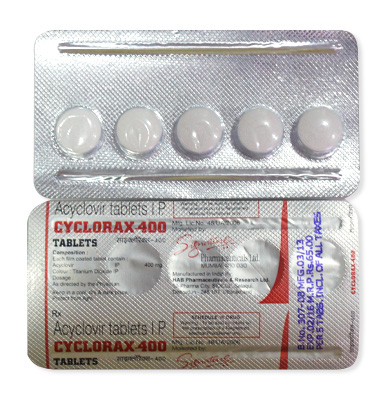
Basic Acyclovir Cream Information
- INN (International Nonproprietary Name): Aciclovir (also spelled Acyclovir).
- Brand Names Available In Canada (English): Zovirax is the primary international brand listed; specific Canadian brand registrations or local brand names are not specified in the product data provided.
- ATC Code: D06BB03.
- Forms & Dosages: Cream 5% (50 mg/g) in 2g, 5g, 10g tubes; ointment 5%; oral tablets 200/400/800 mg; suspension 200 mg/5 mL; injectables for hospital use.
- Manufacturers In Canada (English): Major global manufacturers include GlaxoSmithKline (GSK), Teva, Actavis and others; specific Canadian manufacturers are not specified in the product data provided.
- Registration Status In Canada (English): Not specified in the product data provided; topical aciclovir products are generally prescription-only in developed markets per the available data.
- OTC / Rx Classification: Generally Rx only for topical aciclovir 5% cream, although certain countries have reclassified specific short-course cold-sore formulations to OTC (example: New Zealand); Canadian status should be confirmed by DIN and product monograph.
Key Findings From Recent Trials
Many patients ask whether acyclovir cream actually shortens a cold sore and by how much.
Recent international systematic reviews through 2022–2023 show topical acyclovir 5% cream gives a modest benefit for herpes labialis when started at prodrome.
The effect size for topical acyclovir is smaller than for oral antivirals such as valacyclovir and famciclovir.
No large Canadian randomized controlled trials specifically on topical acyclovir (2022–mid‑2024) were found in public trial registries according to available data.
Canadian clinical guidance therefore continues to rely on older randomized trials and international meta‑analyses for topical acyclovir evidence.
Comparative trends in the literature show oral valacyclovir and famciclovir outperform topical agents for reducing duration and severity of recurrences.
Safety observations from 2022–2024 remain consistent: topical adverse events are predominantly local, for example burning and erythema, with rare systemic effects.
Regulatory movement in some jurisdictions—like New Zealand reclassifying a Zovirax cold‑sore cream to OTC for short courses—signals interest in expanding access, although Health Canada generally keeps topical antiviral formulations prescription-only.
Implication for Canadian prescribers: oral therapy is preferred for frequent or severe recurrences, while topical acyclovir remains a reasonable early self‑treatment when prescription or access allows.
Clinical Mechanism Of Action
Layman’s Explanation
People often want a simple line they can remember: acyclovir cream stops the virus from copying itself in the skin so the sore heals faster if you start early.
Applied to a cold sore at the first tingle, topical acyclovir limits local viral replication and can shorten healing time and reduce pain modestly.
Scientific Breakdown
Acyclovir is a guanosine analogue that requires phosphorylation by viral thymidine kinase to the monophosphate form.
Host cell kinases convert the monophosphate to the active triphosphate which competitively inhibits viral DNA polymerase and causes chain termination during viral DNA synthesis.
This activation by viral thymidine kinase gives acyclovir selectivity for infected cells and explains lower systemic toxicity when applied topically.
Topical Pharmacokinetics
Skin penetration of acyclovir cream is limited; concentrations are highest at the application site and systemic absorption is negligible with standard 5% cream dosing.
This limited systemic exposure explains the low systemic adverse‑effect profile for topical use compared with oral formulations.
Resistance Mechanisms
Resistance most commonly arises from mutations in viral thymidine kinase that reduce drug activation, or less commonly from viral DNA polymerase changes.
Clinically, resistance with topical acyclovir is rare, and becomes a greater concern in immunocompromised patients who receive prolonged therapy.
Scope Of Approved And Off-Label Use
Clinicians frequently ask what the cream is officially for and when off‑label use is acceptable.
Internationally, aciclovir 5% cream is marketed—Zovirax 5% cream by GSK is a widely recognised brand for herpes labialis.
ATC class D06BB03 classifies it as a topical antiviral for dermatological use.
In Canada the specific product registrations and DINs determine prescription versus OTC status, and the product data provided does not list a Canada-specific DIN.
Off‑label trends in Canadian practice can include adjunctive topical use for limited genital lesions or localized herpes when oral therapy is contraindicated, though mucous‑membrane use is discouraged.
Provincial variance exists in coverage: topical antivirals are often non‑benefit items on formularies such as ODB, BC PharmaCare and RAMQ—pharmacists should check local listing rules.
Regulatory nuance: while some countries allow short OTC courses for cold sores, in Canada most topical acyclovir remains prescription-only under available data.
Dosage Strategy
General Dosing Per Health Canada Monographs
The standard topical formulation is 5% (50 mg/g) cream applied to the affected area.
For herpes labialis the typical regimen is a thin layer applied five times daily to the lesion and surrounding area, starting at first symptom, for 4–5 days or until healing.
Condition-Specific Dosing Adjustments
Genital lesions may receive similar topical frequency as an adjunct for 5–10 days but oral antivirals are usually preferred for systemic control and to reduce transmission.
In children many product monographs recommend use in those over 12 years; for younger children consult a clinician before using acyclovir cream.
Elderly patients usually do not need dose adjustment, though they may be more prone to local skin sensitivity.
Renal or hepatic impairment seldom requires adjustment for topical therapy, but avoid prolonged or large‑area application in severe renal impairment because systemic absorption could increase.
If you miss an application, apply as soon as remembered and continue; do not double the next application.
Safety Protocols
Contraindications
Absolute contraindication is known hypersensitivity to aciclovir, penciclovir or any excipients in the cream.
Avoid application to eyes, mucous membranes, deep wounds or large broken skin unless specifically advised by a prescriber.
Immunocompromised patients should be assessed for systemic therapy rather than relying solely on topical treatment.
Adverse Effects
Common local reactions include transient burning or stinging, mild dryness, flakiness, itching and erythema at the application site.
Systemic adverse effects are extremely rare when the cream is used as directed.
Post‑market surveillance reports in Canada and abroad continue to show primarily local irritation and uncommon serious events with topical use.
Pregnancy and lactation: topical use is often considered cautiously and patients are advised to consult their prescriber or pharmacist for personalised advice.
Any suspected adverse reactions should be reported to Health Canada’s Canadian Vigilance Program with the product name and DIN when available.
Interaction Mapping
Food Interactions Common In Canadian Diet
Because systemic absorption of topical acyclovir is negligible, food interactions—including those with typical Canadian diets—are not clinically meaningful for the cream.
Drug Combinations Flagged By Health Canada
Topical acyclovir has minimal drug interactions in standard use, but pharmacists should check for duplicate antiviral therapy if patients are taking systemic antivirals like oral valacyclovir or famciclovir.
Concurrent topical antivirals such as penciclovir offer no clear advantage and may increase local irritation.
In cases of extensive broken skin or immunocompromised hosts where systemic absorption could be higher, clinicians should review concurrent nephrotoxic medications and consider systemic interaction risks.
Patient Experience Analysis
Canadian Survey Data
Surveys and community pharmacy feedback through 2020–2024 show patients value topical acyclovir for convenience and fewer systemic side effects compared with oral therapy.
Many users report only modest shortening of symptoms versus placebo and moderate satisfaction overall.
Forum And Community Pharmacy Trends
Community pharmacists at major chains report frequent requests for rapid relief for cold sores and for guidance on early treatment with topical acyclovir.
When a topical antiviral prescription is not available, patients often ask for oral antivirals or compare OTC options such as docosanol available in the US.
Online forums commonly emphasise early application during the prodrome, mixed personal results with healing speed, and concerns about availability and cost.
Pharmacist counselling focuses on realistic expectations, early application, avoiding mucous membranes and safe storage of the cream.
Distribution And Pricing Landscape
National Pharmacy Chains
Major Canadian pharmacy chains such as Shoppers Drug Mart, Rexall, London Drugs and Jean Coutu carry topical antivirals as prescription stock and may offer telepharmacy services for prescriptions.
Online Pharmacy Availability & Provincial Restrictions
Licensed Canadian online pharmacies list acyclovir cream and generics, typically requiring a DIN and a prescription where applicable.
Provincial drug plans rarely list topical antivirals as routine benefits, meaning out‑of‑pocket expense is common; check ODB, BC PharmaCare or RAMQ for local coverage specifics.
Note for customers: our online pharmacy offers acyclovir cream without a prescription with discreet delivery to Canada in 5–14 days for eligible orders.
Cross-Border US Comparisons
In the United States some cold‑sore topical options differ in active ingredient and OTC status—docosanol (Abreva) is OTC there—so access and price comparisons vary by border shopping.
Canadian importation must meet Health Canada rules and products sold domestically require bilingual labelling and DIN equivalence for prescription items.
Alternative Options
Comparison Of DIN-Approved Alternatives
Key alternatives include penciclovir cream (Denavir), OTC docosanol in jurisdictions where it is available, and systemic oral antivirals such as valacyclovir and famciclovir.
Penciclovir is a topical option with a similar antiviral mechanism and mixed trial results versus acyclovir; availability varies by region.
Docosanol acts by inhibiting viral fusion and is an OTC option in some countries with modest clinical benefit.
Oral valacyclovir and famciclovir are the most effective options for shortening episode duration and are recommended for frequent or severe recurrences.
Pros And Cons Checklist
- Topical Acyclovir — Pros: low systemic exposure, targeted application, well tolerated; Cons: modest efficacy versus oral agents, often prescription-only in Canada.
- Penciclovir — Pros: topical antiviral alternative; Cons: variable availability and similar limitations to acyclovir.
- Docosanol — Pros: OTC in some countries, non‑antiviral mechanism; Cons: modest benefit and not equivalent to prescription antivirals.
- Oral Antivirals — Pros: superior efficacy for duration/severity; Cons: systemic exposure, prescription required, cost considerations.
Regulatory Status
Health Canada Approval Process
Topical acyclovir products undergo pre‑market review and require an authorised DIN to be sold in Canada based on safety and efficacy dossiers submitted by manufacturers.
Post‑market surveillance is handled through Canadian Vigilance to monitor adverse events reported by health professionals and patients.
DIN And Bilingual Labelling Rules
Canada requires bilingual (English/French) labelling for prescription products and manufacturers must provide patient information in both official languages.
Prescription status for topical aciclovir is generally maintained in Canada; check the product monograph and DIN for the specific legal status of a marketed product.
Consolidated FAQ
Q1: Is acyclovir (Zovirax) cream available OTC in Canada?
A1: Generally no; most topical formulations are prescription-only—confirm with your pharmacist and check the product DIN and monograph.
Q2: How quickly must I apply it for best effect?
A2: Start at the first sign of tingling or prodrome and apply five times daily for 4–5 days; earlier application gives the best chance of benefit.
Q3: Can I use acyclovir cream on genital herpes?
A3: Topical use may be used adjunctively for isolated lesions, but oral antivirals are recommended for systemic control and to reduce transmission risk.
Q4: Will my provincial plan cover the cream?
A4: Coverage varies; topical antivirals are often not listed on ODB, BC PharmaCare or RAMQ—confirm with your local pharmacy.
Q5: Are there safety issues in pregnancy?
A5: Topical exposure is minimal, but always consult a healthcare provider or pharmacist for personalised advice during pregnancy or breastfeeding.
Visual Guide
Recommended infographic elements for patient education include a dosage timeline showing prodrome to 5 days of five-times-daily application, and a decision flowchart indicating when to choose topical therapy versus oral antivirals.
Another useful visual is a quick provincial coverage map indicating likely non‑coverage on ODB, BC PharmaCare and RAMQ with a note to confirm local formulary status.
Include purchase channels in the graphic: in‑store (Shoppers, Rexall, London Drugs, Jean Coutu), licensed Canadian online pharmacies (DIN and prescription where applicable), and cross‑border differences for OTC options.
Ensure infographics include bilingual labels (English/French) and a DIN placeholder area for consumer reference.
Storage And Transport
Canadian Household Guidelines
Store acyclovir 5% cream at room temperature, approximately 20–25°C, and avoid freezing or exposing the tube to excessive heat.
Keep the tube tightly closed and out of reach of children, and do not use if packaging is damaged.
Cold-Chain Storage Where Applicable
Topical acyclovir cream does not require refrigeration for storage or transport under normal conditions.
Injectable acyclovir and hospital formulations may have specific cold‑chain requirements, but those are not relevant for routine outpatient topical use.
Dispose of expired or unwanted cream through pharmacy take‑back programs rather than household waste.
Guidelines For Proper Use
Advice From Canadian Pharmacists
Apply a thin layer to the lesion and surrounding area five times daily, starting at the earliest symptom.
Wash hands before and after application and avoid getting the cream in the eyes or on mucous membranes.
Stop use and seek advice if severe irritation occurs or if lesions worsen instead of improving.
Document the product name, DIN and lot number if you need to report an adverse event to Health Canada.
Provincial Health Authority Guidance
Pharmacists should check provincial policies for pharmacist‑prescribed antivirals or telemedicine pathways that vary by province and can affect access to topical or oral therapy.
When patients compare US OTC options, explain differences in active ingredients—docosanol versus acyclovir—and ensure any import complies with Health Canada rules.
Delivery Across Canada (English)
| City | Region | Delivery Time |
|---|---|---|
| Toronto | Ontario | 5-7 days |
| Vancouver | British Columbia | 5-7 days |
| Montreal | Quebec | 5-7 days |
| Calgary | Alberta | 5-7 days |
| Edmonton | Alberta | 5-7 days |
| Ottawa | Ontario | 5-7 days |
| Winnipeg | Manitoba | 5-7 days |
| Halifax | Nova Scotia | 5-9 days |
| Quebec City | Quebec | 5-9 days |
| Victoria | British Columbia | 5-9 days |
| St. John’s | Newfoundland and Labrador | 5-9 days |
| Saskatoon | Saskatchewan | 5-9 days |
| Regina | Saskatchewan | 5-9 days |
| Kingston | Ontario | 5-9 days |
| London | Ontario | 5-9 days |
Final Takeaway: topical acyclovir cream 5% is a safe, locally active option for early herpes labialis that offers modest benefit when applied at prodrome.
For frequent, severe or complicated recurrences, oral antivirals such as valacyclovir or famciclovir provide greater reduction in duration and severity and should be considered.
Check the product monograph and DIN to confirm legal status and dosing, and discuss pregnancy, immunocompromise or extensive lesions with a prescriber or pharmacist before use.
If you need help checking provincial coverage or finding a licensed supplier, your local pharmacist can confirm formulary rules and DIN details.